

readwithpride.com
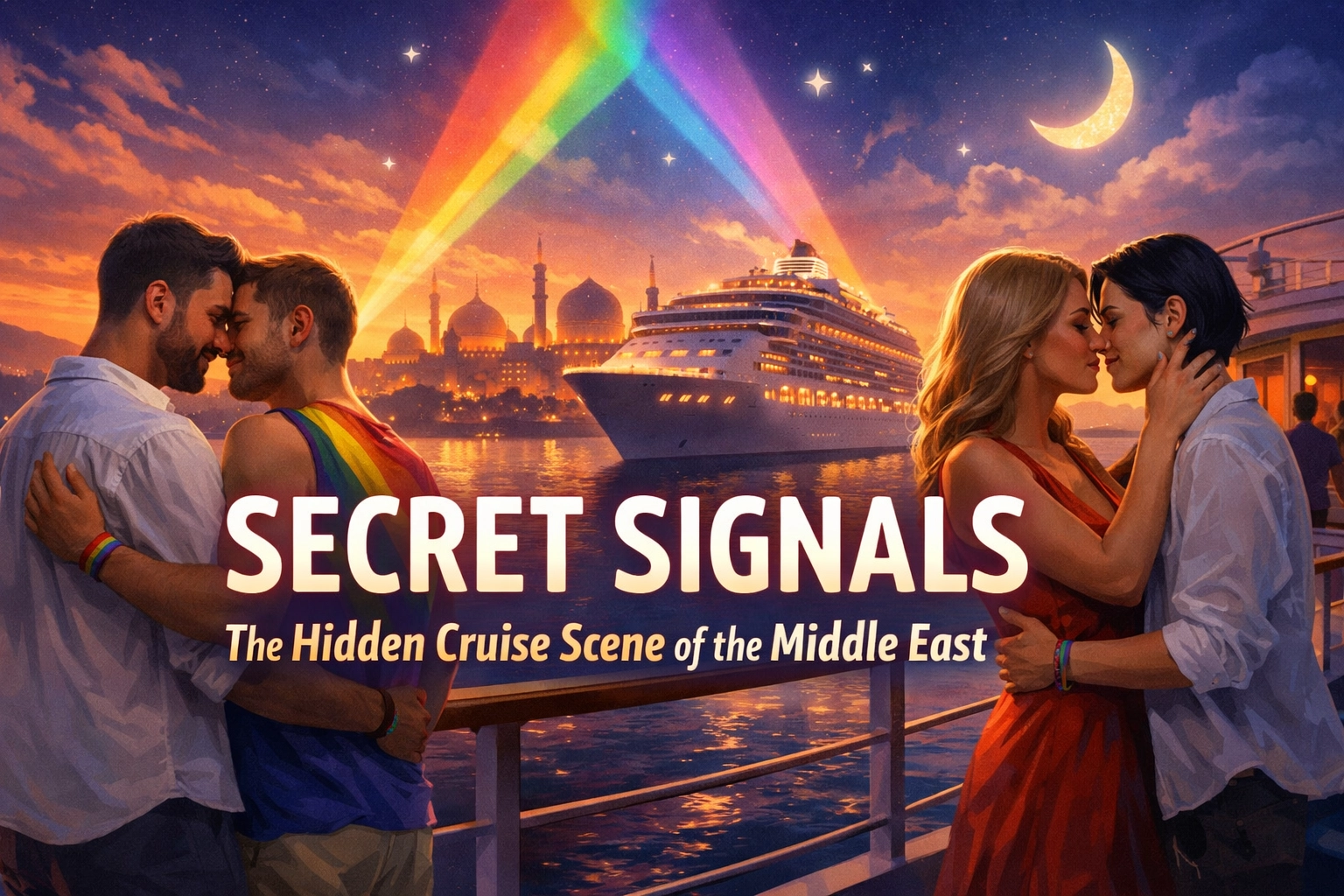
When we talk about cruising bars in Europe or North America, we're usually talking about dimly lit spaces with rainbow flags and leather jackets: places where you can be yourself without looking over your shoulder. But in the Middle East? The game changes completely. Here, the cruise scene exists in whispers, coded glances, and spaces that disappear as quickly as they appear.
This isn't a story about flamboyant nightclubs or openly gay venues. It's about survival, connection, and the incredible resilience of queer communities who refuse to be erased: even when their existence is criminalized.
The Reality on the Ground
Let's be clear: homosexuality is illegal in most Middle Eastern countries, with penalties ranging from imprisonment to death. We're talking about real danger here: not the kind you read about in a dystopian novel, but the kind that affects real people trying to live authentic lives.
So how does a cruise scene even exist? Through necessity, creativity, and an underground network that would put any spy thriller to shame. The gay men navigating these spaces aren't just looking for hookups: they're searching for community, connection, and moments of authenticity in environments that deny their very existence.
The Art of Secret Signals
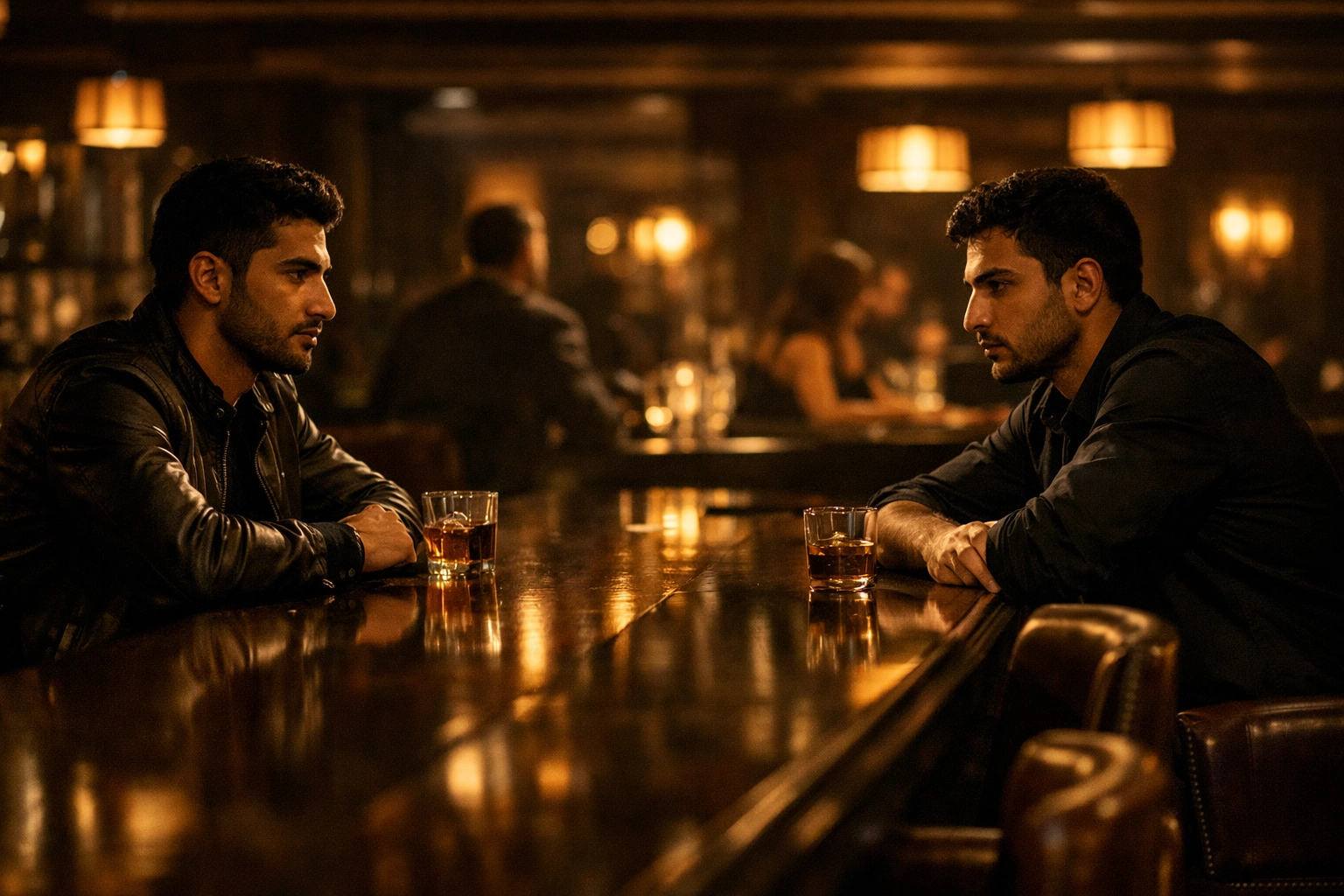
In Western cruise bars, you might catch someone's eye across a crowded room. In the Middle East, the signals are far more subtle. A particular way of holding a cigarette. A specific café at a specific time. A certain emoji sequence in a dating app bio. These aren't just flirtations: they're survival mechanisms.
One contact described meeting someone at a hotel lobby bar in Dubai. No words were exchanged at first. Just a carefully choreographed dance of glances, a moved chair, a specific drink order that meant "I'm one of you." The entire interaction happened in plain sight of hotel staff and other guests, yet remained completely invisible to anyone not in the know.
The apps have changed things too, but they've also brought new risks. Grindr and other dating platforms are both lifelines and potential traps. Stories circulate constantly about entrapment, blackmail, and police using these platforms to target queer men. Yet people still use them because isolation is its own kind of death.
Where the Spaces Hide
Traditional cruise bars: the kind with a front door and a sign: are essentially nonexistent in most Middle Eastern countries. Instead, the scene operates in borrowed spaces and temporary venues.
Hotel bars in international chains offer a degree of safety. The presence of Western tourists and business travelers creates a thin buffer of anonymity. In cities like Beirut (before recent conflicts), Dubai, and Tel Aviv, certain hotel bars became known: through word of mouth only: as places where careful connections could happen.
Private apartments serve as pop-up gathering spaces. Someone with their own place might host small gatherings, advertised only through trusted networks. These aren't wild parties: they're quiet affairs where ten or fifteen men might gather to simply be themselves for a few hours. The locations change constantly to avoid detection.
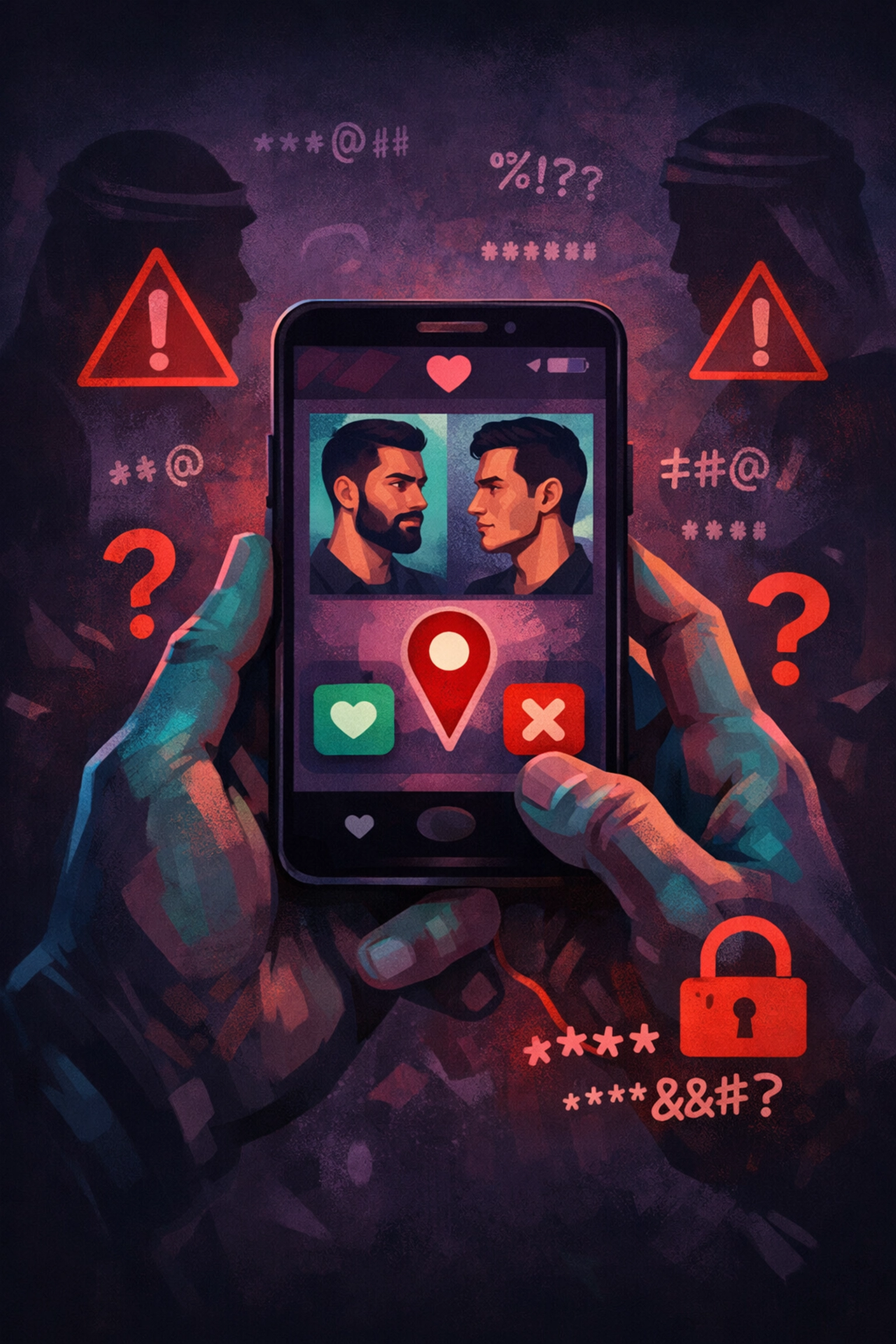
Hammams and bathhouses have a complex history. Traditional Middle Eastern bathhouses weren't originally gay spaces, but in some cities, certain hammams at certain times became known meeting points. The communal nudity and steam provided a thin veneer of plausible deniability, though this too has become increasingly risky as authorities catch on.
Public parks and beaches serve as outdoor cruising grounds after dark. Specific sections of parks, particular times of night: all communicated through careful networks. These spaces are perhaps the most dangerous, as they offer little protection from harassment, police raids, or violence.
The Lebanese Exception (That Wasn't)
Beirut once held a unique position as the most liberal city in the Arab world. While homosexuality remained technically illegal, enforcement was lax, and a small but visible gay scene existed. Bars like Wolf, Posh, and Bardo operated openly: or as openly as possible.
Then came economic collapse, political upheaval, and increasing pressure from conservative factions. Many of these spaces closed or went even further underground. The brief flowering of relative openness withered, reminding everyone just how precarious queer visibility is in the region.
But even during the good years, these weren't Western-style gay bars. Security was tight. No photography. No last names. Always an exit strategy. The freedom was real but fragile, existing in a constant state of negotiation with forces that would rather see it disappear.
Digital Cruising in Dangerous Times
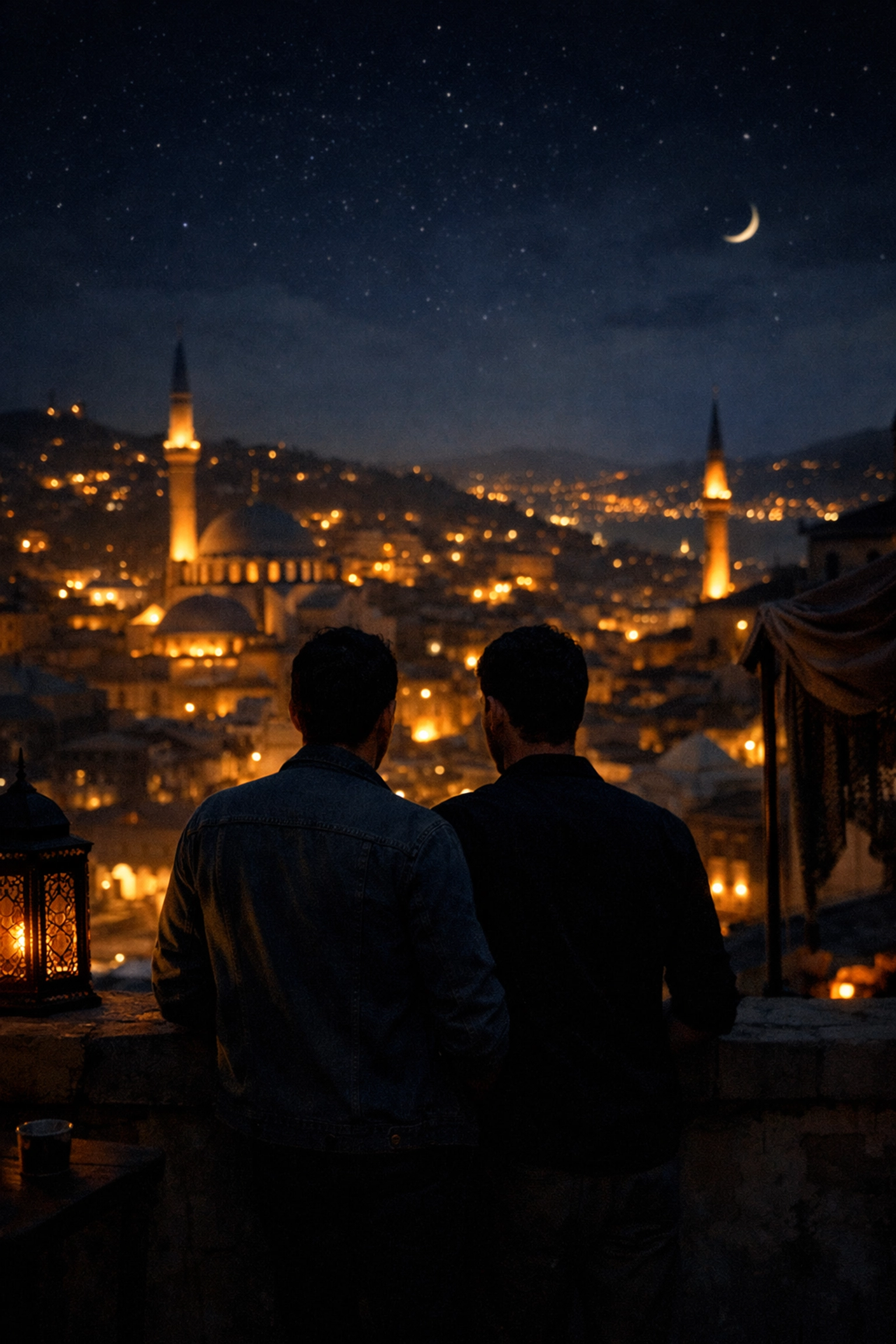
The rise of smartphones created both opportunities and threats. Apps designed to connect gay men now operate in a hostile environment where every match could potentially be a trap.
Many users in Middle Eastern countries use VPNs to hide their locations. Profile pictures show scenery instead of faces. Conversations begin with elaborate verification processes: mutual friends, specific questions only a real community member would know how to answer, requests for social media profiles that show a history of genuine existence.
Some apps have tried to add safety features. Grindr's "discreet app icon" allows users to hide what app they're using. Warning systems alert users when they enter countries with anti-LGBTQ+ laws. But technology alone can't solve the problem when the law itself is the threat.
The digital space has also created new forms of community. Private WhatsApp groups, encrypted Telegram channels, and carefully curated Instagram accounts allow people to connect, share information, and support each other: even if they can never meet in person.
The Courage It Takes
We need to talk about the immense bravery required to participate in any kind of queer scene in the Middle East. These aren't casual weekend outings. Every connection carries real risk: to personal safety, to family relationships, to employment, to freedom itself.
One man described the elaborate preparations for a simple coffee date with someone he'd met online. Meeting in a busy public place. Telling a trusted friend exactly where he'd be. Having a cover story prepared. Checking that his phone's location services were off. All this just to spend an hour talking to someone who understood what it meant to live this double life.

The emotional toll is staggering. Constant vigilance. Never being able to fully relax. Always performing straightness in public while desperately seeking private moments of authenticity. Many eventually leave for Western countries if they can: becoming part of a vast diaspora that carries both relief and profound loss.
The Persistence of Community
Despite everything: the laws, the danger, the isolation: queer communities persist throughout the Middle East. They adapt, they survive, they find ways to connect.
Small networks of friends become chosen families. Secret gatherings happen in private homes. Information passes through trusted channels. Support systems emerge in the most unlikely places. This isn't just about sex or cruising: it's about human beings refusing to be erased.
The global LGBTQ+ movement has largely failed the Middle East. Western gay rights organizations often seem more interested in condemning entire cultures than supporting the queer people actually living within them. Meanwhile, stories of queer Middle Eastern lives remain largely untold in Western media unless they fit neat narratives of escape or oppression.
The reality is far more complex. There are queer Middle Eastern people who love their cultures, their countries, their families: and who also love other men. They're not waiting to be saved; they're building lives and communities with whatever resources they have.
What We Can Learn
The hidden cruise scene of the Middle East teaches us something important about queer resilience. When we read MM romance books or gay fiction set in accepting environments, it's easy to forget that for millions of people worldwide, the simple act of meeting another gay person remains dangerous.
These underground networks remind us that community isn't about having the perfect gay bar or the biggest Pride parade. It's about human connection persisting against all odds. It's about the quiet courage of people who refuse to live entirely in the closet, even when the closet is the only safe space society offers.
At Read with Pride, we believe every queer story matters: including the ones that unfold in whispers and shadows. The men navigating the hidden cruise scene of the Middle East are writing their own narratives of survival and connection, even if those stories never make it into published books.
They deserve to be seen, remembered, and honored: even if we can never know their names.
Want to explore more stories of LGBTQ+ resilience around the world? Check out our collection of gay romance novels and queer fiction at readwithpride.com. Every story matters. Every voice deserves to be heard.
Follow us for more LGBTQ+ stories and content:
- Facebook: Read With Pride
- Instagram: @read.withpride
- X/Twitter: @Read_With_Pride
#ReadWithPride #LGBTQHistory #GayHistory #QueerStories #MMRomance #GayRomanceBooks #LGBTQBooks #QueerFiction #GayFiction #LGBTQCommunity #QueerResilience #GayRights #LGBTQRights #QueerHistory #GayCulture #MMRomanceBooks #GayLiterature #LGBTQReading #QueerVisibility #GayLife #2026

Leave a Reply
You must be logged in to post a comment.