

readwithpride.com
When the AIDS crisis exploded onto the scene in the early 1980s, it felt like the world was ending. In just a few years, what had been vibrant spaces of connection and community were transformed into makeshift war rooms. And nowhere was this transformation more profound than in the cruise bars, those dimly lit, leather-clad spaces that had once been purely about connection, desire, and liberation.
But here's the thing nobody talks about enough: these bars didn't just survive the storm. They became the front lines of one of the most powerful grassroots movements in queer history.
The Bars Before the Storm
Let's be real about what cruise bars were. These weren't your friendly neighborhood taverns with rainbow flags and brunch specials. Cruise bars were spaces of raw sexuality, anonymous encounters, and unapologetic desire. The Mineshaft in New York. The Barracks in Los Angeles. The Eagle chains spreading across cities worldwide. These were temples of leather, denim, and freedom, places where gay men could explore their sexuality without apology or explanation.
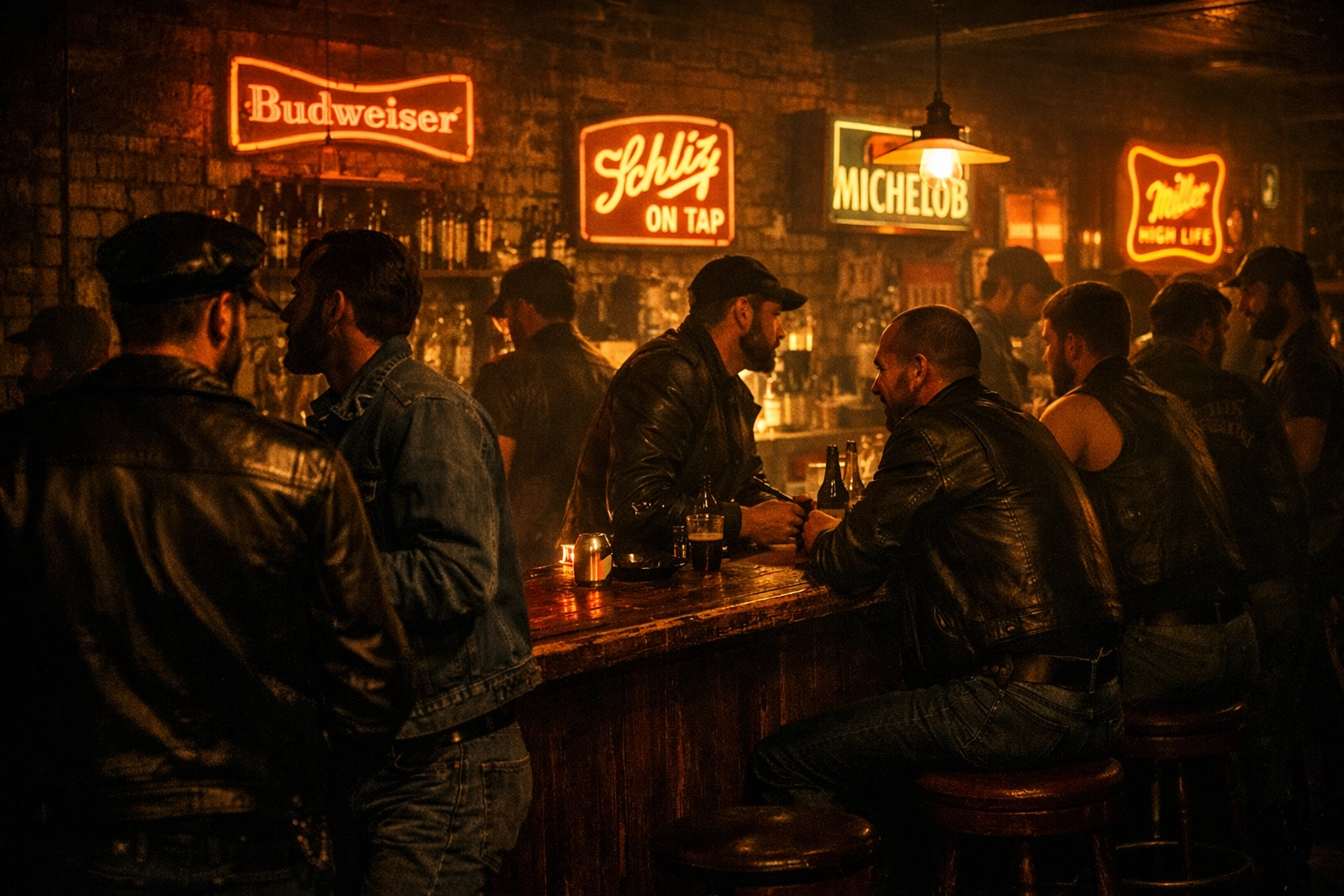
In cities like San Francisco, New York, London, and Amsterdam, cruise bars represented hard-won territory. They were physical manifestations of sexual liberation, carved out of decades of oppression and police raids. By the late 1970s, over 100 gay bars thrived in San Francisco alone, and many of them catered to the cruising crowd, men seeking connection, community, and yes, sex.
These spaces mattered because they were ours. In a world that told us to hide, cruise bars said "be yourself, completely."
When Everything Changed
Then 1981 happened. Then 1982. Then 1983.
The names kept changing: GRID, the "gay plague," and finally, AIDS. But the reality was brutal and unchanging: young men were dying, and nobody seemed to care. The government ignored it. The media mocked it. Religious leaders called it divine punishment.
And the cruise bars? They were labeled as ground zero. Public health officials wanted them shuttered. Activists within the community debated whether these spaces of sexual freedom had become death traps. Some cities forced closures. San Francisco's bathhouses were shut down in 1984. New York followed suit.
But something unexpected happened in the bars that remained open. Instead of disappearing or retreating, they transformed.
From Backrooms to War Rooms
The cruise bars that survived became something entirely different: community centers, information hubs, and organizing spaces wrapped in leather and neon. Bar owners, staff, and patrons recognized what the government wouldn't: their community was dying, and if they didn't save themselves, nobody would.
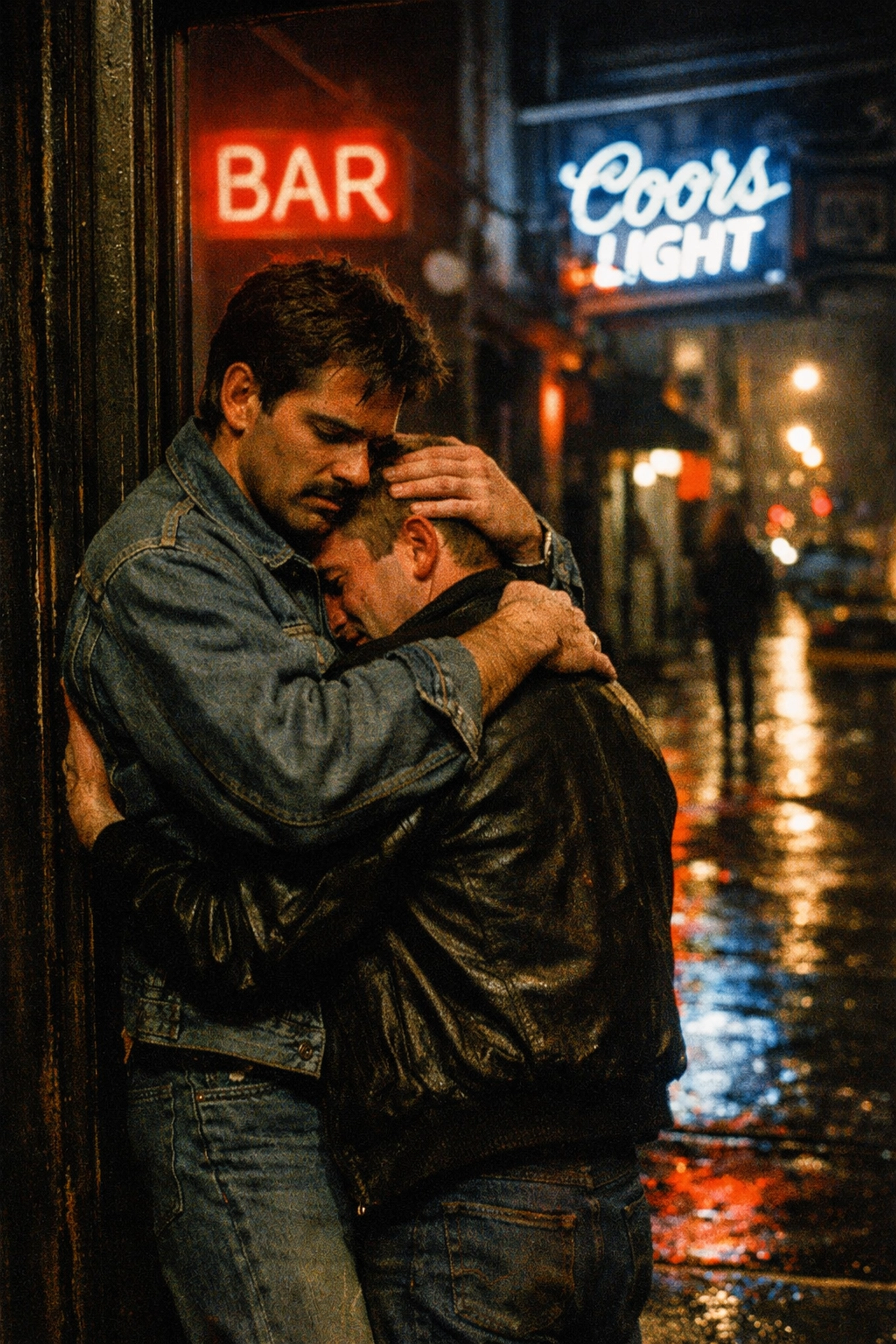
Take The ClubHouse in Washington, DC. This Black gay club became a crucial site for AIDS activism when the DC Coalition of Black Gays partnered with the Whitman-Walker Clinic to reach men who were contracting the virus but weren't accessing traditional healthcare. The club opened its doors to health educators, distributed condoms and safe sex information, and hosted community meetings. It met people where they were, literally.
In New York, The Saint and other dance clubs transformed their fundraising galas into major benefits for AIDS organizations. The 1989 Love Ball raised hundreds of thousands of dollars and featured performances by Madonna and other allies. These weren't quiet charity dinners: they were celebrations of life, defiance, and community solidarity.
The Eagle bars across various cities became information distribution centers. Bartenders learned to hand out safer sex materials along with drinks. Bulletin boards that once advertised parties now shared information about clinical trials, support groups, and memorial services.
The Education Revolution
What made cruise bars particularly effective as education centers was simple: trust and access. These weren't sterile clinical settings or institutional spaces. They were our spaces, run by us, for us.
Health educators realized that pamphlets in doctor's offices weren't reaching the men who needed them most. But a conversation at a bar? A poster in a bathroom? A bartender who knew your name and could slip you information without judgment? That worked.
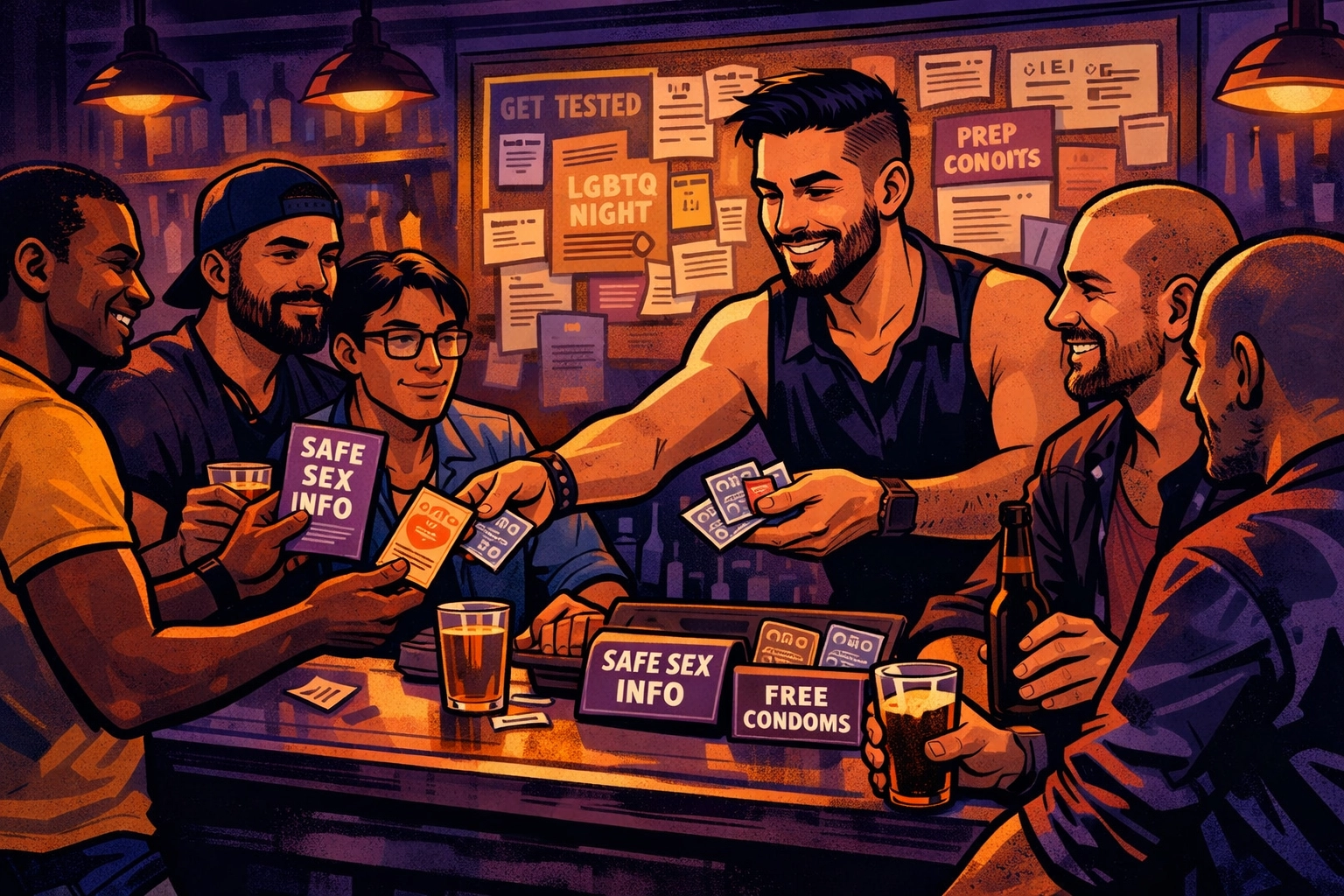
Bars began hosting informal workshops on safer sex practices. Not preachy lectures: actual conversations between community members about how to stay alive while still honoring desire and connection. They distributed condoms by the thousands. They posted information about symptoms, testing locations, and experimental treatments.
Some bars partnered with local AIDS service organizations to offer on-site HIV testing. The Spike in Chelsea started hosting monthly "community nights" where representatives from GMHC (Gay Men's Health Crisis) would be available to answer questions, provide resources, and offer support.
The genius was in the approach: meeting people in spaces where they already felt safe and seen, rather than expecting them to navigate hostile healthcare systems or bureaucratic organizations.
The Fundraising Machine
As the death toll mounted, cruise bars became fundraising powerhouses. The circuit party scene: which had its roots in cruise bar culture: transformed into one of the most effective fundraising mechanisms for AIDS organizations.
The Morning Party on Fire Island, which began as a small gathering of friends, grew into one of America's largest AIDS fundraisers, raising millions over the years. The Palm Springs White Party, Miami's Winter Party, and dozens of other events emerged from the cruise bar and circuit scene, channeling the community's love of celebration into concrete financial support.
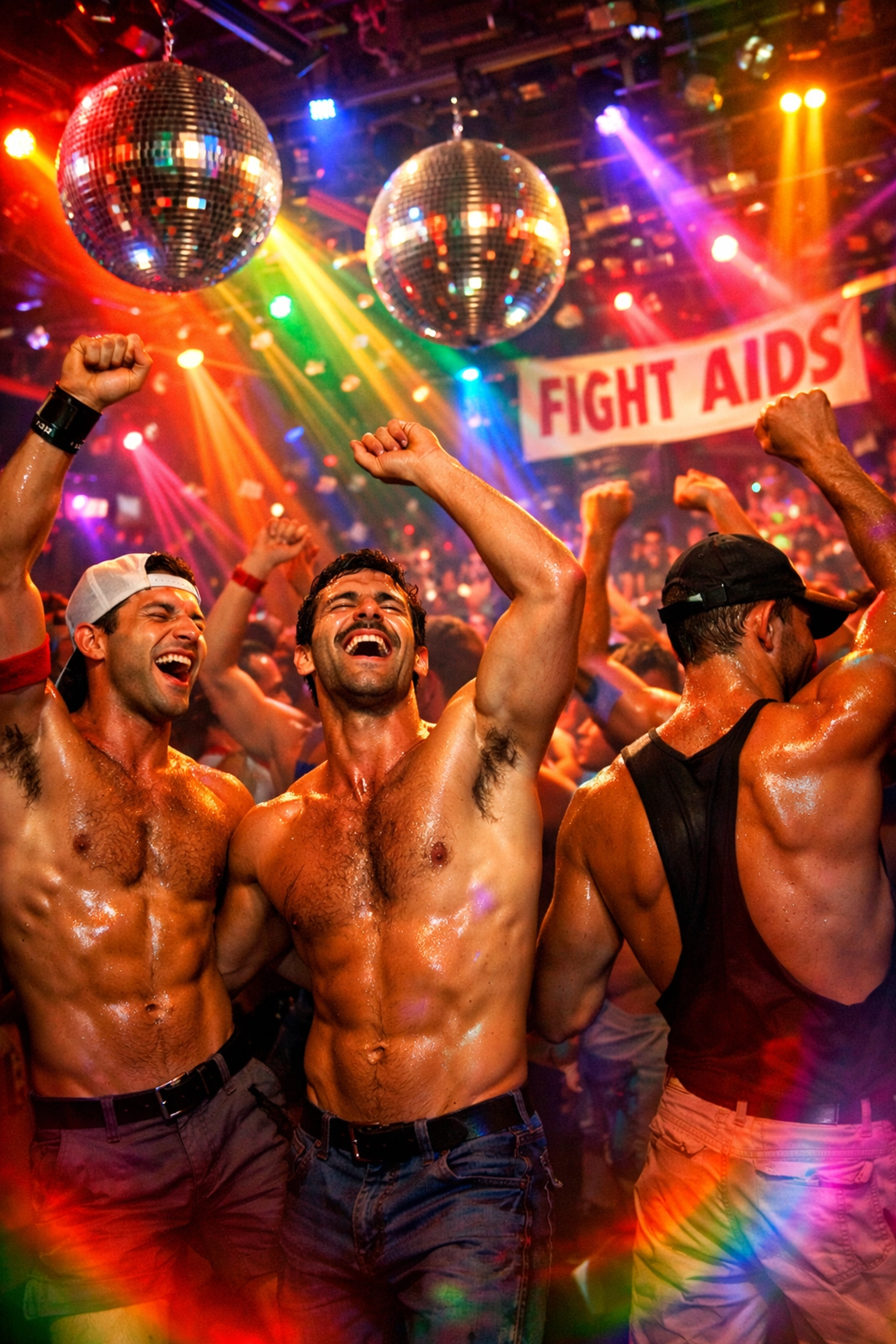
Bar owners organized weekly benefits, matching donations at the door. Drag shows became fundraising spectacles. Leather contests donated proceeds to AIDS organizations. Every dollar collected represented not just money, but defiance: a refusal to let the crisis break the community's spirit.
These weren't corporate sponsorships or government grants. This was the community saving itself, one drink, one dance, one five-dollar cover charge at a time.
The Cost and the Legacy
Let's not romanticize this too much. The transformation came at an unbearable cost. Some bars lost up to 40% of their regular patrons to AIDS. Bartenders served drinks to men they'd bury the next month. The ClubHouse in DC saw its membership devastate as the epidemic raged. San Francisco's bar scene collapsed from over 100 establishments to barely 30 by 2011.
The cruise bars that became activism centers did so because they had to. Because their friends were dying. Because nobody else would help.
But the legacy is undeniable. These spaces proved that sexual liberation and community care aren't opposites: they're intertwined. That the same bars labeled as "diseased" or "dangerous" by mainstream society became lifelines. That desire and survival could coexist.
Reading Our History
Understanding this history matters, especially now. The story of cruise bars during the AIDS crisis isn't just about the past: it's about resilience, community organizing, and the power of queer spaces to transform in moments of crisis.
At Read with Pride, we're committed to preserving and sharing these stories through gay fiction, MM romance books, and LGBTQ+ literature that honors our complex history. From historical gay romance novels that capture the era to contemporary MM fiction that carries forward the legacy of activism and community, our collection celebrates every chapter of queer life.
The cruise bars of the 1980s remind us that our spaces: whether physical or on the page: can be both celebration and resistance. They can honor desire while fighting for survival. They can be sanctuary in the storm.
#ReadWithPride #MMRomance #GayHistory #AIDSActivism #QueerCommunity #LGBTQBooks #GayFiction #MMRomanceBooks #QueerHistory #GayLiterature #CommunityResilience #LGBTQActivism
Explore more stories of queer resilience and history at readwithpride.com

Leave a Reply
You must be logged in to post a comment.