

Europe's Premier LGBTQ+ Destination Has a Story Worth Knowing
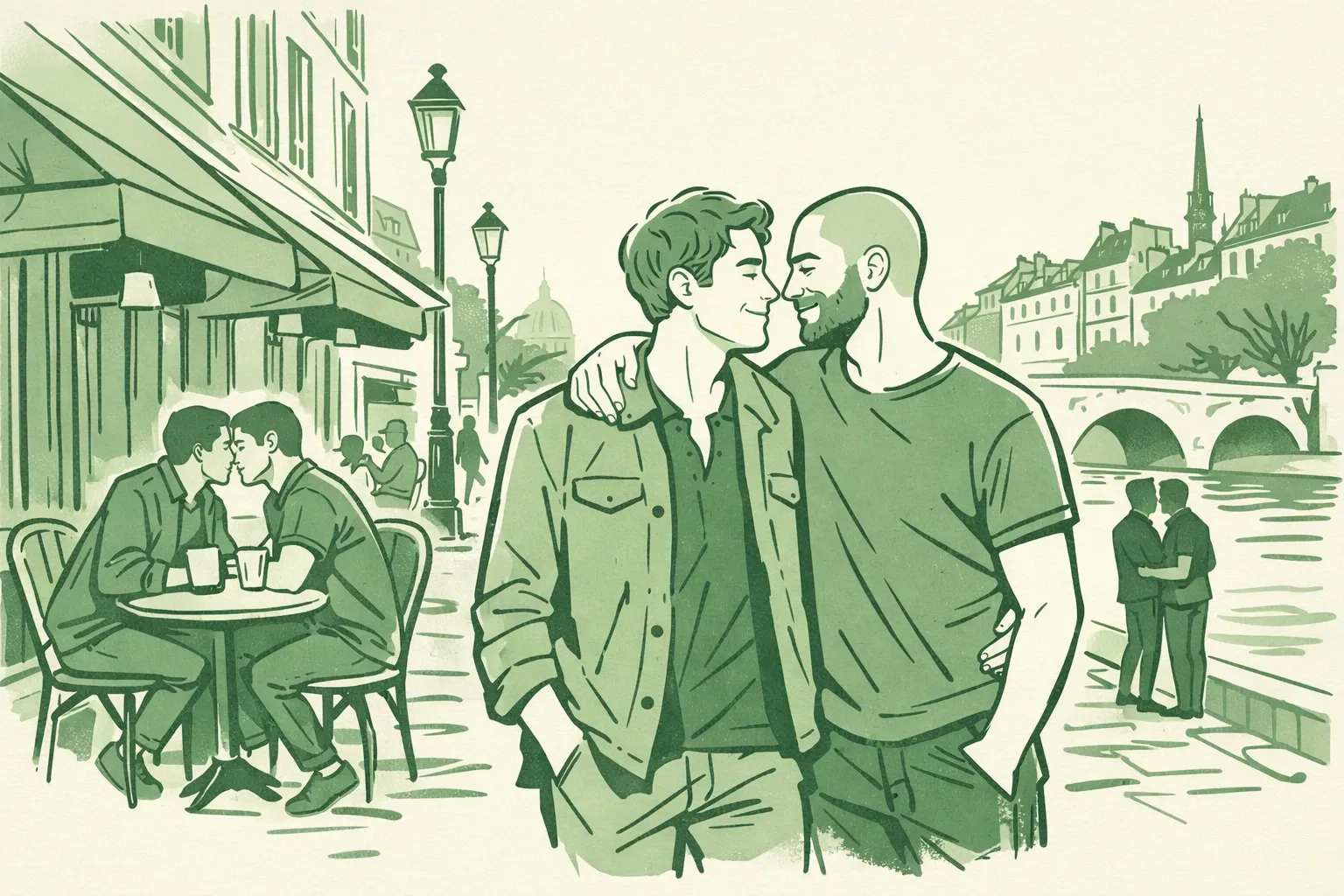
Le Marais stands today as Europe's most celebrated gay district, a neighborhood where rainbow flags flutter beside centuries-old architecture, where Jewish delis share cobblestone streets with queer nightclubs, and where history itself bears witness to one of the most remarkable urban transformations in LGBTQ+ culture. For readers exploring gay romance books, MM fiction, and queer literature, understanding Le Marais offers essential context for the stories we tell about community, resilience, and chosen family.
From Nobility to Neglect: The Early Centuries
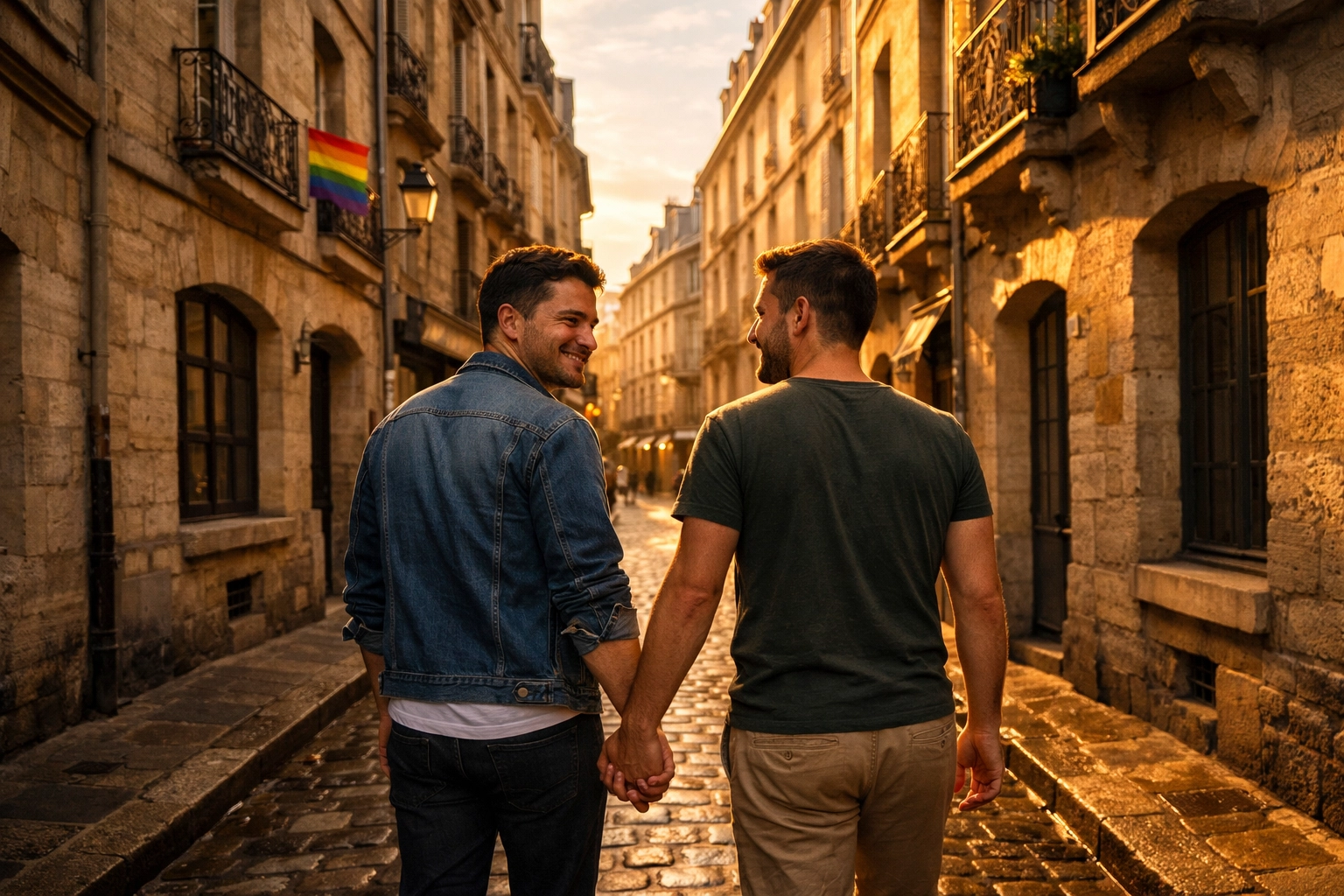
The Marais, literally "the marsh": began its urban life as the preferred residence of French nobility from the mid-13th through the 17th century. Grand hôtels particuliers (private mansions) lined its streets, housing aristocratic families who shaped French political and cultural life. This golden age ended abruptly with the French Revolution, when the nobility fled or faced the guillotine.
By the late 19th century, the Marais had transformed completely. The grand mansions became tenements. Working-class families, immigrants, and Paris's Jewish community settled in the neighborhood, attracted by cheap rents in what had become one of the city's most neglected districts. For nearly two centuries, the Marais remained impoverished, overcrowded, and largely forgotten by mainstream Parisian society: a marginalized space that would later prove perfect for another marginalized community.
Paris's Gay Scene Before Le Marais
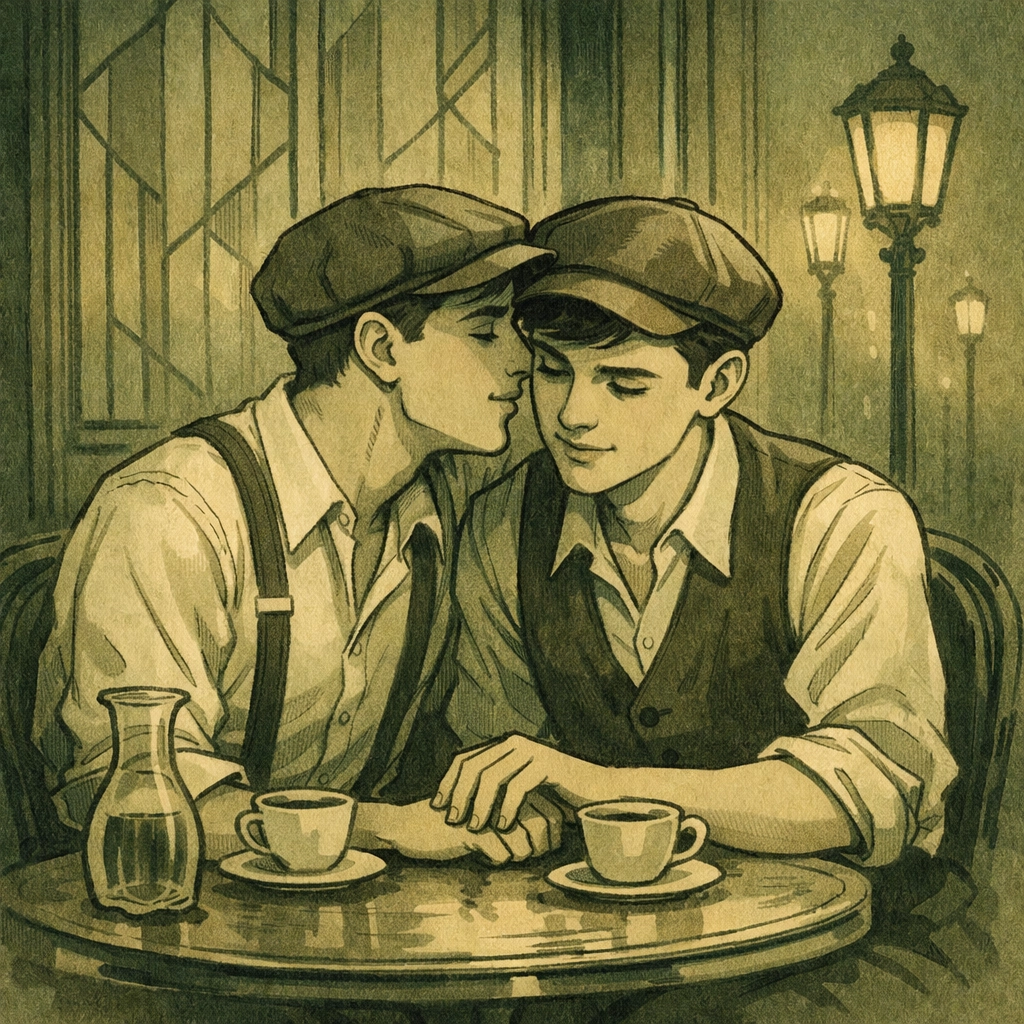
Paris established itself as a premier European gay destination during the 1920s "golden age", when artists, writers, and exiles flocked to the City of Light seeking creative and personal freedom. Yet the Marais played no part in this early scene. Instead, LGBTQ+ Parisians gathered in Saint-Germain-des-Prés on the Left Bank after World War II, then migrated in the 1950s to neighborhoods near Rue Sainte-Anne and Place de l'Opéra.
These early gay spaces operated almost entirely in secret. Establishments required discretion, operated without street-facing windows, and maintained a clandestine character born from necessity. Homosexuality remained criminalized under discriminatory laws enacted by the Vichy regime, creating an atmosphere of fear and concealment that defined gay life in Paris through the 1970s.
The Revolutionary Moment: Le Village Opens Its Doors
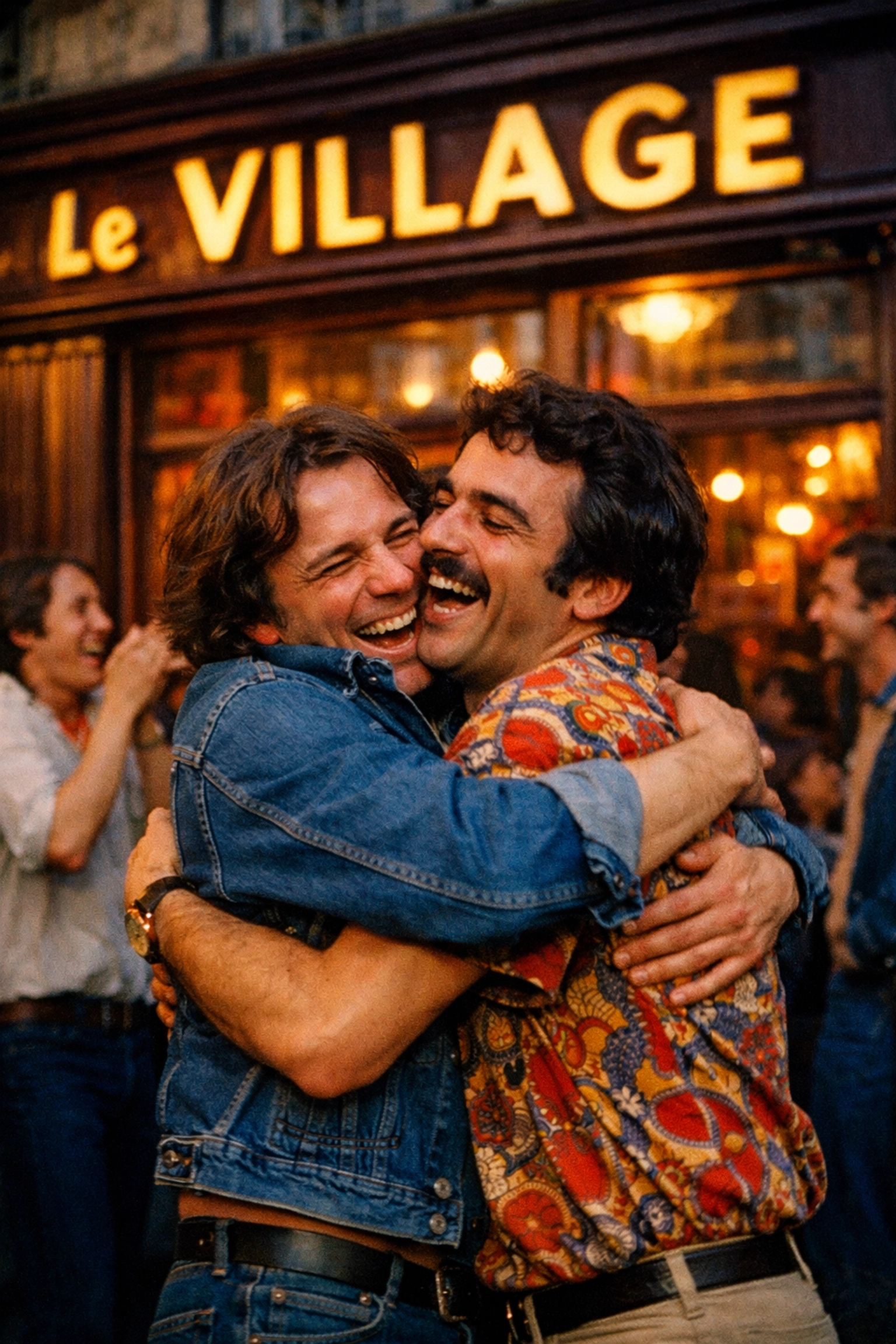
Everything changed in 1977 when "Le Village," Paris's first openly gay bar, opened just south of the Marais. This single establishment revolutionized what a gay space could be: affordable prices, windows opening directly onto the street, and an unapologetic visibility that challenged decades of forced secrecy.
The reaction was immediate and intense. Local residents organized petitions. Neighbors complained about the "invasion" of gay men into their streets. Yet Le Village's success sparked exponential growth throughout the Marais, triggering a migration northeastward that would definitively transform the neighborhood into Europe's gay capital.
The 1980s: When Everything Changed
The 1980s marked the decisive decade when gay traders, activists, and artists settled in the Marais en masse. Affordable rents, distinctive charm, and the neighborhood's existing marginalization made it perfect for a community seeking space to live authentically. Rue Sainte-Croix-de-la-Bretonnerie and Rue Archives emerged as the main arteries, lined with bars, clubs, boutiques, and bookstores that became cultural institutions.
Political change accompanied cultural transformation. In 1981, newly elected President François Mitterrand promised to equalize the age of sexual consent for heterosexual and homosexual relations. On July 27, 1982, France repealed discriminatory provisions enacted under the Vichy regime, legitimizing the community's public presence and accelerating the Marais's evolution into a space of freedom, expression, and tolerance.
1984 brought another milestone: the founding of AIDES, France's first organization dedicated to fighting AIDS, born within the Duplex bar itself. As the epidemic devastated gay communities worldwide, the Marais became a center of activism, care, and resistance: themes that resonate deeply in contemporary MM romance and gay fiction exploring this era.
Two Communities, One Neighborhood
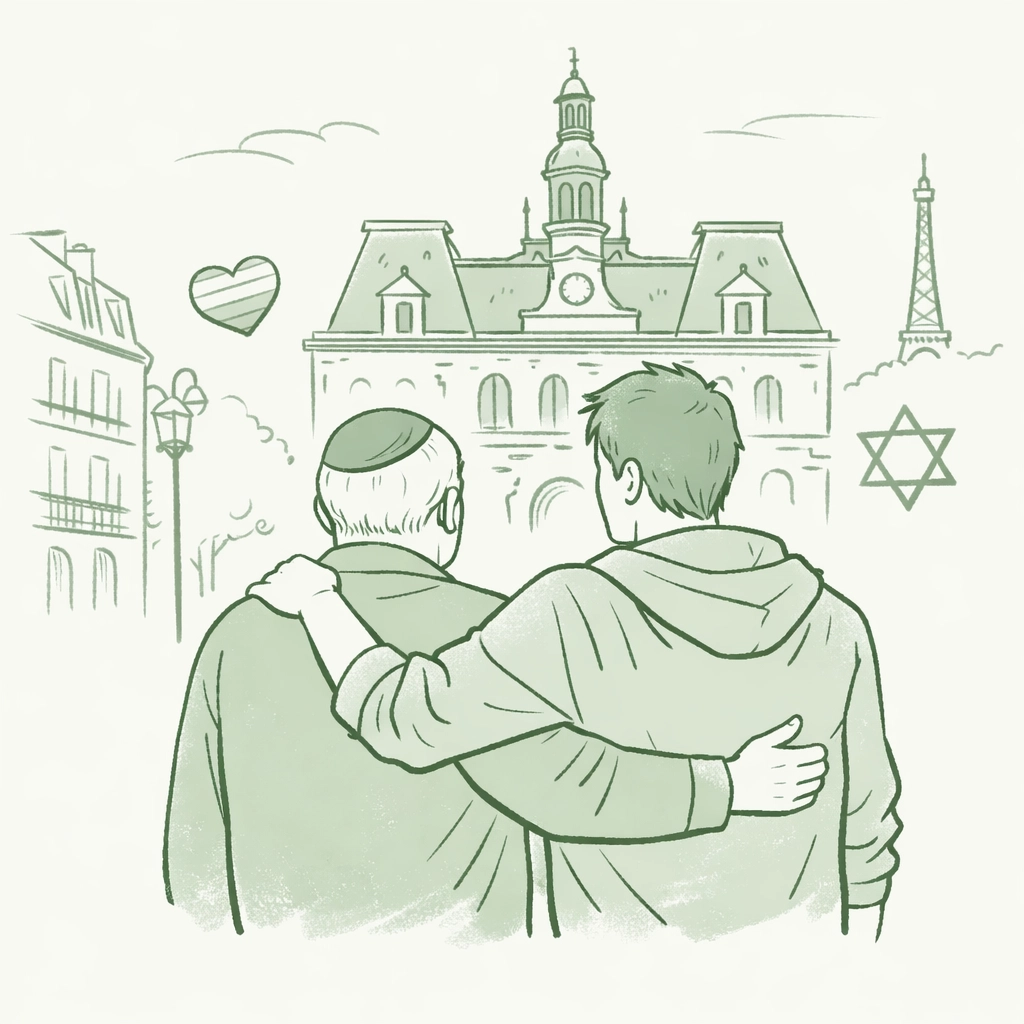
The Marais's rise as a gay haven paralleled its longstanding role as Paris's Jewish neighborhood: a cohabitation that worked precisely because both communities shared histories of persecution and marginalization. This relationship crystallized in 1982 when traders from both communities consolidated solidarity following a terrorist attack on the Goldenberg restaurant, recognizing their common vulnerability to hatred and violence.
This unique coexistence created a neighborhood unlike any other in Europe: kosher bakeries beside gay nightclubs, synagogues near rainbow-flagged cafés, a living demonstration that marginalized communities can share space, respect difference, and build mutual support systems. For writers of LGBTQ+ fiction and gay literature, the Marais offers a powerful model of intersectional community building.
The Dark History We Cannot Forget
Le Marais's contemporary vibrancy exists in stark contrast to its persecution-marked past. On January 4, 1750, workers Jean Diot and Bruno Lenoir were arrested for sodomy. After a six-month trial, they were strangled then burned on July 6, 1750 at Place de Grève (today Place de l'Hôtel de Ville), becoming the last people in France executed for homosexuality.
A plaque commemorating them, affixed in 2014, has been vandalized multiple times: a sobering reminder that struggles for equal rights persist even in Europe's most celebrated gay district. This history of violence and resilience informs the best gay romance books and MM novels, lending emotional weight to stories of love surviving against systemic oppression.
The 1990s and 2000s: Consolidation and Celebration
The neighborhood prospered dramatically through the 1990s and early 2000s. By 1994, seventy Marais establishments belonged to SNEG (the gay business association). Europride in 1997 drew 500,000 people to Paris, with the Marais at its heart, signaling the district's maturation as Europe's premier queer destination.
Today, the Marais represents more than bars and clubs. It's a living neighborhood where gay men build lives, relationships, and communities: the real-life backdrop for the gay love stories, MM contemporary romance, and heartfelt gay fiction that resonate with readers worldwide.
Why This History Matters for Readers and Writers
Understanding Le Marais enriches our appreciation of gay fiction and queer literature. The neighborhood's transformation from execution site to liberation space, from aristocratic enclave to working-class district to LGBTQ+ hub, mirrors broader historical arcs that inform contemporary MM romance and gay novels.
Writers exploring gay historical romance draw on this rich history. Stories set in 1980s Paris capture the neighborhood's transformation. Gay contemporary romance set in modern Le Marais benefits from understanding how this space came to exist. Even gay fantasy romance and gay thriller narratives gain depth when authors understand real-world queer geography and community building.
For readers seeking best MM romance recommendations, stories set in or inspired by Le Marais offer authenticity grounded in actual LGBTQ+ history and culture: making them essential additions to any gay book club or reading list.
Discover Stories Inspired by Real LGBTQ+ History
At Read with Pride, we celebrate gay literature that honors real community histories while delivering the emotional MM books and steamy MM romance readers crave. Our collection includes award-winning gay fiction, new gay releases, and popular gay books exploring the intersections of history, desire, and identity.
Explore our curated selection of LGBTQ+ ebooks and gay romance books that capture the spirit of places like Le Marais: where love, resilience, and community transform urban spaces into sanctuaries. Visit readwithpride.com to browse MM authors whose work reflects authentic queer experiences.
Follow us on social media for daily recommendations:
Instagram: @dickfergusonwriter
X/Twitter: @DickFergus94902
Facebook: Dick Ferguson Writer
#ReadWithPride #ReadingWithPride #GayRomance #MMRomance #LGBTQBooks #GayFiction #QueerLiterature #LeMarisParis #GayHistory #MMNovels #GayLoveStories #QueerFiction #GayRomanceBooks #LGBTQFiction #GayLiterature #GayHistoricalRomance #GayContemporaryRomance #PopularGayBooks #BestMMRomance #GayBookClub #LGBTQEbooks #GayAuthors #MMAuthors #EmotionalMMBooks #HeartfeltGayFiction

Leave a Reply
You must be logged in to post a comment.