

readwithpride.com
When you think about queer history in the Balkans, Greece and Albania might not be the first places that come to mind. But trust me, these neighboring countries have some of the most compelling, complex, and honestly heartbreaking (yet hopeful) stories in LGBTQ+ history. From ancient Greek acceptance to Communist-era persecution, and from modern Athens pride parades to quiet love stories crossing mountain borders, the queer experience here is rich.
Let's dive into what it's really been like, and what it's like now, to be LGBTQ+ in Greece and Albania.
Ancient Greece: The OG Queer Paradise? Not Quite.
Yeah, we've all heard about ancient Greece and same-sex relationships. Plato's Symposium, the Sacred Band of Thebes, all that classical literature your college professor used to talk about. But here's the thing: ancient Greek acceptance of male-male relationships came with a lot of rules, power dynamics, and class distinctions that don't exactly translate to modern LGBTQ+ equality.
Still, it's worth noting that Greece has this fascinating historical legacy that both helps and hinders modern queer Greeks. On one hand, you can point to history and say, "Our culture literally invented the concept of romantic male friendship!" On the other hand, modern Greek society: heavily influenced by the Orthodox Church: has been slower to embrace LGBTQ+ rights than many Western European countries.
Albania: From Total Ban to Slow Progress
Albania's story is darker and more complicated. Under Communist dictator Enver Hoxha (1944-1985), homosexuality was completely illegal and heavily persecuted. We're talking prison sentences, forced labor, and a culture of absolute silence around anything queer. Albania was one of the most isolated countries in the world during this period: more isolated than even North Korea at times.
When communism fell in the early 1990s, Albania technically decriminalized homosexuality in 1995. But decriminalization and acceptance? Two very different things. The cultural shift has been gradual, painful, and ongoing. Rural Albania, in particular, remains deeply conservative, with strong patriarchal traditions and family honor codes that make coming out genuinely dangerous.
Urban vs. Rural: Two Different Worlds
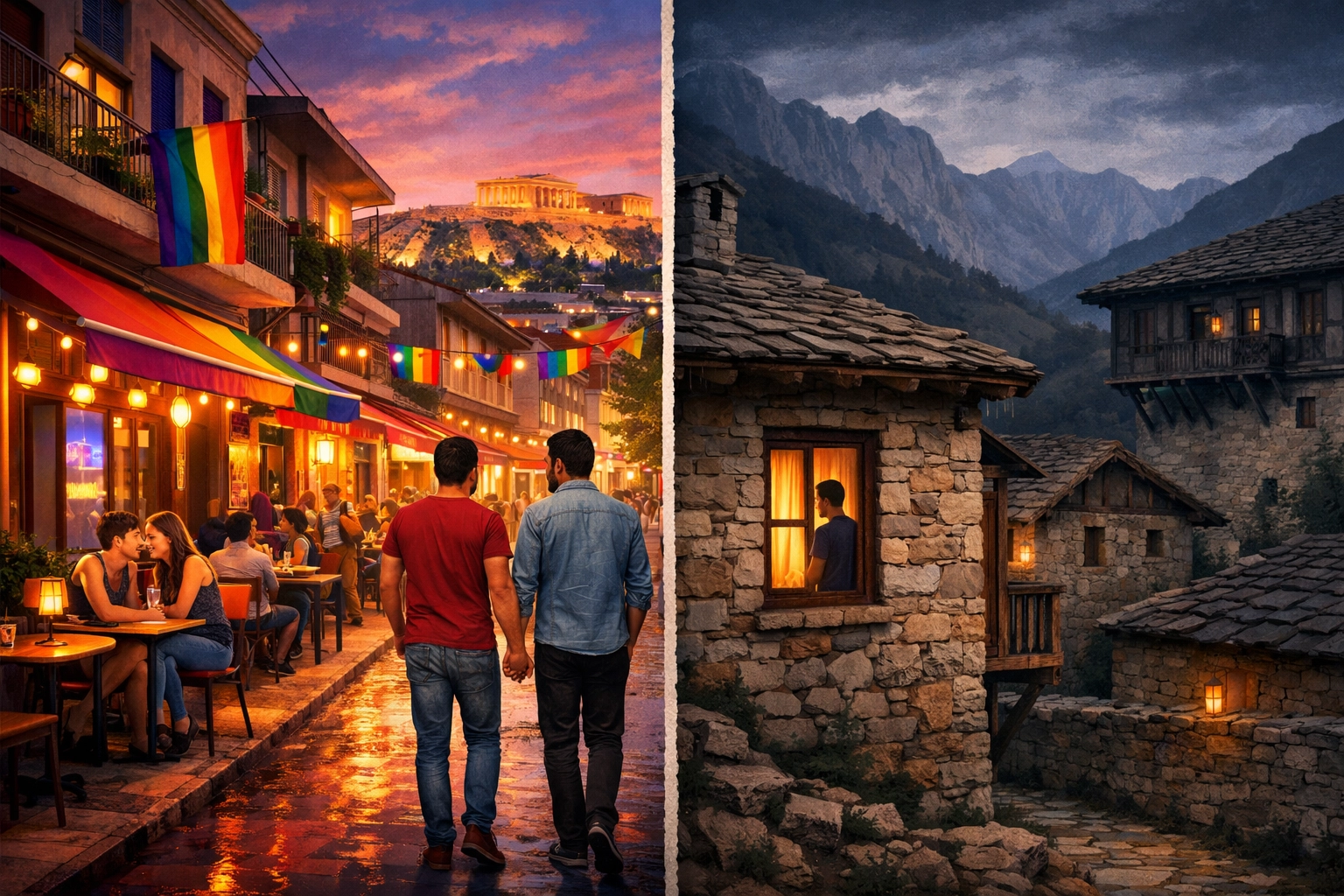
Here's where things get really interesting. Both Greece and Albania have this massive divide between urban and rural queer experiences.
Athens and Thessaloniki have vibrant, albeit relatively small, gay scenes. You'll find gay bars, pride events, LGBTQ+ organizations, and a growing community of out and proud Greeks. Athens Pride has been happening since 2005, and while it started small, it's grown into a legitimate event with thousands of participants. The Gazi neighborhood in Athens is particularly known for its queer-friendly establishments.
Tirana, Albania's capital, has seen remarkable progress. The first pride parade happened in 2012 (and was met with protests and violence, but it happened). By the 2020s, Tirana Pride has become an established event. There are LGBTQ+ advocacy organizations like Aleanca LGBT, and younger, urban Albanians are increasingly accepting.
But step outside these urban centers? It's a different reality. In rural Greece, traditional values still dominate. The Orthodox Church holds significant influence, and small village life means everyone knows everyone's business. Coming out can mean social isolation, family rejection, and economic consequences.
Rural Albania is even more challenging. The concept of "besa" (a code of honor) and strong family loyalty means that being openly gay can bring shame to your entire family. Many LGBTQ+ Albanians stay closeted, marry opposite-sex partners, or flee to Western Europe.
Cross-Border Romance: Love Across Mountains
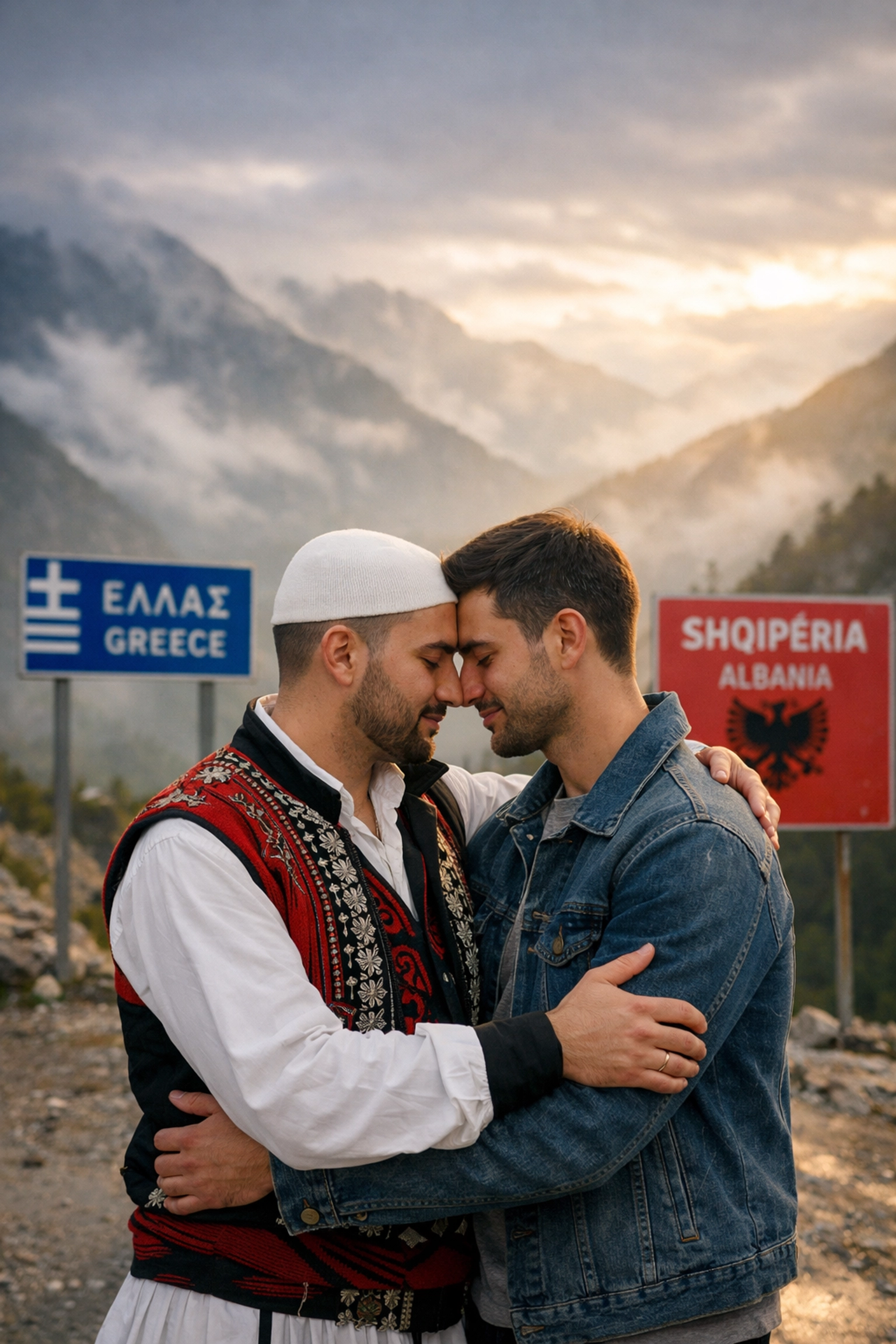
Here's something you don't hear about often: the cross-border romances between Greek and Albanian queer folks. The border regions between these countries have their own unique dynamics. Historically complicated (Greece and Albania have had tense relations), these areas also see cultural exchange, migration, and yes: love stories that defy national boundaries.
Albanian LGBTQ+ individuals often migrate to Greece seeking better opportunities and more acceptance. This creates interesting dynamics where you have Albanian queer men working in Athens, navigating both Greek and Albanian cultural expectations, often sending money home to families who don't know the full truth about their lives.
The language barrier, cultural differences, and historical tensions between the countries add layers of complexity to these relationships. But they also create beautiful stories of connection, understanding, and chosen family that transcends borders.
The Church, The State, and Everything In Between
Both countries are heavily influenced by religious institutions: the Greek Orthodox Church in Greece, and a mix of Muslim and Christian traditions in Albania (though Albania is officially secular and was once declared the world's first atheist state).
Greece legalized civil unions for same-sex couples in 2015, which was a huge step. But full marriage equality? That took until 2024. And even now, the Orthodox Church remains vocally opposed, refusing to perform religious ceremonies for same-sex couples. Adoption rights and parental recognition remain contested issues.
Albania hasn't legalized same-sex unions at all yet. The legal framework is slowly improving: anti-discrimination laws exist on paper: but enforcement is inconsistent. Hate crimes against LGBTQ+ people often go unreported or unprosecuted.
Modern Queer Life: Dating Apps, Safe Spaces, and Double Lives
Let's talk about what daily life actually looks like for queer Greeks and Albanians in 2026.
Dating apps have revolutionized queer connection in both countries. Grindr, Tinder, and other platforms allow people in smaller cities and towns to connect with others like them. But this comes with risks: in conservative areas, there are stories of people being outed, blackmailed, or lured into dangerous situations.
Safe spaces exist but are concentrated in urban areas. LGBTQ+ community centers, friendly cafes, and underground parties create pockets of acceptance. But many queer people in these countries still live double lives: out to a small circle of friends but closeted to family, coworkers, and neighbors.
Mental health is a huge concern. The rates of depression, anxiety, and suicide attempts among LGBTQ+ youth in both countries are significantly higher than the general population. Access to affirming mental health care is limited, especially outside major cities.
But here's the hopeful part: the younger generation is changing things. Gen Z Greeks and Albanians are more accepting, more connected to global LGBTQ+ movements, and more willing to push back against traditional norms. Social media has created communities of support and visibility that didn't exist even ten years ago.
The Literature We Need
Stories matter. Representation matters. And that's exactly why we need more MM romance books that center Greek and Albanian queer experiences. We need romance novels about the café owner in Thessaloniki who falls for a closeted Albanian construction worker. We need historical fiction about queer resistance during the Ottoman period. We need contemporary stories about pride organizers, cross-border love affairs, and coming out in conservative villages.
These stories exist in real life: they deserve to exist in gay fiction too. The complexity, the cultural richness, the specific challenges and joys of being queer in these countries: it's all material for compelling, authentic LGBTQ+ romance.
Looking Forward
The trajectory for LGBTQ+ rights in both Greece and Albania is slowly upward, but it's not a straight line (pun intended). There are setbacks, protests, and ongoing battles. But there's also pride, community, and an increasing number of people willing to live authentically despite the risks.
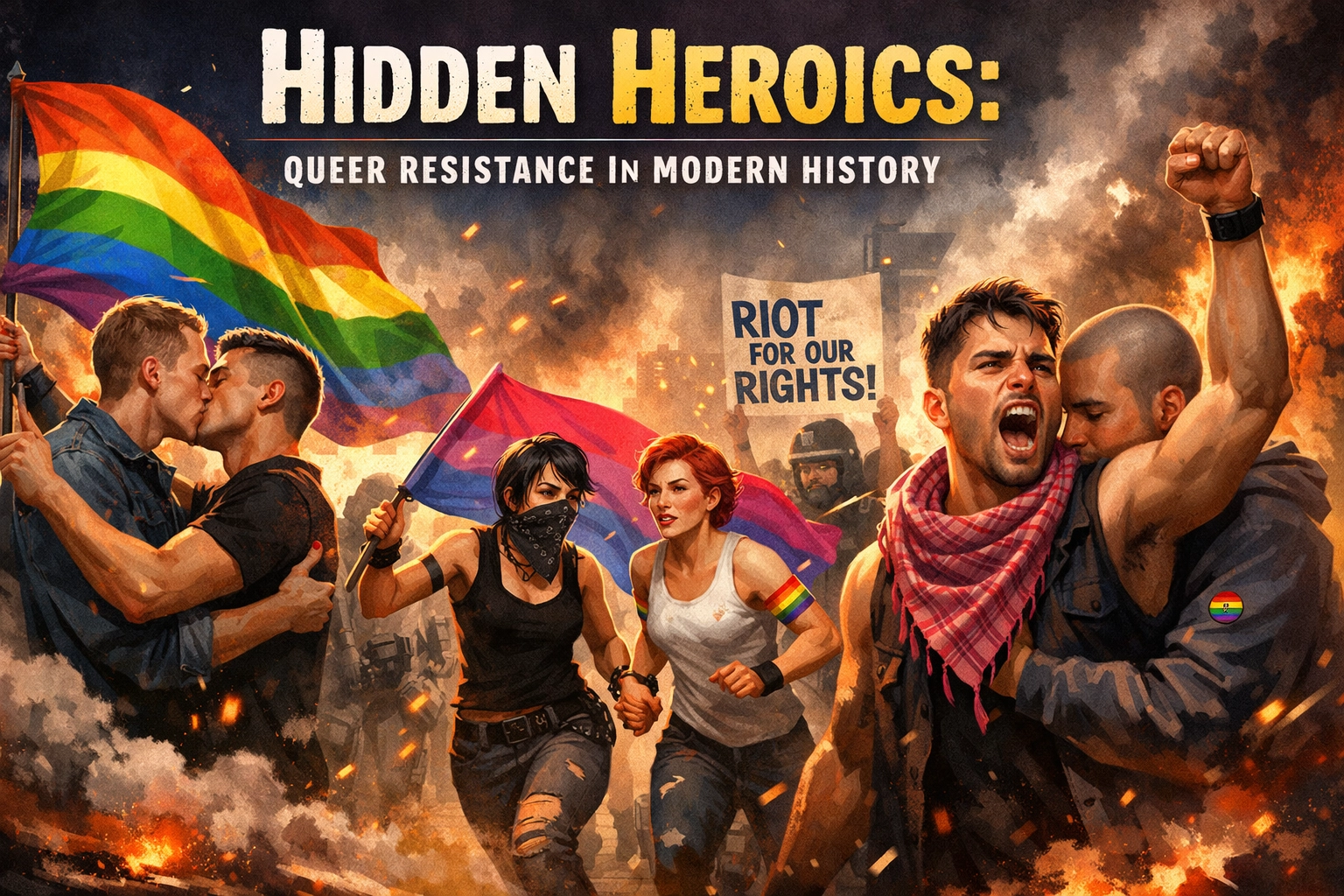
For readers seeking stories that explore these experiences: the tension between tradition and identity, the courage required to love openly, the beauty of cross-cultural connection: Greek and Albanian queer narratives offer something uniquely powerful. They remind us that queer resistance isn't just about Stonewall or Western activism. It's about every person who chooses to be themselves in places where that choice carries real consequences.
And those stories? They're the ones worth reading, writing, and celebrating.
Want to explore more diverse LGBTQ+ stories? Check out our collection of gay romance novels featuring characters from around the world.
Follow us for more queer history, book recommendations, and community stories:
📘 Facebook
🐦 Twitter/X
📸 Instagram
#ReadWithPride #MMRomance #LGBTQBooks #QueerHistory #GayRomanceBooks #GreekLGBTQ #AlbanianLGBTQ #QueerResistance #LGBTQFiction #GayFiction #QueerStories #MMRomanceBooks #LGBTQHistory #PrideStories #AuthenticQueerVoices #BalkanPride #CrossBorderLove #LGBTQRights #GayLoveStories #2026Pride

Leave a Reply
You must be logged in to post a comment.