

readwithpride.com
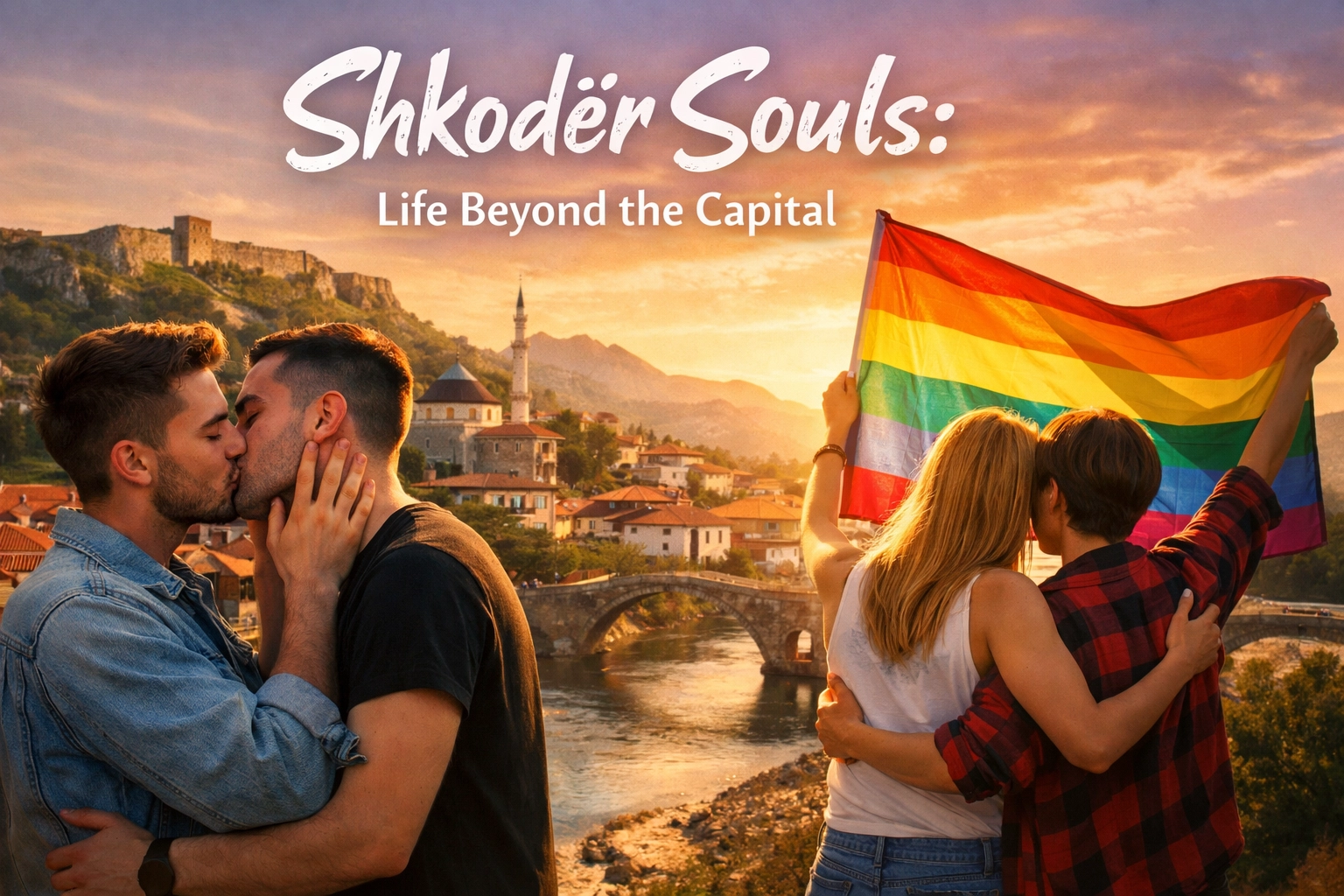
When most people think about gay life in Albania, they picture Tirana: the capital with its rainbow crossings and slowly emerging queer scene. But what about the rest of the country? What happens when you venture north to Shkodër, the traditional heart of Gegëria, where mosques and churches share the skyline and traditions run deeper than the nearby Lake Shkodër itself?
This is where our story really begins. Because if you want to understand the full spectrum of LGBTQ+ experience in the Balkans, you need to look beyond the capitals, beyond the coastal party towns, and into places like Shkodër: where history, religion, and tradition create a complex backdrop for modern queer life.
The Weight of Tradition
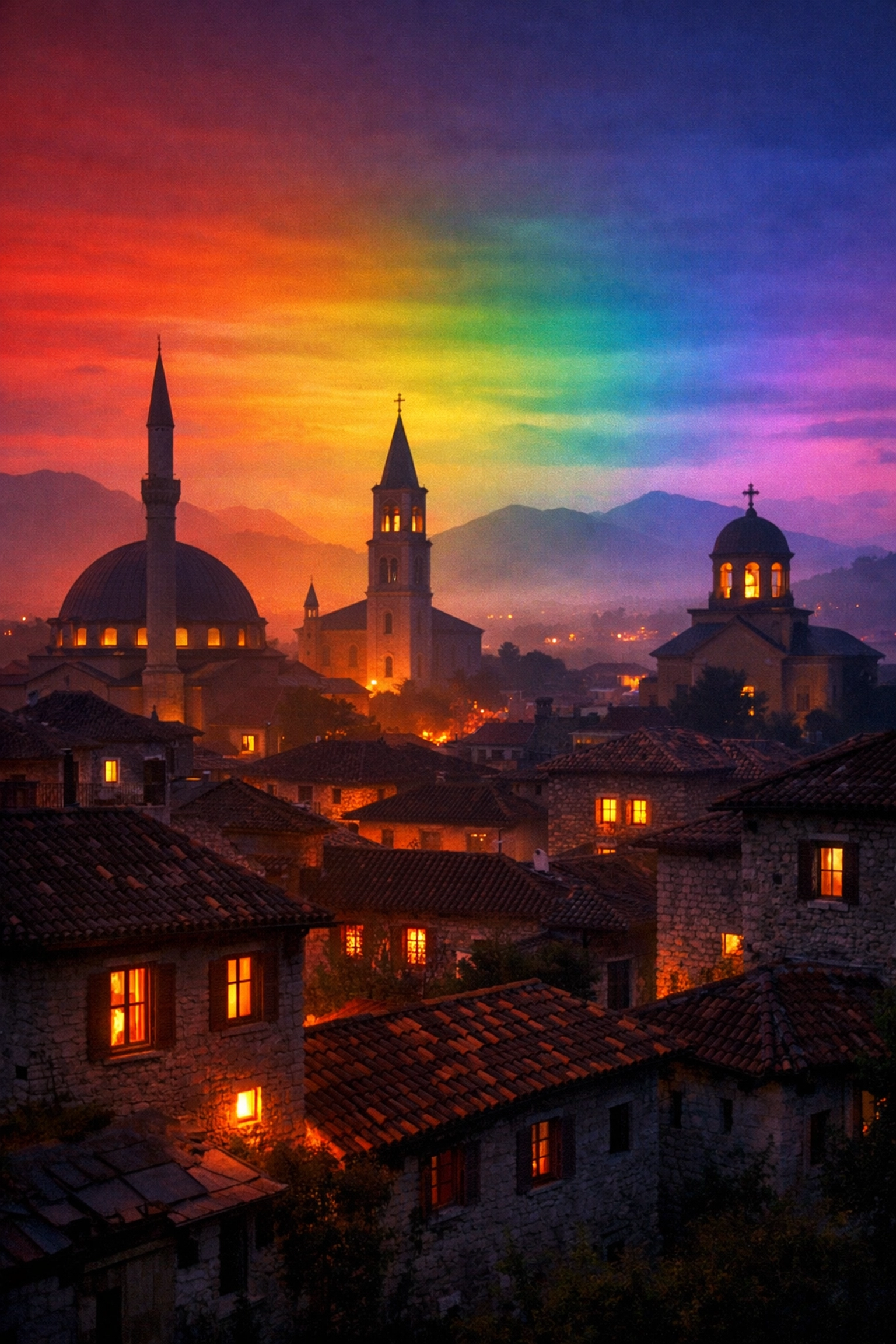
Shkodër isn't just any Albanian city. With a population of around 61,000, it's the fourth-largest urban center in the country, but its cultural influence far exceeds those numbers. This is the traditional capital of northern Albania, a place where the Kanun: an ancient code of customary law: still echoes in family expectations and community dynamics.
For LGBTQ+ people living here, that weight is real. While Albania decriminalized homosexuality in 1995 (relatively early for the region), legal protection and social acceptance are two very different beasts. In Shkodër, where extended families live in close proximity and everyone seems to know everyone's business, coming out isn't just a personal decision: it's a family affair that ripples through multiple generations.
The religious diversity that defines Shkodër: Catholic, Muslim, and Orthodox communities coexisting: adds another layer. Unlike the more secular atmosphere of Tirana, faith plays a visible role in daily life here. For young gay men and women, navigating between traditional religious values and personal authenticity becomes a constant balancing act.
Hidden Histories
Here's what they don't teach in Albanian history classes: queer people have always existed in these northern towns, even when society didn't have language for them.
Historically, the Ottoman influence that shaped much of Albanian culture for centuries created interesting gray areas around male intimacy. The concept of mahrem: forbidden relationships: technically included homosexuality, but enforcement was inconsistent, and certain types of male bonding were culturally normalized in ways that Western frameworks don't quite capture.
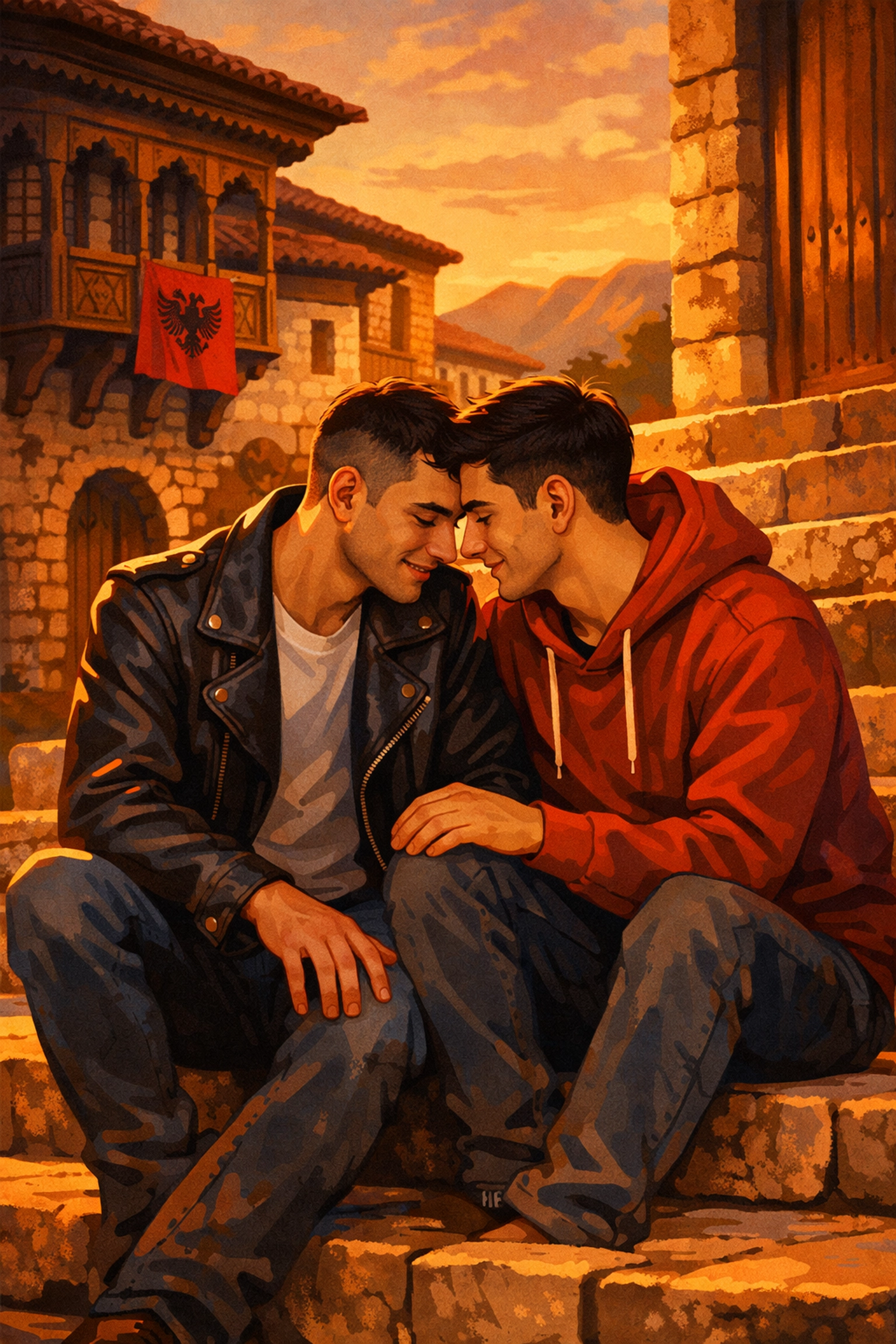
During the communist era under Enver Hoxha (1944-1985), Albania became one of the most isolated and repressive regimes in Europe. Homosexuality wasn't just illegal: it was ideologically incompatible with the state's vision. LGBTQ+ Albanians lived in complete invisibility, and those in smaller cities like Shkodër had even fewer options than their counterparts in Tirana.
The stories from this era are heartbreaking. Men who loved men either lived celibate lives, entered heterosexual marriages out of necessity, or risked everything for stolen moments. There were no pride parades, no underground bars, no queer fiction to see yourself reflected in. Just silence.
Modern Realities
Fast forward to 2026, and Shkodër finds itself caught between worlds. The younger generation, raised with internet access and exposure to global LGBTQ+ culture, has different expectations than their parents. They've seen pride parades in Athens, read MM romance books online, and connected with other queer Albanians through social media.
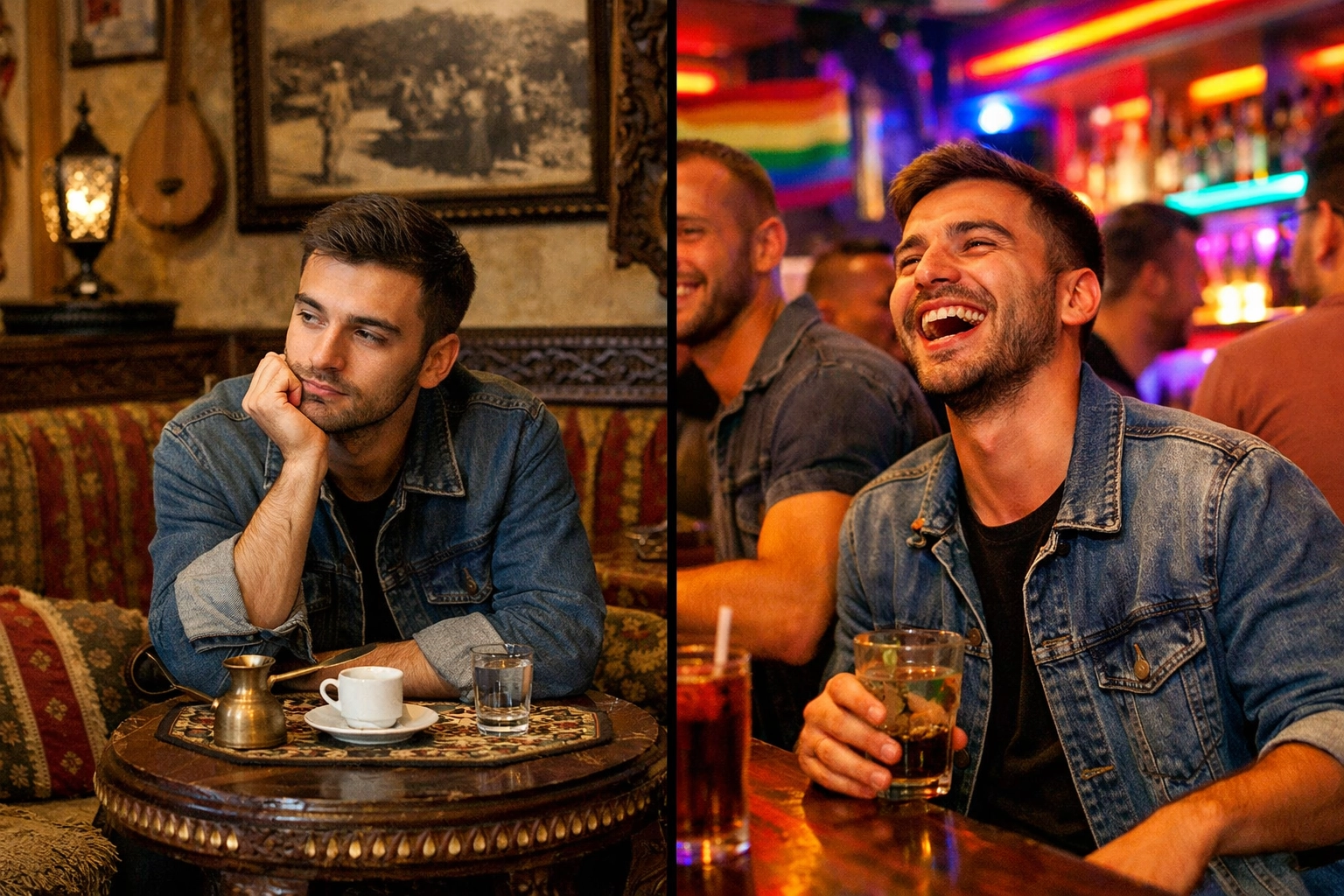
But coming out in Shkodër still carries risks. While outright violence is less common than in previous decades, social ostracism remains a powerful threat. Many young gay men and lesbians adopt a "glass closet" approach: they're not exactly hiding, but they're not broadcasting either. They might be out to close friends but not to extended family. They might date quietly but avoid public displays of affection.
The economic reality adds another complication. Shkodër's population has been declining for years: from over 82,000 in 2001 to about 61,000 today. Young people are leaving for better opportunities in Tirana, or emigrating entirely to Italy, Greece, or beyond. For LGBTQ+ youth, this brain drain is even more pronounced. The pull of Tirana's emerging gay scene or Athens's established one is strong.
The Greek Connection
And this is where our story intersects with Greece. The border is only about 50 kilometers from Shkodër, and the historical, cultural, and economic ties between northern Albania and Greece (particularly Epirus) run deep.
For many gay men in Shkodër, Greece represents possibility. It's close enough to reach but different enough to offer freedom. The Greek gay scene: while far from perfect: is decades ahead of Albania's. Athens has established gay bars, annual pride events, and legal protections. Even smaller Greek cities offer more visibility than Shkodër.
This creates a pattern we see repeatedly in MM romance narratives because it reflects reality: the cross-border romance. The Albanian man who meets a Greek guy online. The summer fling in Corfu that turns into something more. The decision to stay or to leave.
These aren't just plot devices: they're lived experiences. The economic disparity between Greece and Albania, combined with different levels of social acceptance, creates a dynamic where relationships become entangled with questions of migration, opportunity, and identity.
Finding Community
So how do LGBTQ+ people in Shkodër actually connect with each other? Without dedicated gay bars or visible community centers, they've gotten creative.
Social media is the primary tool. Albanian-language LGBTQ+ groups on Facebook, Instagram profiles using coded language, dating apps that connect people within a 50-kilometer radius. These digital spaces become crucial lifelines, especially for those who aren't out in their daily lives.
There are also the informal networks: trusted friends, sympathetic family members, the one café where gay people know they can relax a little. These spaces aren't advertised or openly acknowledged, but locals know.

Some make regular trips to Tirana (about 100 kilometers south) for the occasional night out at one of the capital's gay-friendly venues. Others cross the border into Greece when they can afford it. These journeys become something between necessity and pilgrimage: brief windows of freedom before returning to the more constrained reality of home.
The Stories We Need
This is why gay fiction and queer literature matter so much, especially stories that reflect these specific experiences. When you're living in Shkodër, navigating tradition and authenticity, the last thing you need is another New York or San Francisco romance that feels a world away from your reality.
You need stories about men who love men in places like this. Stories about the taxi driver who dreams of opening a café in Athens with his Greek boyfriend. The university student living a double life between Shkodër's conservative surface and Tirana's underground queer scene. The cross-border romance complicated by economic realities and visa requirements.
These are the gay love stories that Read with Pride (https://readwithpride.com) exists to amplify: narratives that honor the full diversity of LGBTQ+ experience, not just the most visible or privileged versions.
Looking Forward
Albania is changing, and Shkodër is changing with it, however slowly. Each person who lives authentically, each family that chooses love over tradition, each friend who stands up for their LGBTQ+ peers: these create incremental shifts that add up over time.
The young people we met in Shkodër are cautiously optimistic. They don't expect their city to transform overnight into a queer haven, but they see progress. They see older relatives softening. They see more visibility in Albanian media. They see the possibility of building lives that don't require permanent exile.
And in the meantime, they keep connecting: across borders, across generations, across the gap between who they're expected to be and who they actually are. They read MM romance novels that reflect pieces of their experience. They plan trips to Athens or Tirana. They message other queer Albanians online. They survive, and when they can, they thrive.
Because that's what Shkodër souls do: they endure, they adapt, and they love: sometimes quietly, sometimes across borders, but always authentically.
Discover more LGBTQ+ stories that celebrate diverse experiences at Read with Pride
Follow us: Facebook | Instagram | X/Twitter
#MMRomance #GayRomanceBooks #LGBTQFiction #QueerLiterature #AlbanianLGBTQ #BalkanQueers #ReadWithPride #GayRomanceNovels #CrossBorderRomance #LGBTQEbooks #QueerStories #MMBooks #GayFiction #LGBTQReading #AuthenticVoices #InternationalLGBTQ #GayLoveStories

Leave a Reply
You must be logged in to post a comment.