

readwithpride.com
There's something utterly intoxicating about watching two people from completely different worlds collide, clash, and eventually fall head over heels for each other. In MM romance books, the rich and poor trope hits differently, because it's not just about class divides, it's about challenging societal expectations, breaking down walls built from privilege and prejudice, and finding authentic connection in the most unlikely places.
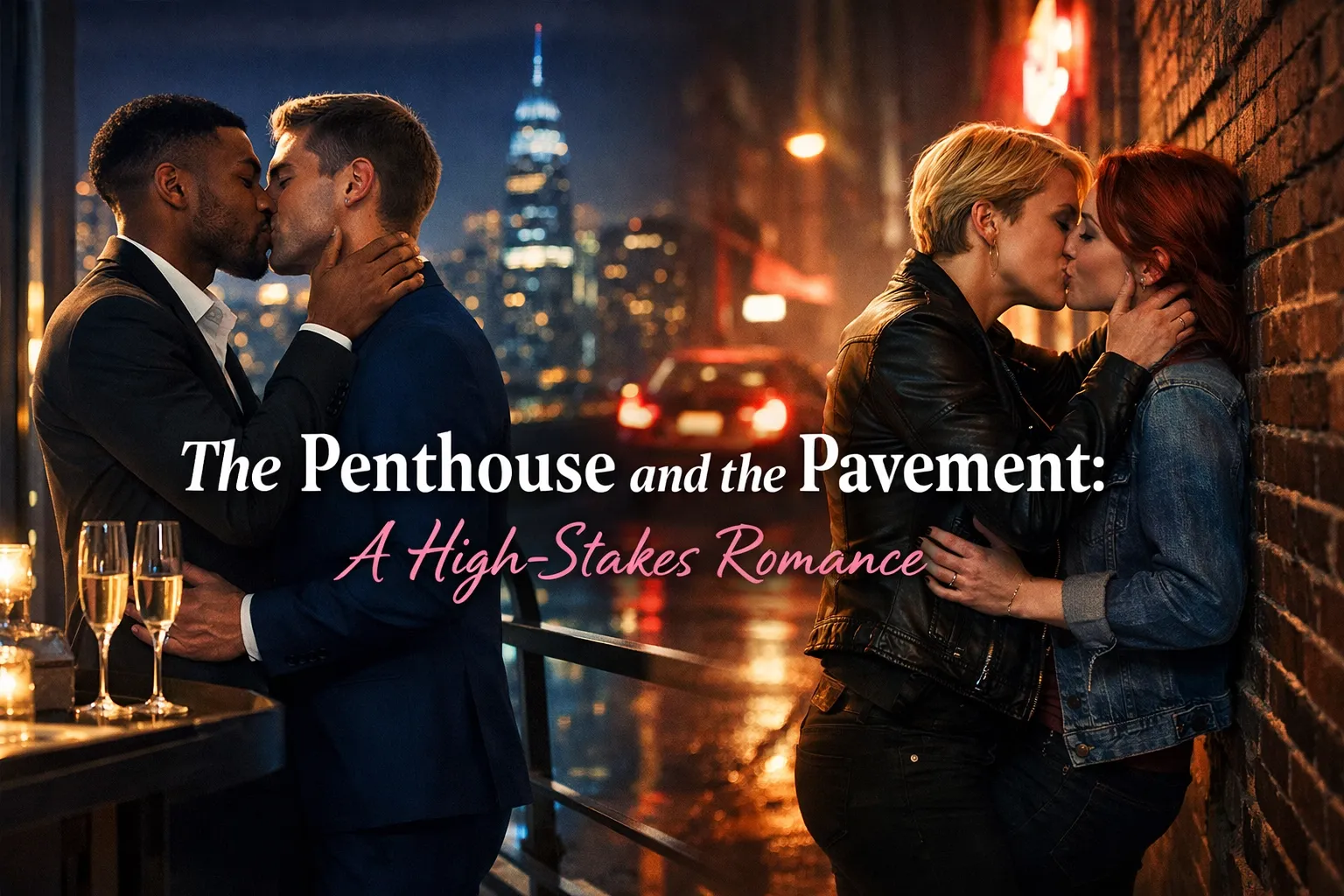
Welcome to the world where penthouse suites meet pavement dreams, where designer suits brush against worn denim, and where love refuses to be limited by a bank account balance.
Why We're Obsessed with Class Divide Romance
Let's be real: there's a reason the rich-meets-poor trope never gets old in gay romance novels. It's the ultimate fish-out-of-water scenario multiplied by the tension of economic disparity. When you throw in the complexities of queer identity, navigating societal expectations, and the vulnerability required to bridge vastly different life experiences, you've got a recipe for swoon-worthy storytelling.
The appeal runs deeper than surface-level drama. These stories tap into something fundamental, the idea that love can transcend the artificial barriers society constructs. In a world that already tells LGBTQ+ individuals they're "less than," watching characters overcome economic inequality to find genuine connection feels especially powerful.

The Anatomy of a Perfect Rich & Poor MM Romance
The best MM romance books in this trope don't just rely on the class difference as a plot device, they use it to explore character depth, challenge assumptions, and create authentic emotional stakes. Here's what makes these stories work:
The Initial Clash: Whether it's a billionaire CEO who mistakes a struggling artist for a waiter, or a trust-fund heir who literally crashes into a blue-collar worker on the subway, that first meeting sets the tone. The friction isn't just sexual tension (though that helps), it's the clash of worldviews, assumptions, and lived experiences.
Authentic Obstacles: The wealth gap creates real problems. It's not just about fancy restaurants versus food trucks. It's about one character never having to worry about healthcare while the other rations insulin. It's about family expectations, power imbalances in the relationship, and the very real fear of being someone's charitable project rather than an equal partner.
Growth on Both Sides: The wealthy character needs to check their privilege and understand how their background has shaped their perspective. The working-class character needs to recognize that having money doesn't automatically make someone shallow or unworthy of love. Real transformation happens when both characters evolve.
Modern Settings: Where Champagne Meets Corner Coffee
Contemporary MM romance thrives on urban settings where these disparities are stark and visible. Picture this: a hotshot corporate lawyer living in a minimalist penthouse overlooking the city, whose carefully controlled life collides with a tattooed mechanic fixing his luxury car. Or a tech billionaire who accidentally matches with a schoolteacher on a dating app and decides to keep his wealth a secret.
The modern workplace provides endless opportunities for these dynamics. The CEO and the mail-room clerk. The celebrity and the bodyguard. The venture capitalist and the nonprofit worker. Each scenario brings its own power dynamics, ethical considerations, and swoon-worthy potential.

What makes contemporary settings particularly compelling is how they mirror real-world inequality. When one character is ordering from a private menu while the other is counting coins for the bus, readers feel the weight of that disparity. The best gay romance books don't shy away from these uncomfortable truths, they use them to create meaningful tension and eventual understanding.
Historical Rich & Poor Romance: Class Warfare with Corsets
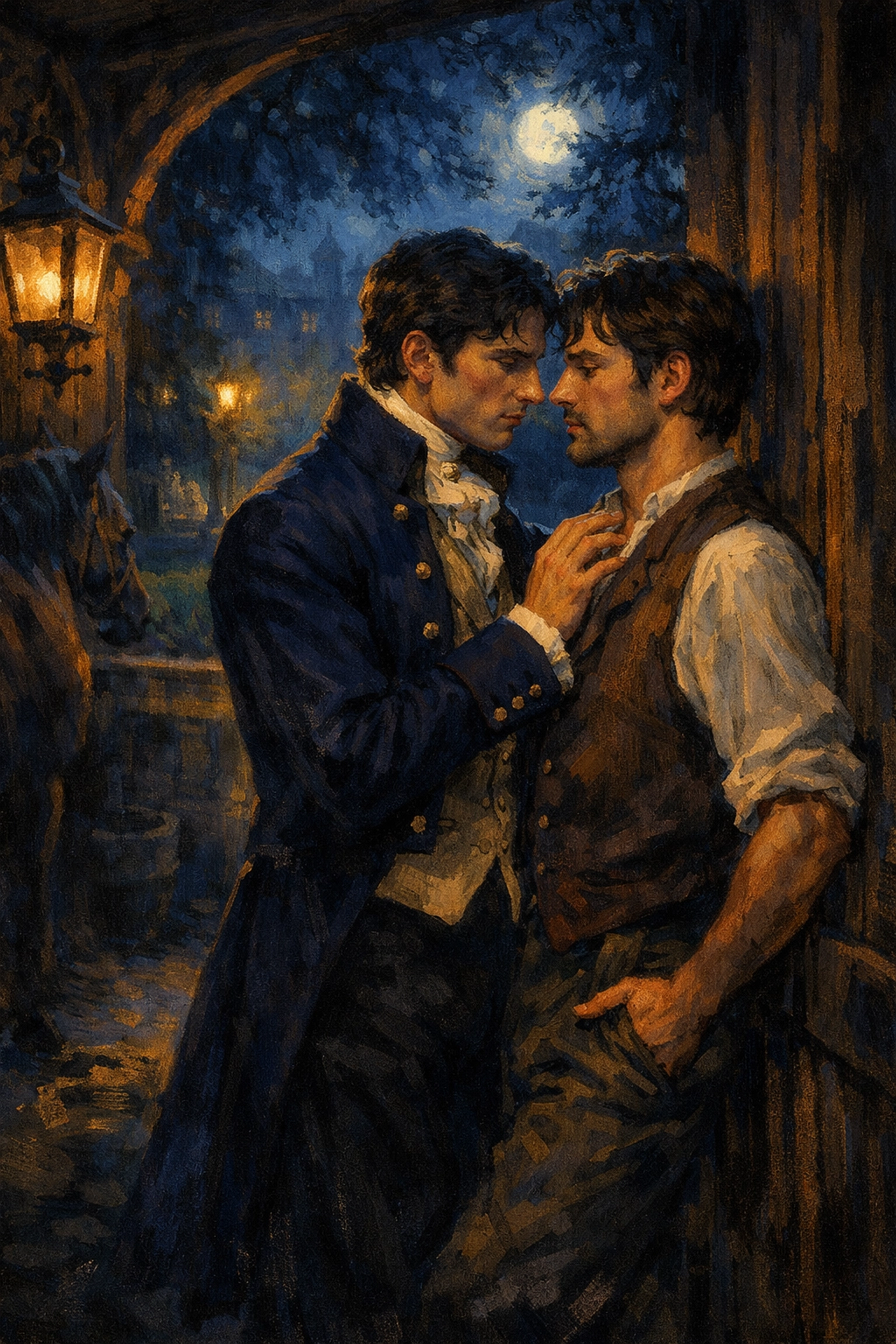
Take these dynamics back a century or two, and you've got an entirely different flavor of forbidden love. Historical MM romance in the rich-poor vein often involves lords and stable boys, aristocrats and artists, wealthy merchants and sailors. The stakes are different, and often higher.
In historical settings, the class divide wasn't just about money; it was about rigid social hierarchies that determined your entire existence. A relationship between men from different classes wasn't just scandalous because it was queer, it threatened the very foundations of social order. This creates delicious tension and raises the stakes exponentially.
Consider a Regency-era romance where a duke falls for his impoverished secretary, knowing that discovery could mean ruin for both of them. Or a Jazz Age story where a wealthy heir sneaks away from high society parties to visit a speakeasy pianist living in a tenement. These settings allow authors to explore how economic and sexual marginalization intersect.
The Power Imbalance Tightrope
Here's where MM romance books in this trope need to tread carefully: power imbalances are sexy in fiction but problematic if not handled thoughtfully. The best authors acknowledge and address this head-on.
A billionaire who "rescues" his love interest by throwing money at their problems? That's not romance, that's a savior complex. But a wealthy character who respects boundaries, recognizes their privilege, and works to create genuine equality in the relationship? Now we're talking.
The key is agency. Both characters need to make active choices, challenge each other, and grow together. The working-class character shouldn't lose their identity or independence. The wealthy character shouldn't use their resources to control or obligate. When done right, these stories show that true partnership requires emotional vulnerability, not financial transactions.
Subverting Expectations
The most interesting stories in this trope flip the script in unexpected ways. What if the "poor" character is actually rich in ways that matter, community, creativity, emotional intelligence? What if the wealthy character is desperately lonely, trapped by expectations, and secretly envious of the other's freedom?
Some MM romance authors explore the working-class character teaching the rich one about pleasure, spontaneity, or genuine human connection. Others focus on the wealthy character opening doors (without being patronizing) and helping their partner achieve dreams that have nothing to do with money.
The best gay fiction in this category recognizes that wealth inequality is complex. Maybe the rich character grew up poor and carries trauma from that experience. Maybe the working-class character chose a lower-paying career because it aligned with their values. These nuances create richer, more authentic storytelling.
Why This Trope Resonates in LGBTQ+ Fiction
For queer readers, the rich-poor dynamic carries additional weight. Many LGBTQ+ individuals have experienced financial insecurity due to discrimination, family rejection, or employment challenges. Seeing characters navigate these realities while finding love and acceptance creates powerful emotional resonance.
Moreover, the queer community has always existed across class lines, creating unique intersections of identity and experience. A story about a wealthy closeted businessman and an out-and-proud bartender isn't just about money, it's about visibility, courage, and different paths through queer identity.
These narratives also challenge the stereotype that all LGBTQ+ relationships must look a certain way or exist within particular communities. Love crosses boundaries, economic, social, cultural, and MM romance celebrates that beautifully.
Finding Your Next High-Stakes Romance
Whether you're drawn to contemporary billionaire romance, historical forbidden love, or something completely different, the rich-poor trope in gay romance books offers endless variety. Look for stories that balance the fantasy elements (yes, we all love a protective billionaire) with authentic emotional stakes and character growth.
The penthouse and the pavement don't have to remain separate worlds. In the best MM romance, they collide, merge, and create something entirely new: a shared space where love matters more than square footage, and connection counts more than currency.
At Read with Pride, we celebrate stories that challenge boundaries, explore complex dynamics, and prove that love recognizes no barriers: economic or otherwise. Because whether you're reading about suits and sneakers, champagne and coffee, or penthouses and pavement, the heart of every great romance is the same: two people brave enough to reach across the divide and choose each other.
Follow us for more MM romance recommendations and LGBTQ+ fiction insights:
- Facebook: Read With Pride
- Website: readwithpride.com
- Twitter: @Read_With_Pride
- Instagram: @read.withpride
#MMRomance #GayRomance #ReadWithPride #LGBTQBooks #RichAndPoorTrope #QueerFiction #GayFiction #MMRomanceBooks #GayRomanceBooks #LGBTQRomance #QueerLoveStories #MMContemporary #GayBillionaireRomance #ClassDivideRomance #LGBTQReads #PrideReading #MMHistoricalRomance #GayLoveStories #2026MMRomance #QueerReads

Leave a Reply
You must be logged in to post a comment.