

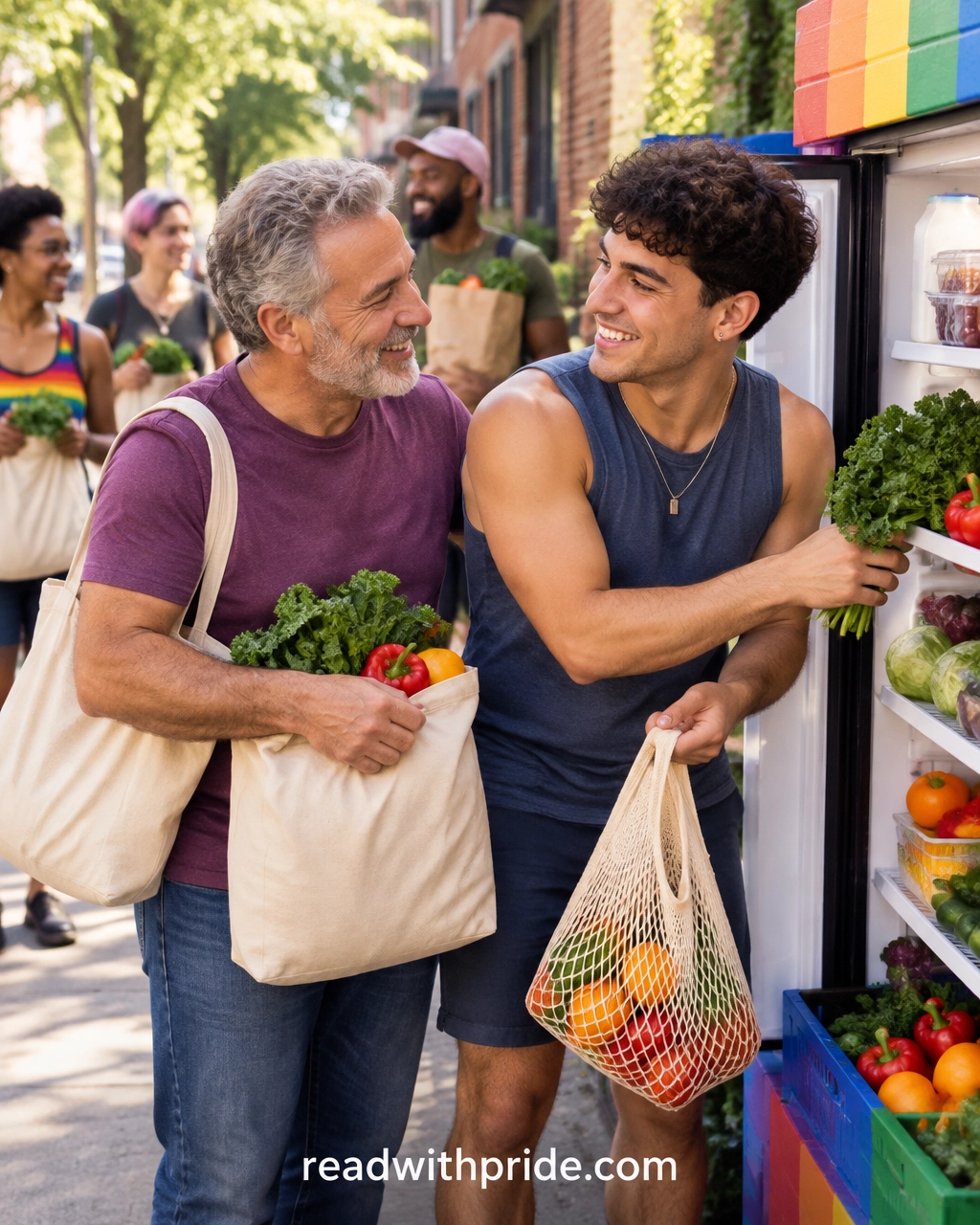
There is something beautifully practical about a community fridge. You bring a bag of vegetables, someone else brings oat milk, and suddenly a previously ordinary street corner becomes a tiny, functioning example of chosen family.
Running or stocking a community fridge is one of those queer hobbies that quickly becomes community building. It is hands-on, useful, and gloriously free from the pressure to be good at small talk. You can label soup, arrange tins, or carry groceries while slowly finding your people.
And yes, there will be paperwork. But there will also be snacks, group-chat chaos, and the deep satisfaction of making sure someone gets dinner.
Start with a host, not a heroic solo mission
First, find a trusted host: a community centre, LGBTQ+ organisation, café, faith group, social club, or supportive local business. You need a visible, accessible place with reliable electricity, shelter from harsh weather, and enough room for people to use the fridge safely.
Speak to the property owner or landlord before bringing in equipment. Get permission in writing and agree who will cover electricity, cleaning, repairs, insurance, and opening hours.
You may also need to contact your local council or environmental health department about permits, food-business registration, zoning, and public liability insurance. Requirements vary by location, so check before launch. Hubbub’s community fridge guidance is a useful starting point for UK projects.

Keep the setup welcoming and wonderfully obvious
You do not need a designer pantry worthy of a lifestyle magazine. You need:
- A clean, working fridge with a visible thermometer
- Stable shelving for sealed dry goods
- Separate areas for food, toiletries, and cleaning supplies
- Clear signs explaining what people can take and donate
- Labels, marker pens, tape, gloves, and cleaning supplies
- A small information board with contact details and volunteer guidance
Make the space accessible to wheelchair users and easy to navigate. Keep heavy items low, leave clear pathways, and avoid creating a display that requires people to perform a treasure hunt while hungry.
Food safety: simple rules, clearly shared
Food safety is care in practical clothing. Post your rules in plain language and, where possible, in the main languages used locally.
Common guidance includes accepting sealed packaged food, firm fresh produce, and in-date chilled goods. Avoid raw meat and fish, alcohol, spoiled items, and unsealed leftovers. Prepared food should be sealed and labelled with its name, preparation date, and allergens.
Keep the fridge at about 4°C or below, check the temperature regularly, and remove anything spoiled or unsafe. Follow your local authority’s advice, especially around use-by dates and donated homemade food.

Build a rota that does not rely on one exhausted angel
A small core team of three to five people can share responsibility for:
- Fridge checks and cleaning
- Food pickups and restocking
- Donor and host relationships
- Social media and community outreach
- Fundraising and supplies
Use a shared calendar or spreadsheet for shifts. Create a Signal or WhatsApp group for quick updates: “Can anyone cover the 6pm check?” is much easier to solve when everyone knows where to ask.
Keep each shift simple: check the temperature, remove spoiled food, wipe surfaces, rotate older items forward, tidy shelves, and post a quick update. That is the whole spell.

Why it feels like queer joy
Mutual aid is not charity theatre. It is neighbours saying, “You deserve to eat,” without demanding a personal history first.
For queer people, that can feel especially powerful. Many of us have learned to build family intentionally through friendships, chosen names, shared meals, coming out stories, and the people who show up when biological relatives do not. A community fridge turns that knowledge into something visible.
It is also the perfect setting for conversations about mm romance tropes: enemies-to-lovers while sorting tins, forced proximity beside the freezer, slow burn during a three-hour cleaning shift. Honestly, some of the best queer love stories begin with someone remembering to buy bin bags.
Whether you are searching for LGBTQ+ fiction 2026, a planning note labelled C Section 2026, gay fiction, or LGBTQ+ novels, community care belongs in the same world as stories: both remind us that nobody thrives alone.
Ready to find more ways to connect? Visit Read with Pride, explore MM romance books and gay romance novels, then join or start a queer book club. Follow Read with Pride on Facebook and Instagram for more queer hobbies, LGBTQ+ reading, and queer love stories.
#ReadWithPride #QueerHobbies #MutualAid #CommunityFridge #CommunityBuilding #MMRomanceBooks #GayRomanceNovels #QueerBookClub #LGBTQFiction2026

Leave a Reply
You must be logged in to post a comment.