

readwithpride.com
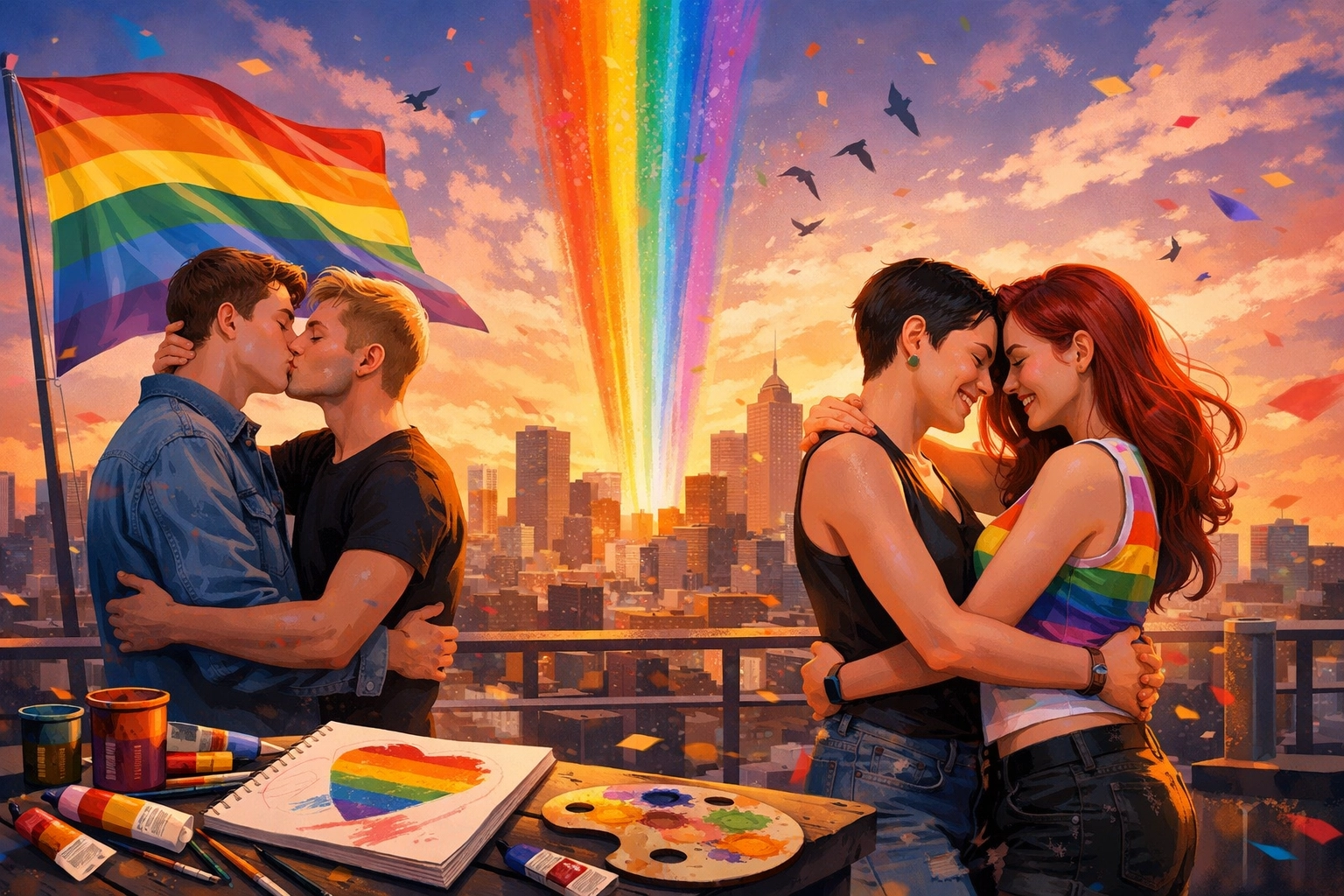
Coming out is rarely a one-and-done event. It’s a series of doors we open, sometimes tentatively and sometimes with a literal kick to the frame. But when we talk about coming out publicly: especially for those of us who live and breathe in creative spaces: it’s not just about identity. It’s about the fuel that drives our work. Whether you are writing the next viral MM romance, painting abstract landscapes, or crafting gay fiction that challenges the status quo, the act of stepping into the light changes the brushstrokes, the prose, and the very soul of the art.
In 2026, the landscape of LGBTQ+ fiction and creative expression has never been more vibrant. Yet, the question remains: why does "going public" seem to unlock a new level of genius? At Read with Pride, we see it every day in the manuscripts that cross our desks. When an author stops hiding, the stories stop being "safe" and start being real.
The Creative Cost of the Closet
Let’s be real for a second: the closet is a dusty, cramped place where creativity goes to die. Research has shown that stifled self-expression has cumulative negative effects on health and psychological well-being. There’s a famous study involving HIV-positive men that found those who hid their sexual identity progressed to illness 20–40% faster than those who were openly out.
If the body suffers that much from hiding, imagine what happens to the imagination. When you’re constantly self-censoring: worrying if a character’s longing is "too gay" or if a certain metaphor reveals too much about your own life: you’re using up mental bandwidth that should be going into your craft. Coming out publicly isn't just a social liberation; it’s a massive software update for your brain. It clears out the "shame" background processes, leaving more room for the heavy lifting of writing MM romance books and building queer worlds.

Transforming the Narrative: From "What If" to "What Is"
Before coming out publicly, many artists work in the realm of "coded" language. We see this in the history of gay literature, where subtext was the only way to survive. But in 2026, we’ve moved beyond the need for codes. When an artist comes out, their work often shifts from defensive to offensive: not in an aggressive way, but in a bold, proactive way.
The "Authenticity Boost" in MM Romance
In the world of MM romance books, authenticity is the gold standard. Readers can tell when an author is holding back. When a writer comes out publicly, they often find they can finally lean into the nuances of the "gay experience" that they previously avoided.
Think about the classic tropes:
- Enemies to Lovers MM Romance: This trope gains a whole new layer of depth when the "enemy" represents the internalised homophobia the author has finally conquered.
- Slow Burn: The tension feels more visceral because the author is tapping into the real-life experience of navigating queer spaces and the high stakes of early attraction.
- Forced Proximity: It’s no longer just a plot device; it becomes an exploration of the vulnerability that comes with being "seen" by another person when you’ve spent years trying to stay invisible.
Explore our latest MM contemporary releases to see this authenticity in action.
Public Coming Out: Different Ways, Different Spaces
Coming out publicly in 2026 isn't just a press release. It happens in the comments section, in "Get Ready With Me" videos, and in the "About the Author" pages of popular gay books.
- The Artistic Manifesto: Many creators use their work as their coming out. A photographer might release a series of self-portraits that challenge gender norms, or a writer might publish a memoir that serves as their public declaration.
- The Social Media Ripple: Platforms like Instagram and X (Twitter) have turned coming out into a community event. This immediate feedback loop provides a "holding space" that research suggests is vital for identity development.
- The Professional Pivot: For some, it’s about changing how they are marketed. They move from the general "fiction" shelf to the LGBTQ+ fiction section with pride, realizing that their niche is actually their greatest strength.

How Public Truth Fuels the 2026 Creative Boom
We are currently witnessing a golden age of queer fiction. Why? Because more creators are realizing that their "gay life and reality" is not a hindrance to their career, but the very thing that makes them unique.
Identity Exploration Through "Trying On"
Creative expression allows people to "try on" identities before they fully commit to them in the public eye. Art therapy has long used this concept to help LGBT individuals find emotional safety. For a writer, creating a character who is out and proud is often the final rehearsal before they do it themselves. Once they are out, that character-building isn't a rehearsal anymore: it’s a reflection. This makes for gay novels that feel lived-in and breathing.
Finding the Community
Creativity is rarely a solo sport. When you come out publicly, you find your tribe. At Readwithpride.com, we’ve seen authors who were struggling in isolation suddenly flourish once they joined a gay book club or connected with other MM authors. This community support acts as a safety net, allowing for riskier, more experimental art.
The Reality Check: It’s Not All Sunshine and Rainbows
While we love to celebrate the creative "glow-up" that follows coming out, we have to acknowledge the reality. Public coming out can be scary. There is the risk of backlash, the fear of losing family, or the worry that you’ll be "pigeonholed."
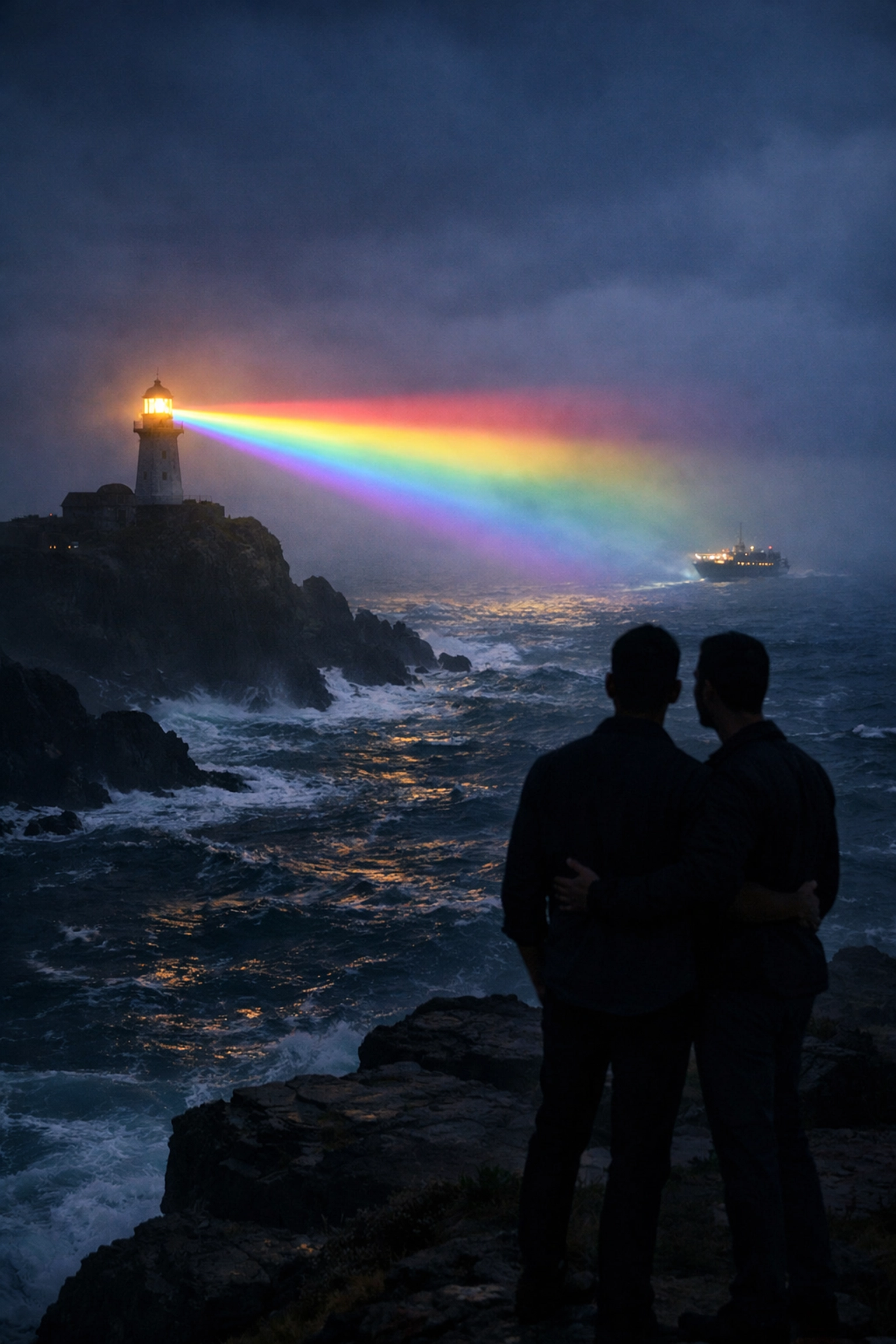
However, the "artistic truth" is that the most enduring work always comes from a place of honesty. Gay romance novels that top the charts in 2026 aren't the ones trying to please everyone; they’re the ones that speak a specific, raw truth to a specific audience. The "pigeonhole" is actually a lighthouse for the people who need your work the most.
Practical Tips for the Creative Coming Out
If you’re a creator sitting on the fence, wondering if your art will survive your honesty, here’s some advice from the team at Read with Pride:
- Let the Work Speak First: If you’re not ready for a big announcement, let your art do the talking. Write that steamy MM romance, paint that pride-inspired mural. Sometimes the art paves the way for the artist.
- Find Your Platform: Whether it’s Facebook or a private blog, choose a space where you feel safe and supported.
- Embrace the Trope: Don’t be afraid of "gay clichés." Reclaiming them and making them your own is a powerful creative act. Whether it’s gay historical romance or a gay spy romance, your unique perspective will make it fresh.
- Check the Resources: If you’re looking for inspiration, check out our FAQ or browse the best MM romance books of 2026 to see how others are living their truths.
Conclusion: The New Renaissance
The connection between coming out and creativity is a feedback loop. Creative expression helps us find the courage to come out, and coming out gives our creativity the wings it needs to fly. As we look at the new gay releases for the rest of 2026, we see a world that is less interested in "fitting in" and more interested in "standing out."
Your truth is your most powerful creative tool. Don’t leave it in the closet. The world: and the gay book club: is waiting for your story.
Ready to dive into a world of authentic stories? Visit Readwithpride.com for the best in MM romance, queer fiction, and more.
#ReadWithPride #LGBTQBooks #MMRomance #GayFiction #ComingOut #QueerCreativity #GayRomanceNovels #2026Books #MMAuthors #GayLoveStories

Leave a Reply
You must be logged in to post a comment.