

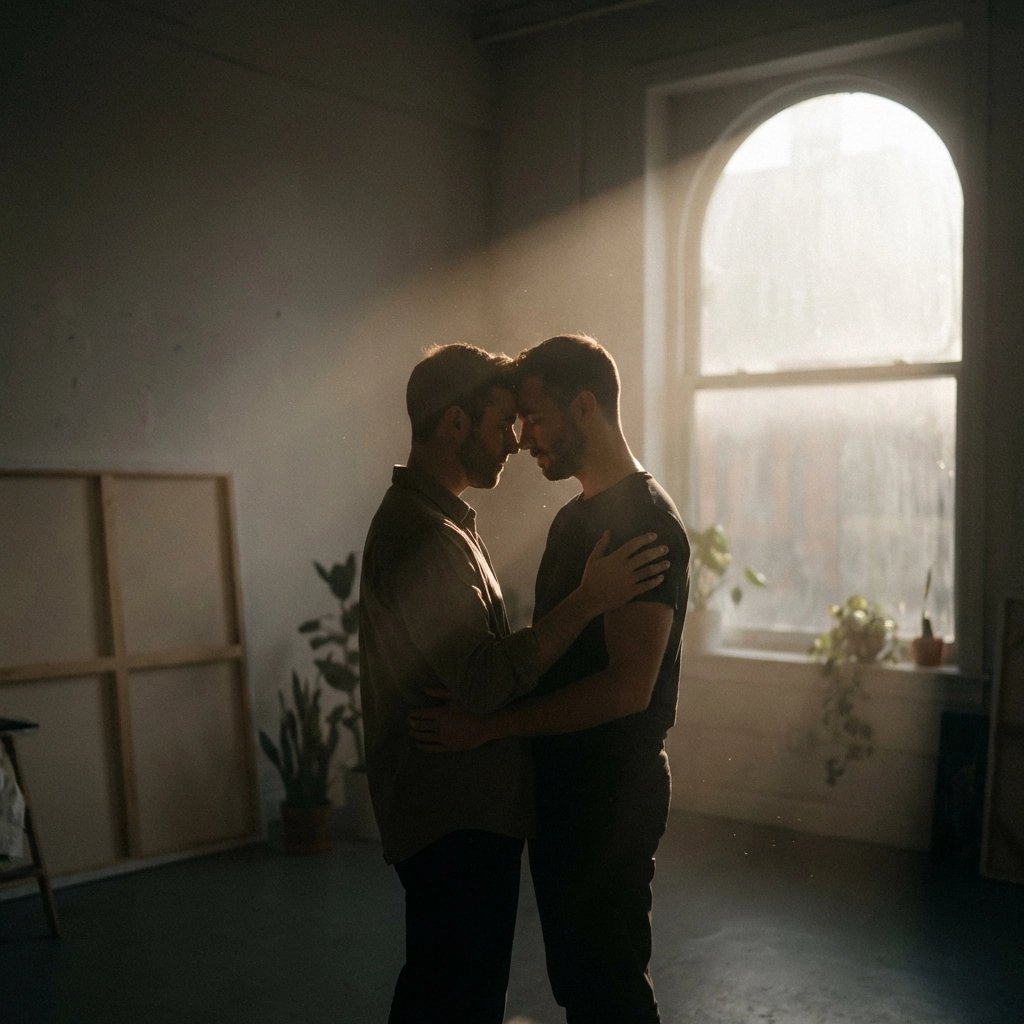
readwithpride.com
Let’s be real for a second: there is a massive difference between a random bathroom selfie and a piece of fine art that makes you stop scrolling and actually breathe. When it comes to gay nude photography, that difference usually comes down to one thing: lighting.
At Read with Pride, we spend a lot of time talking about the power of words in MM romance books and gay fiction, but the visual side of our culture is just as vital. Whether it’s the cover of the latest gay romance novels or a high-end gallery exhibition in a London museum, the way light hits a muscle or hides a curve tells a story all on its own. It’s the difference between "here is a body" and "here is a masterpiece."
In 2026, we’re seeing a huge resurgence in the appreciation of the male form as high art. From university lecture halls to the most exclusive exhibitions, the focus is shifting back to the technical mastery of light and shadow. So, let’s dive into the "how" behind those breathtaking shots that celebrate the naked gay body.
The Drama of Low-Key Lighting
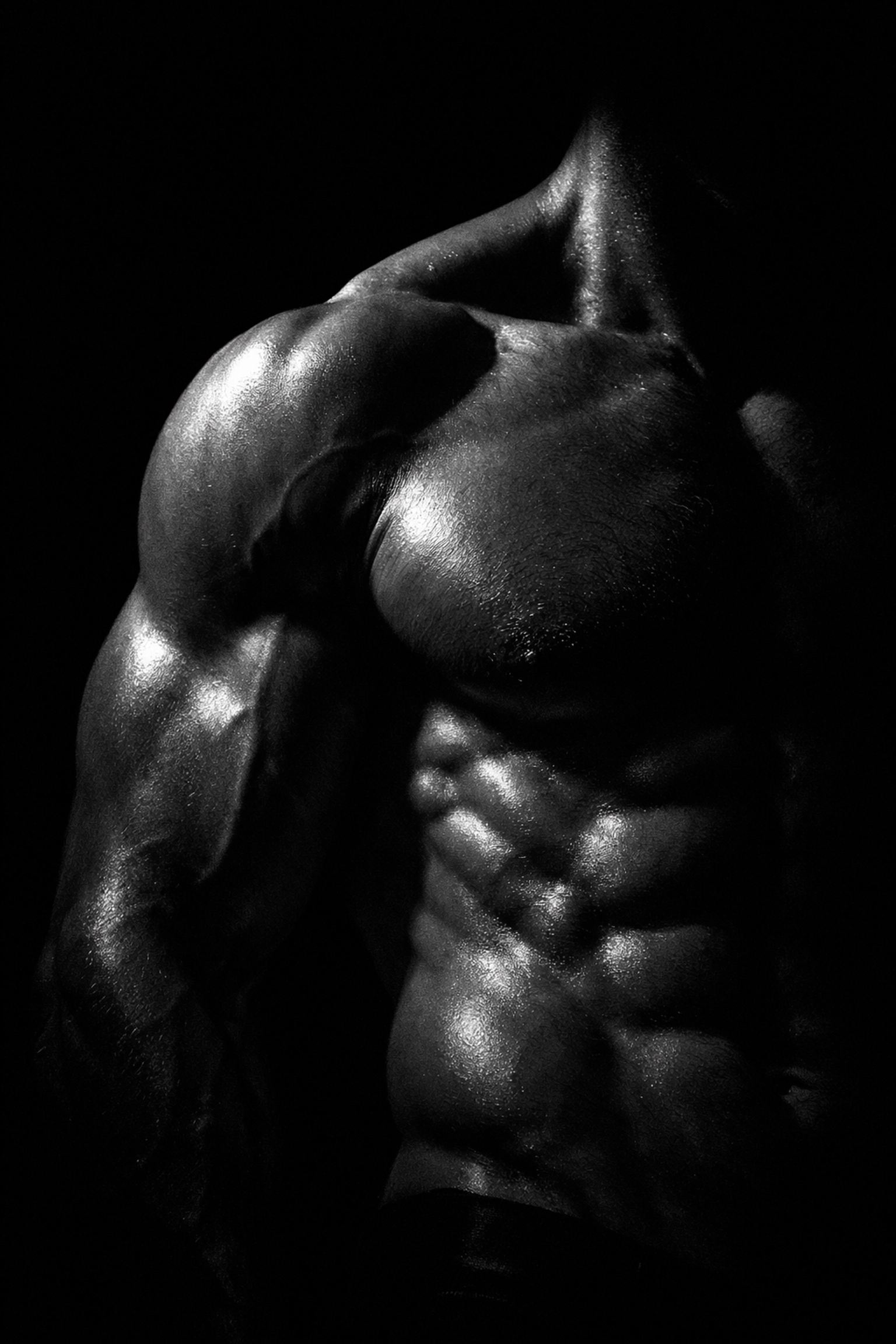
If you’ve ever looked at a steamy MM romance cover and wondered why the hero looks like he was carved out of marble, you’re looking at low-key lighting. This technique is the bread and butter of masculine nude photography.
Low-key lighting uses a high contrast between the brightest parts of the image and the darkest shadows. By keeping the background dark and using a single, directed light source, photographers can "sculpt" the body. This is where those abdominal muscles and the definition of a shoulder really start to pop. It creates an "edge" that defines the silhouette, separating the skin from the darkness. It’s moody, it’s intense, and it’s arguably the most popular style in gay literature imagery because it feels both private and powerful.
The "One Light" Wonder
You don’t need a million-dollar studio to create something iconic. In fact, some of the most famous gay nude art was created using a single light source. By placing one light to the side of the model (side-lighting), you create a "split" effect. One side of the body is illuminated in glorious detail, while the other fades into mystery.
This technique is a favorite for gay psychological thrillers or gay spy romance aesthetics. It suggests that there’s more to the person than meets the eye. It highlights the texture of the skin: every goosebump, every stray hair: making the viewer feel like they could almost reach out and touch the frame.
The Science of the Face: Rembrandt and Loop Lighting
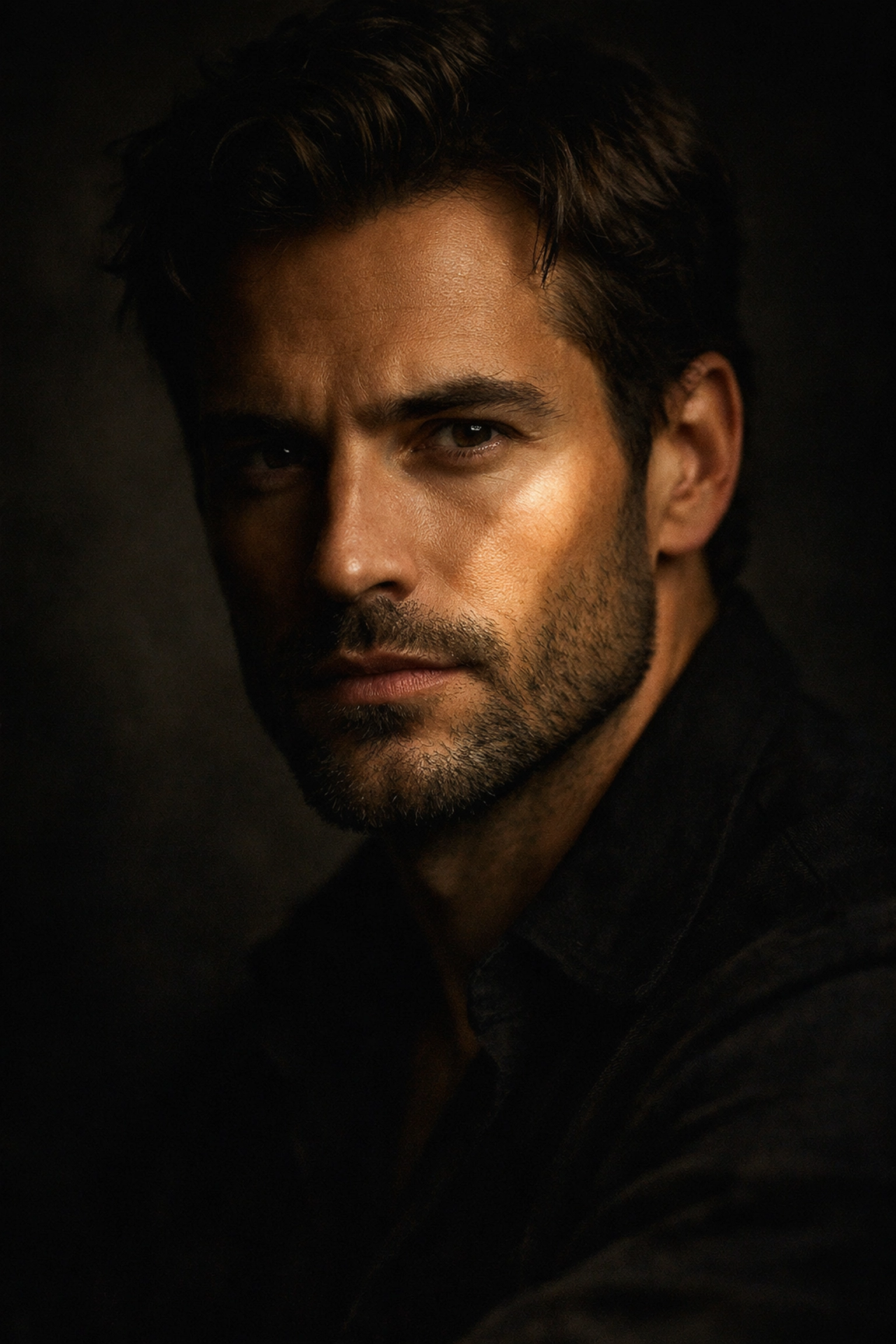
Photography isn't just about the torso (though we certainly aren't complaining about those). The face is where the emotion of the piece lives. Two classic techniques from the world of portraiture are frequently used in nude art to add a level of sophistication that elevates the work to museum quality.
- Rembrandt Lighting: Named after the Dutch master, this creates a small, inverted triangle of light on the shadowed side of the face. It adds a sense of "old world" drama. When applied to a full-body nude, it gives the model a thoughtful, almost heroic quality. It’s the perfect look for gay historical romance covers where you want that timeless, regal vibe.
- Loop Lighting: This is a bit more subtle. It creates a small shadow of the subject’s nose on their cheek. It’s incredibly flattering and helps to define the jawline: and let’s be honest, who doesn't love a sharp jawline?
High-Key Lighting: The Soft and Vulnerable Side
While low-key is all about the shadows, high-key lighting is about the light. Think bright backgrounds, soft shadows, and an overall airy feel. This style is often used to convey vulnerability, innocence, or the "boy next door" aesthetic.
In the world of MM contemporary stories and heartfelt gay fiction, high-key photography captures the intimacy of a morning shared between lovers. It doesn’t try to hide anything in the shadows. Instead, it celebrates the body in its most natural, honest state. It’s less about "strength" and more about "connection."
Using "Gobos" and Textures
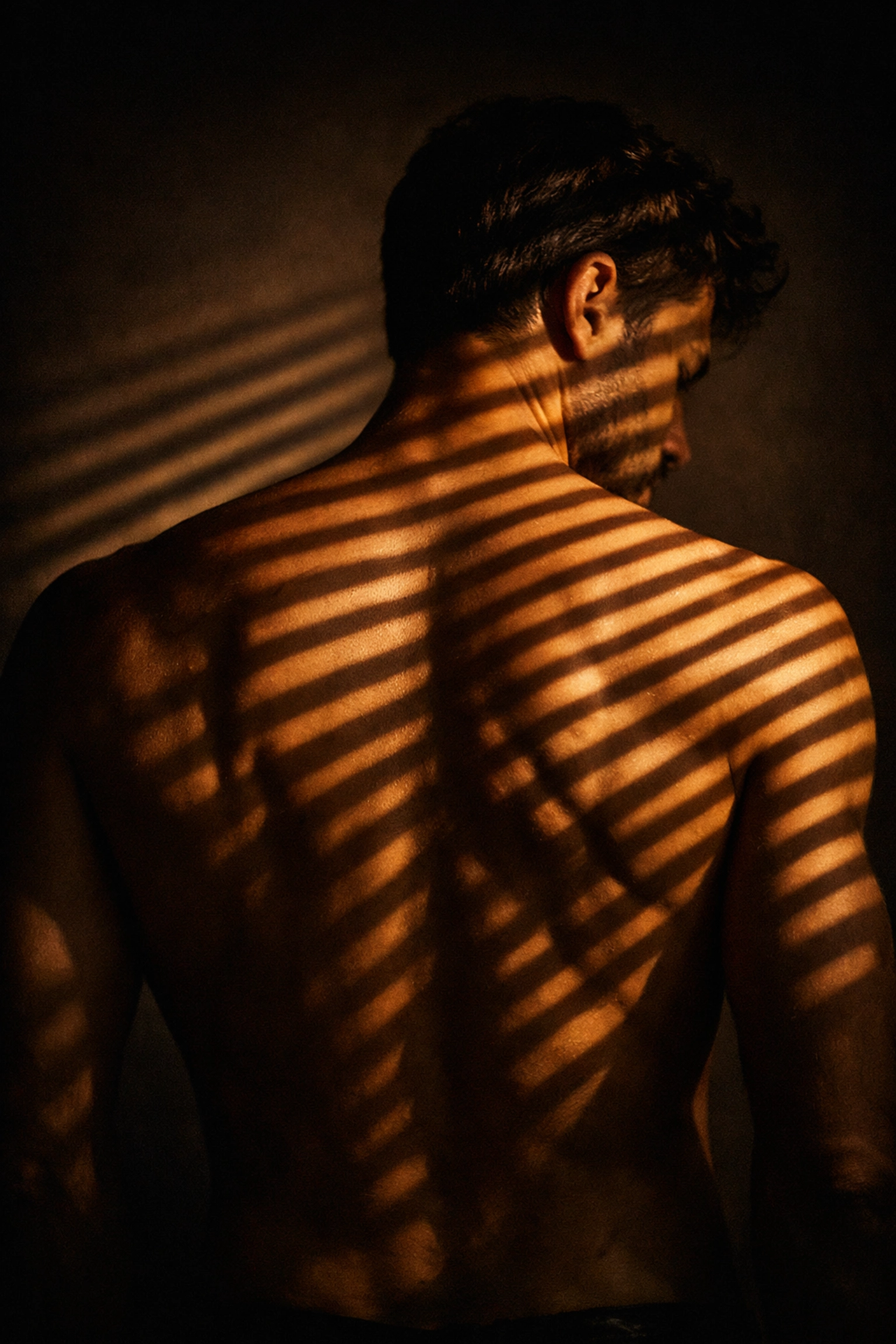
Want to add a little mystery? Enter the "gobo." A gobo (short for "go between") is basically a stencil or an object placed between the light and the model to cast a specific shadow.
Imagine the shadow of Venetian blinds across a man’s back, or the dappled light of leaves in a forest. This technique adds a layer of storytelling. It makes the viewer wonder: Where is he? Who is watching? It’s a classic trope in gay adventure romance and gay fantasy romance, where the environment is just as important as the person in it.
The 2026 Trend: Colored Gels and Neon Vibes
As we move through 2026, we’re seeing a lot more experimentation with color. Using colored gels over lights can completely transform the mood of a nude shoot. Deep blues and purples can create a "noir" or "cyberpunk" feel, perfect for gay thriller themes. Warm oranges and reds, on the other hand, evoke a sense of heat and passion.
This isn't just about being "flashy." It’s about using color theory to trigger an emotional response. A body bathed in red light feels very different from one in cool moonlight. It’s the visual equivalent of a steamy MM romance plot point: it sets the temperature.
Natural Light: The Golden Hour
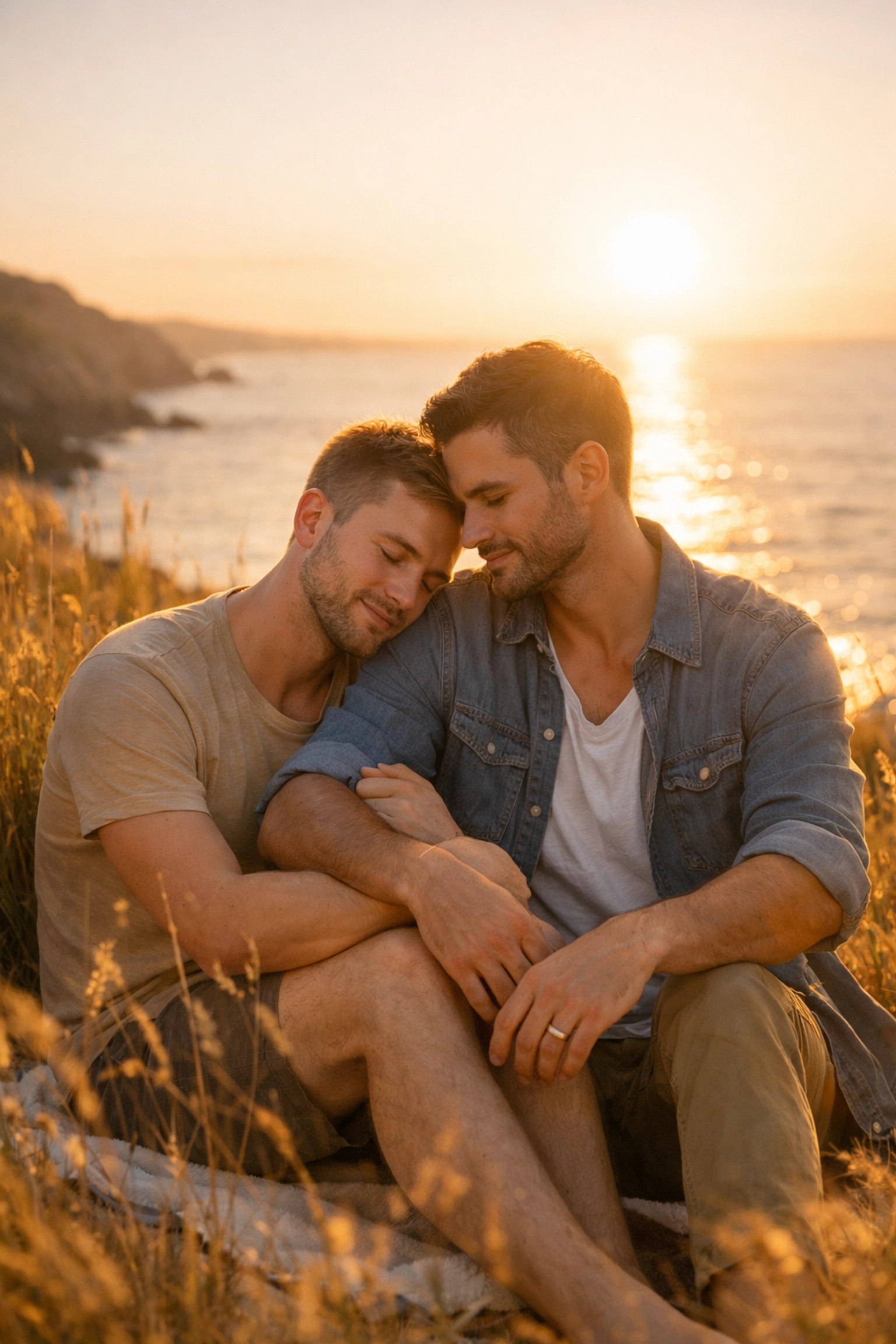
There is nothing quite like the "Golden Hour": that short window of time just after sunrise or before sunset when the sun is low in the sky. The light is warm, soft, and incredibly flattering to skin tones.
Many queer photographers are moving away from the studio and back into nature. Nudism in art has a long history of connecting the human form with the natural world. Whether it’s an exhibition in a city museum or a photo series in a gay book club newsletter, natural light photos feel authentic and grounded. They remind us that the gay body is a part of nature, beautiful and unashamed.
Why Art Matters to the Community
At Readwithpride.com, we believe that seeing ourselves reflected in art: whether through words or photos: is a radical act of self-love. For too long, gay bodies were either hyper-sexualized in "underground" magazines or completely erased from mainstream galleries.
Today, seeing a beautifully lit nude male body in a university exhibition or on the cover of popular gay books is a sign of how far we’ve come. It’s about taking up space. It’s about saying that our bodies are worthy of being studied, lit, and celebrated as fine art.
If you’re looking to dive deeper into the world of queer stories and the art that inspires them, check out our blog-category-sitemap or browse our collection of MM romance books. We are constantly updating our library with the best MM romance and top LGBTQ+ books of 2026.
Final Thoughts
Lighting isn't just a technical requirement; it’s the soul of photography. It can turn a simple pose into a story of longing, strength, or peace. The next time you see a stunning photo or a compelling book cover, take a second to look at where the light is coming from. Notice the shadows. Notice how it makes you feel.
Because in the end, that’s what art is all about.
Don't forget to follow us on our socials to stay updated on the latest new gay releases and community art spotlights:
And if you have questions about our upcoming publications or want to see more about our ebook authors, feel free to ask us anything.
Stay proud, stay inspired, and keep reading.
#ReadWithPride #GayArt #MaleNudePhotography #MMRomance #LGBTQBooks #GayFiction2026 #FineArtPhotography #QueerCulture #GayLiterature #PhotographyTips

Leave a Reply
You must be logged in to post a comment.