

readwithpride.com
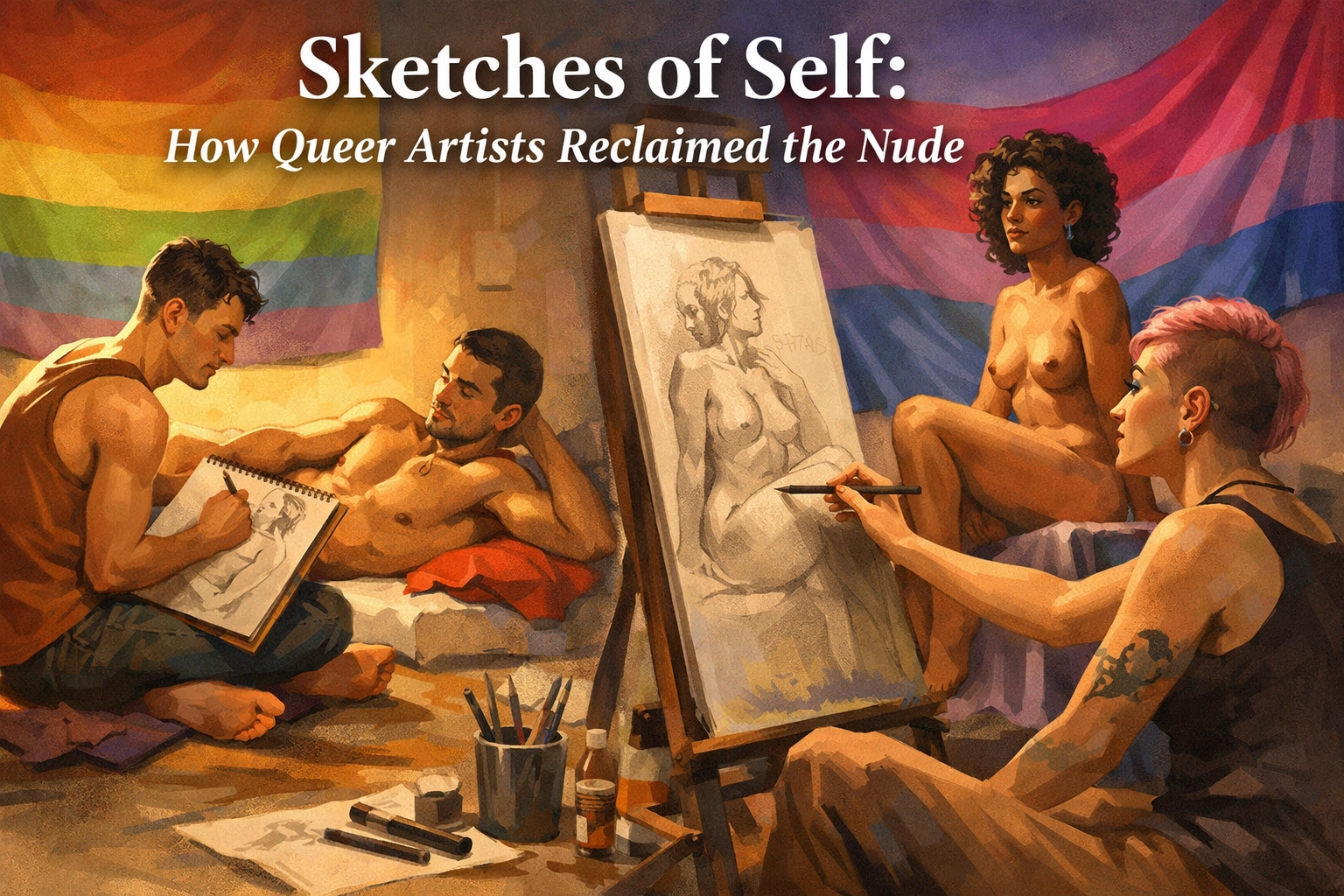
Let’s be real for a second: if you’ve ever walked through a major art museum, you’ve seen a lot of naked bodies. But for a long time, those bodies followed a very specific script. They were usually white, usually idealized, and almost always viewed through a very traditional, heteronormative lens. For the queer community, our bodies were often either ignored entirely or treated as something shameful to be hidden away in the "forbidden" sections of the archives.
But things have changed. From the quiet stroke of a charcoal pencil in a university studio to massive, defiant exhibitions in global galleries, queer artists have been doing the work to reclaim the nude. It’s not just about skin; it’s about visibility, agency, and the radical act of saying, "This is me, and I am art."
At Read with Pride, we celebrate all forms of queer expression, whether it’s in the pages of the latest MM romance books or the sketches found in a local gallery. Today, we’re diving into the history and the heart of how queer artists have used the nude to tell our stories.
From Object to Subject: The Power of the Sketch
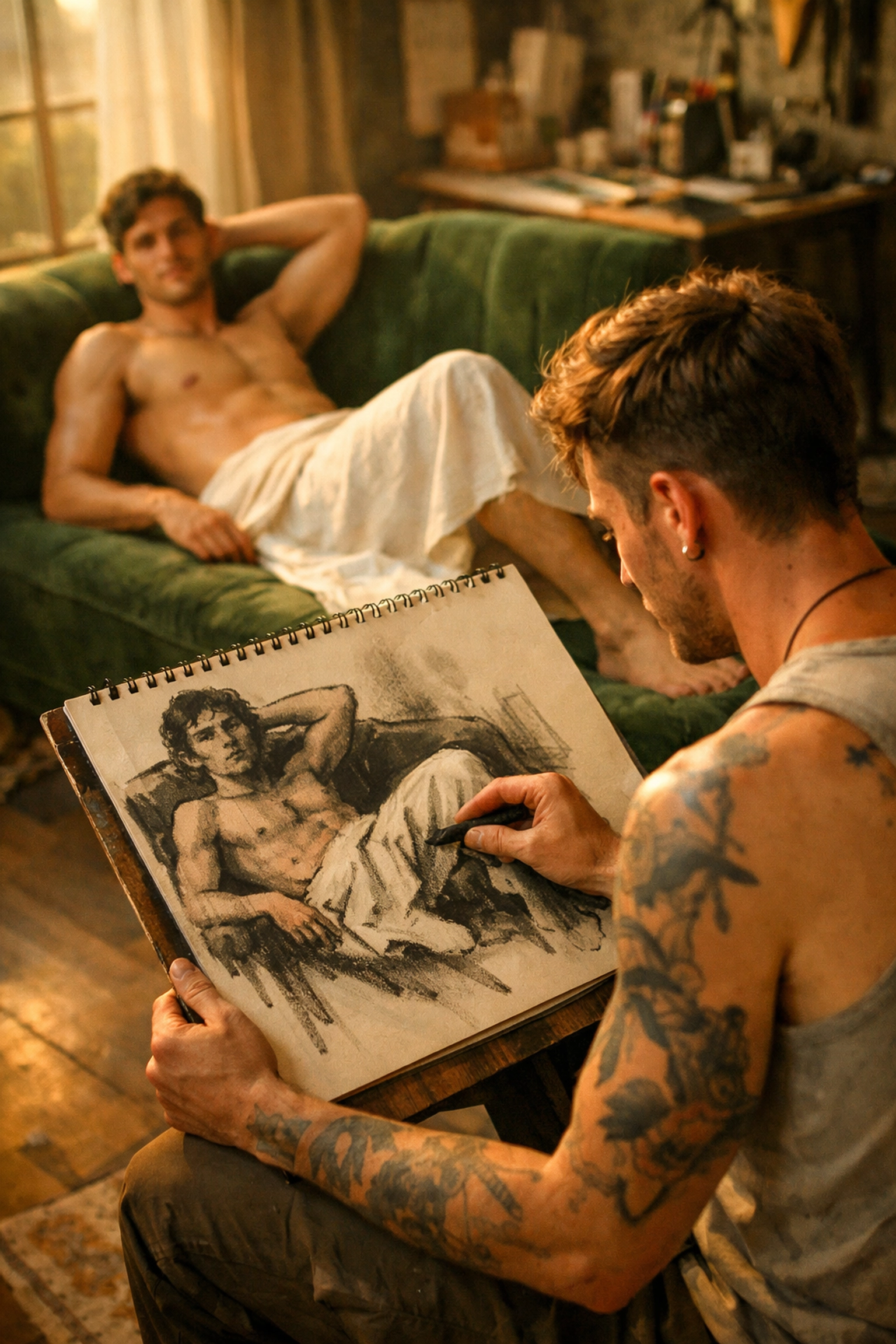
There’s something incredibly intimate about a sketch. Unlike a polished oil painting or a highly edited digital photograph, a drawing feels raw. It’s a direct line from the artist’s hand to the paper. For many queer artists, the act of sketching a nude body, especially their own, is a way of taking back control.
For decades, queer bodies were "objects" to be studied, often pathologized by doctors or mocked by the mainstream. When a queer artist picks up a pencil to draw a naked form, they are transforming that body into a "subject." They are deciding how the light hits the muscle, how the curves are celebrated, and how the scars (both physical and emotional) are documented.
In the world of gay fiction and MM novels, we see a similar trend. In 2026, the covers of our favorite LGBTQ+ fiction have moved away from generic stock photos to commissioned art that reflects the diversity of our community. This artistic shift started in the sketchbooks of artists who weren't afraid to look at the human form and see something beautiful and "other."
The Pioneers of Defiance: Mapplethorpe, Opie, and Goldin
You can’t talk about reclaiming the queer nude without talking about the heavy hitters who paved the way during the 80s and 90s. This was a time when just existing as a queer person was a political act, and showing your body was a declaration of war against stigma.
Robert Mapplethorpe is perhaps the most famous (or infamous) name in this space. His black-and-white photography and sketches explored the intersection of the classical nude and underground BDSM culture. By blurring the lines between masculinity and femininity, he forced the art world to acknowledge a side of gay life that many wanted to keep in the shadows.
Then came Catherine Opie. Her work in the 90s was even more visceral. In her self-portraits, she used her own body to document the leather and kink community. Images like Self-Portrait/Pervert weren't just about nudity; they were about reclaiming words and symbols that had been used to hurt us. She took the "perversion" and turned it into high art, demanding space in museums that previously wouldn't have let her through the front door.
And we can’t forget Nan Goldin. Her work wasn't always about the "perfect" nude. It was about the "real" nude, the messy, intimate, sometimes bruised, and always authentic moments of queer life in NYC. Her snapshots and sketches of friends in bed or in the shower captured a sense of community and love that was often missing from the gay romance novels of that era.
The Modern Shift: Healing and Identity
Fast forward to 2026, and the conversation has shifted. While defiance is still a part of the work, there’s a massive focus on healing and intersectionality. Contemporary artists are using the nude to explore what it means to be Black, trans, disabled, or non-binary within the queer community.
Zanele Muholi, a visual activist from South Africa, uses their own body to center Black queer identity. Their series Somnyama Ngonyama is a masterclass in how a body can be a site of both beauty and protest. Muholi has often said, "I needed to remember me," and that sentiment resonates with anyone who has ever felt invisible in the mainstream.
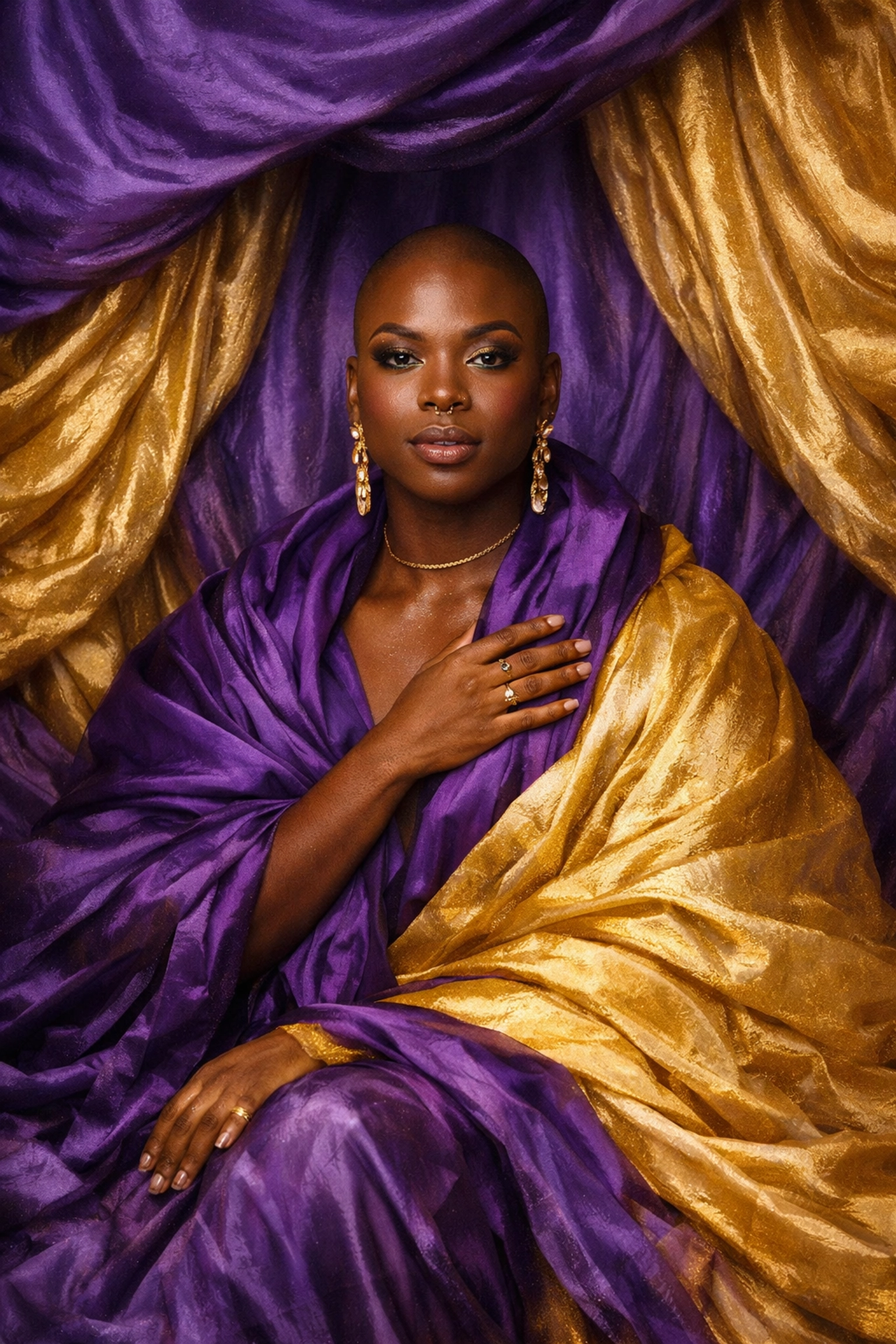
Similarly, artists like Rakeem Cunningham create lush, fabric-lined sets for their self-portraits, celebrating the Black body as an assertion of existence. This isn't about shocking the viewer; it's about inviting the viewer into a space of self-love.
This same energy is fueling the rise of steamy MM romance and heartfelt gay fiction that focuses on body positivity. We’re seeing more gay contemporary romance stories where the protagonists don't have "perfect" gym bodies, reflecting the reality of our community and the art we create.
Why Art in Universities and Museums Matters
You might wonder why we still care about getting "naked art" into museums and university galleries. Isn't the internet enough?
Actually, no. Having queer nudes in institutional spaces is about validation. When a university art department includes queer life drawing sessions, it tells the next generation of artists that their bodies are worthy of study. When a museum hosts an exhibition of gay erotic art, it acknowledges that our history is part of the human history.
It’s about breaking the "closet" of the archives. For too long, queer art was kept in private collections or "restricted" drawers. Bringing it into the light, literally and figuratively: is an act of reclamation. It’s why we at Readwithpride.com are so passionate about gay literature and queer authors. Every story told and every body drawn is a brick in the wall of our collective history.
The Intersection of Art and Gay Fiction
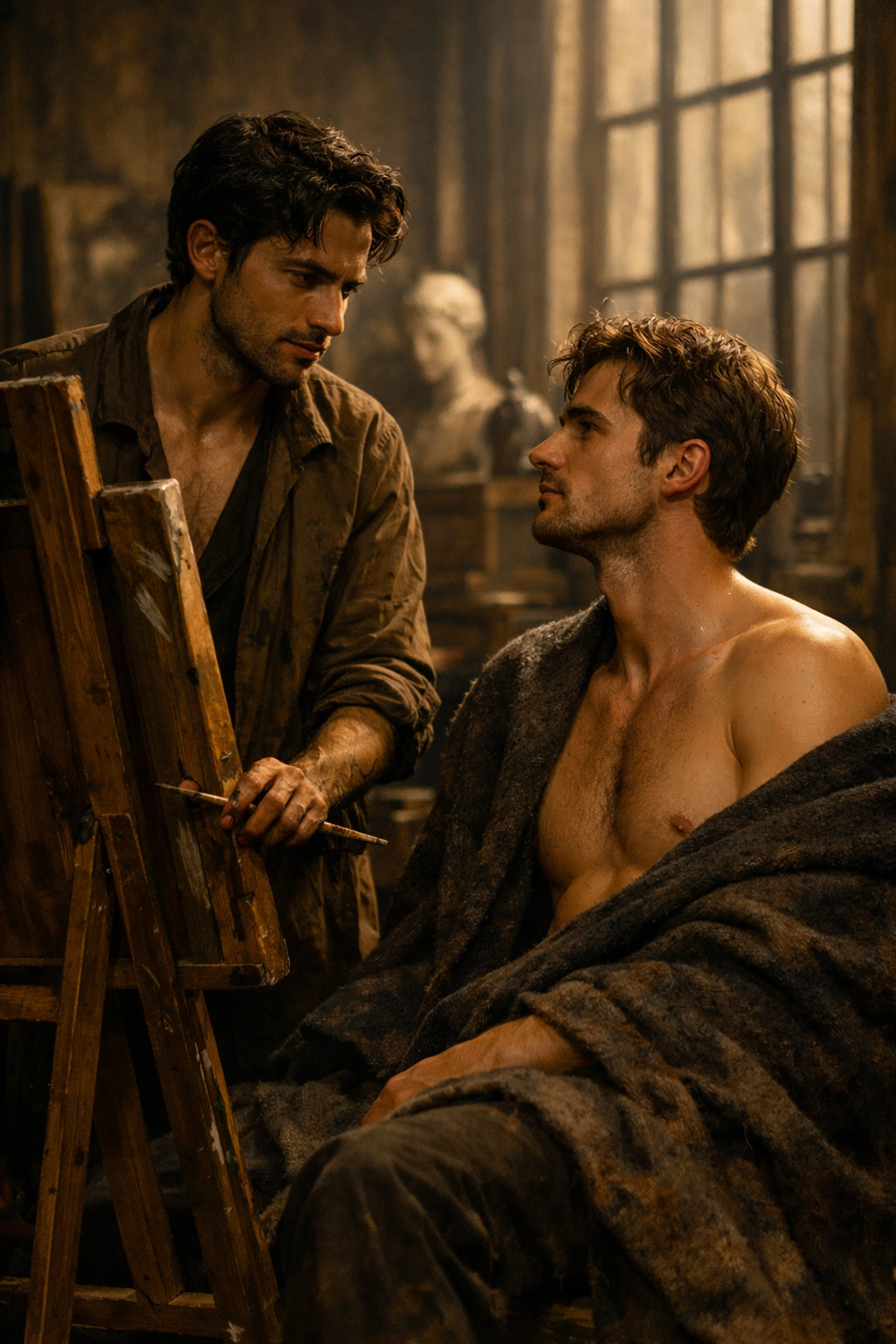
The influence of the visual arts on gay novels cannot be overstated. Many of the best MM romance books of 2026 draw inspiration from these artistic movements. We’re seeing a surge in "Artist/Model" tropes, where the process of sketching a nude partner becomes a metaphor for falling in love: stripping away the layers of defense until only the truth remains.
Whether it’s a gay historical romance set in a 1920s Parisian atelier or a gay fantasy romance where a character’s magical tattoos come to life, the celebration of the body is a central theme. We are no longer settling for "fade to black." We want the art, the anatomy, and the authenticity.
Finding Your Own Narrative
Reclaiming the nude isn't just for professional artists in high-end galleries. It’s for all of us. It’s about how we look at ourselves in the mirror and how we choose to present ourselves to the world.
If you’re looking to dive deeper into these themes, we highly recommend checking out our latest MM romance series or exploring the gay book recommendations on our site. There is so much power in seeing your life reflected in art and literature.
As we move further into 2026, the "Sketches of Self" will only continue to grow more diverse and more daring. We’re moving past the era of hiding and into an era of unapologetic visibility. So, the next time you see a queer nude in a museum or on the cover of a gay spy romance, remember the history behind it. It’s not just a body; it’s a revolution.
Ready to find your next great read? Explore our collection of LGBTQ+ eBooks and award-winning gay fiction at Read with Pride. From MM historical romance to gay psychological thrillers, we’ve got the stories that celebrate the full spectrum of the queer experience.
Join the Conversation
What's an artwork or a book that changed the way you see your own body? Let us know!
- Follow us on Facebook: Read with Pride
- Catch us on X: @Read_With_Pride
- Instagram vibes: @read.withpride
- Ask a question: FAQ & Questions
#ReadWithPride #QueerArt #MMRomance #LGBTQBooks #GayFiction2026 #BodyPositivity #QueerHistory #NudeArt #MMRomanceBooks #GayLiterature

Leave a Reply
You must be logged in to post a comment.