

readwithpride.com
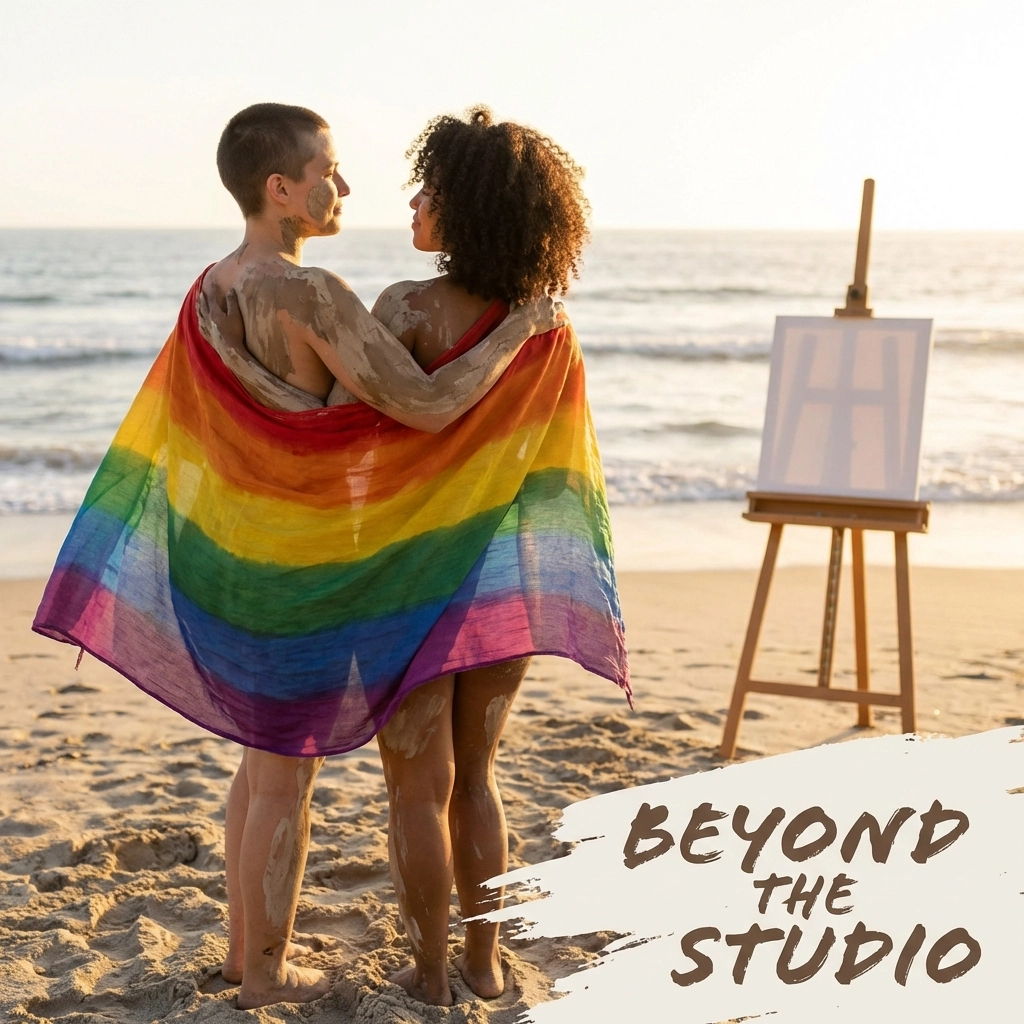
Let’s be real for a second: in the gay community, our bodies have always been a bit of a battlefield. From the way we’re hyper-sexualized in media to the way we’re policed in public spaces, the simple act of being naked has never just been about "not wearing clothes." It’s a statement. It’s a riot. It’s art.
When we talk about nudism: especially within the context of gay literature and the visual arts: we aren't just talking about a lack of fabric. We’re talking about a radical reclaiming of the self. Whether it’s a photograph in a high-end London gallery, a sketch in a university studio, or the raw vulnerability described in your favorite MM romance books, the naked gay body is a powerful artistic and political tool.
At Read with Pride, we believe every story, whether written on a page or captured on a lens, deserves to be told with authenticity. So, let’s strip back the layers and look at why nudism is making such a massive wave in the art world of 2026.
The Rebellion of the "Naked Nude"
Historically, nudity in art was all about "idealization." Think of those Greek statues with the perfect abs and the stoic faces. They weren't real people; they were gods. But the queer community has always been more interested in the real.
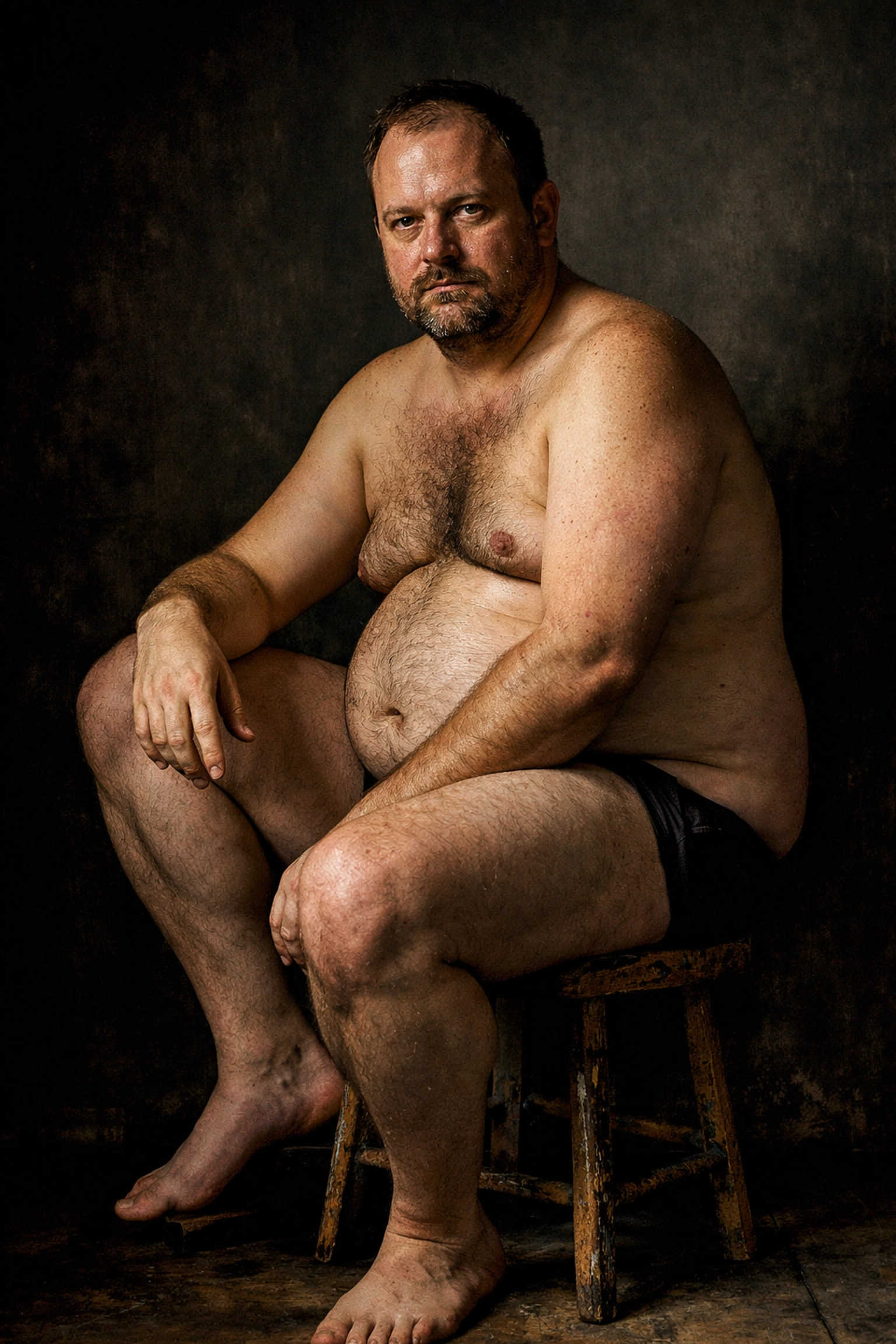
Taking inspiration from 19th-century realists who rejected the "perfect" body, modern gay artists are using nudism to challenge social norms. Just as Gustave Courbet or Egon Schiele once scandalized the bourgeoisie by showing bodies that were "too real," today’s queer photographers and painters are doing the same. They are moving away from the "Adonis" trope and showing the beauty in every fold, scar, and hairy patch.
This isn't just "pornography": a word often used by critics to silence queer expression. It’s about the "naked nude." It’s about the vulnerability that comes when you have nothing left to hide behind. It’s a collision with classicism that says, "We are here, we are real, and we are beautiful exactly as we are."
Nudism in the Ivory Tower: Universities and Museums
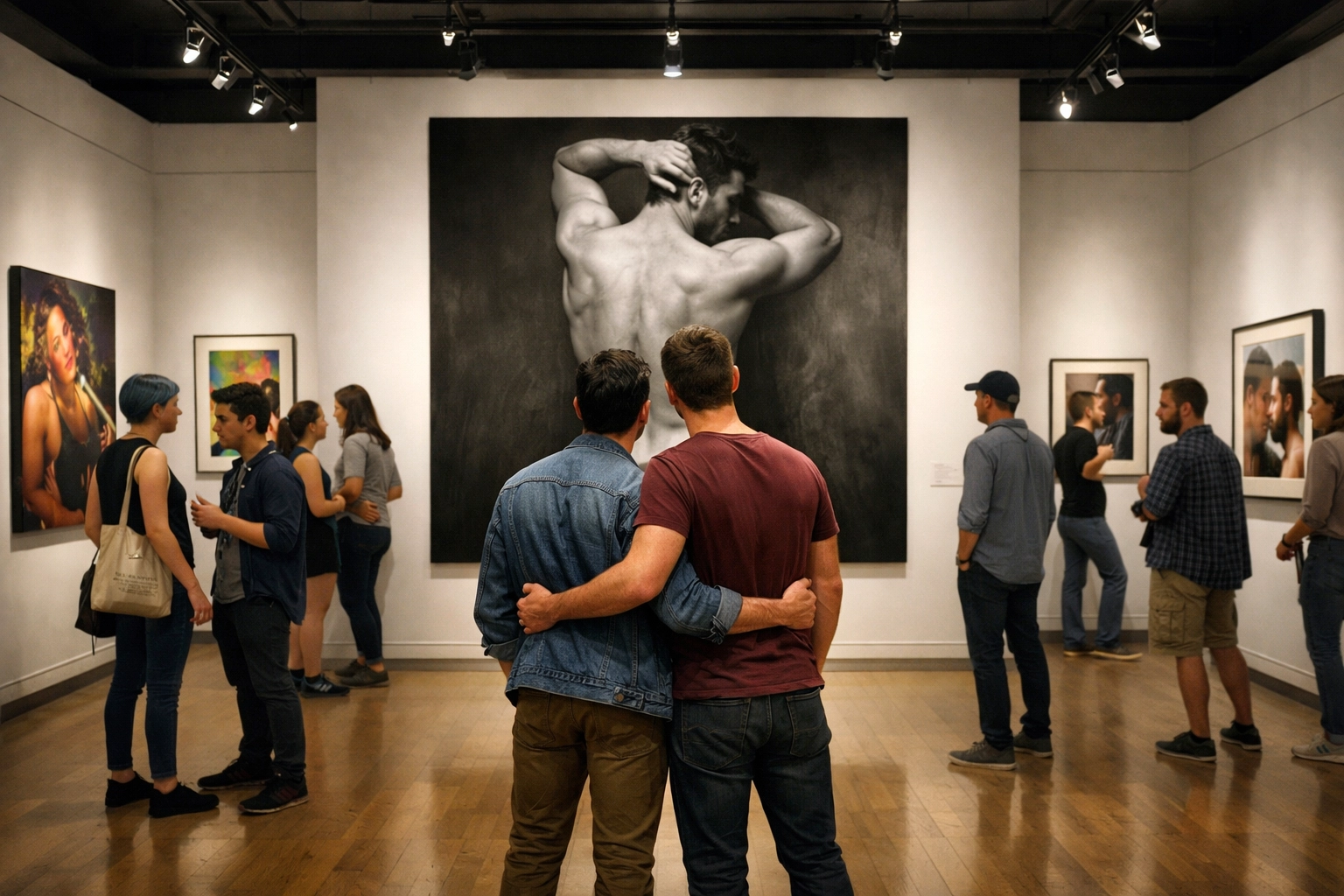
There was a time: not that long ago: when a university art department might hesitate to display explicit male-on-male nudity in a public exhibition. Fast forward to February 2026, and the landscape has shifted. We are seeing a surge of exhibitions that focus specifically on the "Queer Gaze."
In universities across the globe, the study of the naked gay body has moved beyond the anatomy class. It’s now part of political science and queer theory. Students are exploring how the state of being naked can represent a protest against the "closet." If the closet is a place of hiding and layers, then nudism is the ultimate exit strategy.
Museums are following suit. Curators are finally realizing that the male form, specifically the gay male form, has been underrepresented or sanitized for far too long. We’re seeing exhibitions that pair historical sketches with modern photography, showing a continuum of desire and identity that dates back centuries. It’s a way of saying that our history isn’t just in the books; it’s in our skin.
The Political Power of Being Bare
Why is nudism political? Because for the LGBTQ+ community, our bodies are often governed by others. Laws tell us who we can love, how we can present, and where we can be ourselves. By choosing to be naked in an artistic context, we are asserting ownership.
In many gay novels and gay romance novels, there is a pivotal moment where the characters are finally naked with one another. It’s rarely just about the heat (though we love a good steamy scene at Read with Pride). It’s about the removal of the "armor" they’ve had to wear to survive in a heteronormative world.
In the art world, this translates to large-scale installations and public "naked" protests. It’s a way of saying, "You can try to legislate our lives, but you cannot take away our existence." This deliberate use of nudism as a political statement is a recurring theme in some of the best MM romance and queer fiction being released this year. It explores the tension between public shame and private pride.
Photography: Capturing the Raw and the Real
If you’ve spent any time on social media lately, you know that "community standards" are often a fancy way of saying "we don't want to see queer bodies." This censorship has pushed many artists back to traditional exhibitions and independent platforms.
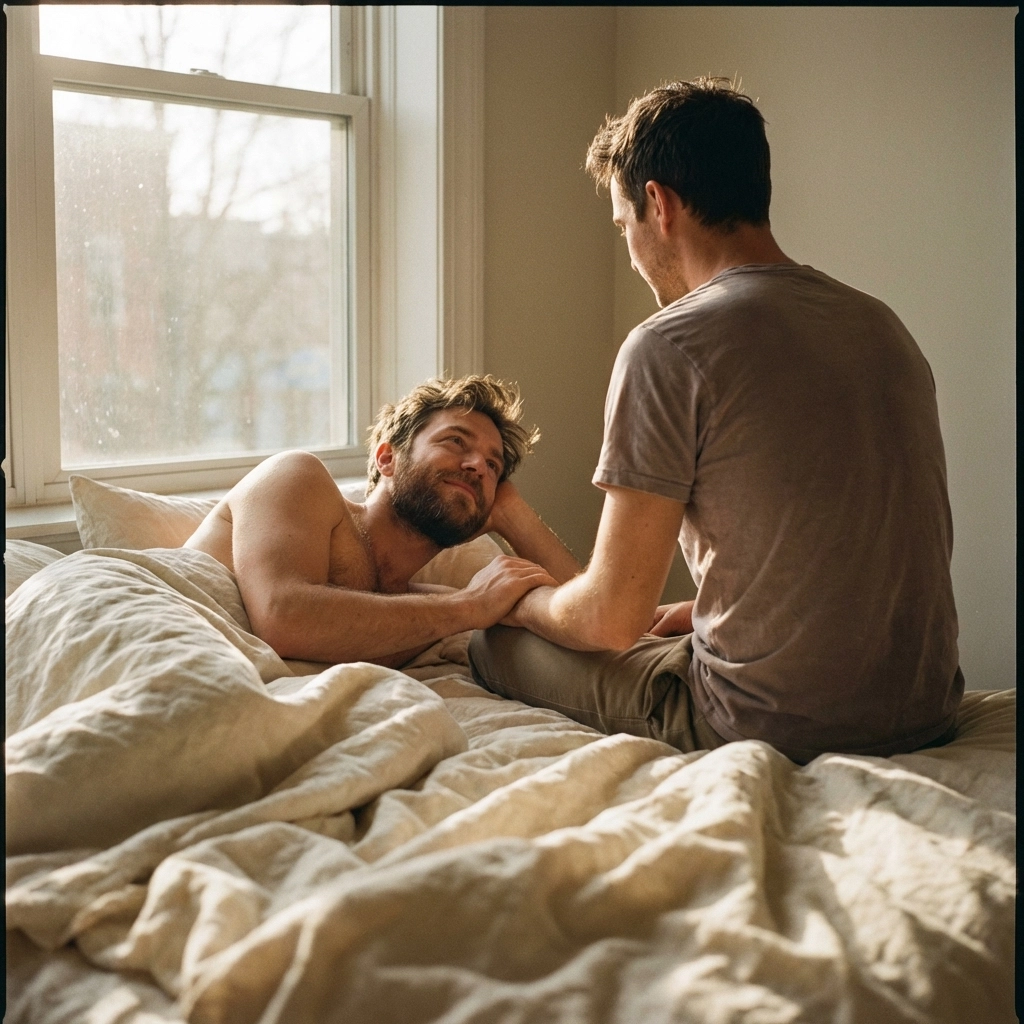
Photography is perhaps the most visceral way we experience nudism as art. A photo doesn’t just show a body; it shows a moment in time. It shows the light hitting a man's back as he looks out a window, or the shared intimacy of a group of friends on a nude beach. These images are vital because they provide a counter-narrative to the "hyper-sexualized" version of gay life often sold to us.
Many gay authors use these visual inspirations to craft their characters. When you read a heartfelt gay fiction story, the descriptions of the body often mirror the raw, unedited style of modern queer photography. It’s about finding the "art" in the everyday.
From the Gallery to the Ebook
You might wonder how a blog about nudism in art connects back to LGBTQ+ ebooks. The answer is simple: storytelling.
Whether it's a photographer capturing a moment of stillness or a writer describing the first time two men see each other without the pretense of clothes, the goal is the same: connection. Our MM contemporary and gay contemporary romance collections are filled with stories that celebrate the human form in all its glory.
We see the body as a canvas for our experiences. A tattoo might tell a story of a past love; a scar might tell a story of survival. When we "Read with Pride," we aren't just reading words; we are engaging with the lived experiences of our community.
Why It Matters in 2026
As we move further into 2026, the push for visibility isn't slowing down. With new gay releases and top LGBTQ+ books hitting the shelves every week, the conversation around our bodies is becoming more nuanced. We are moving past the "shame" phase and into a phase of "radical celebration."
Nudism as an artistic statement is about more than just aesthetics. It’s about:
- Body Positivity: Challenging the "gym-body" standard that plagues the scene.
- Historical Reclamation: Finding the queer subtext in classical art and bringing it to the forefront.
- Authenticity: Showing the world that we don't need to be "dressed up" to be worthy of respect.
Whether you're visiting an exhibition at a local university or downloading the latest steamy MM romance from Read with Pride, remember that the nudity you encounter is a gift of trust. It’s an artist saying, "This is me. This is us."
Conclusion: Get Involved in the Movement
Art has the power to change minds, but only if we support the artists brave enough to create it. Next time you see an exhibition featuring naked gay art, go. See it. Talk about it. And if you can't make it to a gallery, dive into a gay novel that explores these themes.
The journey from the studio to the museum: and from the museum to your Kindle: is one of liberation. Let's keep stripping away the stigma, one page and one photograph at a time.
For the latest in gay fiction, MM romance, and stories that celebrate every inch of our community, stay tuned to Read with Pride.
Want more? Follow us and join the conversation!
- Facebook: Read with Pride on FB
- X (Twitter): @Read_With_Pride
- Instagram: @read.withpride
- Explore our Library: Gay Romance Novels & More
#ReadWithPride #GayArt #QueerVisibility #MMRomance #LGBTQBooks #NudeArt #GayHistory #2026GayBooks #BodyPositivity #QueerAesthetics #GayLiterature #GayFiction

Leave a Reply
You must be logged in to post a comment.