

readwithpride.com
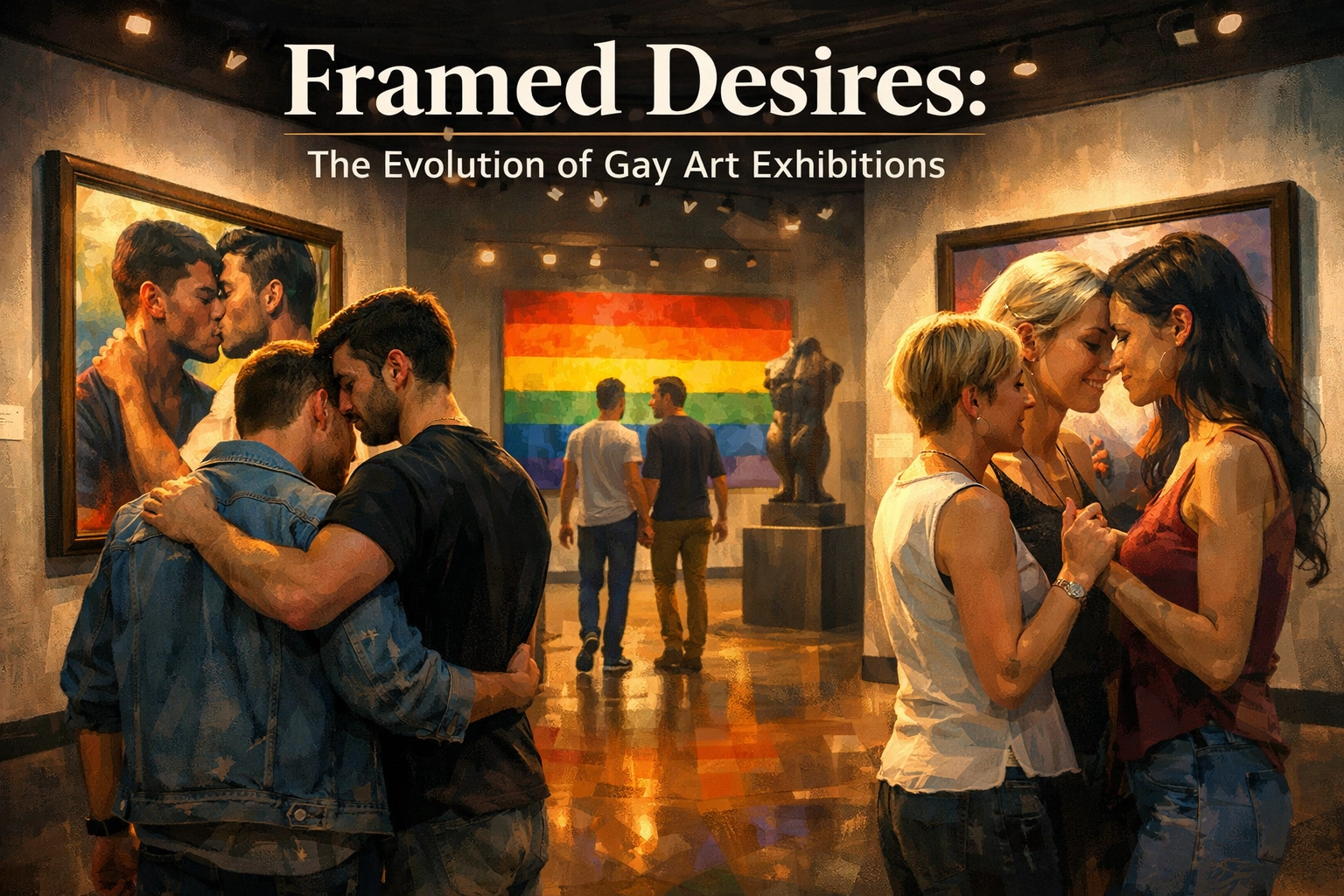
Let’s be real: for a long time, our history was hidden in the shadows, tucked away in "private collections" or disguised behind layers of metaphor that only those "in the know" could decode. But if you walk into a major museum or a university gallery in 2026, the vibe has shifted. We aren't just a footnote anymore; we are the main event.
The evolution of gay art exhibitions is a journey from the underground to the spotlight, and at the heart of it all is the naked gay body. It’s not just about aesthetics; it’s about reclaiming our skin, our desires, and our right to be seen. Whether it's a charcoal sketch in a SoHo loft or a massive photography installation in London, gay art has always been our loudest way of saying, "We are here."
At Read with Pride, we celebrate all forms of queer storytelling, whether they are written in MM romance books or captured on a canvas. Let’s dive into how our desires moved from the "shameful" dark into the beautifully framed light of the world’s most prestigious galleries.
From Coded Secrets to the SoHo Lofts
Before we had the massive exhibitions we see today, gay art was a game of hide-and-seek. In the mid-20th century, artists had to be masters of the "coded gaze." A painting of a muscular man might be labeled as "classical study" or "athletic youth" to avoid the censors. But we knew. We always knew.
The real turning point happened in the late 60s and 70s. While the world was reeling from the Stonewall Uprising, the art world was having its own revolution. In 1969, Charles Leslie and Fritz Lohman started holding exhibitions of gay art in their SoHo loft. They weren't waiting for the Metropolitan Museum of Art to give them permission; they just did it.
By 1978, the Artist in Residence gallery in New York presented The Lesbian Show, curated by Harmony Hammond. This was groundbreaking. It wasn't just "art that happened to be by queer people", it was art about being queer. These early shows paved the way for the Leslie-Lohman Museum of Art, which became a sanctuary for our visual history, especially during the devastating years of the AIDS crisis in the 80s.
The Naked Body as a Radical Act of Pride
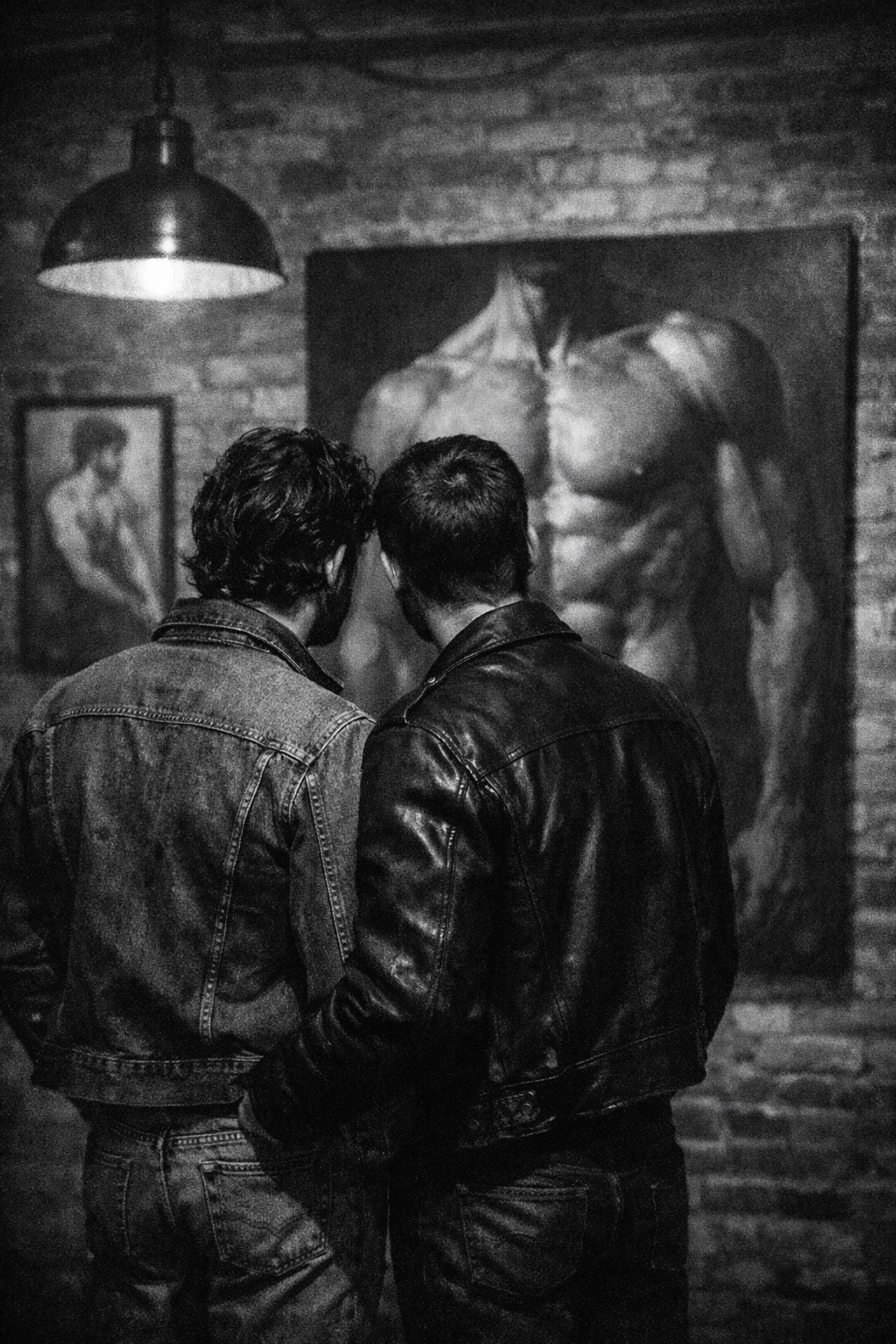
Why is the naked gay body such a central theme in our exhibitions? Because for centuries, our bodies were treated as "evidence" or "sin." Putting a naked man on a gallery wall, vulnerable, strong, or simply existing, is an act of defiance.
Nudism in art, especially within the gay community, isn't just about sex (though, let’s be honest, we love that too). It’s about self-expression. When we see exhibitions dedicated to the male form in universities or museums, we are seeing a rejection of the shame that was forced upon us.
In many gay romance novels and queer fiction found on Readwithpride.com, the physical discovery of another person’s body is a major plot point. It’s the same in the art world. An exhibition of photography featuring naked gay bodies is a narrative of intimacy. It’s a way to document our existence without the filters of heteronormative "decency." It’s raw, it’s authentic, and it’s beautiful.
Mainstream Milestones: Tate Britain and Beyond
Fast forward to the 21st century, and the "big" museums finally started paying attention. One of the most significant moments in this evolution was the 2017 Queer British Art exhibition at Tate Britain.
This wasn't some back-alley show; this was a major national institution marking 50 years since the partial decriminalization of male homosexuality in England and Wales. They showcased art from 1861 to 1967, featuring everything from the flamboyant portraits of Oscar Wilde’s circle to the gritty, honest works of David Hockney. It was a massive validation of our place in history.
Exhibitions like these do more than just show pretty pictures. They provide a context for the gay fiction and gay literature we read today. They show that our struggles for visibility aren't new, they are part of a long, artistic lineage. If you’re a fan of gay historical romance, seeing the actual artifacts and art from those eras brings the stories to life in a way words alone sometimes can't.
The Academic Gaze: Art in Universities
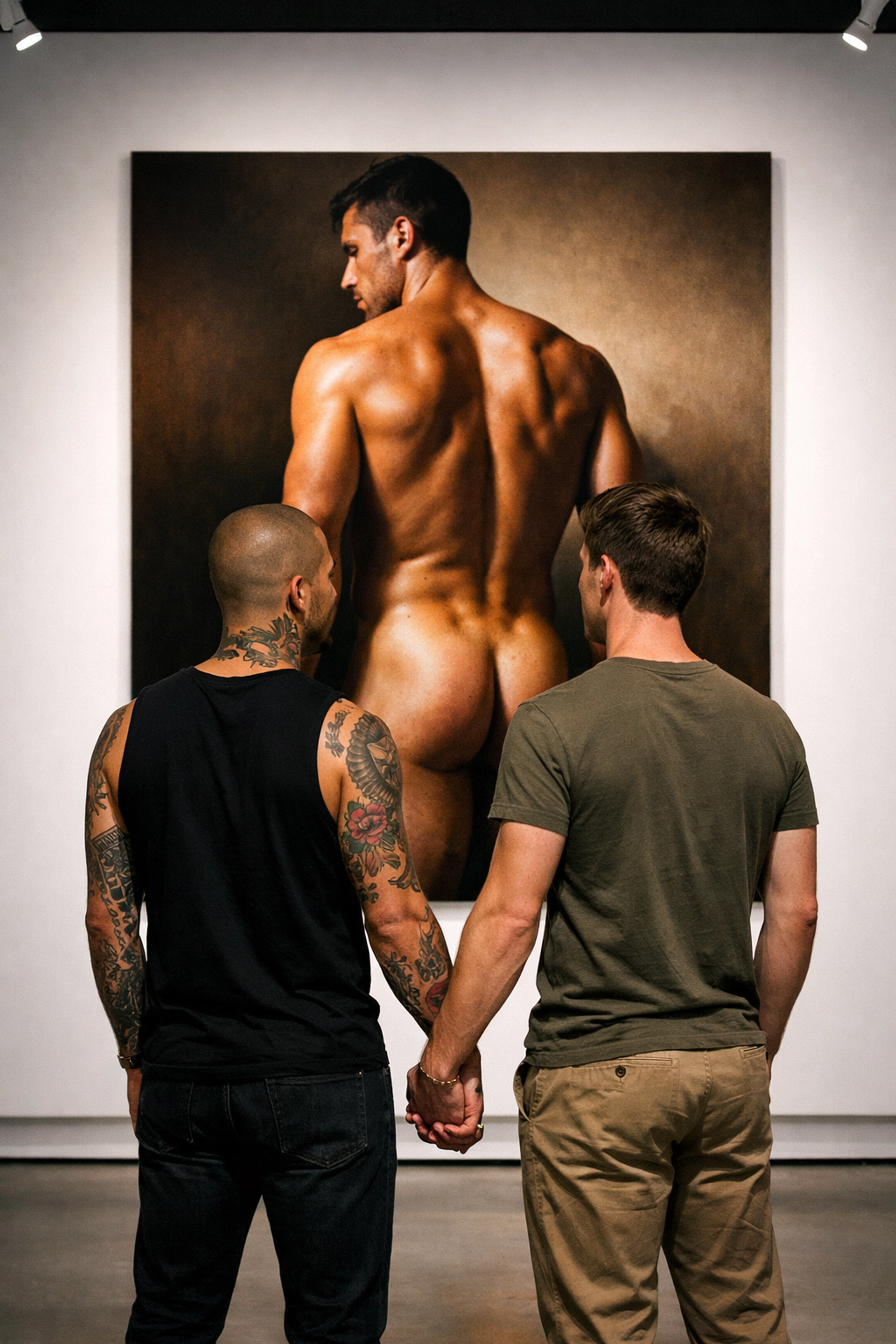
Universities have become the laboratories for the next generation of gay art. Campus galleries are no longer just showing "safe" landscapes; they are hosting exhibitions that challenge gender norms and explore the intersectionality of queer life.
Exhibitions like The First Homosexuals: The Birth of a New Identity at Wrightwood 659 in Chicago (which collaborated with university researchers) looked at over 300 artworks to trace how the very term "homosexual" changed how we saw ourselves. These shows prove that "gay art" isn't a monolith. It’s trans, it’s non-binary, it’s racially diverse, and it’s constantly evolving.
For the students and young artists of 2026, seeing naked art in a university setting is a form of mentorship. It says that their bodies and their desires are worthy of academic study and public display. It’s a far cry from the days of hiding sketches under a mattress.
Why We Need These Framed Desires
You might ask, "In the age of Instagram and OnlyFans, do we still need art exhibitions?" The answer is a resounding yes.
Social media is fleeting and often censored. A curated exhibition in a museum or gallery offers a space for reflection. It allows us to see the connection between a 19th-century sculpture and a modern-day photograph. It connects the dots between the popular gay books we love and the visual culture that surrounds them.
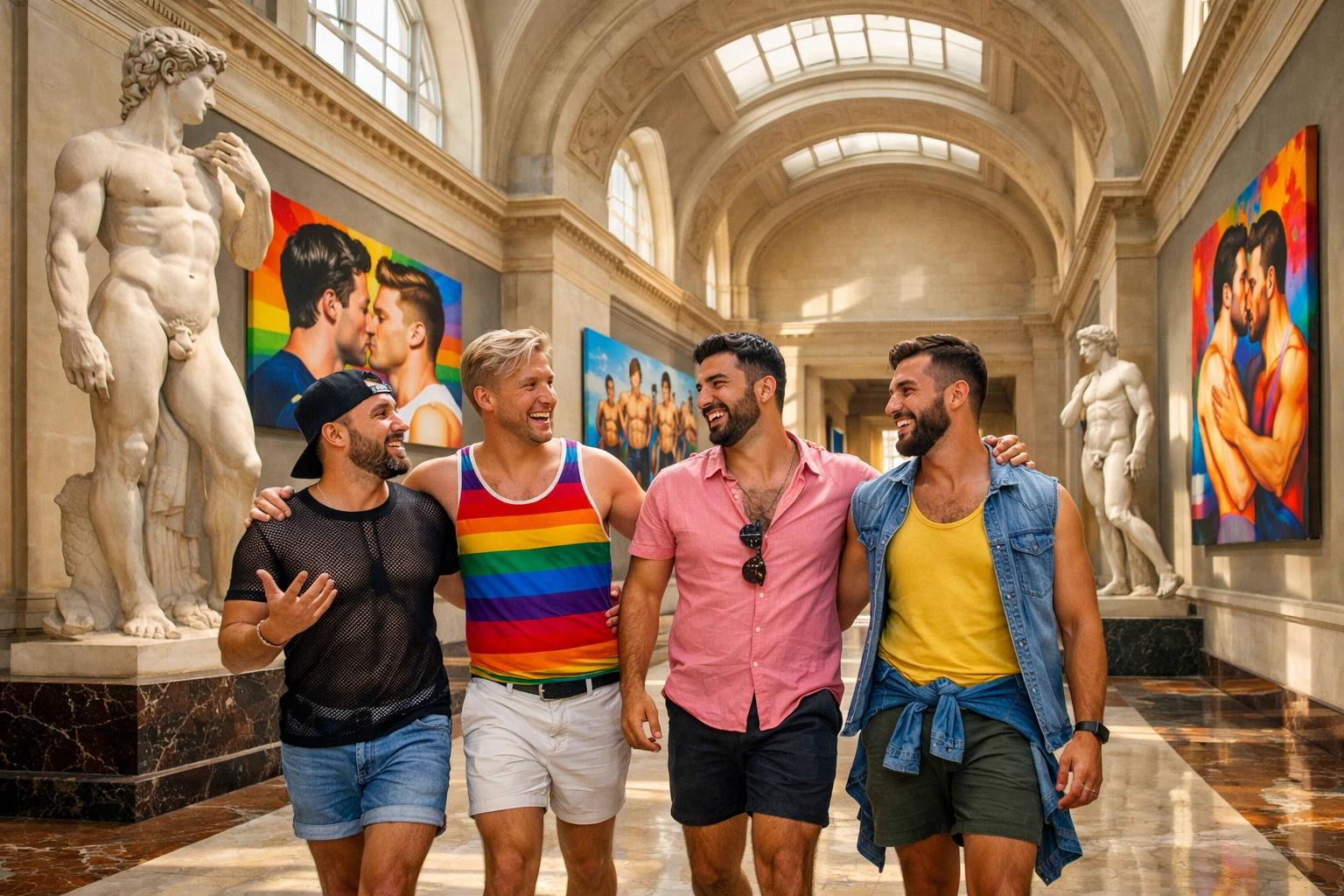
When you walk through an exhibition like Framed Desires, you aren't just looking at naked bodies; you're looking at a community that has survived, thrived, and found beauty in the face of adversity. It’s about the emotional MM books come to life. It’s about the heartfelt gay fiction that explores the nuances of our relationships.
Supporting the Visionaries
Just as you support queer authors by buying LGBTQ+ ebooks directly from Readwithpride.com, it’s vital to support the artists and curators who are keeping our visual history alive. Go to the galleries. Attend the openings. Buy the prints.
Whether it's a steamy MM romance or a provocative museum installation, our stories deserve to be told with pride. The evolution of gay art exhibitions is our collective success story. We have moved from being the "subject" of someone else's art to being the creators, curators, and owners of our own narrative.
If you’re looking for more ways to immerse yourself in queer culture, why not check out some of the best MM romance books of 2026? Much like a great art exhibition, these stories offer a window into our souls, our struggles, and our triumphs.
From the secret lofts of the 60s to the bright lights of the world's top museums, our "framed desires" are finally getting the audience they deserve. Let’s keep looking, keep reading, and keep showing up for one another.
Stay Connected with Read with Pride
Want more queer culture, gay romance novels, and industry insights? Follow us and join the community:
- Official Website: readwithpride.com
- Facebook: Read with Pride
- X (Twitter): @Read_With_Pride
- Instagram: @read.withpride
Explore our latest releases and find your next favorite M/M books in our digital store. Support queer voices and read with pride!
#ReadWithPride #GayArt #LGBTQHistory #MMRomance #GayExhibition #QueerCulture #GayFiction #NakedArt #ArtHistory #2026GayBooks #LGBTQContent #SupportQueerArtists

Leave a Reply
You must be logged in to post a comment.