


readwithpride.com
Let’s be honest: when you’re walking through a museum or scrolling through your favorite digital art gallery, your eyes don’t just stay on the faces. There is a specific, magnetic pull toward the lower back: that elegant, sweeping dip of the spine that transitions into the powerful swell of the glutes. In art history circles, we call this the lumbar curve. In the world of gay romance novels and MM romance books, we might call it the ultimate "thirst trap" in prose.
At Read with Pride, we’re obsessed with the way the human form is celebrated. Whether it’s through the stroke of a brush, the chip of a chisel, or the descriptive power of queer fiction, the male body has always been a focal point of artistic obsession. But why specifically the back? Why the bum? It’s more than just a physical preference; it’s a study in lines, shadows, and the very essence of human movement.
The Geometry of Desire: Understanding the Lumbar Curve
The lumbar curve, or lumbar lordosis, is the inward curvature of the lower spine. Anatomically, it’s what allows us to stand upright and walk with grace. Artistically, it is the most expressive part of the torso. When a model arches their back, that curve creates a play of light and shadow that artists have spent centuries trying to perfect.
In classical sculpture, the lumbar curve isn’t just a line; it’s a narrative. It tells us about the tension in a man’s body, his strength, and his vulnerability. Think about the way a spine dips just before it meets the waistband (or the lack thereof in classical art). It creates a "V" shape that guides the eye downward, building anticipation and celebrating the sheer athleticism of the male form.
For those of us who dive deep into gay fiction and M/M books, we see this curve described constantly. It’s the "hollow of his back" or the "arch that invited a touch." It’s a universal symbol of the male body’s grace, and in 2026, we’re seeing a massive resurgence in artists: both digital and traditional: focusing on this specific anatomical detail to convey intimacy.

Contrapposto: The Twist that Changed the World
If you’ve ever wondered why statues of Greek gods look so much better than your average gym selfie, the secret is contrapposto. Developed by the ancient Greeks, this technique involves shifting the weight onto one leg, causing the hips to tilt and the shoulders to counter-twist.
Why does this matter for our obsession with bums? Because contrapposto is what makes the gluteal muscles pop. It creates an asymmetrical beauty that feels alive. When one hip drops, the gluteal fold: that beautiful, subtle line where the cheek meets the upper thigh: becomes more pronounced. It creates a sense of potential energy, as if the statue might just turn around and wink at you.
This artistic "shift" is something we see mirrored in popular gay books today. Authors use the "language of the back" to describe a character’s mood. A rigid, straight spine suggests defiance; a soft, languid lumbar curve suggests trust and relaxation. When you read with pride, you start to notice how these physical descriptions are more than just "steam": they are character work.
The Gluteal Fold: The Detail is in the Under-Curve
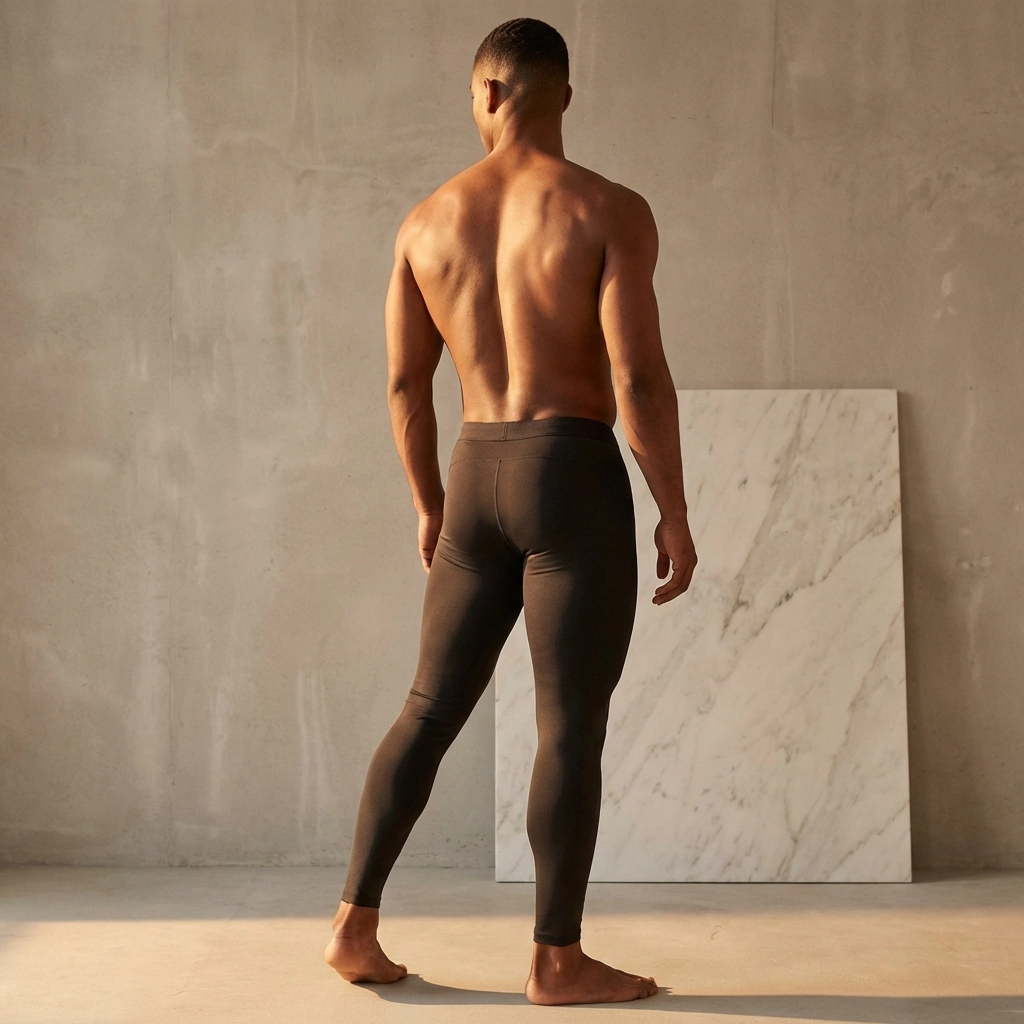
If the lumbar curve is the headline, the gluteal fold is the fine print that makes the story worth reading. This is the horizontal crease formed by the lower edge of the gluteus maximus muscle and the back of the thigh. In the art world, mastering the gluteal fold is a rite of passage. If you get it wrong, the body looks flat; get it right, and the figure gains weight, gravity, and a tactile reality.
In modern photography and naked art exhibitions, the gluteal fold is often the star of the show. It defines the "bum" not just as a shape, but as a functional, muscular part of the anatomy. It’s about the intersection of strength and softness. This is a recurring theme in steamy MM romance: the contrast between a man’s hard muscle and the soft, inviting curves of his skin.
From Marble to the Page: Why the Back Matters in MM Romance
You might be wondering: "Penny, why are we talking about 2,000-year-old statues when I just want to know what to read next?"
The answer is simple: the way we view art informs the way we write and read romance. In MM romance books, the back is often a canvas for intimacy. It’s where characters bear scars, where they feel the warmth of a partner’s hand, and where the "lumbar curve" becomes a focal point during moments of tension.
Consider the "forced proximity" or "enemies to lovers" tropes. Often, the first moment of real physical realization between two characters happens when one sees the other from behind: perhaps stepping out of a shower or changing a shirt. The artist’s eye for the lumbar curve is exactly what the author is tapping into to create that spark of attraction.
If you’re looking for the best MM romance of 2026, look for authors who don’t just describe a "good body," but who understand the lines of that body. The ones who can make you feel the curve of a spine through words alone. You can find many such titles in our blog category.
The Queer Gaze: Reclaiming the Naked Body
For a long time, the "naked body" in art was seen through a very specific, often heteronormative lens. But the queer gaze has reclaimed the male form. In university art departments and museum exhibitions, we are seeing a shift toward celebrating the male body as something both powerful and objectified in a healthy, celebratory way.
Nudism in art isn’t just about being "naked." It’s about being uncovered. It’s about stripping away the layers of societal expectation and looking at the raw, honest lines of the human form. When a gay artist paints the muscles of a lower back or the rounded curve of a bum, they are participating in a tradition of gay literature and art that says: this is beautiful, this is ours, and we are proud of it.
Museum Trends in 2026: The Rise of the Masculine Form
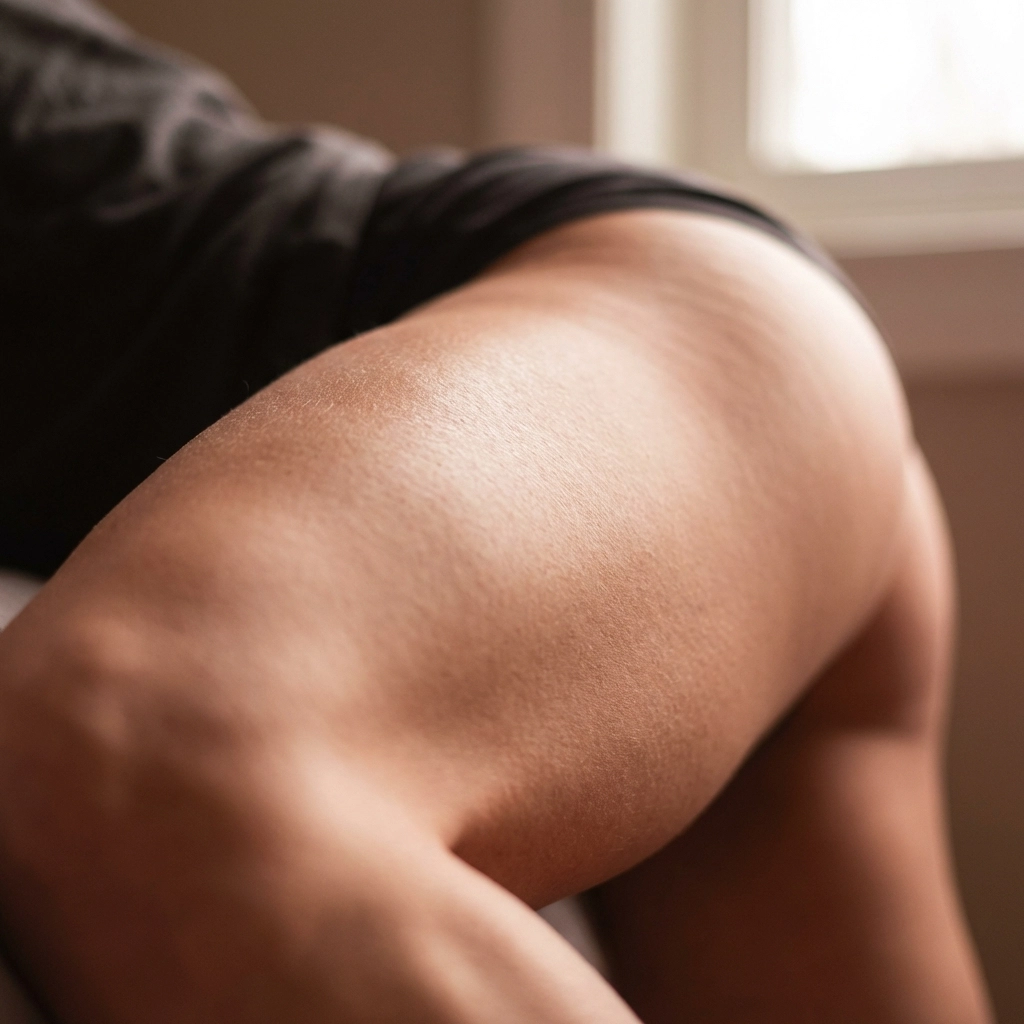
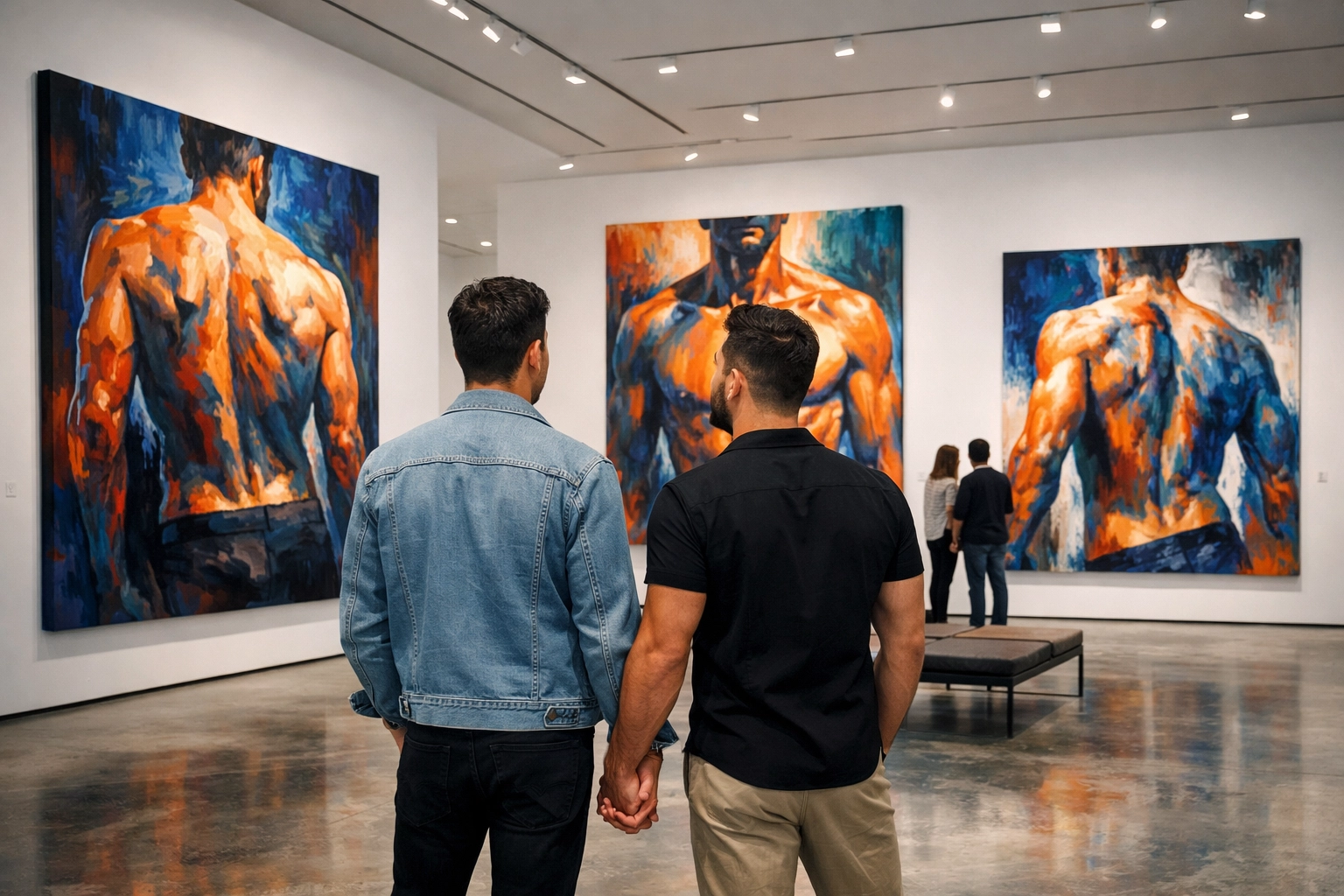
As we move through 2026, major exhibitions in London and New York are focusing more on "the back" than ever before. Curators are realizing that the posterior is just as expressive as the face. There’s a certain mystery to it: you can’t see what the person is thinking, but you can see how they feel in their skin.
This mirrors what’s happening in the world of LGBTQ+ eBooks and Kindle books. Readers are moving away from generic covers and toward artistic, evocative imagery that emphasizes the male form’s aesthetic beauty. We’re seeing more "art-house" styles in queer fiction covers, focusing on those lines of the back and the lumbar curve to signal a more sophisticated, emotional story.
Why We Should All Be "Obsessed"
Art’s obsession with the bum and the lower back isn’t shallow. It’s an appreciation of our humanity. The lumbar curve is a miracle of evolution, and the gluteal fold is a testament to the beauty of our physical existence.
Whether you’re looking at a Renaissance drawing by Da Vinci or reading the latest gay contemporary romance, you’re engaging with a long history of human desire and aesthetic appreciation. So next time you find yourself admiring the "lines" of a hero in one of our M/M books, remember: you’re not just a fan, you’re a connoisseur of fine art.
Explore More at Read with Pride
If this dive into the aesthetics of the male form has you craving more stories with beautifully described characters, we’ve got you covered. From gay historical romance that captures the classical beauty of the past to steamy MM romance that celebrates the modern man, our library is full of masterpieces.
Check out our latest releases and find your next obsession:
- Explore our MM Romance Books
- Discover Popular Gay Books of 2026
- Visit our Store for Top LGBTQ+ Titles
Don't forget to follow us and join the conversation about art, literature, and everything queer:
- Facebook: Read with Pride
- Twitter/X: @Read_With_Pride
- Instagram: @read.withpride
#Readwithpride #MMromance #GayArt #QueerFiction #LumbarCurve #GayBooks2026 #MaleForm #ArtHistory #LGBTQBooks #GayRomanceNovels

Leave a Reply
You must be logged in to post a comment.