


readwithpride.com
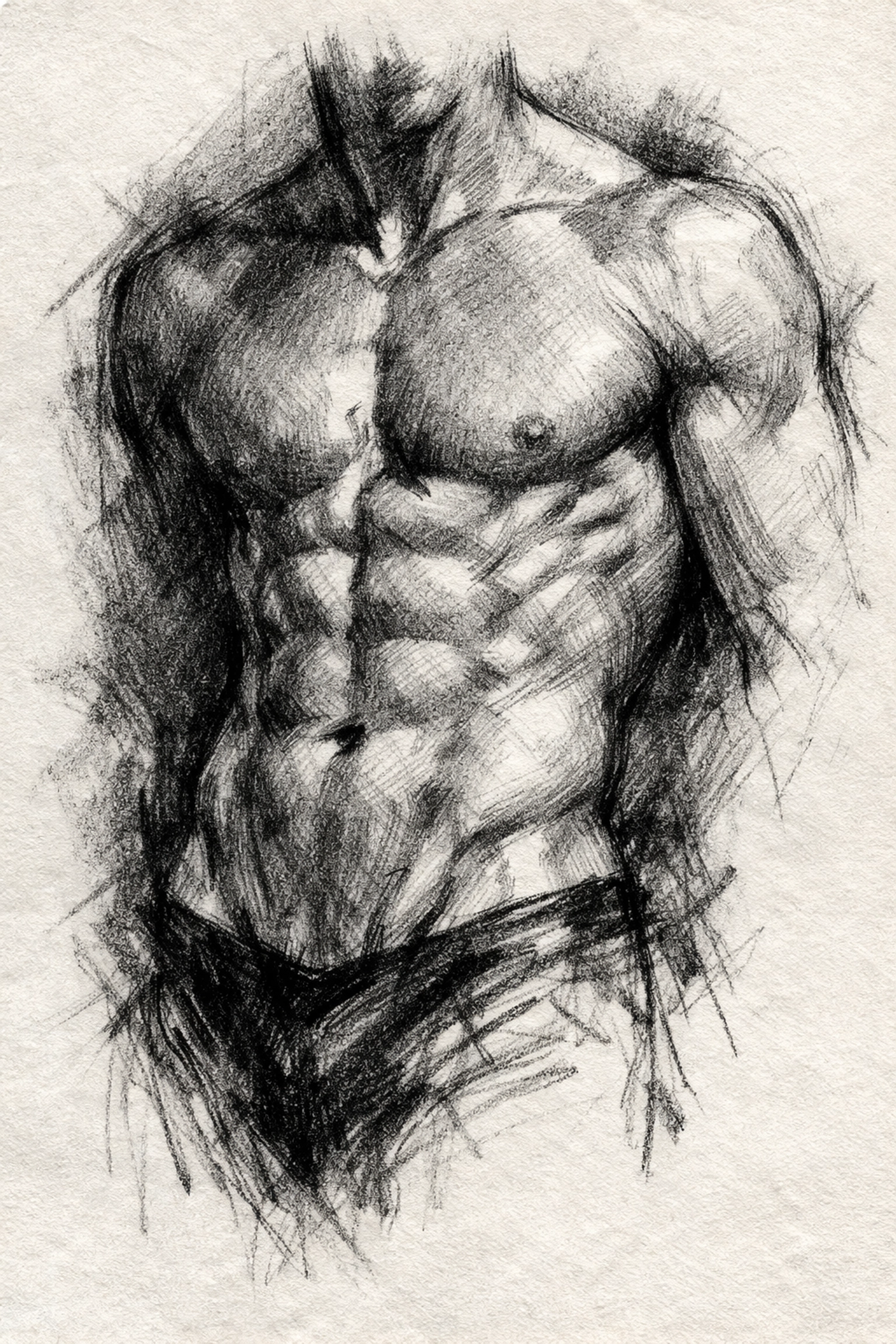
There is something inherently intimate about a sketch. Unlike a high-definition photograph that captures every pore and stray hair, a charcoal or pencil drawing focuses on the essence of a form. It’s about the curve of a hip, the tension in a calf muscle, and the way light plays across a lean torso. For centuries, the "Apollo" ideal: that perfect balance of athleticism and grace: has been the gold standard of male beauty in the art world. At Read with Pride, we’re obsessed with how this aesthetic translates from the canvas to the pages of our favorite MM romance books.
When we talk about "sketched in muscle," we aren't talking about the hulking, over-the-top bodybuilder physique. We’re talking about the lean, functional strength that looks like it was carved out of marble: or, more accurately, rendered with the fine, sweeping strokes of a 2B pencil. It’s the kind of body that inspires poets, painters, and, let’s be honest, some of the best gay romance novels of 2026.
The Aesthetic of the Lean Male Form
What exactly makes the lean muscular physique so captivating? According to art historians and fitness experts alike, it’s all about the "V-taper." This is that classic silhouette where broad shoulders taper down to a narrow waist. In the world of art, this is often referred to as the "Golden Ratio." When an artist sits down with a piece of charcoal, they aren't just drawing a body; they are mapping out a landscape of shadows and highlights.
The beauty of a lean body lies in its visibility. With body fat typically sitting between 10% and 13%, every muscle group becomes a focal point. You see the serratus muscles hugging the ribs like a fan, the sharp definition of the obliques, and the way the quadriceps teardrop just above the knee. In a museum or a university life-drawing class, these details aren't just anatomical: they’re emotional. They represent discipline, movement, and a certain kind of vulnerability.
From the Museum Gallery to the University Studio
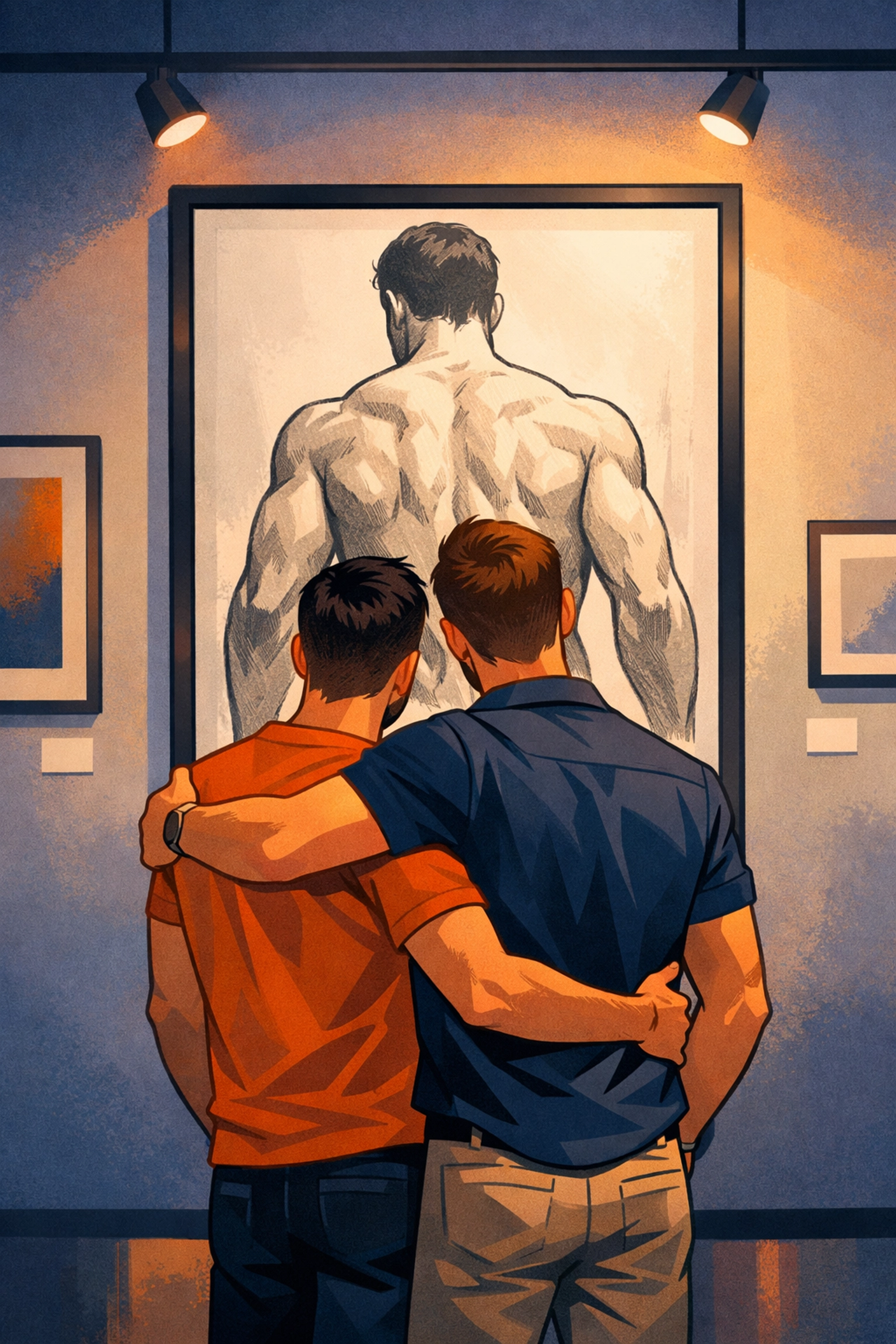
If you’ve ever walked through a major museum: perhaps checking out a Greek sculpture or a Renaissance drawing: you’ve seen the "Apollo" ideal in person. These institutions have long been the guardians of naked male art. However, for a long time, the queer gaze was something whispered about rather than celebrated.
Today, that’s changing. University art programs and modern exhibitions are reclaiming the naked male body, moving away from "stiff" classical poses and toward something more authentic and raw. We’re seeing exhibitions that celebrate the male form in all its diversity, but there remains a timeless pull toward the lean, athletic build. It’s a form that suggests both power and agility: the body of a dancer, a swimmer, or a hero in an MM historical romance.
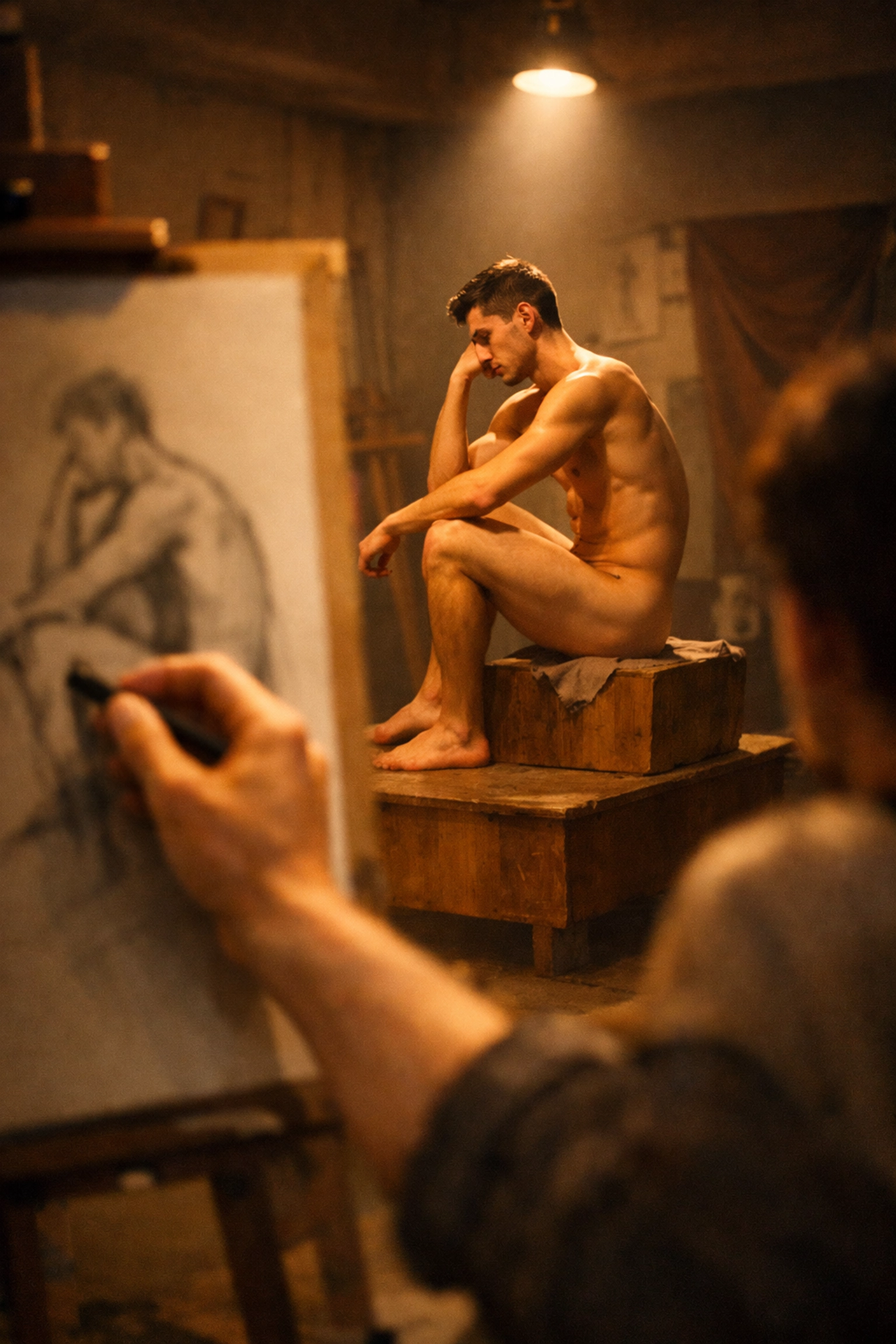
In university studios, life drawing remains a cornerstone of artistic education. There’s no hiding in a life drawing class. The model stands under harsh lights, and the students have to capture the weight of the body, the tension in the bums and muscles, and the flow of the skin. It’s a masterclass in appreciation. When you spend three hours staring at the lines of a naked body to get the shading just right on a shoulder blade, you develop a profound respect for the human form.
The "Apollo" Ideal in Queer Literature
At Readwithpride.com, we see this artistic appreciation reflected in the stories we publish and promote. Many of the most popular gay love stories feature protagonists whose physical descriptions read like a gallery guide.
Think about the "slow burn" trope. Often, the attraction starts with a glance: a character noticing the way a shirt clings to a lean chest or the way a partner’s back muscles ripple as they move. These descriptions are the literary version of a charcoal sketch. They highlight the "lines" of the body to create a sense of yearning and desire.
In gay fantasy romance, the lean muscular build is often the mark of the warrior or the rogue: someone who needs to be fast and lethal. In MM contemporary fiction, it might be the yoga instructor or the collegiate rower. Regardless of the genre, the focus on a "sketched" physique serves to heighten the intimacy between characters. It’s about more than just "hotness"; it’s about the physical manifestation of the character’s soul: disciplined, resilient, and beautiful.
Why We Love the Lines
There is a specific joy in "lines." In art, a line can be hard and aggressive or soft and inviting. The lines of a lean male body: the groove of the spine, the arch of the foot, the definition of the jawline: act as a roadmap for the eye.
When an artist uses shading to define a muscle, they are creating depth. This depth is what makes a sketch feel "alive." It’s the same reason we get lost in MM romance books. We want that depth. We want to feel the texture of the story, just as an artist wants you to feel the texture of the muscle on the page.
If you're looking for stories that capture this aesthetic perfectly, you might want to check out The Canvas and the Closet, which dives deep into the world of art and hidden desires. Or, for a look at how physical discipline and tension play out in a different setting, The Swordsman's Compass offers a brilliant take on the athletic male form in motion.
The Intersection of Art and Pride
Nudism in art has always been a bit of a battleground. For the LGBTQ+ community, the naked body is a symbol of liberation. For centuries, we were told to hide, to cover up, and to be ashamed. Seeing the male form celebrated in art: whether it’s a high-brow exhibition or a gritty charcoal sketch in a private studio: is an act of defiance.
Read with Pride is more than just a place for gay eBooks; it’s a community that celebrates the authentic queer experience. That includes the way we look at ourselves and each other. When we appreciate the "Apollo" ideal, we aren't just looking at a "standard" of beauty; we are looking at the potential of the human body to be a work of art.
Exploring the Male Form in 2026
As we move through 2026, the appreciation for male figurative art is only growing. Social media platforms like Instagram and X have allowed artists to bypass traditional gatekeepers and share their sketches of the male form directly with the community.
We’re seeing a resurgence in "zines" and independent art books that focus specifically on the lean muscular form. These collections often feel like a love letter to the male body, focusing on the details that make us unique. The curve of a "bum," the flex of a forearm, the quiet stillness of a model at rest: these are the moments that artists capture and that we, as readers and viewers, cherish.
Conclusion: The Final Stroke
Whether it’s through a pencil sketch, a museum sculpture, or the descriptive prose of MM romance books, the lean male form remains a powerful symbol of beauty and strength. It’s a testament to what can be achieved through discipline and a reminder of the grace inherent in the human body.
At Readwithpride.com, we invite you to explore these themes in our collection. Whether you're looking for gay fiction, MM historical romance, or a gay thriller, you'll find stories that honor the beauty of the male form in all its "sketched" glory.
Don't forget to follow us on Facebook to stay updated on our latest releases and art-focused blog posts. The world is full of beauty: sometimes you just have to look at the lines.
Stay Connected with Read with Pride:
- Website: readwithpride.com
- Instagram: @read.withpride
- X (Twitter): @Read_With_Pride
- Facebook: Read With Pride Official
#LGBTQ+ #GayArt #MaleNude #MMRomance #MalePhysique #ArtHistory #ReadWithPride #GayBooks2026 #ApolloIdeal #MaleForm #GayCulture #QueerArtist #LifeDrawing

Leave a Reply
You must be logged in to post a comment.