

readwithpride.com
If you’ve spent any time scrolling through the latest MM romance books or diving deep into queer fiction, you know that the "found family" trope is an absolute top-tier vibe. There is something incredibly moving about individuals coming together, defying expectations, and building a life based on mutual support and deep, often misunderstood, bonds. But what if I told you that one of the most heartwarming examples of this doesn’t happen in a coffee shop or a magical kingdom, but on the African savannah?
For a long time, the narrative around male African elephants was pretty bleak. We were told they were the "lonely bulls" of the animal kingdom, solitary, aggressive, and only interested in the ladies when the time was right. Basically, the "grumpy" half of a slow burn romance, but without the eventual payoff.
Well, it turns out that science, much like a good gay romance novel, is finally catching up to the truth. Male elephants aren't lonely outsiders; they are social butterflies (okay, very large, four-ton butterflies) who form complex, lasting alliances that look a lot like the "boys' clubs" we celebrate in our favorite gay fiction.
The Great "Coming Out": Leaving the Family Fold
In the elephant world, life starts in a matriarchal society. Young bulls grow up surrounded by mothers, aunts, and sisters. But around the age of 12 to 15: essentially their awkward teenage years: they leave their birth families.
In the old documentaries, this was framed as a rejection. In reality, it’s a rite of passage. These young males aren't wandering off to be alone; they are looking for their own tribe. They seek out other males, forming alliances that can last for decades. Research in places like Botswana shows that these young bulls actively seek out older mentors. Think of it as the ultimate mentor/protégé trope found in many gay novels, where the seasoned veteran shows the newcomer the ropes of survival, social etiquette, and how to navigate a world that isn't always kind.
Physical Affection and the "Elephant Bromance"
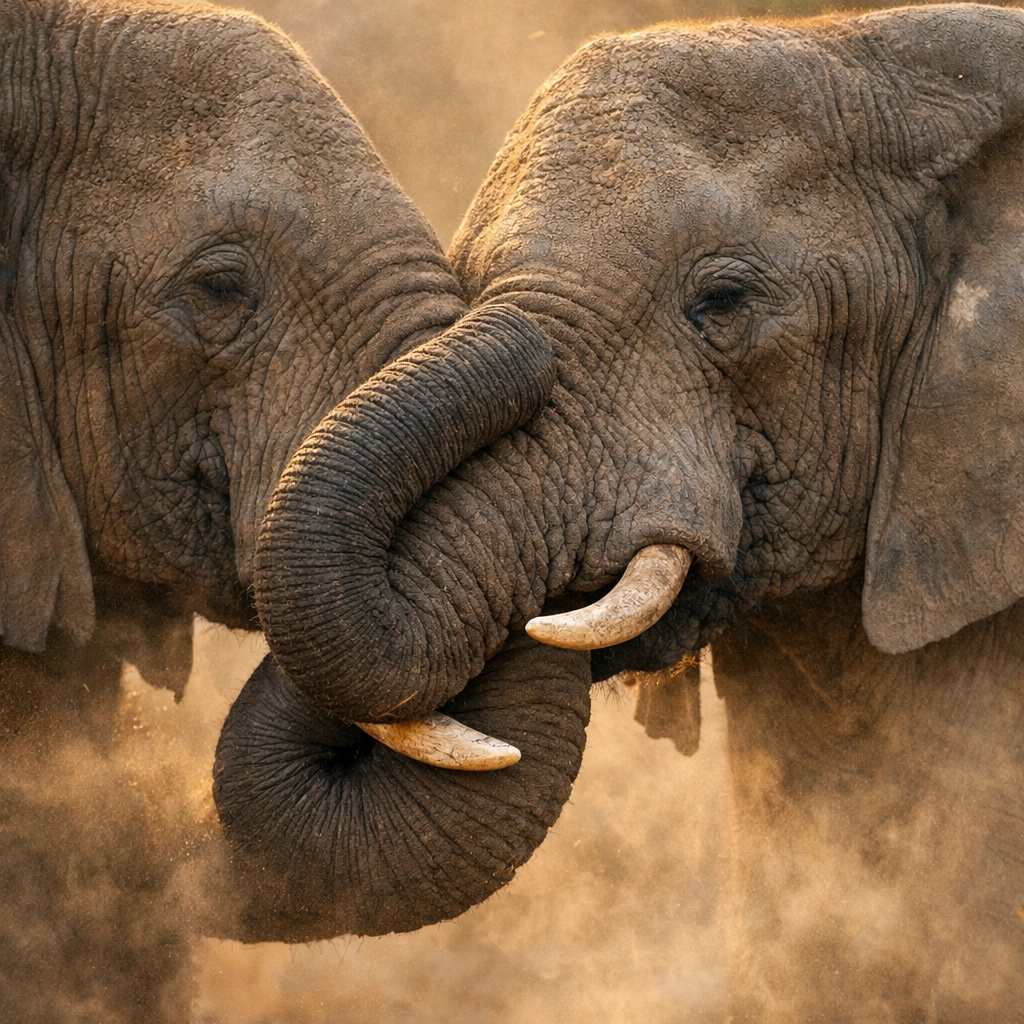
One of the most beautiful things about these male alliances is how physically affectionate they are. In a world that often demands "toughness," male elephants aren't afraid to show their love.
Observations of "boys' clubs" at Mushara have documented bulls of all ages engaging in social rituals that would make any MM contemporary fan swoon. They lean against each other for support, rest their heavy tusks on a friend’s back, and: most famously: place their trunks in each other's mouths. This "trunk-in-mouth" greeting is a sign of deep trust and bonding. It’s their version of a secret handshake or a very long, meaningful hug.
These aren't just random interactions. These are lasting friendships. While male bonds might be slightly more "fission-fusion" (meaning they split up and reunite) than the tight-knit female herds, the emotional weight is just as heavy. They crave companionship. They need to belong. Sound familiar? It’s the same emotional core we look for when we Read with pride.
The Hierarchy: Who’s the "Don"?
Every good group needs a leader, and elephant alliances are no different. They operate under a strict but dynamic hierarchy. This isn't just about who can push whom around; it's about maintaining peace and ensuring everyone survives the dry season.
The "Don": the highest-ranking bull: gets the first pick of the best water holes and the tastiest acacia trees. But in exchange, he provides stability. Younger males look to the dominant bull for cues on how to behave. This structured system actually reduces conflict. When everyone knows their place, there’s less need for aggressive posturing.
Lower-ranking bulls will even go out of their way to cultivate relationships with the "big guys." They know that having a powerful friend is the best way to move up in the world. It’s a bit like a gay spy romance or a political thriller: lots of subtle maneuvering, social cues, and strategic alliances.
Older Males: The Social Buffers
One of the most fascinating recent discoveries in elephant behavior is the role of the "elder." A study from the University of Exeter found that when older bulls are present, adolescent males are significantly less aggressive.
Without the guidance of their elders, young bulls can become "delinquents," lashing out at other animals or even humans. The older males act as "social buffers." They use their decades of experience to assess threats and calm the younger, more impulsive bulls.
There’s even evidence that the mere presence of a dominant older male can influence a younger bull's hormones, potentially delaying or shortening their "musth": a period of intense testosterone and aggression. It’s the ultimate "calming influence" trope. The older, wiser male keeps the hot-headed youth from making a mess of things. If you're looking for this kind of dynamic in your reading list, check out our MM romance books for stories that explore the power of guidance and growth.
Leadership and the "Let’s Go" Rumble
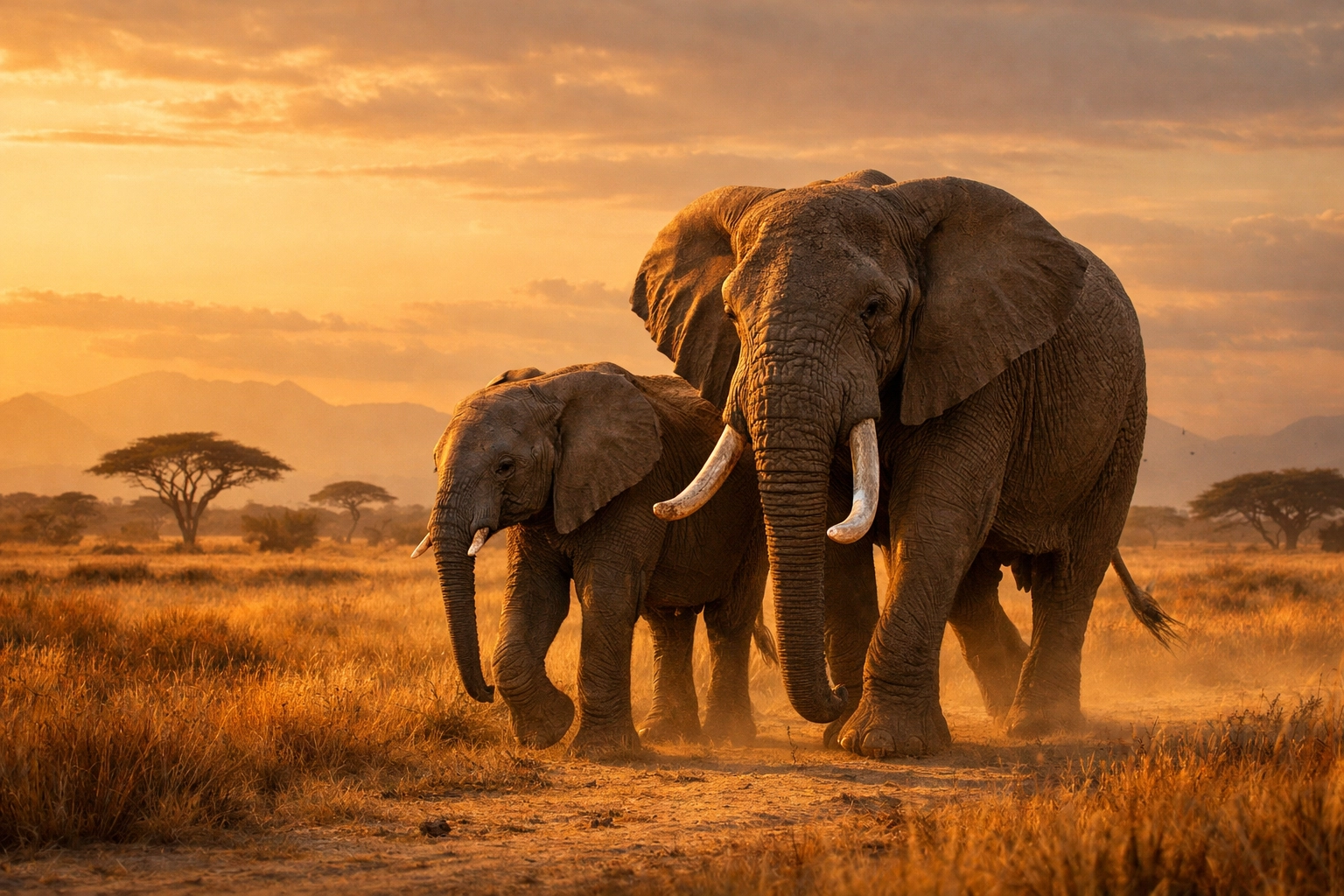
Dominance in the elephant world isn't just about physical prowess; it's about genuine leadership. When an alliance is ready to move, the top-ranking bull doesn't just walk away and hope the others follow. He uses a low-frequency "let's go" rumble: an infrasonic call that can travel for miles.
If a younger bull is being stubborn or distracted, the leader might even physically guide him toward the new location. This suggests a level of care and group cohesion that goes far beyond "survival of the fittest." They look out for each other. They move as one.
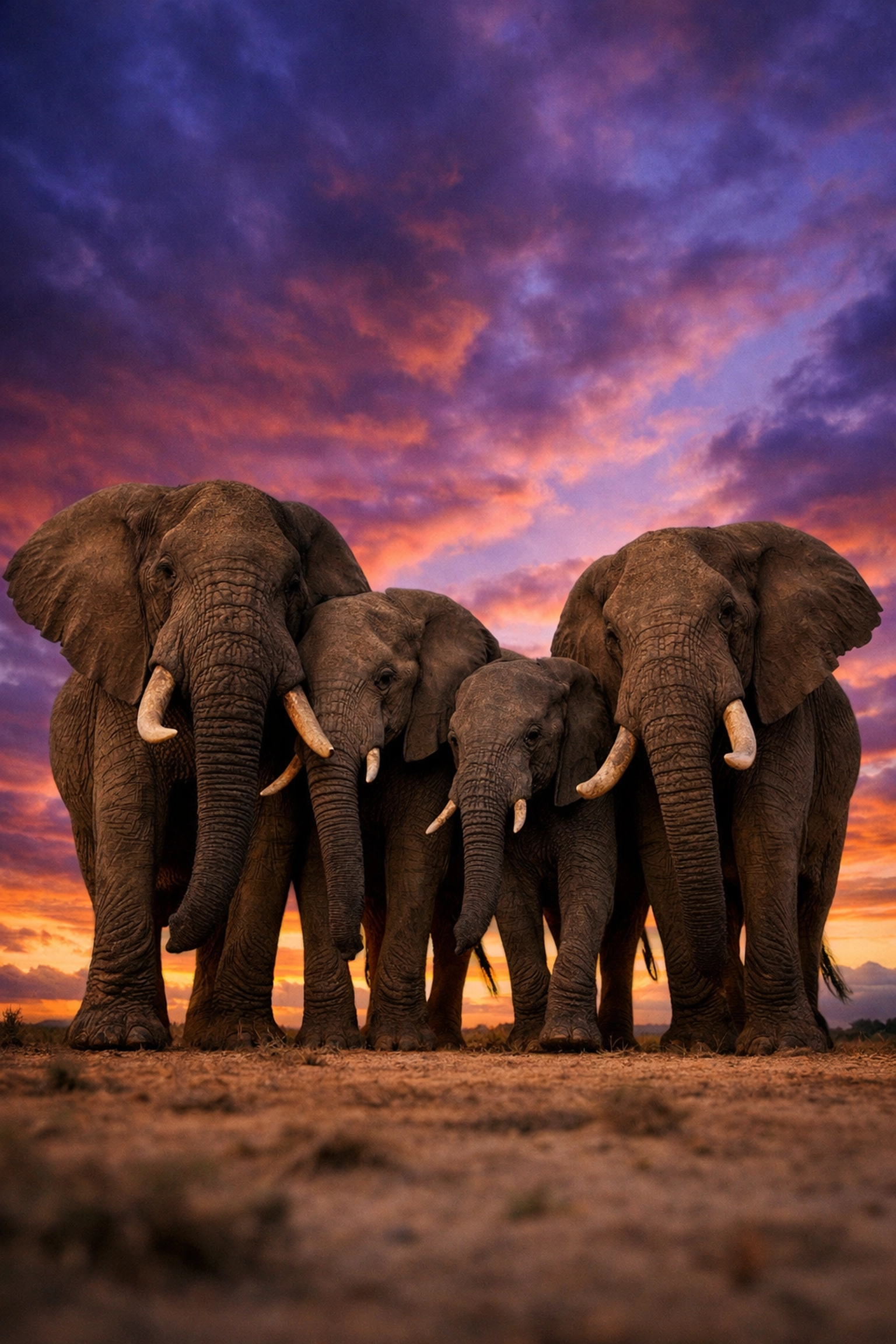
For those who love gay adventure romance, this image of a band of brothers navigating a vast, dangerous landscape together is incredibly resonant. It’s about the journey, the shared risks, and the bond that keeps them together when things get tough.
Why This Matters to Us
At Read with Pride, we believe that representation matters: not just in the books we publish, but in how we view the natural world. Seeing "queer-coded" behavior in nature: the deep male bonds, the physical affection, the non-traditional family structures: reminds us that our own lives and relationships are part of a much larger, much more beautiful tapestry.
Nature isn't a monolith of heterosexual nuclear families. It’s diverse, it’s complex, and it’s full of "gentle giants" who find strength in each other’s company. Whether you’re reading a gay historical romance or a gay fantasy romance, you’re tapping into that same universal need for connection that an elephant feels when he rumbles to his best friend across the plains.
Discover More Stories of Connection
If these tales of elephant alliances have you in the mood for more stories of deep bonds and found families, we’ve got you covered. From the best MM romance of 2026 to timeless gay literature, our collection celebrates love in all its forms.
- Looking for a new obsession? Explore our new gay releases.
- In the mood for something specific? Check out our MM romance tropes list.
- Want to support queer creators? Visit our author sitemap to find your next favorite writer.
The world is a big place, and just like the African elephant, none of us have to navigate it alone. Keep seeking your tribe, keep leaning on your friends, and always Read with pride.
Stay connected with the herd:
- Follow us on Facebook
- Join the conversation on X (Twitter)
- Get your daily dose of pride on Instagram
- Browse our full library at readwithpride.com
#ElephantAlliances #NatureIsQueer #ReadWithPride #MMRomance #LGBTQBooks #GayFiction #AnimalBehavior #GentleGiants #QueerNature #FoundFamily

Leave a Reply
You must be logged in to post a comment.