

readwithpride.com
When we think of Ancient Greece, our minds usually drift to sun-drenched marble, philosophical debates in the agora, and, let’s be honest, the legendary bonds between men. We’ve all devoured those MM romance books that paint a picture of stoic warriors and brilliant scholars finding love in each other's arms. But there’s a side of this history that often gets pushed into the shadows: the women who kept the world turning while the men were busy inventing democracy and perfecting the phalanx.
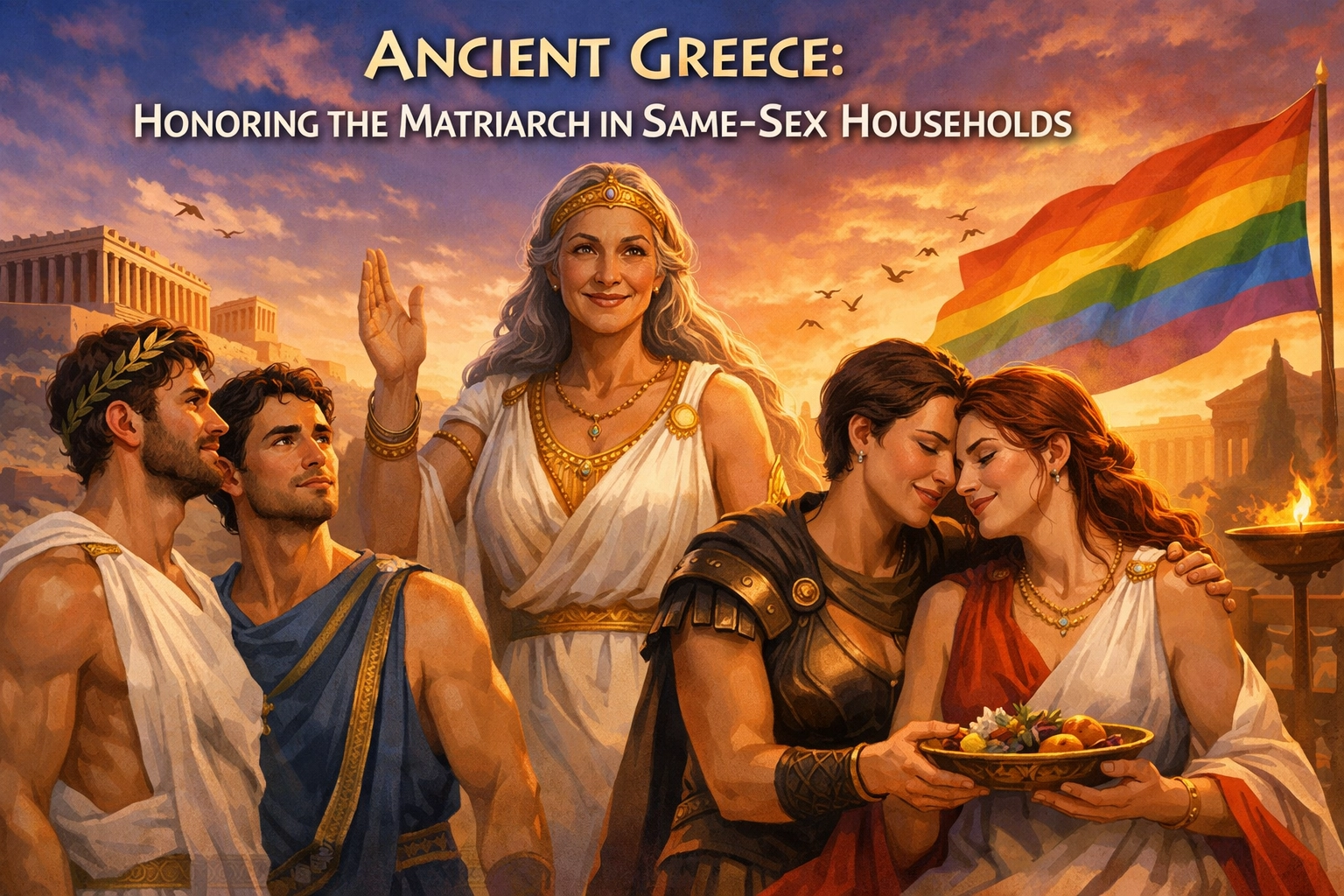
As we approach Mother’s Day in 2026, it’s the perfect time to look back at how same-sex male pairs might have honored the matriarchs of their families. Even in a society as patriarchal as Classical Athens, the "Mother" was a figure of immense internal power. For a gay man in Ancient Greece, his mother wasn't just a parent; she was the guardian of the Oikos (the household) and his most vital link to his lineage.
The Power of the Kyria: More Than Just a Housekeeper
In the heart of an Athenian home, the mother reigned as the Kyria. While the men were out at the gymnasium or the assembly, she was the CEO of the domestic sphere. For a young man involved in an erastes-eromenos relationship: the socially accepted bond between an older mentor and a younger man: the mother’s influence was subtle but profound.
Imagine a young eromenos (the beloved). He’s navigating the intense social pressures of high-society Athens. His mentor, his lover, is teaching him politics and warfare. But when he returns home, it is his mother who manages the estate, directs the servants, and ensures the family’s reputation remains untarnished. Honoring her wasn't just a duty; it was an act of survival and respect.
In many gay historical romance novels, we see the tension between public duty and private desire. In Ancient Greece, a man’s mother was often the bridge between those two worlds. To honor her was to honor the foundation upon which his own freedom was built.
Gifts of Oil, Weaving, and Poetry
So, how did a same-sex pair honor the matriarch? They didn't have flower delivery apps in 350 BCE, but they certainly knew how to show appreciation.
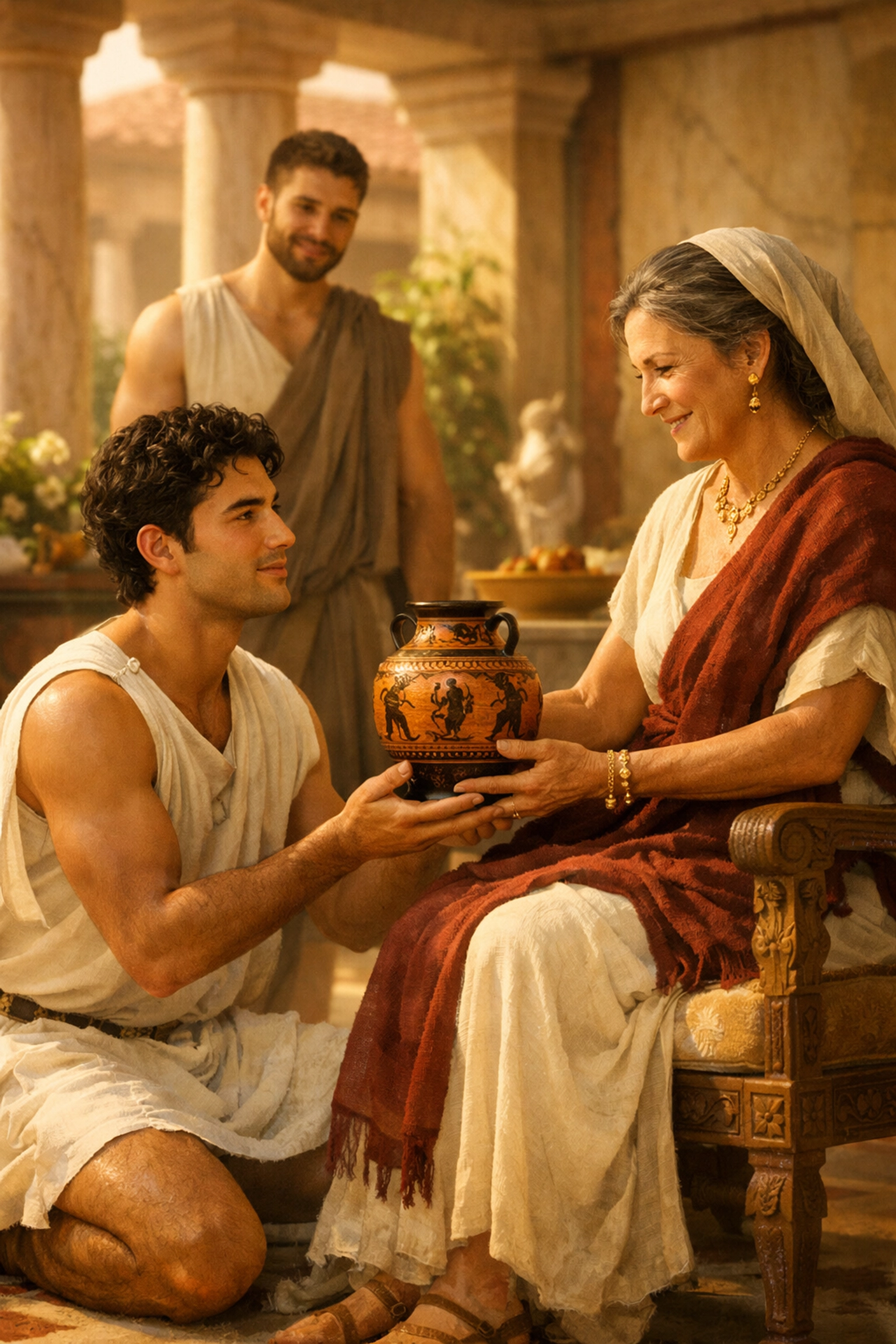
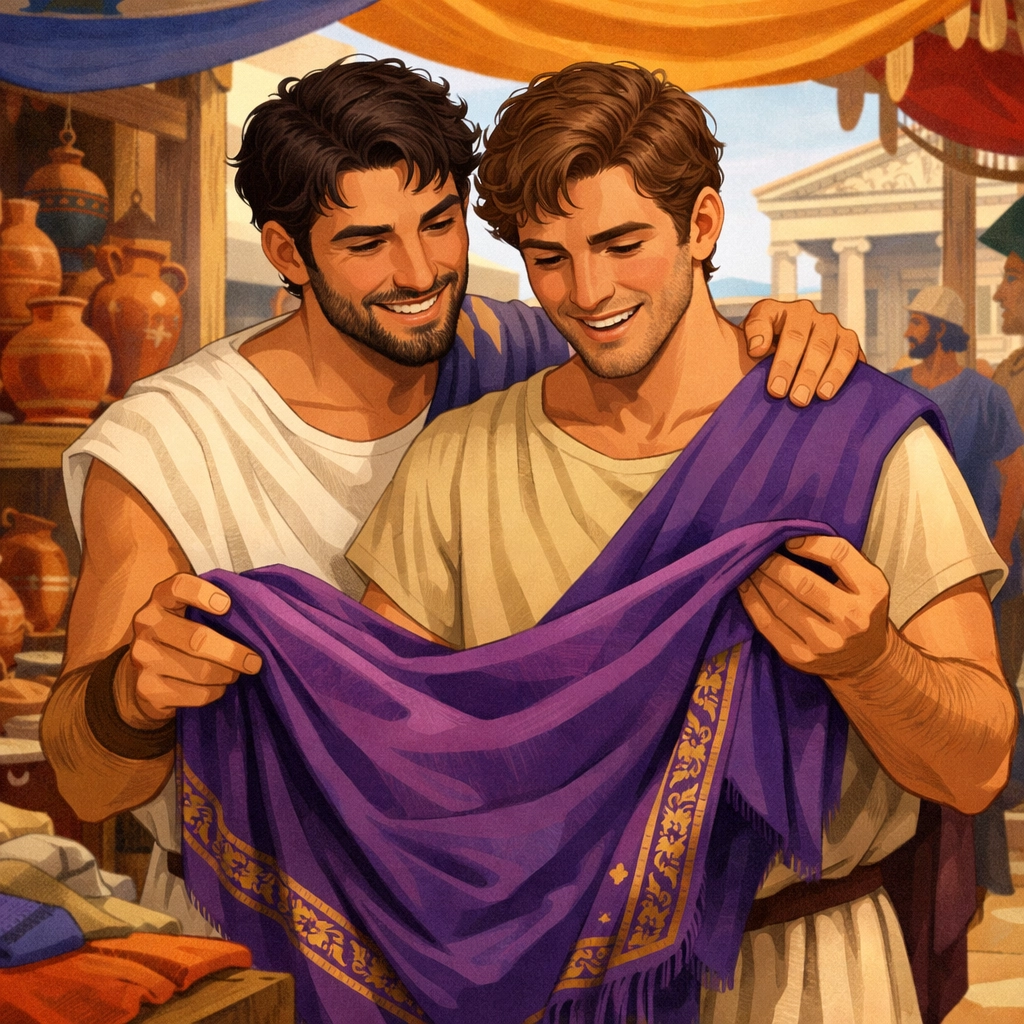
- The Gift of Fine Textiles: In Ancient Greece, weaving was the ultimate sign of a virtuous and skilled woman. A son might commission a specialized loom or bring home the finest wool from the market to gift his mother.
- Sacred Oils and Perfumes: Scent was a luxury. To honor a mother during a festival, a son and his partner might offer her precious oils from the East, housed in beautifully painted lekythoi (vases).
- Dedicated Poetry: We know the Greeks loved their lyric poetry. It wasn't uncommon for men to commission verses: not just for their lovers, but to celebrate the "nurturing spirit" of their mothers.
At Read with pride, we love these details because they remind us that queer history isn't a vacuum. It’s a tapestry woven with family, tradition, and the quiet strength of those who supported us from the beginning. If you’re looking for stories that capture this vibe, check out our gay romance novels section for historical picks that dive deep into the ancient world.
The Spartan Exception: Matriarchs of Steel
If Athens was about the Oikos, Sparta was about the State. But ironically, Spartan women had way more freedom. They owned land, they exercised, and they were famously "the only women who gave birth to real men."
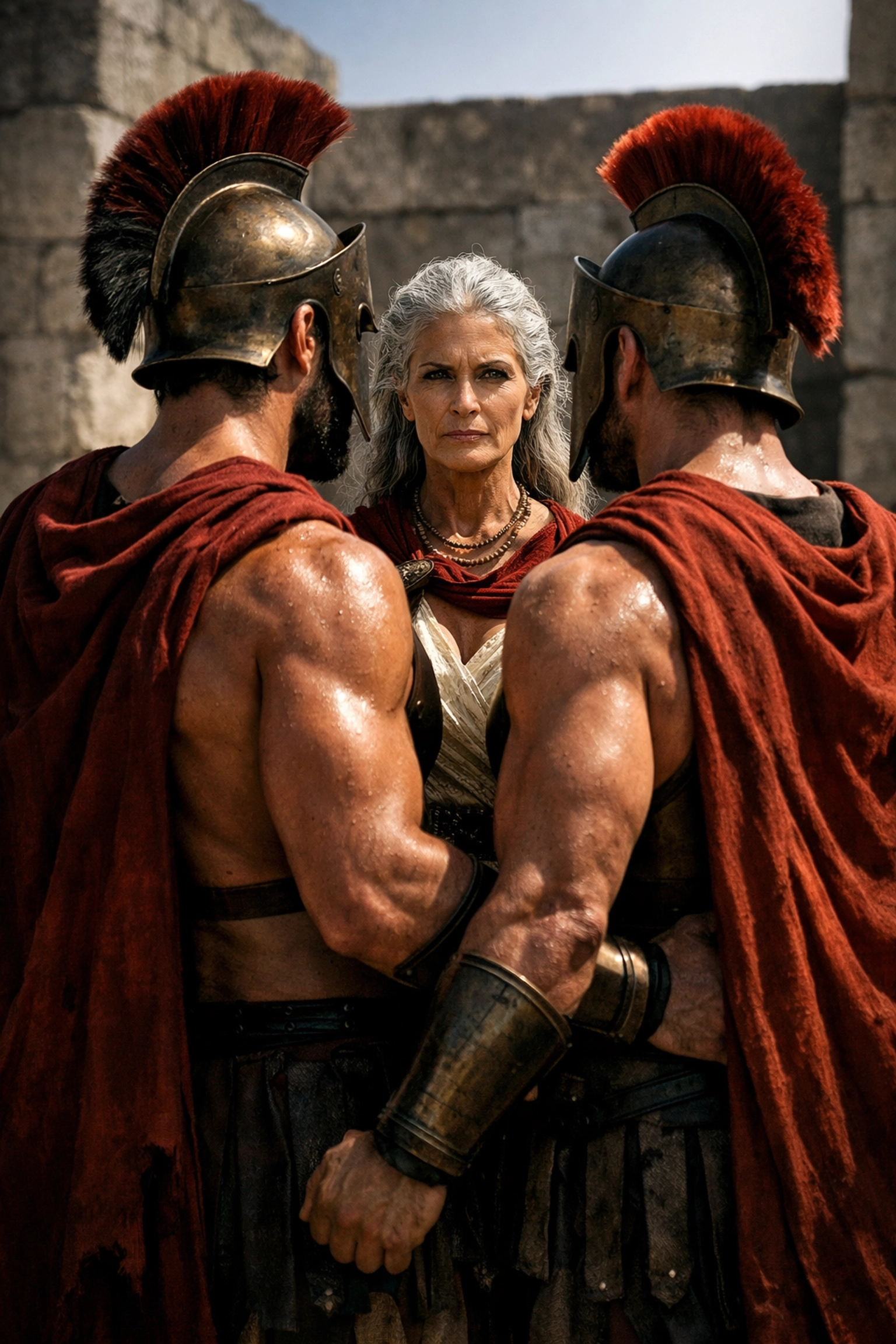
In a Spartan same-sex household (if we can call the barracks-style living that), honoring a mother was legendary. A Spartan mother didn't want flowers; she wanted her son to come back "with his shield or on it." For two male lovers fighting side-by-side in the Great Social War, the greatest honor they could give their mothers was their bravery and their commitment to the Spartan code.
There’s a unique flavor of MM romance books set in Sparta that highlights this. The "matriarch" here isn't a soft figure in the background; she’s a formidable force of nature. Honoring her meant living up to her impossible standards. For more on these high-stakes tropes, you might enjoy The Swordsman's Compass, which touches on the intersection of duty and devotion.
Why We Tell These Stories in 2026
You might ask, "Penny, why are we talking about 2,000-year-old mothers in a blog about LGBTQ+ fiction?"
Because representation matters across all timelines. When we read gay fiction or queer fiction that explores historical settings, we are reclaiming our place in the human story. We aren't just "new" or a "trend." We have always been here, navigating the same family dynamics, the same joys, and the same need to make our mothers proud: even if our "mothers" were fierce Spartan queens or Athenian house-regents.
In 2026 gay books, we are seeing a resurgence of "found family" tropes, but also a deep dive into biological roots. How do we, as gay men, reconcile our identities with the traditions of our ancestors? The Greeks had a head start on this. They understood that love (Eros) and familial duty (Philia) could coexist, even if the legal structures of the time didn't always make it easy.
Building Your Own Historical Library
If you’re a fan of MM historical romance, there’s something incredibly satisfying about seeing our community reflected in the ancient past. Whether it’s a story about a hidden romance in the shadows of the Parthenon or a sweeping epic about Alexander the Great, these books remind us that love is timeless.
Check out some of our curated lists to find your next obsession:
Final Thoughts: A Toast to the Mothers
Whether you’re a gay man today planning a brunch for your mom or a Greek youth in 400 BCE bringing home a jar of honey, the sentiment remains the same. Matriarchs have always been the silent (and sometimes not-so-silent) pillars of our community.
Ancient Greece gives us a blueprint for a world where same-sex love was integrated into the fabric of society, even if it looked different than it does today. By honoring the matriarchs, those ancient men acknowledged that their lives were made possible by the strength of the women who came before them.
At Readwithpride.com, we celebrate all forms of love and all types of families. This Mother's Day, why not pick up a gay love story that honors the complexity of family? Or better yet, check out our author spotlight to see how modern writers are reimagining these ancient bonds.
Stay authentic, stay curious, and keep reading with pride.
#LGBTQ #AncientGreece #GayHistory #MMRomance #ReadWithPride #MothersDay2026 #QueerLiterature #GayBooks #HistoricalFiction #GayRomanceNovels
Follow us for more queer history and book recs:
Explore our full collection: readwithpride.com

Leave a Reply
You must be logged in to post a comment.