

readwithpride.com
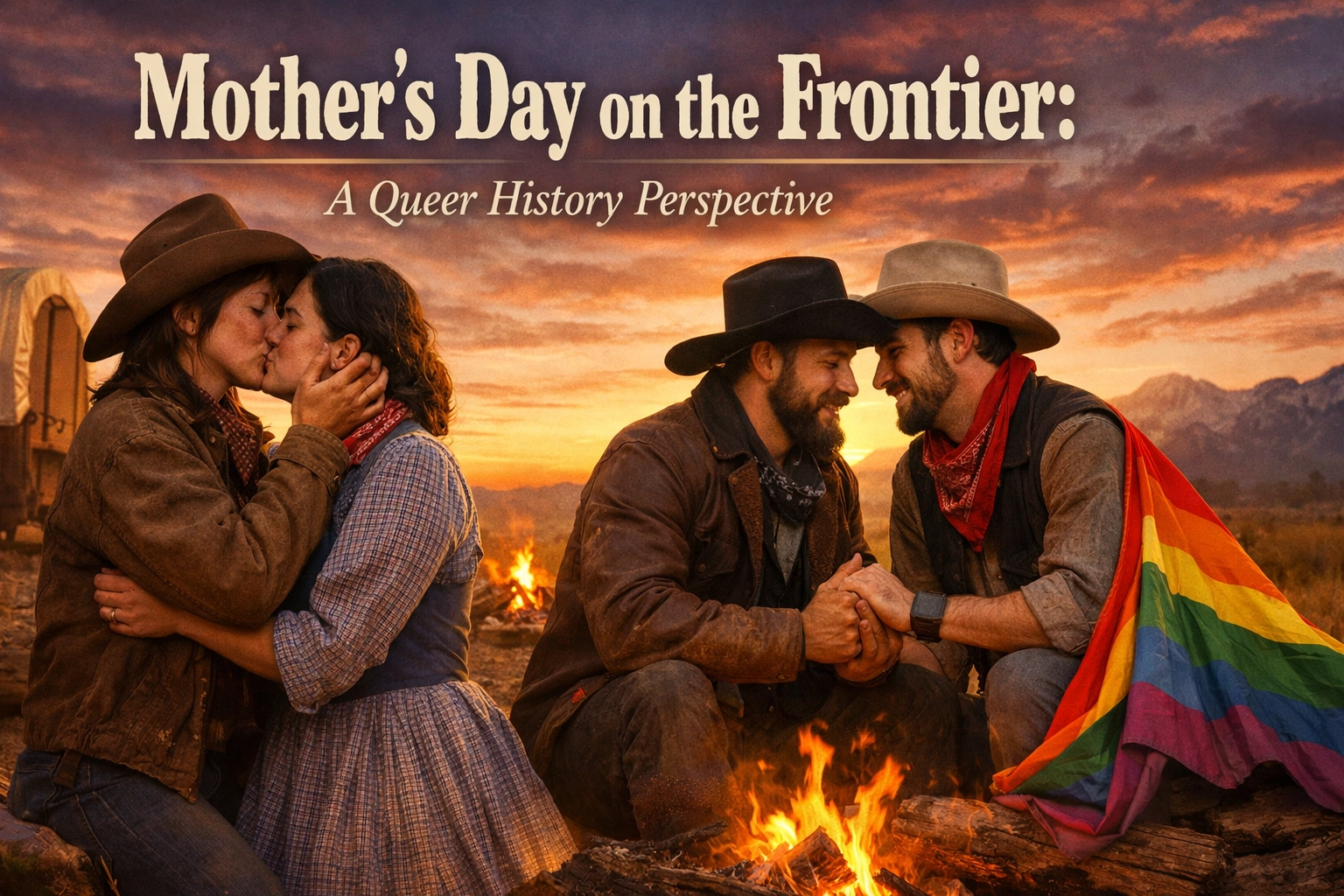
When we think of Mother’s Day, our minds usually drift to brunch, bouquets of carnations, and sentimental cards. But here at Read with Pride, we like to dig a little deeper into the dusty archives of history. If we look back at the American Old West through a queer lens, we find that "motherhood" wasn't always a role defined by biological sex or traditional gender norms. On the frontier, where survival often trumped social etiquette, the concept of the "mother" frequently shifted, sometimes landing on the shoulders of the very men we now celebrate in our favorite MM historical romance novels.
In honor of Mother’s Day 2026, let’s take a ride through the past to see how gay men and queer-coded individuals occupied maternal spaces in a world of saloons, stagecoaches, and secret loves.
The "Camp Mother" of the Mining Towns
In the mid-to-late 19th century, the American West was overwhelmingly male. In many mining camps and logging outposts, women were non-existent. This demographic imbalance forced a fascinating evolution of social roles. Men had to cook, mend clothing, and provide emotional support: tasks that the Victorian era strictly labeled as "women's work."
Within these hyper-masculine spaces, certain men naturally stepped into a nurturing role. Historical accounts often whisper about the "Camp Mother": a man, often older or more experienced, who looked after the "greenhorns." These men weren't just teaching the youngsters how to pan for gold; they were providing the emotional labor typically associated with motherhood.
For the queer man on the frontier, this role offered a unique form of protection and community. By becoming the "nurturer," a man could express a softer side that might otherwise be mocked. In the world of queer fiction, we often see this manifest as the "Found Family" trope, where a grizzled frontiersman takes a younger man under his wing, creating a bond that is part mentorship, part maternal care, and: if we're lucky: a whole lot of gay romance.
Domesticity in the Bachelor’s Shack
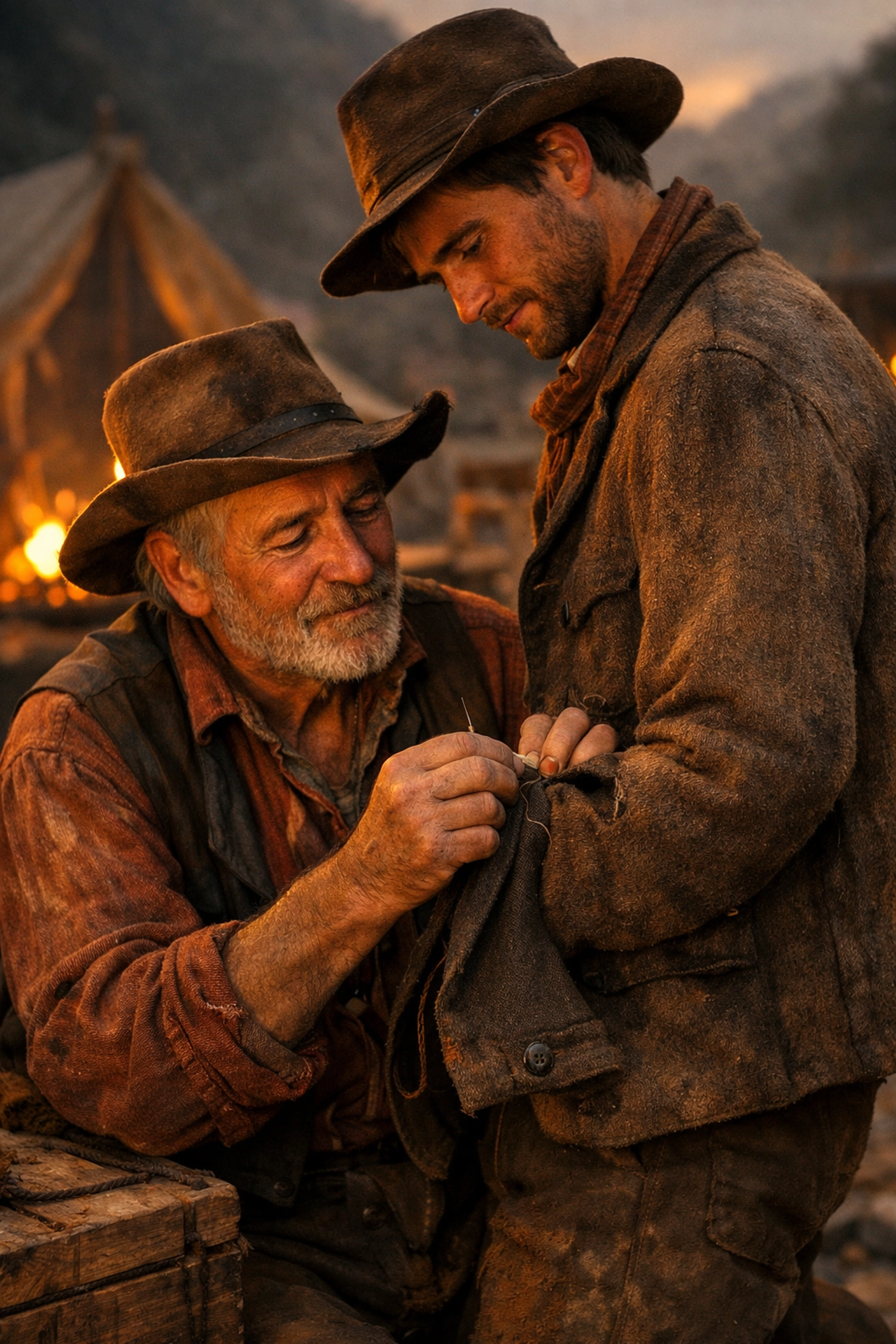
While many stories of the Old West focus on gunfights and rugged individualism, the reality for many men was much more domestic. "Bachelor marriages" or "Boston marriages" (though the latter usually referred to women) were common. Two men would live together for decades, sharing a bed, a bank account, and the daily chores of life.
In these partnerships, one man often took on the more "maternal" domestic duties. They weren't just roommates; they were life partners building a home in a wilderness that didn't have a name for their love yet. This intersection of gay identity and domesticity is a cornerstone of MM romance books. It challenges the idea that the frontier was purely a place of toxic masculinity.
Imagine a Mother’s Day on the frontier in 1880. There might not have been a Hallmark card, but there was a shared meal, a hand held by the fire, and a deep, quiet recognition of the person who made the shack feel like a home. At Readwithpride.com, we celebrate these quiet histories because they remind us that queer love and care have always been part of the American story.
The Mentors: Mothering the Next Generation of Queer Men
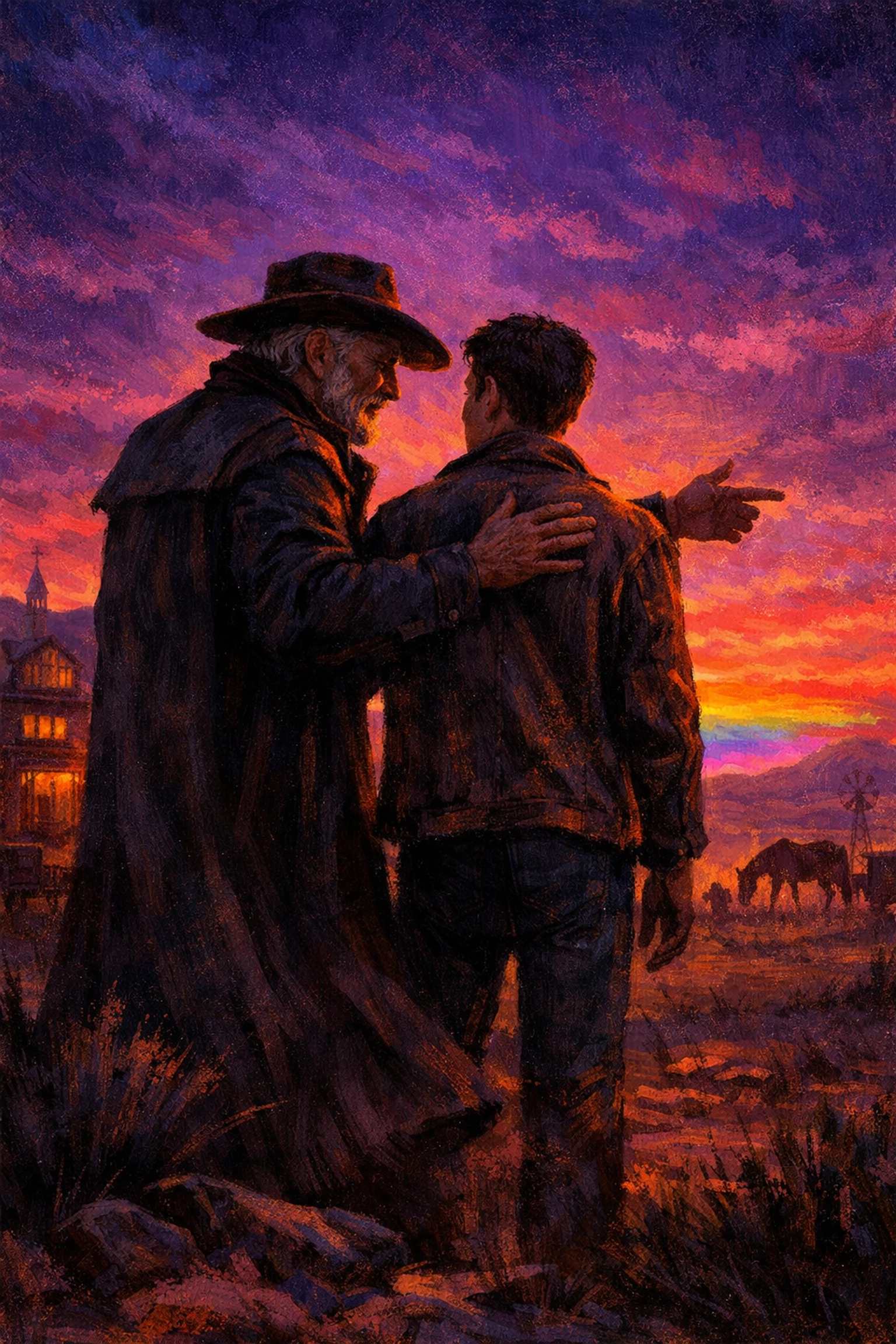
Motherhood is, at its core, about guidance and the passing down of wisdom. In the 19th and early 20th centuries, young queer men moving West to escape the stifling expectations of the East often found "mothers" in the form of older gay men who had already navigated the dangers of the frontier.
These mentors provided a "maternal" safety net. they taught the younger generation how to spot the "codes": the subtle signals used to identify a fellow traveler in a dangerous world. They offered a place to stay, advice on how to avoid the law, and the validation that their feelings were natural. This lineage of queer mentorship is a beautiful, non-biological form of motherhood that kept our community alive during the darkest times.
If you’re looking for stories that capture this blend of grit and tenderness, our collection of gay historical romance is the perfect place to start. You can browse our latest releases at https://readwithpride.com/product-sitemap1.xml.
Beyond the Frontier: A Legacy of Queer Nurturing
As we moved into the early 20th century, the concept of the "House Mother" began to take shape in urban centers, but the seeds were sown on the frontier. The gay men who nurtured their "found families" in the 1800s paved the way for the legendary drag mothers and community leaders of the later decades.
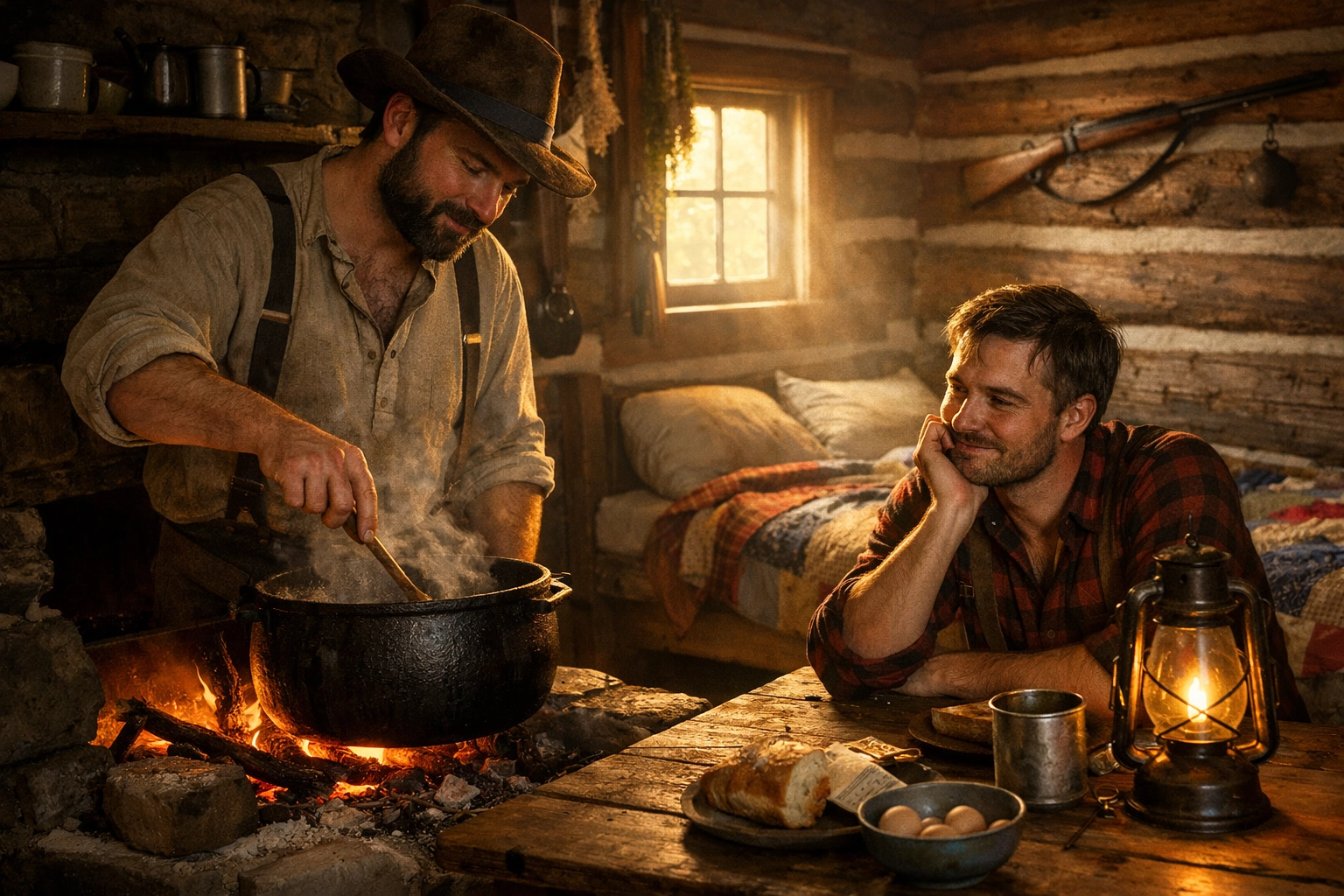
Whether it was a miner in 1870 mending his partner's socks or a "Ballroom Mother" in 1980 teaching her children how to walk the runway, the spirit is the same. It’s about creating a space where love is unconditional and survival is a collective effort. This Mother’s Day, we aren't just celebrating biological mothers; we’re celebrating the gay men who stepped into the gap, the queer elders who mothered us when no one else would, and the fictional characters in gay novels who show us what that love looks like.
Finding These Stories Today
The history of the queer frontier is often hidden between the lines of dusty journals, but in 2026, we have the power to bring these stories to the light. MM historical romance writers are doing incredible work researching these "domestic" frontier lives to bring us authentic, heartfelt stories of gay love.
At Read with Pride, we believe that representation matters. Our mission as a Publisher is to ensure that these narratives: where men can be heroes, lovers, and "mothers" all at once: are available to everyone. From steamy MM romance to heartfelt gay fiction, the frontier is a landscape ripe for exploration.
Check out our curated lists of popular gay books and new gay releases to find your next favorite read:
Why We Celebrate Queer History on Mother's Day
Reclaiming Mother’s Day through a queer lens isn't about erasing traditional motherhood; it's about expanding the definition of what it means to care for another human being. It’s about recognizing the "moms" who didn't give birth but gave life to a community.
When you read a gay romance novel set in the Old West, look for those moments of maternal care. The man who stays up all night nursing his injured partner back to health? That’s motherhood. The elder who protects the town's "outcast"? That’s motherhood. The author who spends months researching historical queer codes to give us an authentic story? You guessed it: nurturing the community.
Conclusion: Honor Your Found Family
This Mother’s Day, take a moment to thank the people in your life who have "mothered" you, regardless of their gender or biological relation. If you’re spending the day solo, why not dive into a great gay eBook? There’s no better way to celebrate our history than by supporting the queer authors who keep it alive.
Whether you're into MM fantasy, gay thriller, or a good old-fashioned MM contemporary romance, we’ve got you covered.
Stay authentic, stay proud, and keep reading!
Join the conversation and follow our journey:
- Facebook: Read with Pride
- Instagram: @read.withpride
- X: @Read_With_Pride
- Website: readwithpride.com
#QueerHistory #MothersDay2026 #MMRomance #GayHistoricalRomance #ReadWithPride #LGBTQBooks #GayFiction #FoundFamily #OldWestQueer
Looking to publish your own queer story? Learn more about our platform designed for our stories at Publishing with Pride.

Leave a Reply
You must be logged in to post a comment.