

readwithpride.com
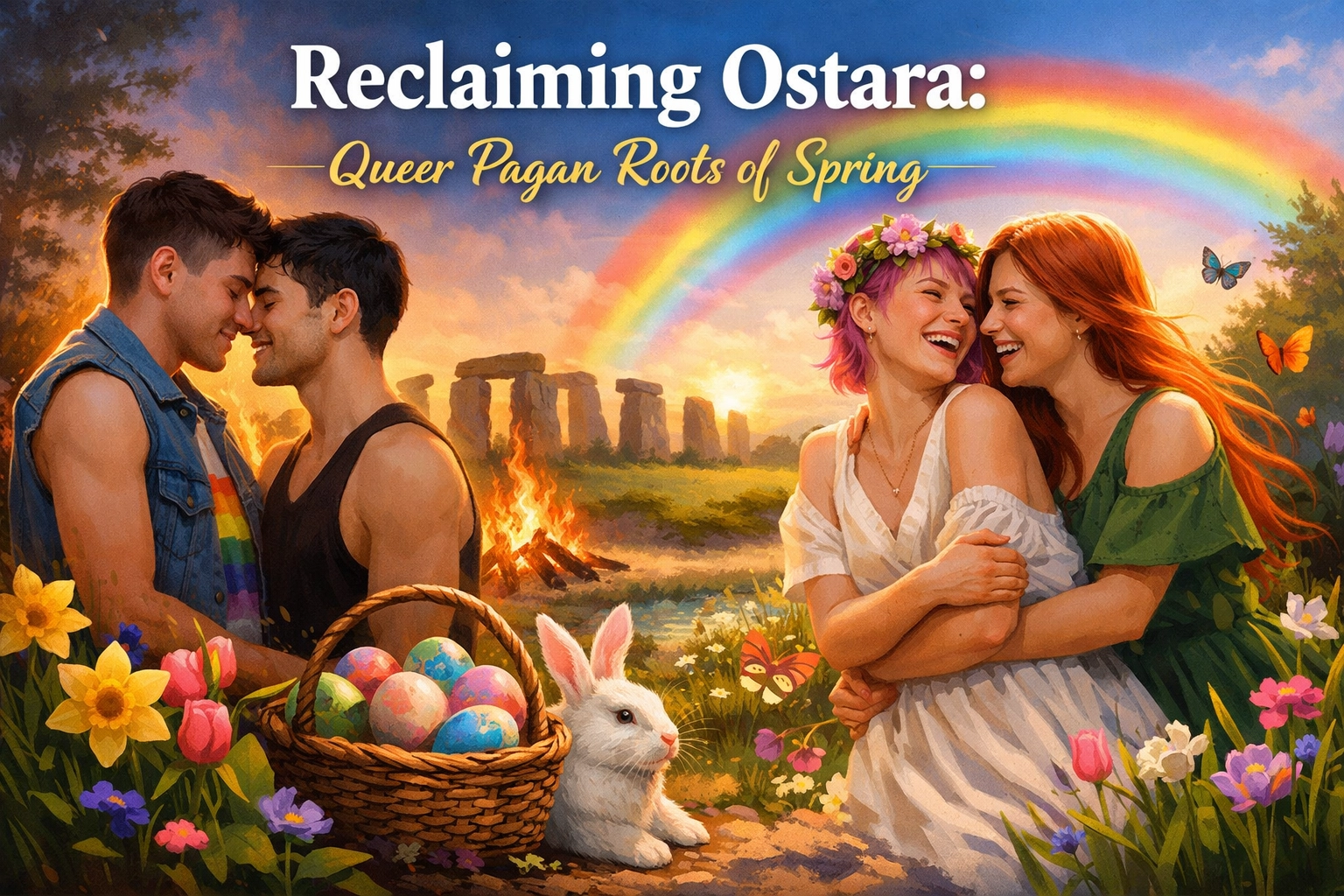
Spring is officially springing. While the rest of the world is currently duking it out in the grocery store aisles over the last bag of Reese’s Peanut Butter Eggs, some of us are looking for something a bit more… grounded. If you’ve ever felt like the traditional, pastel-coated version of Easter didn’t quite have a seat for you at the table, you aren’t alone. For many in the LGBTQ+ community, the season of rebirth isn't about bunnies and bonnets: it’s about Ostara.
Reclaiming the pagan roots of the spring equinox isn't just a TikTok trend; it’s a deep, authentic return to a spirituality that actually celebrates the "in-between" spaces we inhabit. Today at Read with pride, we’re diving into why Ostara is the ultimate queer holiday and how you can celebrate the balance of light and dark in 2026.
What Exactly is Ostara?
Before we get into the glitter and the grassroots, let’s talk history: with a side of honesty. Ostara is the celebration of the Vernal Equinox, the moment when day and night are of equal length. The name comes from Eostre (or Ostara), a Germanic goddess of the dawn and fertility.
Now, if you look at the history books, you’ll find that while the goddess Eostre was mentioned by the monk Bede in the 8th century, the "holiday" as we know it today was largely popularized in the mid-20th century by Gerald Gardner and the rise of modern Wicca. But here’s the thing: just because a tradition is "modern" doesn't mean its roots aren't ancient. Humans have been celebrating the return of the sun since we first realized that winter eventually ends.
For the queer community, the "modern reconstruction" of Ostara is actually perfect. We are a people of reconstruction. We take what was broken or hidden and we build something beautiful from the pieces. Ostara represents that moment of transition: the bridge between the cold isolation of winter and the blooming heat of summer. And if there’s one thing queer folks know, it’s how to navigate a transition.
Why Paganism and Queer Identity Go Hand-in-Hand
Have you ever noticed how many queer people are drawn to witchcraft, paganism, and earth-based spirituality? It’s not just because we look great in black (though we do). It’s because traditional dogmatic religions have spent centuries trying to prune us out of the garden.
Paganism, by contrast, looks at nature and sees variety. Nature doesn't have a "standard." There are flowers that change sex, birds that pair up in same-sex bonds, and fungi that have thousands of genders. When we celebrate Ostara, we aren't just celebrating "fertility" in the heteronormative, "let's make a baby" sense. We are celebrating abundance. We are celebrating the fertility of ideas, the blooming of our true selves, and the wild, untamed diversity of the natural world.
In the world of MM romance books and queer fiction, we see this same theme of "blooming." Characters often spend their "winter" in the closet or in stifling environments, only to experience an "Ostara moment" where they finally step into the light. Whether you're reading a steamy gay fantasy romance or a heartfelt contemporary novel, that theme of rebirth is universal.
Symbols of the Season: Eggs, Rabbits, and Queerness
You might think the Easter Bunny is a corporate invention designed to sell chocolate, but the rabbit has been a symbol of the spring equinox for ages. Why? Because they are incredibly prolific and they represent the sudden, frantic energy of life returning to the earth.
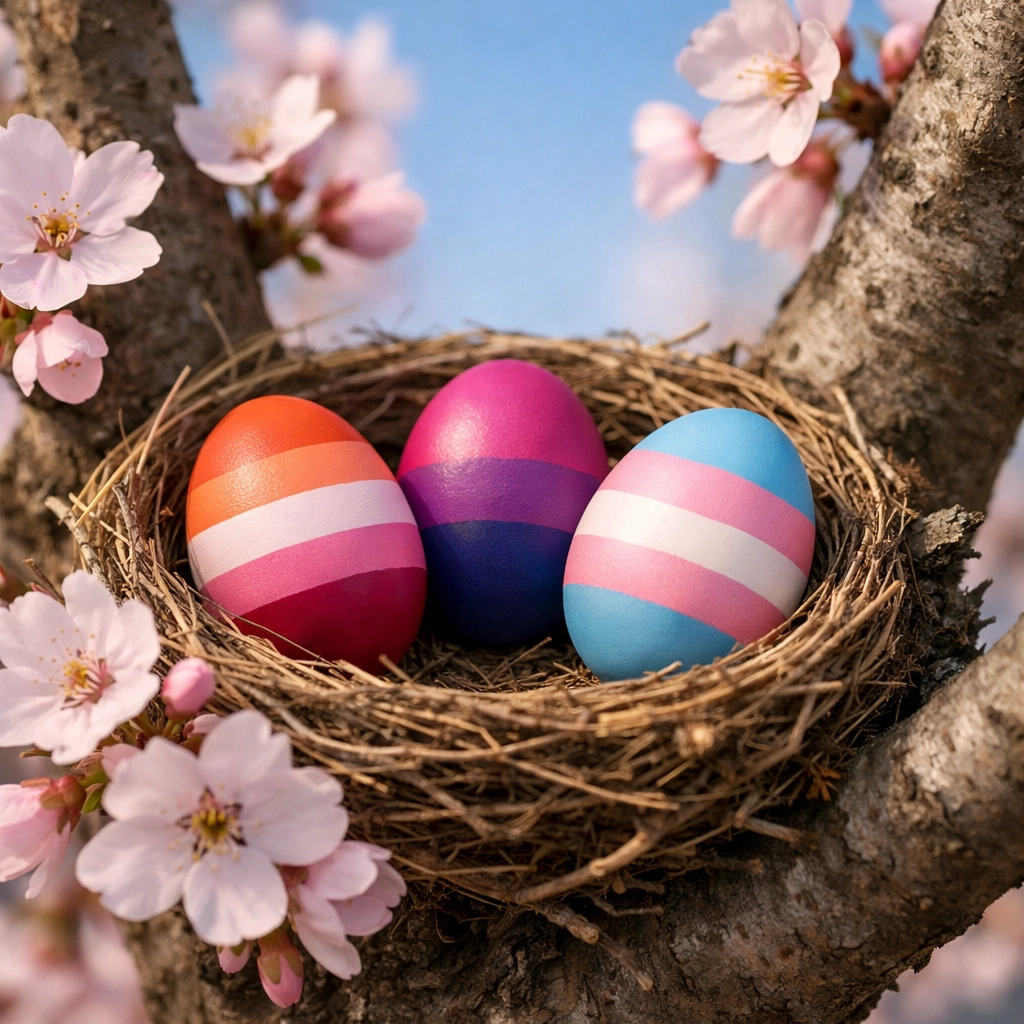
Then there’s the egg. The cosmic egg is a symbol of the entire universe: containing all possibilities within a single shell. For a queer person, the egg is a powerful metaphor. It’s the "closet" before the breakthrough. It’s the potential of who we are before we hatch into the world. In many pagan rituals, eggs are painted not just with pretty colors, but with sigils, intentions, and even the colors of our pride flags.
Reclaiming these symbols means taking them back from the "family-friendly" (read: heteronormative) filters of modern Easter and acknowledging their raw, earthy power. It’s about recognizing that our "fertility" as queer people comes from our creativity, our art, and our chosen families.
Ostara vs. Easter: The Great Spring Divide
Let’s be real: Easter can be a bit of a minefield for the LGBTQ+ community. Between the heavy religious overtones and the "traditional family values" pressure, it can feel like a holiday we’re just visiting.
Ostara offers an alternative. While Easter is fixed to a lunar calendar based on ecclesiastical rules, Ostara is fixed to the earth itself. You don't need a church to celebrate the equinox; you just need to feel the sun on your face and notice the buds on the trees.
For many of us, reclaiming Ostara is an act of spiritual protest. It’s saying, "I don't need permission from an institution to celebrate the sacredness of life." We can create our own rituals, whether that's a brunch with our chosen family, a solo hike, or curling up with some popular gay books that make us feel seen.
Rituals for a Queer Ostara in 2026
If you’re looking to bring some pagan flair to your spring celebrations this year, here are a few ways to "queer" your Ostara:
- The Seed Sowing of Intentions: Get a biodegradable pot and some soil. As you plant a seed, think about a part of your queer identity you want to nurture this year. Maybe it’s being more out at work, or maybe it’s finally writing that gay romance novel you’ve had in your head. As the plant grows, so does your intention.
- The Balance Meditation: Since the equinox is about balance, take time to meditate on the balance within yourself. We all contain "masculine" and "feminine" energies, light and dark, public and private. Light a green candle and a yellow candle to represent the earth and the sun.
- Queer Storytelling: Spring is the time for new stories. Host a book club or a reading night. Dive into the best MM romance of 2026 or explore gay historical romance to see how our ancestors found their own "springtimes" in much darker ages.
- Color Magic: Move beyond pastels. Use the colors of the Progress Pride flag in your decorations. Each color has a meaning: life, healing, sunlight, nature, serenity, and spirit. These are the ultimate Ostara themes!
Finding Rebirth in Queer Literature
At Read with Pride, we believe that stories are the most powerful form of magic. When you read M/M books or queer fiction, you are engaging in a ritual of empathy and self-discovery.
The trope of "Spring Awakening" is huge in gay literature. Think about those "enemies to lovers MM romance" stories where the thaw between two characters mirrors the melting of the winter snow. Or "slow burn" stories where the tension builds like a bulb waiting to break through the frost. These stories aren't just entertainment; they are reflections of the natural cycles of growth and change.
If you’re looking for something to read this Ostara, why not check out some new gay releases? Whether you want a steamy MM romance or an emotional MM book that will make you cry happy tears, there’s no better time to start a new chapter.
Conclusion: The Sun Always Rises
Ostara reminds us that no matter how long or cold the winter was, the light always returns. As queer people, we have survived many winters: some political, some personal, some spiritual. But we are still here, and we are still blooming.
This year, don't just settle for a chocolate bunny. Reclaim the equinox. Celebrate your growth. Honor the "pagan queer" spirit that recognizes the divinity in being exactly who you are.
Happy Ostara from all of us at Read with Pride! May your spring be filled with light, love, and really, really good gay books.
Want to keep the celebration going?
Follow us for more queer content, book recommendations, and community vibes:
#Ostara #QueerPagan #SpringEquinox2026 #LGBTQBooks #ReadWithPride #MMRomance #PaganPride #GayFiction #ReclaimTheSpring #WitchyQueer

Leave a Reply
You must be logged in to post a comment.