

readwithpride.com
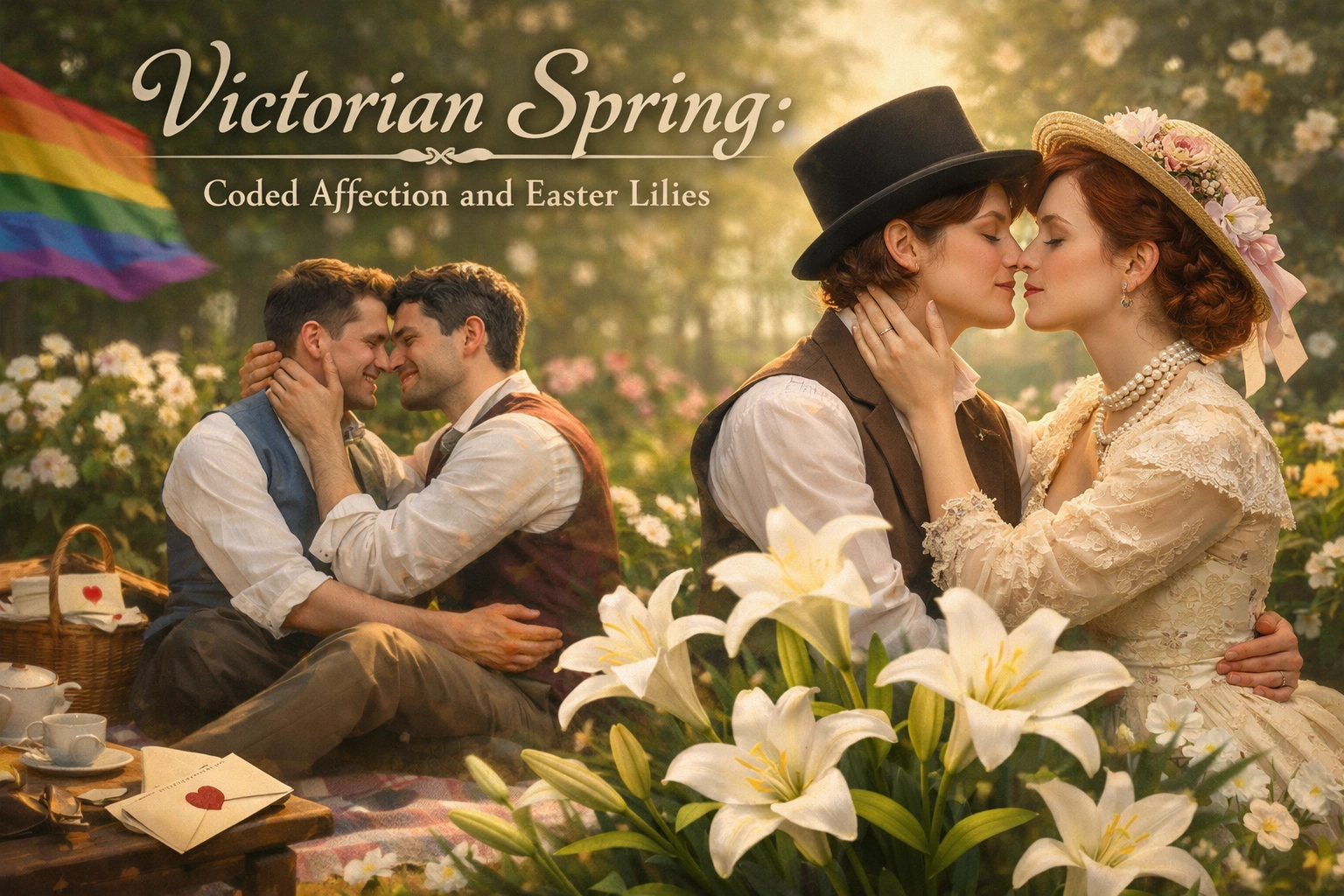
Spring in the Victorian era wasn't just about the thawing of the Thames or the frantic beating of rugs during spring cleaning. For the gentleman who harbored "the love that dare not speak its name," spring was a season of high-stakes communication. While the rest of London was obsessing over the height of their top hats, a secret community was busy mastering the art of floriography: the language of flowers.
At Read with Pride, we’ve always been suckers for a good trope, and nothing beats the "coded romance" of a Victorian setting. Whether you’re diving into gay historical romance or looking for the best MM romance books of 2026, there’s something eternally sexy about a love that has to be whispered through a bouquet of lilies and tucked-away notes.
The Original "If You Know, You Know"
The Victorians were, to put it mildly, repressed. Social etiquette was a minefield, and direct communication about feelings: especially between two men: was a one-way ticket to a very public scandal. But humans are nothing if not creative when they’re caught in the throes of a crush.
Floriography became the ultimate workaround. By the mid-1800s, floral dictionaries were as common as Bibles. Every bloom had a specific meaning, and the way you presented them mattered just as much as the flower itself. If you handed someone a rose upside down, you were literally reversing its meaning. It was the 19th-century version of a subtweet, but with much better aesthetics.
For gay men navigating this buttoned-up world, these codes were lifelines. A simple walk through a park during Easter celebrations could be a series of carefully orchestrated signals. From the tilt of a hat to the specific sprig of greenery pinned to a lapel, the Victorian spring was alive with hidden conversations.
The Easter Lily: A Symbol of Rebirth and Secret Purity
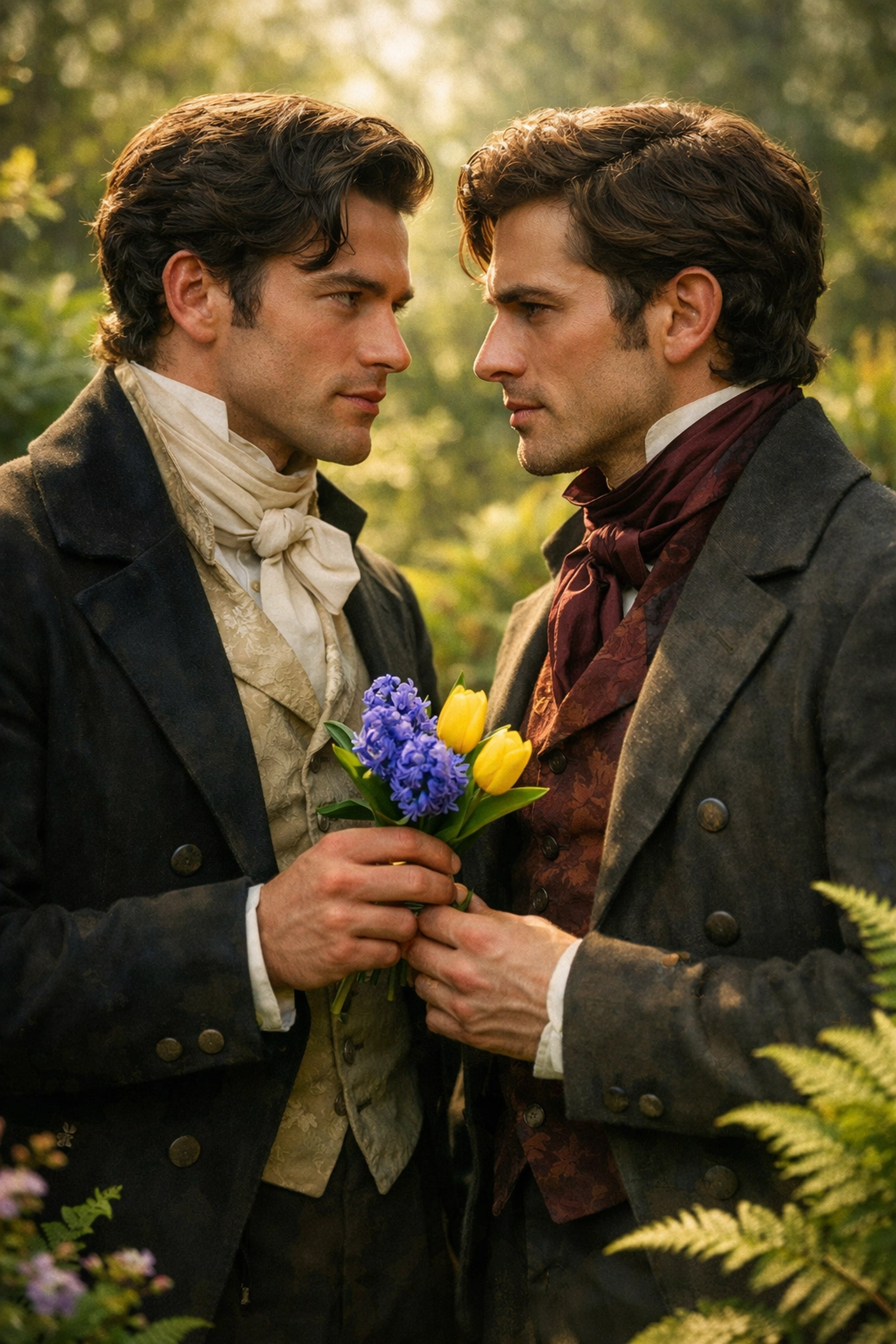
While the Easter lily is traditionally associated with the resurrection and the Virgin Mary, in the world of gay fiction and historical queer narratives, symbols often take on secondary, more subversive meanings. In the Victorian spring, the lily represented purity and majesty. For two men who felt their love was the purest thing in their lives: despite what the law said: the lily became a powerful, silent ally.
During Easter, when churches and homes were overflowing with these white blooms, a man could easily carry a single stem or gift a small arrangement without raising a single eyebrow. It was the perfect cover. In many MM historical romance novels, we see this played out: the tension of a shared glance over a vase of lilies, the brush of fingers as a flower is exchanged, and the heavy silence of everything that can't be said aloud.
Coded Affection Beyond the Garden
It wasn't just about the flowers, though they were the stars of the show. The Victorian spring allowed for "coded affection" in various forms. This was the era of the "Boston Marriage" (usually applied to women, but the male equivalent existed in bachelor flats across London) and "passionate friendships."
Men would often gift each other books: perhaps a volume of Whitman or Tennyson: with specific passages underlined. In 2026, we call this "sending a playlist," but back then, it was a dangerous and thrilling exchange of souls.
Spring also meant the return of outdoor activities. Rowing on the Thames or strolling through Kew Gardens provided the "forced proximity" trope that we love so much in MM romance books. Being seen together in public was acceptable under the guise of friendship, but the subtext was doing a lot of heavy lifting.
Why We Still Love the Victorian Trope in 2026
You might wonder why, in an age where we can be out and proud, we still gravitate toward these stories of hidden longing. The answer is simple: the tension.
There is something inherently romantic about a love that survives against all odds. When you read a gay love story set in 1880, every touch is electric because it’s forbidden. Every coded message is a triumph. At Read with Pride, we see a huge demand for MM historical romance because it reminds us of our history while delivering that "slow burn" that makes our hearts ache.
If you’re looking to explore this further, check out our historical romance section (we cover the 19th century too!). These stories aren't just about the struggle; they’re about the ingenuity of queer joy.
How to Spot the Codes in Your Favorite Gay Novels
When you’re reading your next gay romance novel, keep an eye out for these Victorian floral Easter eggs:
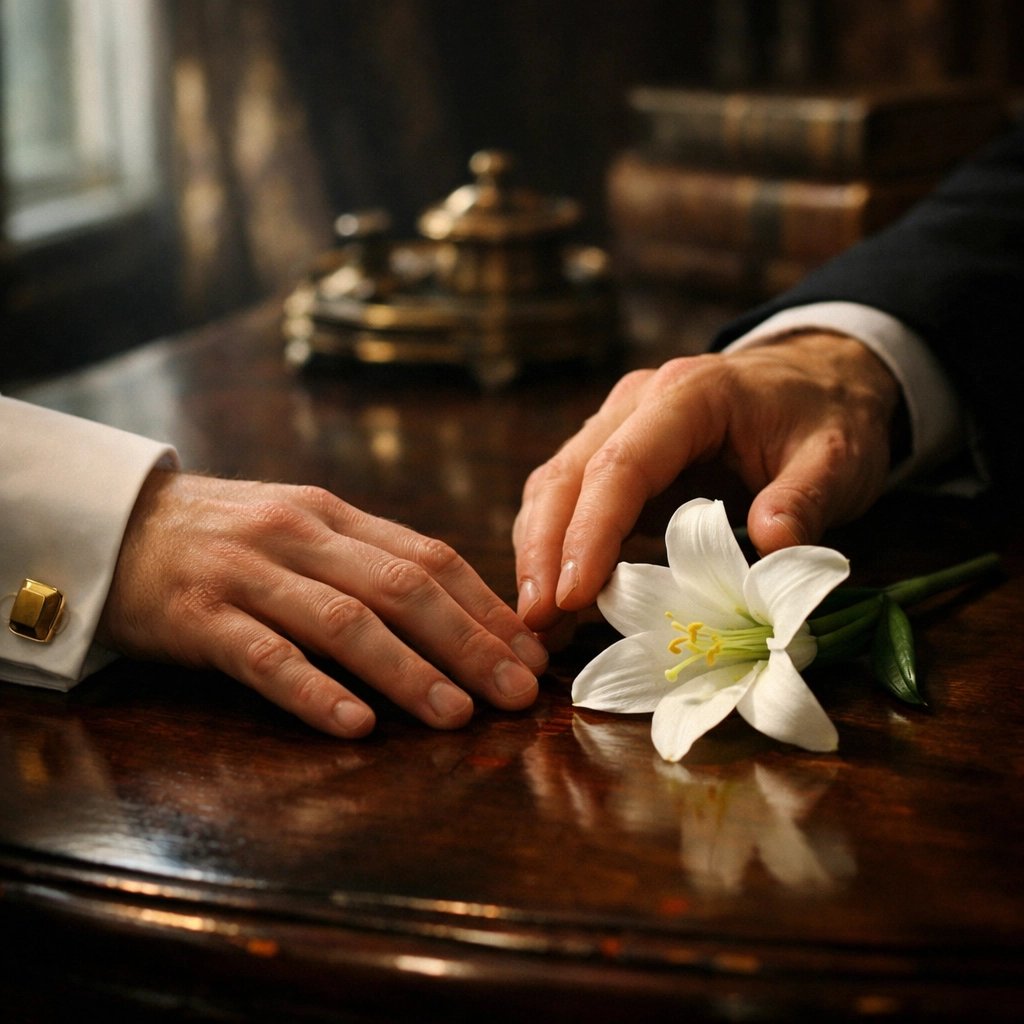
- Hyacinths: Often meant constancy or "play." If a hero gives another man a blue hyacinth, he’s promising he’s in it for the long haul.
- Yellow Tulips: These symbolized "hopeless love." In many MM novels, this is the ultimate "will-they-won't-they" signal.
- Lavender: While we associate it with the "Lavender Scare" of later years, even in the Victorian era, it was often linked to "distrust" or, more secretly, to those who lived outside the norm.
- Gorse: This bright yellow spring flower meant "enduring affection." It was rugged, sharp, and lasting: much like the men who had to hide their hearts to keep them safe.
Modern Spring: From Coded to Celebrated
Today, our Easter and Spring celebrations look a bit different. We don’t have to hide a red tulip in a bunch of ferns to tell someone we love them (unless we’re feeling particularly dramatic, which, let's be honest, we usually are).
Easter for the LGBTQ+ community today is often about "chosen family." It’s about brunch, bright colors, and reclaiming traditions that might have once felt exclusionary. But we carry that Victorian DNA with us. We still love our symbols, our "inside jokes," and our ability to find beauty in the margins.
Whether you are spending your spring curled up with a new gay thriller or a gay contemporary romance, remember that you are part of a long line of people who found ways to love, even when the world told them not to.
Your Spring Reading List
Ready to dive into a world of waistcoats and whispered secrets? We’ve got you covered. 2026 is a massive year for queer literature, and our shelves are packed.
- The Gentleman’s Secret: A classic MM historical romance set in 1890s London.
- Lilies and Lace: A spicy take on the "hidden identity" trope.
- The Language of Us: A modern MM contemporary that uses Victorian floriography as a central plot point.
You can find all these and more at readwithpride.com. We’re dedicated to bringing you the best LGBTQ+ fiction and popular gay books that celebrate every facet of our community.
Connect With the Community
Don't let the conversation end here! Join the Read with Pride book club and follow us on our socials to stay updated on the latest new gay releases.
- Facebook: Follow us here
- Twitter/X: Join the thread
- Instagram: See the latest covers
Spring is a time for growth, for blooming, and for reading. So grab a bouquet (check the meanings first!), find a sunny spot, and lose yourself in a story that reminds you why pride is a year-round celebration.
#MMRomance #VictorianStyle #QueerHistory #ReadWithPride #HistoricalRomance #GayBooks2026 #MMHistoricalRomance #GayLiterature #EasterLilies #Floriography #GayLoveStories
For more amazing content and the latest in LGBTQ+ ebooks, visit readwithpride.com. Whether you're into gay fantasy romance or steamy MM romance, we have the perfect story waiting for you.
Check out our full sitemap for more recommendations: Sitemaps or browse our author list to find your next favorite writer. Happy reading!

Leave a Reply
You must be logged in to post a comment.