

readwithpride.com
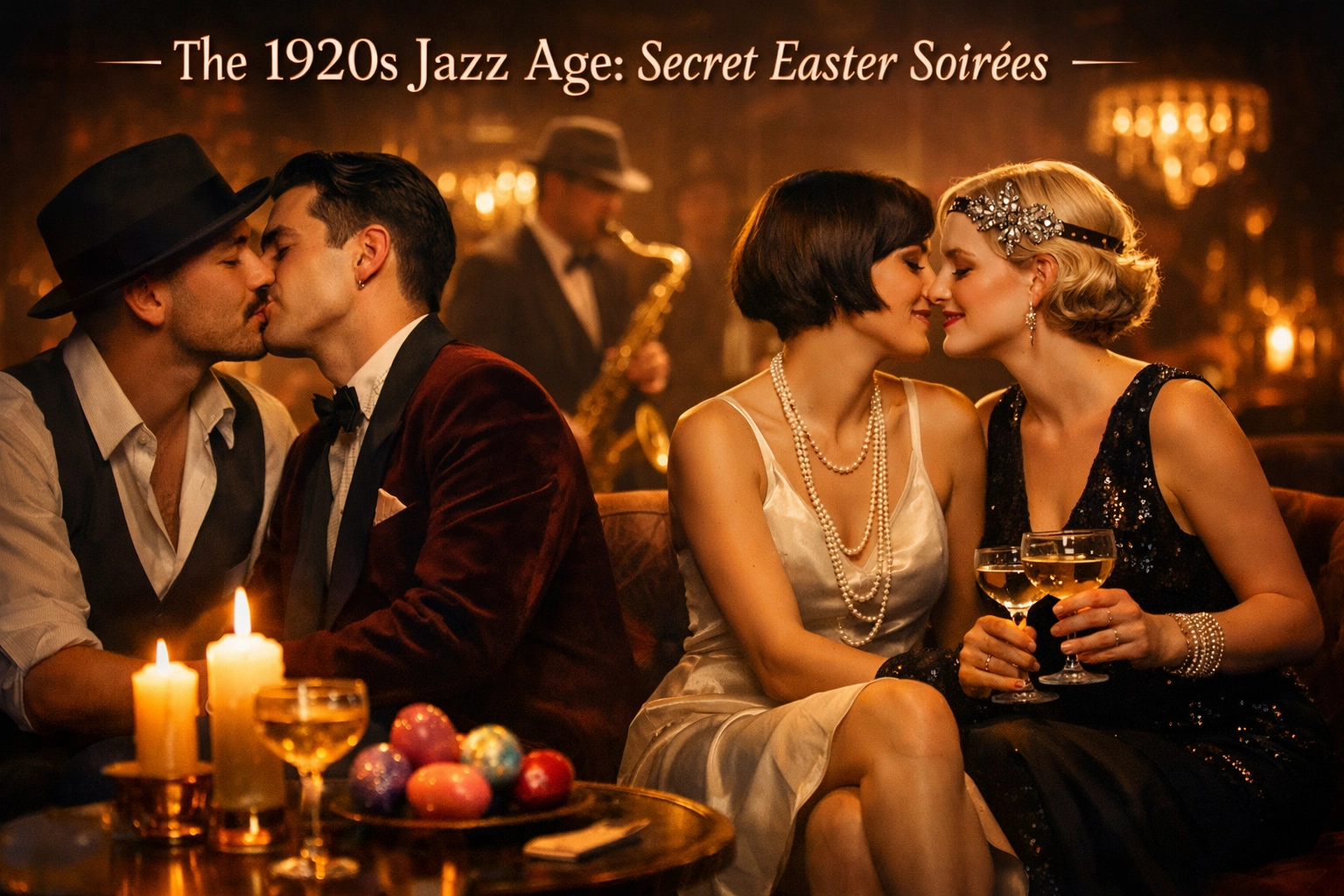
Close your eyes and imagine the year is 1926. The air in New York City is thick with the scent of bootleg gin, expensive pomade, and the rhythmic, syncopated heartbeat of jazz. It’s Easter Sunday. During the day, the city is a sea of pastel bonnets and stiff suits, a performance of piety and tradition. But as the sun dips below the Hudson and the church bells fall silent, a different kind of resurrection begins. In the basement of a nondescript brownstone in Greenwich Village or behind the velvet curtains of a Harlem apartment, the "family" is gathering.
Welcome to the secret Easter soirées of the Jazz Age: a time when being your authentic self was an act of rebellion, and a holiday party was a sanctuary of soul-stirring freedom. At Read with Pride, we love diving into the hidden corners of history that paved the way for the LGBTQ+ fiction we celebrate today. Whether you’re a fan of MM romance books or deep-dive gay historical romance, there is something undeniably magical about the 1920s underground.
The Double Life: From Pews to Playlists
In the 1920s, Easter was the pinnacle of the social calendar. It was a day for "nice weather and new clothing fashions," where the public paraded their wealth and morality. For gay men of the era, this often meant a morning spent in a pew, perhaps sitting next to a "roommate" while nodding politely to the congregation. It was the ultimate performance.
But the Jazz Age was defined by the "double life." Once the formal family dinners were over, the coded messages went out. A specific flower in a lapel, a whisper at a favorite bookstore, or a note slipped into a pocket at a jazz club meant that the real celebration was about to begin. These weren't just parties; they were "Secret Easter Soirées" where the restrictions of Prohibition and the stifling gaze of society were left at the door.
For many, these gatherings were the only time they could hold a partner's hand or dance without looking over their shoulder. If you’ve ever read a heartfelt gay fiction novel set in this era, you know that the tension between the public mask and the private heart is what makes these stories so compelling.
The Underground 1920s: Speakeasies and Rent Parties
While public Easter events were documented in the newspapers of the time: like the charity dances held by fraternal lodges: the queer community had to be more creative. In neighborhoods like Harlem, "rent parties" became legendary. You’d pay a small fee at the door to help the host cover their rent, and in exchange, you’d get a night of illegal bathtub gin and the best jazz musicians in the world playing feet away from you.
During Easter weekend, these parties took on a special flair. Hosts would decorate with lilies and ribbons, poking fun at the stiff formalities of the day. The music wasn't just background noise; it was the language of liberation. Jazz was improvisational, daring, and broke all the rules: much like the lives of the men attending.
In these smoke-filled rooms, the "Pansy Craze" was beginning to bloom. Performers like Gene Malin and Gladys Bentley were pushing boundaries, and for a brief moment in the mid-to-late 20s, the underground was almost… mainstream. But for the average gay man, the "secret" aspect remained vital for survival. This era is a goldmine for gay historical romance writers because the stakes were always life and death, wrapped in a glittery, sequined package.
Coded Language and the "Lavender" Easter
If you walked into a secret Easter soirée in 1928, you might not immediately realize what made it "different" unless you knew what to look for. The 1920s underground had a language all its own.
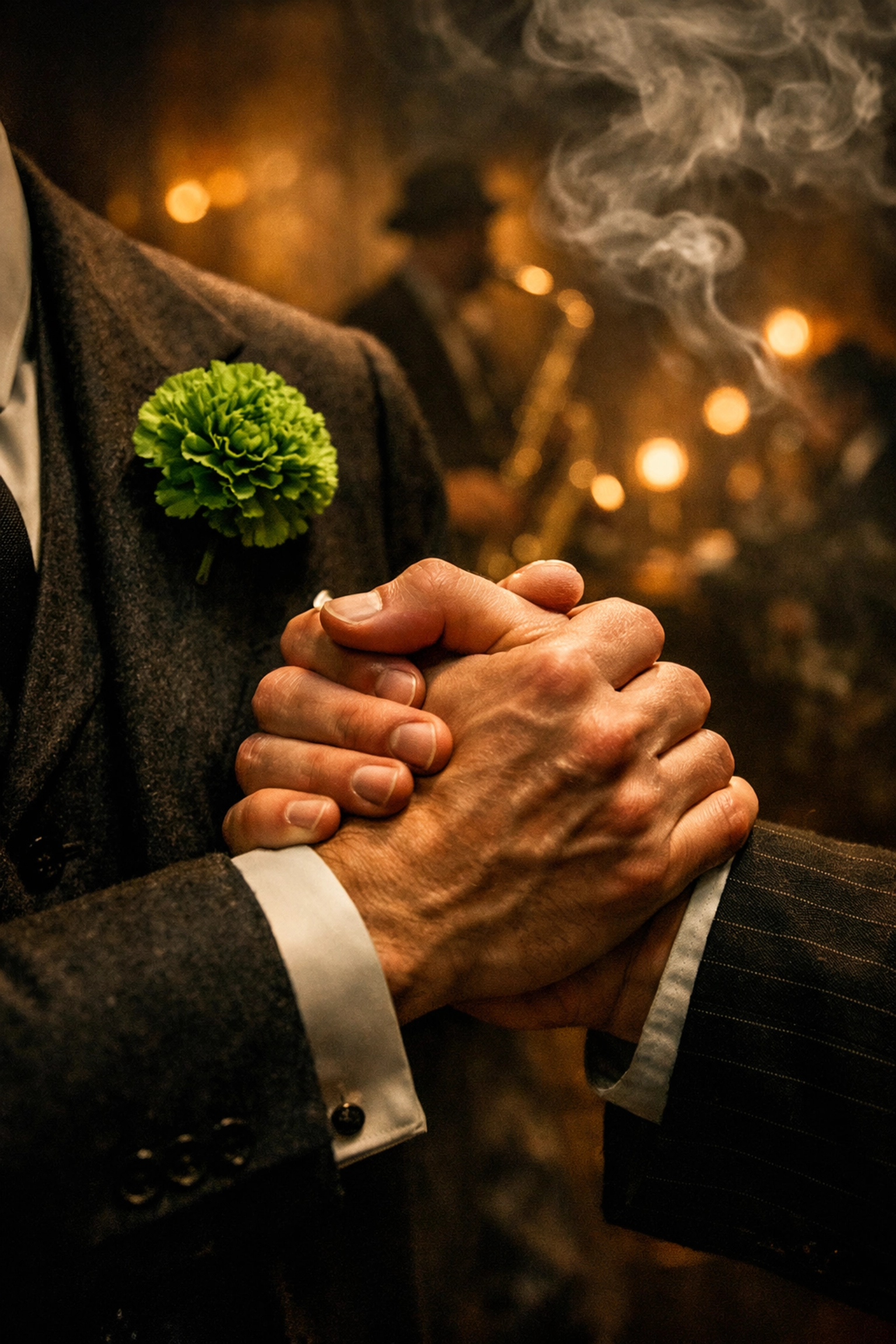
- The Green Carnation: A carry-over from the Oscar Wilde era, but still used as a subtle signal.
- "Friends of Dorothy": While this term gained more fame later, the roots of "belonging" were already being planted.
- The Handshake: Subtle pressures and finger placements that could identify a fellow "member of the club."
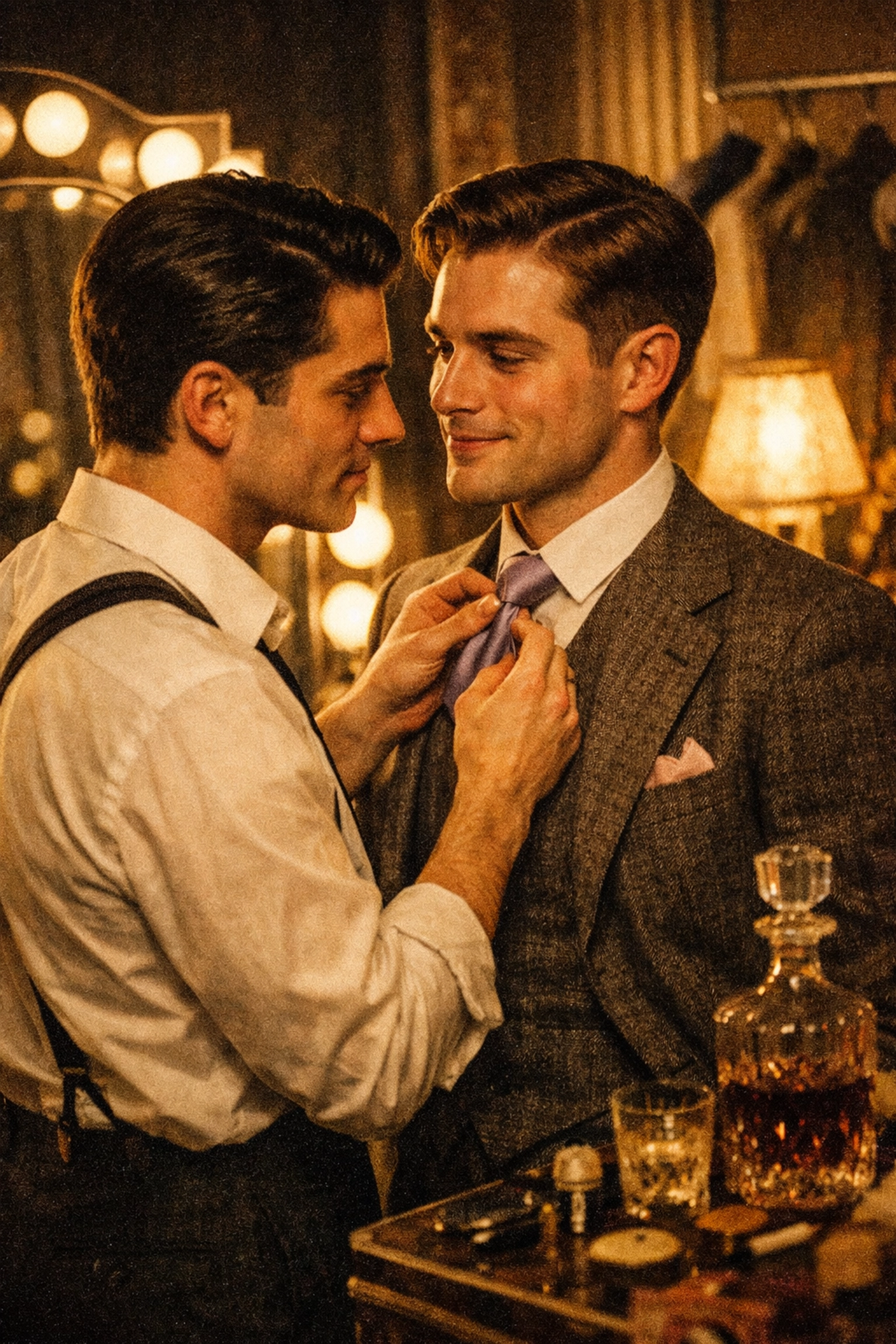
On Easter, these codes extended to fashion. A man might wear a lavender silk tie or a particularly flamboyant pocket square: items that could be explained away as "Easter finery" to the outside world but were a beacon of identity to those in the know. At Readwithpride.com, we often see these tropes in MM romance books: the secret signal, the stolen glance across a crowded room, the "forbidden" love that finds a way to flourish.
Why the Jazz Age Still Resonates in LGBTQ+ Content
Why are we still so obsessed with the 1920s? Maybe it’s because the era feels like a mirror to our own struggles and triumphs. It was a decade of intense progress followed by a harsh crackdown (the arrival of the Hays Code and the end of the "Pansy Craze" in the early 30s).
For readers of gay novels and queer fiction, the Jazz Age offers the perfect setting for a "slow burn" or a "secret identity" trope. There’s a specific kind of romance in finding love in a world that tells you it doesn’t exist. When you browse our blog-category-sitemap1.xml, you’ll find that historical settings remain some of our most popular topics.
Easter Now vs. Then: Reclaiming the Holiday
Today, Easter for many in the LGBTQ+ community is about "Chosen Family." We don't necessarily have to hide in basements anymore (though a good themed speakeasy party is always a vibe), but the spirit of the 1920s soirées lives on. We take a holiday that was historically used to exclude us and we turn it into a celebration of renewal and community.
Whether you're spending your Easter reading the latest steamy MM romance or hosting a brunch with your closest friends, you're standing on the shoulders of the men who dared to dance the Charleston in secret nearly a century ago. They taught us that joy is a form of resistance.
Discover Your Next Great Read
If this trip back in time has you craving more stories of courage and romance, we’ve got you covered. From MM contemporary to gay fantasy romance, our library is packed with voices that celebrate the spectrum of the queer experience.
Check out our curated collections and sitemaps to find your next obsession:
- Explore our product-sitemap1.xml for the newest releases.
- Find your favorite authors through our ebook_author-sitemap1.xml.
- Looking for something specific? Dive into our post-sitemap1.xml for more historical deep dives and book reviews.
The secret soirées of the 1920s may be a thing of the past, but the stories they inspired are eternal. This Easter, let's toast to the rebels, the dreamers, and the jazz-lovers who kept the light on for us.
Stay Connected with Read with Pride:
Don't miss out on our latest updates, free gay romance giveaways, and community highlights. Follow us on social media and join the conversation!
- Facebook: Read with Pride on Facebook
- X (Twitter): @Read_With_Pride
- Instagram: @read.withpride
- Website: readwithpride.com
#ReadWithPride #MMRomance #GayHistoricalRomance #JazzAge #LGBTQHistory #QueerFiction #EasterSoiree #1920sUnderground #GayLiterature #MMBooks2026

Leave a Reply
You must be logged in to post a comment.