

readwithpride.com
When you think of Easter in 1980s New York City, your mind might wander to the grand parade on Fifth Avenue, with its sea of elaborate bonnets and high-society stares. But for the Black and Latino LGBTQ+ community of the era, the real resurrection was happening underground. In the dimly lit community centers of Harlem and the rented ballrooms of downtown, Easter wasn't just a religious holiday: it was a high-stakes runway where the "children" of the House system blossomed into icons.
At Read with Pride, we love a good story, especially one that celebrates resilience and found family. While many of our MM romance books and gay romance novels draw inspiration from the drama and devotion of the ballroom scene, the history of 1980s NYC ballroom culture during the holidays is a narrative all its own. It was a time of "realness," radical joy, and the kind of community support that literally saved lives.
The House as a Sanctuary
In the 1980s, being queer often meant being cast out. Many young Black and Latino men found themselves on the streets, rejected by their biological families and the traditional church. This is where the "Houses" came in. Led by a House Mother or House Father, these were more than just social clubs: they were survival units.
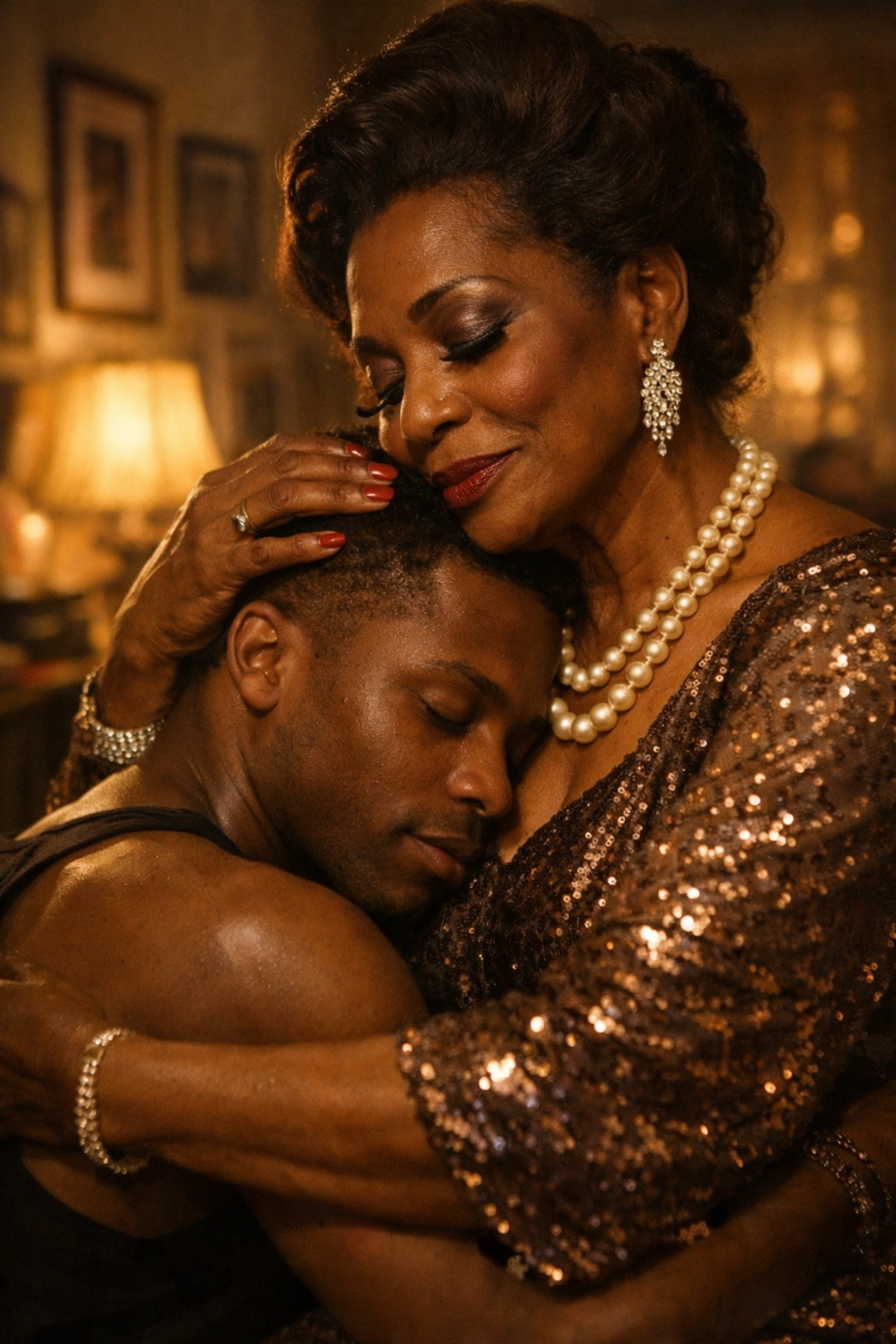
Easter was a particularly poignant time for these chosen families. While the rest of the city celebrated with traditional family dinners, House Mothers like the legendary Crystal LaBeija or Pepper LaBeija would orchestrate their own celebrations. They weren't just passing out chocolate eggs; they were providing a safe space to exist. For a "kid" who had been told they were a sin, the House Mother offered a different gospel: "You are beautiful, you are talented, and you belong."
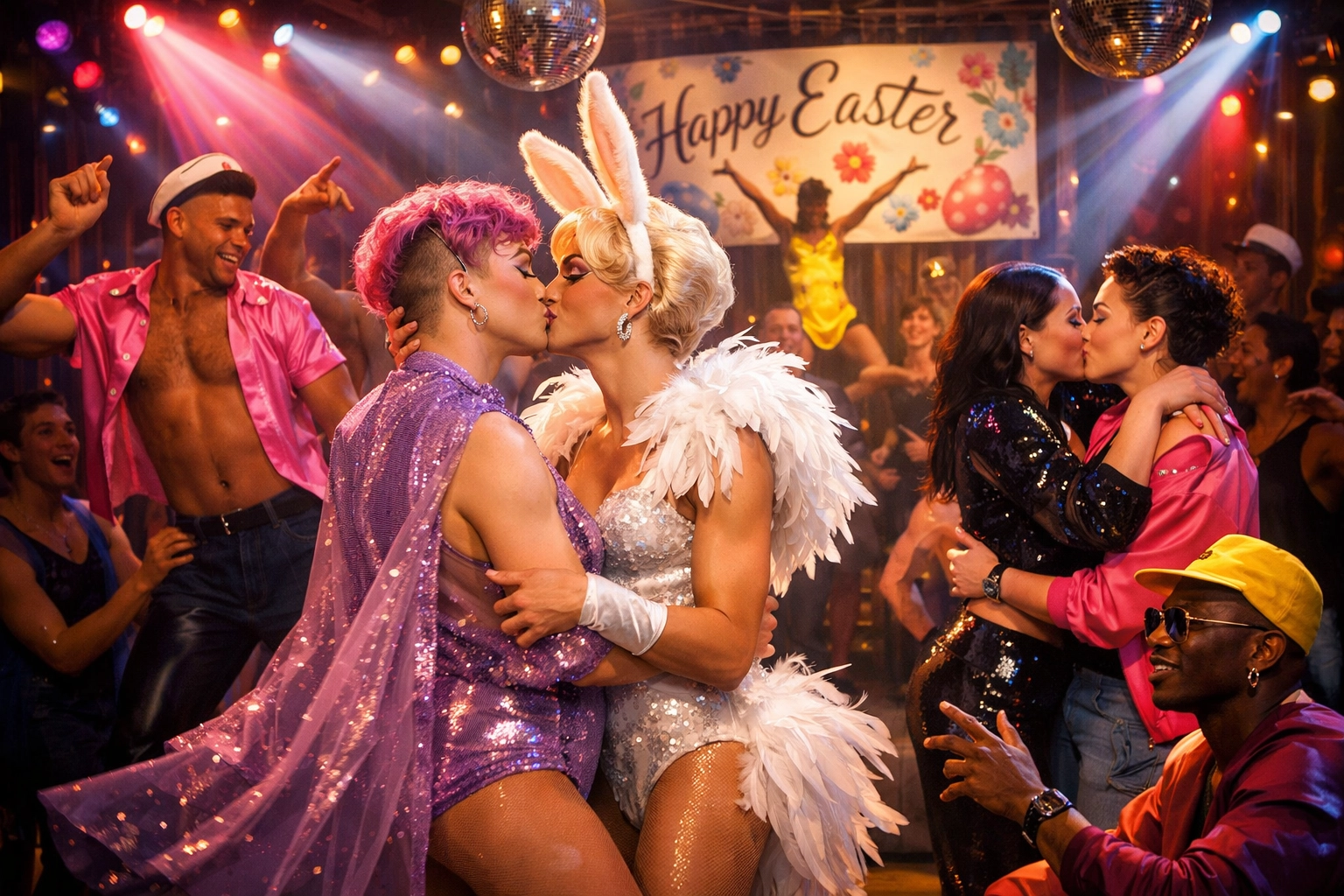
The Category is: Easter Sunday Realness
If you’ve ever delved into queer fiction or watched Paris Is Burning, you know that the "category" is the heart of any ball. During the 1980s, Easter-themed balls were legendary for their creativity. The goal? To subvert the traditional, often exclusionary imagery of "white" Easter and reclaim it with a splash of 80s excess.
1. Easter Sunday Best
The most competitive category was often "Best Dressed" or "Easter Sunday Realness." The goal was to look like you were heading to the most prestigious church in the city, flawlessly draped in pastels, linen, and silk. This wasn't just about fashion; it was about the "realness" of belonging to a world that tried to shut you out. Participants would walk the floor in pristine suits and hats that could rival any Fifth Avenue socialite, proving that elegance has no zip code and no gender.
2. Spring High Fashion
The 80s were the era of big shoulders and even bigger attitudes. In the "Spring High Fashion" categories, the children would take the concept of a "bloom" and turn it into avant-garde art. We’re talking hand-sewn petal collars, vibrant floral prints, and makeup that would make a 2026 makeup artist weep with envy. It was about taking the "rebirth" theme of Easter and applying it to one’s own identity.
3. The Grand March
No Easter ball was complete without the Grand March, where entire Houses would enter together, showing off their collective strength. In a world where the HIV/AIDS epidemic was beginning to take a devastating toll, seeing a House stand together in their Easter finery was a powerful act of defiance. It said, "We are still here, and we are still fabulous."
Beyond the Glitter: Community Support
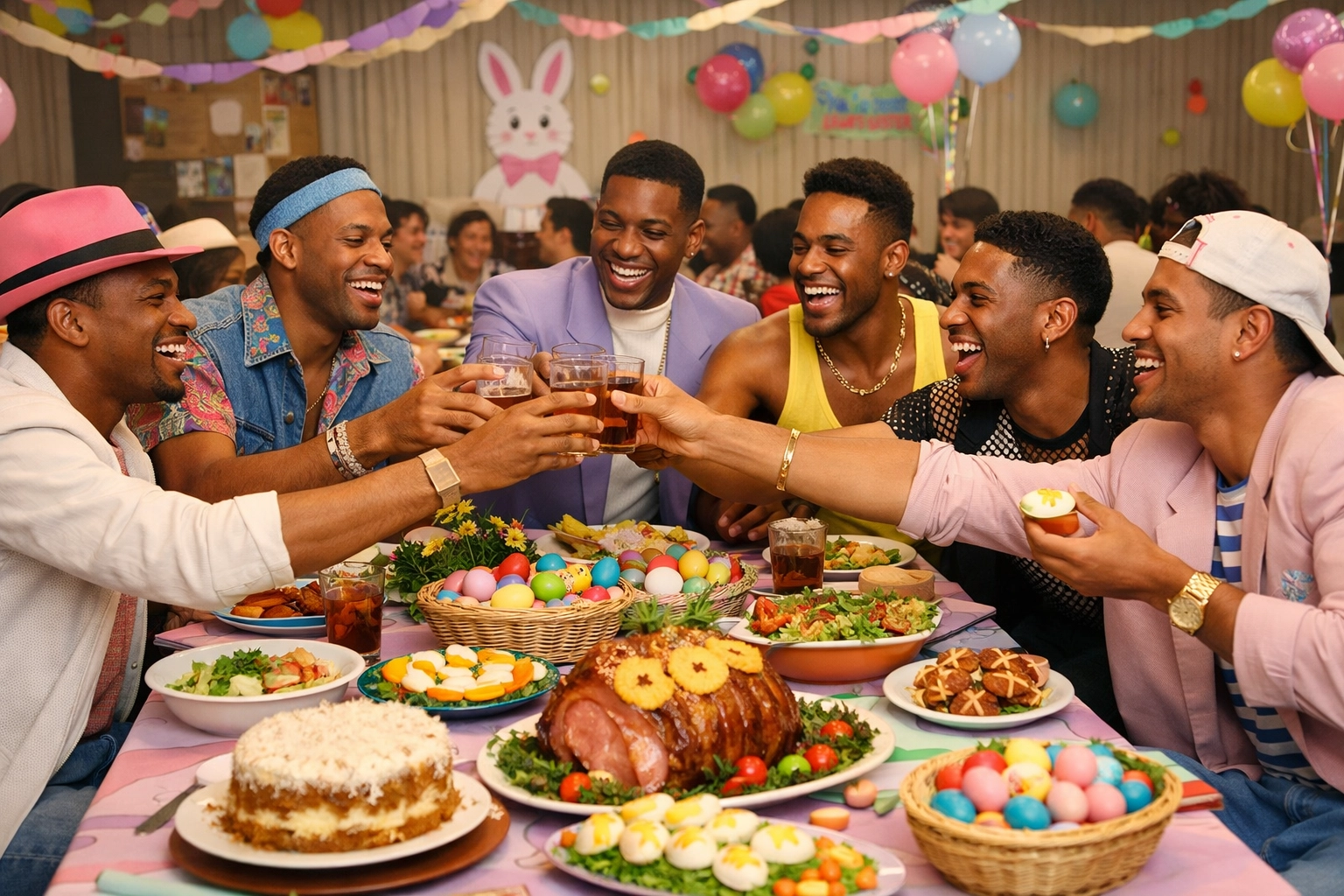
It wasn't all sequins and shade, though. The ballroom culture of 1980s NYC was deeply rooted in mutual aid. Easter was a peak time for House Mothers to organize "feeding the kids." Many Houses would pool their meager resources to host a massive dinner, ensuring that every member had a hot meal and a place to go.
This spirit of care is something we often see reflected in our top LGBTQ+ books and MM fiction. The trope of "found family" isn't just a plot point in a gay love story; it’s the lived history of our community. During the 80s, these balls often served as fundraisers for House members who were sick or to cover the funeral costs of those who had passed. The "Ballroom Blooms" were flowers that grew through the cracks in the pavement, nurtured by the love of their peers.
The Evolution of the "Easter Bonnet"
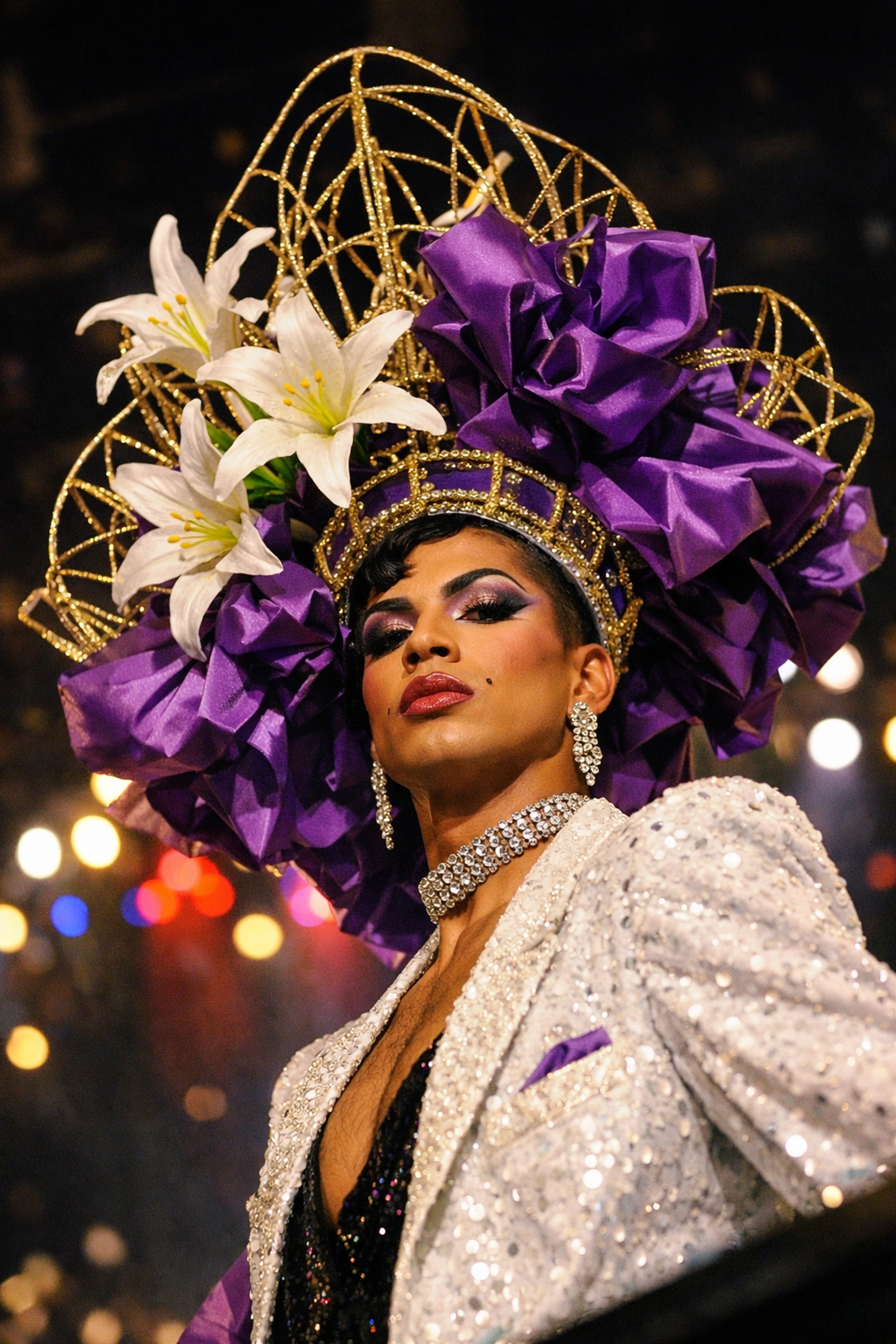
In the ballroom, the "Easter Bonnet" was often reimagined. It wasn't just a hat; it was a crown. In categories like "Head-to-Toe Elegance," performers would craft headpieces that were structural marvels. They used wire, fabric, and sometimes even live flowers to create something that signaled their status within the scene.
For many, crafting these looks was a meditative process: a way to channel the hardships of the Reagan era into something breathtaking. When you read a gay historical romance or a MM contemporary novel today, you’re often seeing the echoes of this creative spirit. The "slow burn" of hand-stitching a garment for a ball is the ultimate testament to the "labor of love" trope.
Why We Remember: The Legacy in 2026
As we look back from 2026, the influence of 1980s NYC ballroom culture is everywhere: from mainstream reality TV to the most popular gay books. At Readwithpride.com, we believe that knowing where we came from helps us appreciate where we are going.
The Easter balls were a masterclass in resilience. They taught us that you can build a cathedral out of a community center and a family out of strangers. They showed us that "realness" is not about passing; it's about claiming your space in the sun.
If you’re looking for stories that capture this same vibrant spirit, why not check out some of our new gay releases? Whether it's a heartfelt gay fiction piece or a steamy MM romance, the themes of transformation and community are always at the center of what we do.
Celebrating Easter the Ballroom Way
You don't need a runway to channel the energy of the 1980s ballroom scene this Easter. Here are a few ways to honor the "Ballroom Blooms" tradition:
- Host a Chosen Family Dinner: If you can’t be with your biological family, or don’t want to be, gather your "house" and celebrate the bonds you’ve chosen.
- Serve "Realness": Whether you're dressing up for a brunch or staying in to read gay romance series, do it with the confidence of a legendary house member.
- Support Queer Youth: Many organizations still provide the same kind of support that the 80s House system did. Consider a donation to a local LGBTQ+ youth shelter.
- Read with Pride: Dive into gay literature that explores the history and future of our community.
The ballroom scene of the 80s wasn't just about the competition; it was about the bloom. It was about taking a season of renewal and making it truly ours. This Easter, as we celebrate with LGBTQ+ reading and community, let’s remember the mothers, fathers, and children who walked the floor so we could run.

For more stories that celebrate the vibrancy of our community, visit us at Readwithpride.com and join the conversation on our socials.
Follow us for more queer history and book recommendations:
#BallroomCulture #1980sNYC #ReadWithPride #LGBTQHistory #EasterRealness #MMRomanceBooks #QueerFiction #GayRomanceNovels #ChosenFamily #BallroomHistory #2026GayBooks

Leave a Reply
You must be logged in to post a comment.