

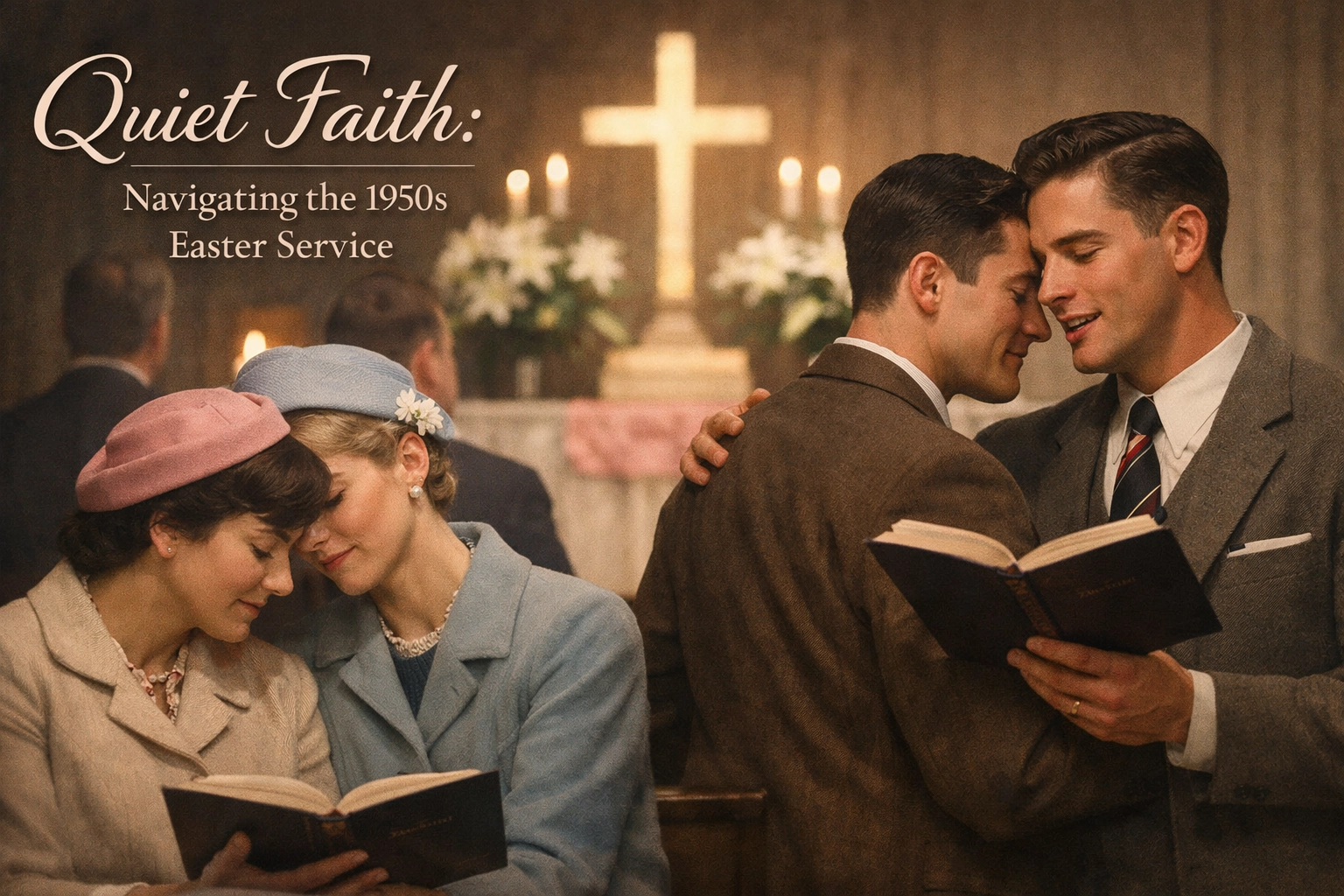
readwithpride.com
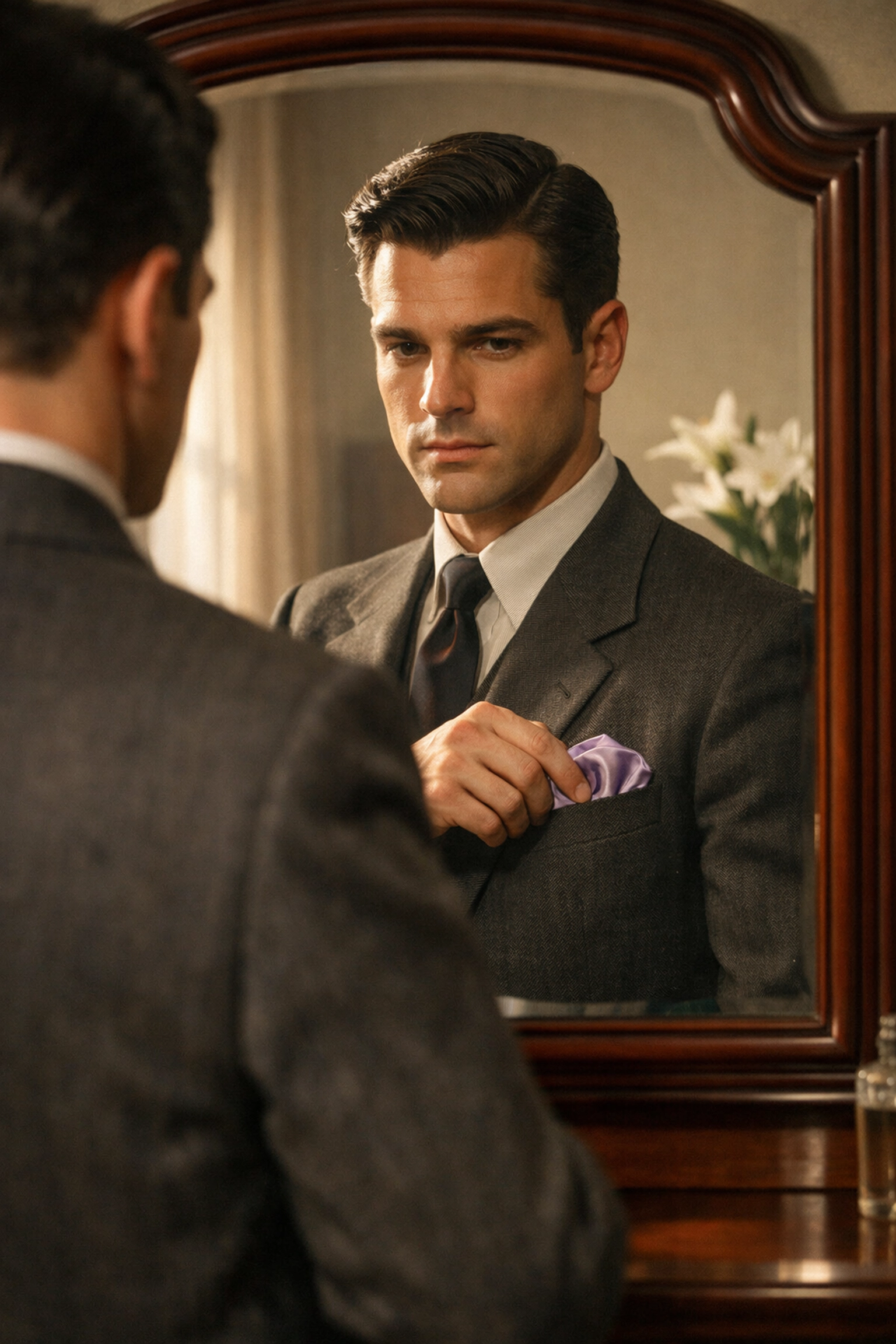
Imagine it’s Easter Sunday, 1954. The air in the city is crisp, smelling of damp pavement and the faint, sweet scent of lilies wafting from florist shop doors. You’re standing in front of a mirror, adjusting a silk tie with steady hands, though your heart is doing a nervous dance against your ribs. Your suit is charcoal wool, pressed to a sharp edge: the very definition of mid-century masculinity.
To the neighbors in your apartment building, you’re just a bachelor heading to service. But beneath the polished exterior is a world of secrets, a quiet faith, and a longing for a community that doesn't officially want you to exist.
At Read with Pride, we often talk about the vibrant, loud, and beautiful world of modern MM romance books, but it’s just as important to look back at the quiet lives of those who came before us. Navigating religious spaces as a gay man in the 1950s wasn't just a challenge; it was an art form.
The Suit as Armor: The Performance of Easter Best
The 1950s was a decade of intense conformity. If you wanted to blend in: and for many, blending in was a matter of survival: you had to look the part. Easter was the Super Bowl of formal wear. As our research shows, men, women, and children wore their absolute best from head to toe. For a gay man in 1956, that "Easter best" served as a double-edged sword.
On one hand, it was a suit of armor. A well-tailored jacket and a perfectly dimpled tie signaled that you were a "respectable" member of society. It was a camouflage that allowed you to walk into a cathedral or a sun-drenched outdoor amphitheater without drawing the suspicious glares of the "Lavender Scare" era. On the other hand, there was a certain irony in it. Many queer men of the era possessed a keen eye for fashion and aesthetics, turning the requirement of formal wear into a subtle expression of self.
While the world saw a "confirmed bachelor" in his Sunday finest, those within the community might notice the slightly-too-perfect coordination of a pocket square or the specific way a lapel pin was placed. It was a performance of the highest order.
The Weight of Lent and the Silence of the Pews
Religious history is often told through the lens of institutions, but for gay men in the 1950s, faith was a deeply personal, often lonely, journey. The forty days of Lent leading up to Easter were a time of reflection and "giving things up." For many, the thing they were forced to "give up" was their own truth.
Walking into a church during Holy Week felt different for a queer person back then. You’d sit in the heavy oak pews, surrounded by the smell of incense and old hymnals, listening to sermons that often equated "purity" with a very specific, heterosexual family structure.
Yet, many stayed. Why? Because the music was beautiful, the tradition offered a sense of grounding, and for some, the spiritual connection to a higher power was stronger than the earthly prejudices of the men behind the pulpit. It was a "quiet faith": one that existed in the spaces between the spoken prayers.
If you’re a fan of gay historical romance, you know this tension well. It’s a recurring theme in the genre because it speaks to the resilience of the human spirit. Our gay book recommendations often feature stories where characters must find a way to reconcile their heart’s desires with the rigid structures of their time.
Coded Connections: The "Gaydar" of 1955
You might think that a 1950s Easter service would be the last place to find a connection, but the queer community has always been resourceful. In the absence of apps or bars, the "eyes" did the heavy lifting.
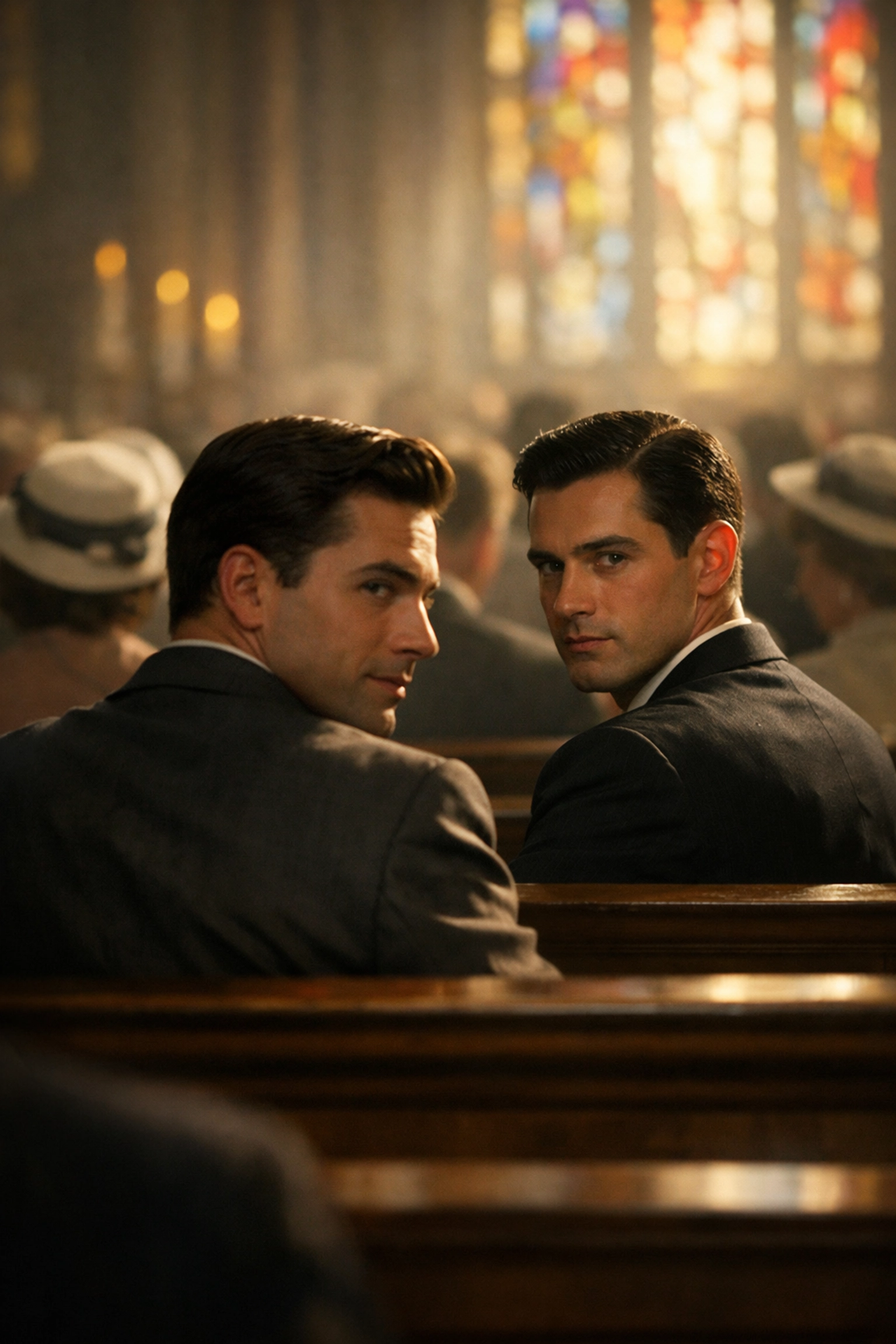
A shared glance over a hymnal, a slightly-too-long handshake during the "passing of the peace," or a subtle nod while standing in line for the post-service coffee hour: these were the lifelines of the era. There was a specific "language of the eyes" that allowed men to recognize each other in the most unlikely of places.
Imagine the thrill and the terror of realizing the man three pews down, also alone, also impeccably dressed, was looking at you with a spark of recognition. It wasn't about a "hookup" in the modern sense; it was about the profound relief of knowing you weren't the only one.
Sunrise Services: Nature as a Sanctuary
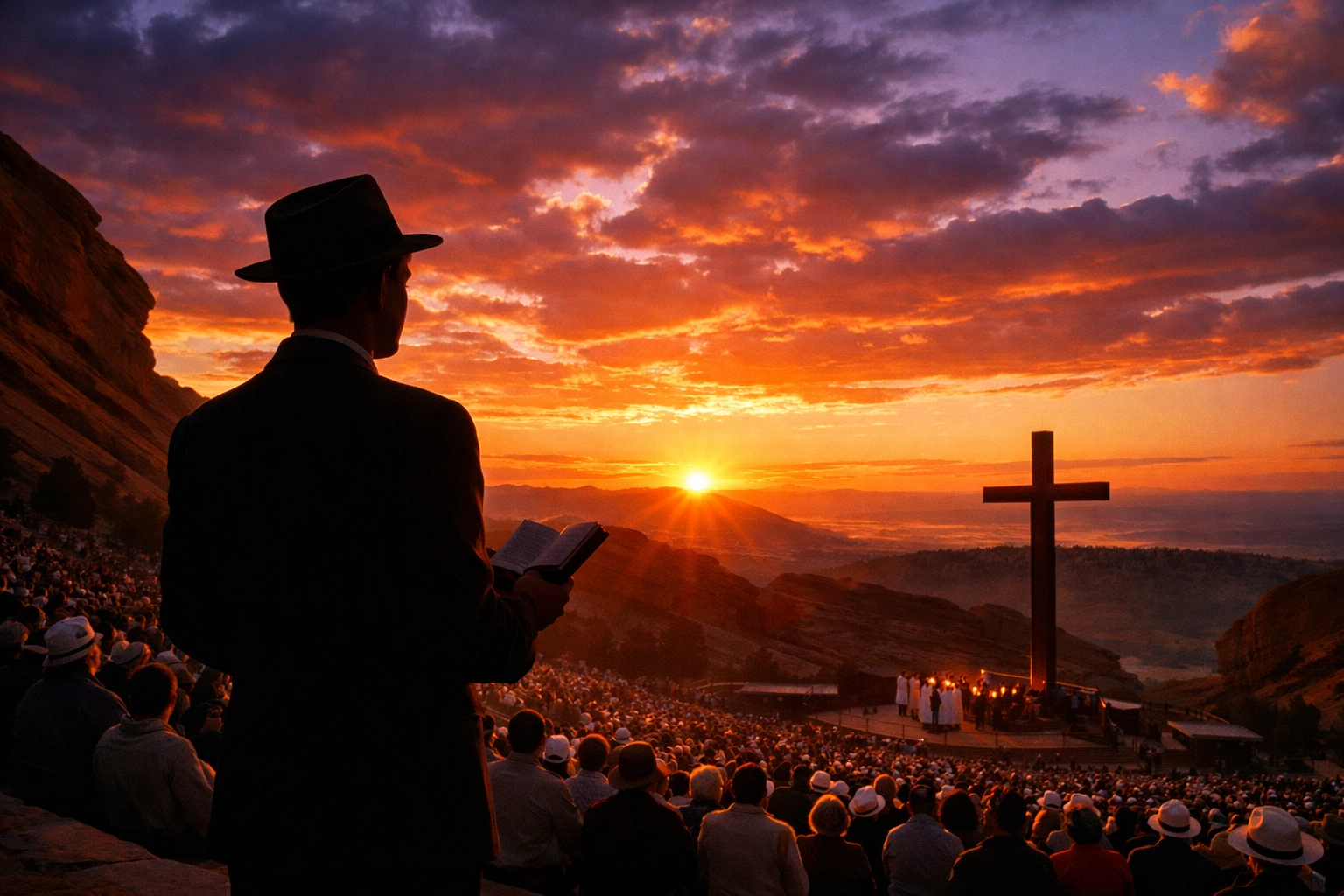
One of the most beautiful traditions of the 1950s was the Easter sunrise service. As noted in historical records, thousands would flock to places like the Hollywood Bowl or Yosemite National Park to watch the sun come up as they sang hymns of renewal.
For many gay men, these outdoor services felt safer and more inclusive than the suffocating atmosphere of a traditional church building. Under the vast, open sky, the judgment of man felt smaller. The "beauty of spring," as our research mentions, served as a backdrop for a different kind of worship: one that felt more aligned with the natural world.
In these natural amphitheaters, the anonymity provided a shield. You were just one of 17,000 people at the Hollywood Bowl, a face in a sea of thousands, all witnessing the dawn. In that collective moment of awe, the "secret" didn't feel like a burden; it felt like a part of the vast mystery of life.
Why These Stories Matter in 2026
You might wonder why we’re looking back at the 1950s when we have so many amazing new gay releases today. The truth is, we stand on the shoulders of these "quiet" men. Their ability to maintain their faith, their dignity, and their sense of self during one of the most repressive decades in American history is nothing short of heroic.
When we read MM historical romance, we aren't just looking for a "happily ever after"; we’re looking for a connection to our ancestors. We’re looking for the roots of our resilience. These stories remind us that even when the world tried to erase queer lives, we found ways to exist, to love, and to believe.
Finding Your Own Story at Read with Pride
Whether you’re looking for a heart-wrenching historical tale or a modern MM contemporary romance that celebrates how far we’ve come, Read with Pride is your home for LGBTQ+ literature. We believe that every story matters, from the whispered prayers in a 1950s cathedral to the loud, proud celebrations of today.
If you’re struggling with how to write these complex histories yourself, check out our guide on 7 mistakes you’re making with LGBTQ character development. Creating authentic, multi-dimensional characters who navigate faith and identity requires a delicate touch and a deep respect for the historical context.
This Easter, as you celebrate in whatever way feels right to you: whether it’s at a service, a brunch with friends, or simply a quiet morning with a good book: take a moment to remember the men in the charcoal suits. They paved the way for the freedoms we enjoy today, proving that faith and identity can coexist, even in the quietest of ways.
Explore more stories and find your next favorite read at our store. Let's keep the legacy of our community alive, one page at a time.
#GayHistory #1950sLife #QueerFaith #MMRomance #LGBTQBooks #ReadWithPride #EasterTraditions #GayHistoricalRomance #QueerLiterature #HistoricalFiction
Connect with us:
- Facebook: Read with Pride
- X (Twitter): @Read_With_Pride
- Instagram: @read.withpride
- Website: readwithpride.com

Leave a Reply
You must be logged in to post a comment.