

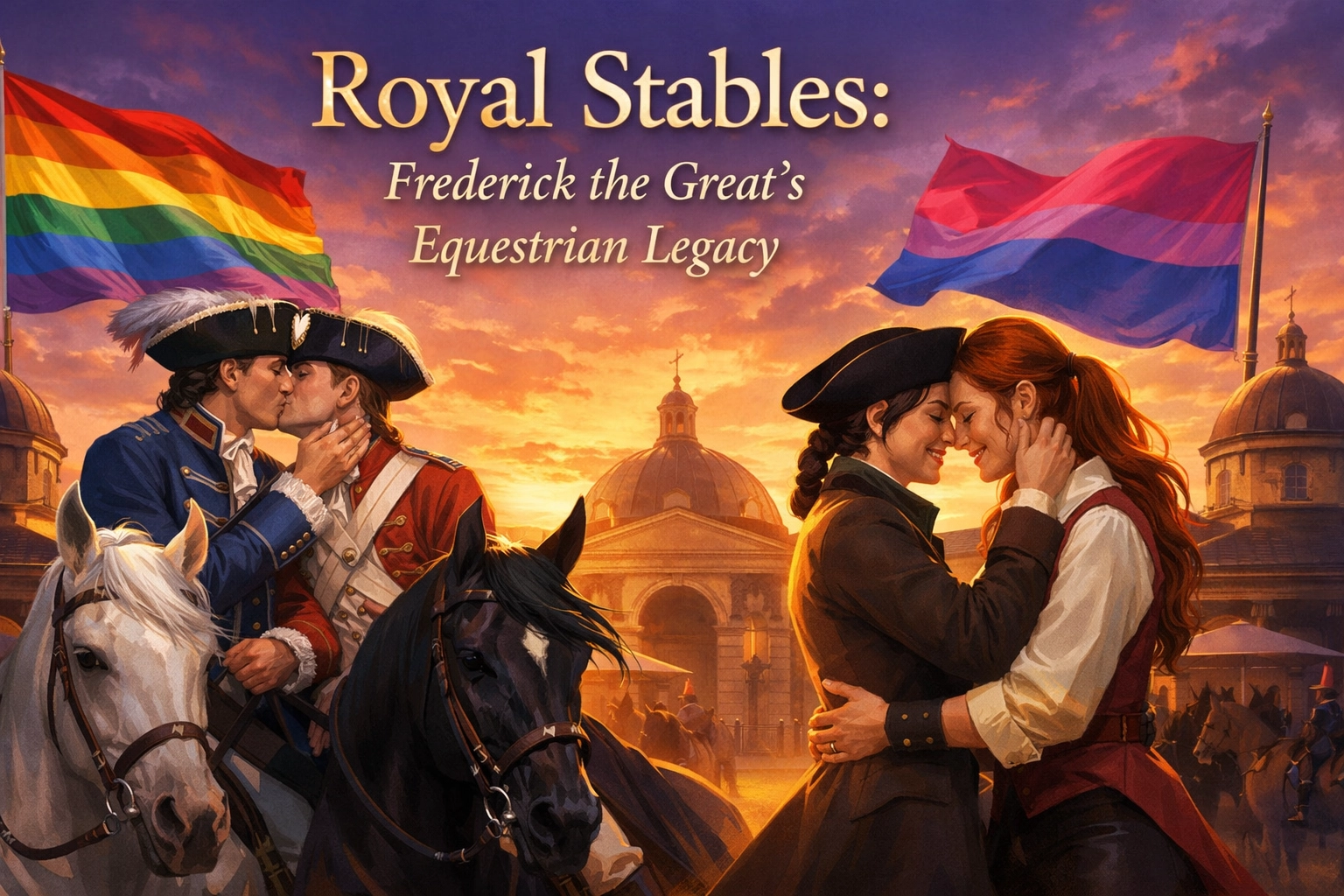
readwithpride.com
If there is one thing history loves to do, it is "straight-washing" iconic figures until they’re as bland as unseasoned tofu. But when it comes to Frederick II of Prussia: better known as Frederick the Great: the history books have to do some serious mental gymnastics to ignore the fact that the man lived in a "boys-only" palace, preferred the company of his greyhounds and flutes over his wife, and possessed an equestrian passion that went far beyond mere military necessity.
At Read with Pride, we love a good historical deep dive, especially when it involves a king who essentially told the 18th-century patriarchy to "hold my beer" while he built a sanctuary for men, art, and horses. Whether you are a fan of gay historical romance or you’re diving into the latest MM romance books of 2026, Frederick’s life reads like the blueprint for the most epic, high-stakes MM historical romance ever written.
The King Who Preferred the Stables to the Bedroom
Let’s set the scene: It’s the mid-1700s. Prussia is a rising power, and Frederick is the "Philosopher King." But before he was the Great, he was a young prince who was absolutely miserable. His father, Frederick William I (the "Soldier King"), was, to put it mildly, a nightmare. He hated Frederick’s "effeminate" interests in French literature, music, and: heaven forbid: flute playing.
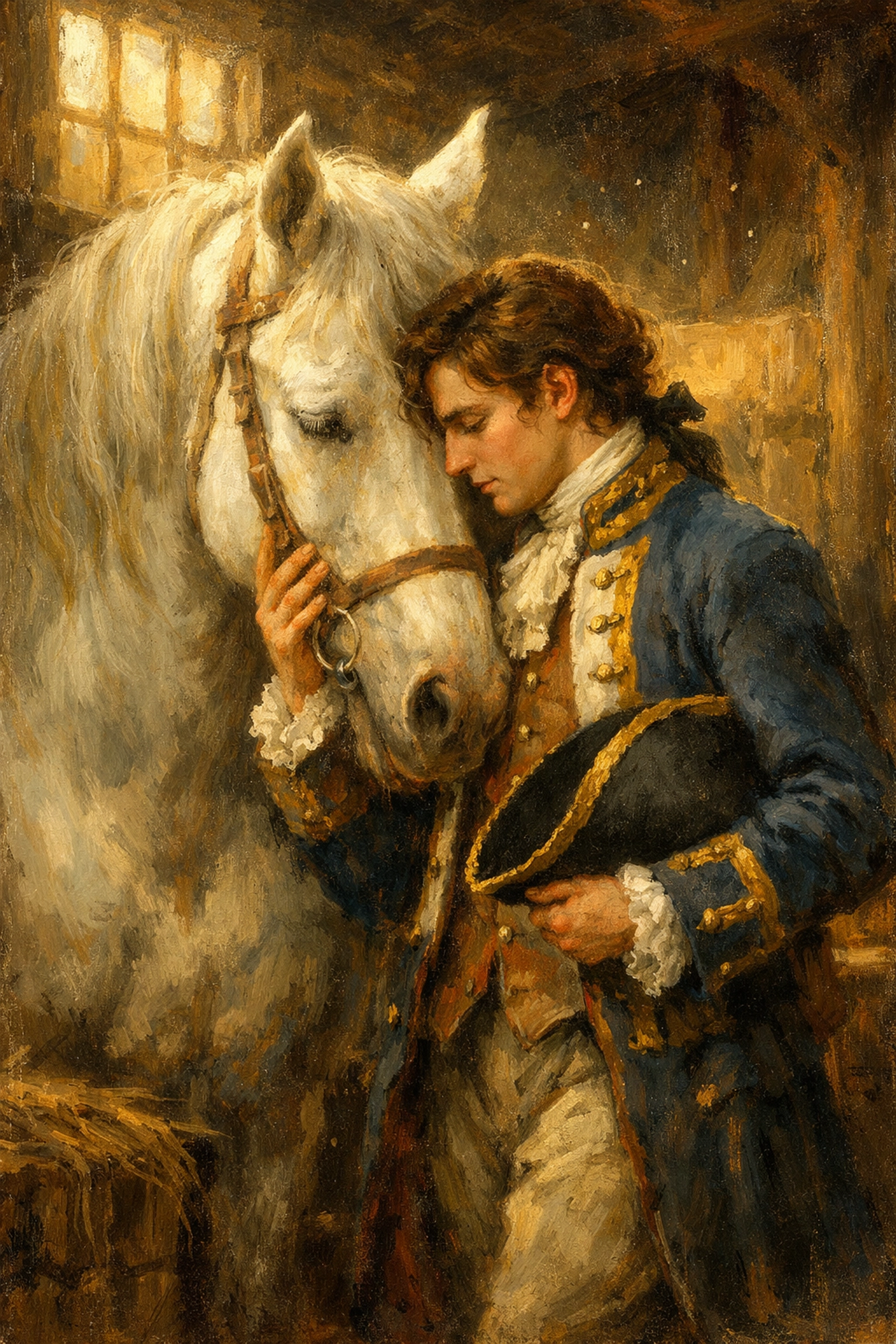
But horses? Horses were the one area where the two could almost find common ground. For Frederick, however, the horse wasn't just a vehicle for war; it was a companion. In the world of gay fiction, we often see the trope of the misunderstood hero finding solace in nature and animals, and Frederick lived this to the fullest.
Frederick’s most famous horse was Conde, a beautiful beast that he rode for years. When you look at the famous equestrian statues of Frederick in Berlin today, he isn’t just sitting on any horse; he’s mounted on Conde. He treated his horses with a level of respect and affection that he rarely afforded to the women of his court. In fact, after he took the throne, he essentially ghosted his wife, Queen Elisabeth Christine, and moved into his private palace, Sanssouci.
Sanssouci: The Ultimate Men’s Retreat
If you’re looking for the historical equivalent of a "no girls allowed" clubhouse, Sanssouci is it. The name literally means "without care," and for Frederick, that meant a life surrounded by his "favorites": a group of handsome, intellectual, and athletic men.
This is the stuff MM romance books are made of. Frederick’s inner circle was legendary. There was Michael Gabriel Fredersdorf, his long-time companion and "private valet" (a term that, in 18th-century parlance, often meant much more). Frederick was so devoted to Fredersdorf that he gave him his own estate and remained close to him until Fredersdorf's death.
In the royal stables of Frederick’s mind, men and horses occupied the highest tier of importance. He surrounded himself with dashing cavalry officers like Friedrich Wilhelm von Seydlitz and Hans Joachim von Zieten. These weren't just soldiers; they were the superstars of the Prussian military, men who lived and breathed the equestrian lifestyle. The bond between these men, forged in the heat of battle and the shared silence of the stables, is a recurring theme in gay historical romance novels that explore the "brothers-in-arms" trope.
The Tragedy of Hans Hermann von Katte
We can’t talk about Frederick’s equestrian and personal legacy without mentioning the most heartbreaking chapter of his life: Hans Hermann von Katte. If this were a gay romance novel, this would be the gut-wrenching "dark moment" before the climax.
Young Frederick and von Katte, a handsome officer, planned to flee the oppressive Prussian court and escape to England. They were caught. Frederick’s father, in an act of monstrous cruelty, forced Frederick to watch from his window as von Katte was executed.
History suggests their bond was deep, romantic, and soul-shattering. This tragedy defined Frederick. He became the "Old Fritz" we know: stoic, brilliant, and perhaps a bit cold: but he never lost his love for his "boys" and his horses. It’s a narrative that resonates with many queer fiction readers today: the idea of surviving trauma and finding a new way to live and love, even if it looks different from what society expects.
The Equestrian Legacy: More Than Just a Statue
Frederick’s impact on the world of horses was massive. He didn’t just ride them; he revolutionized how they were used. The Prussian cavalry became the envy of Europe. He understood the "sport" of war required a level of athleticism and grace that was almost balletic.
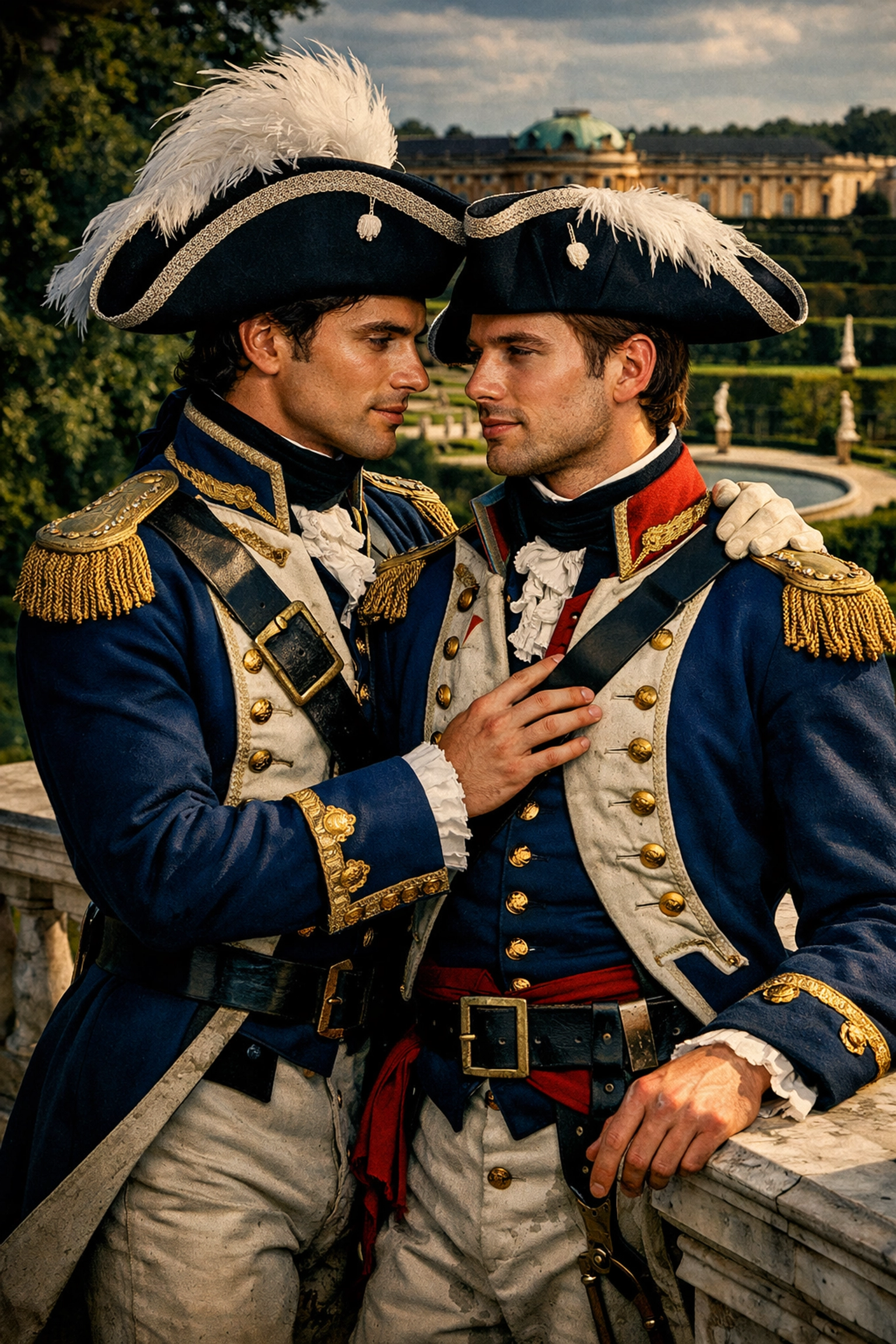
For those of us at Readwithpride.com who enjoy gay adventure romance, there is something undeniably sexy about the image of the Prussian cavalry: the tight uniforms, the powerful horses, the discipline, and the hidden glances between soldiers. Frederick’s legacy lives on in the way we romanticize this era.
But it wasn't just about war. Frederick loved the nature of the beast. He was known to spend hours walking with his dogs and visiting his stables. In a world that demanded he be a cold, calculating monarch, his animals were the only ones who didn't want anything from him except his presence. This "soft side" of a hard ruler is a favorite trope in MM contemporary and historical fiction alike.
Why Frederick Matters to LGBTQ+ Readers in 2026
You might ask, "Penny, why are we talking about an 18th-century king on a blog about LGBTQ+ ebooks?"
The answer is simple: Representation matters, even if it’s retroactively recognized. Frederick the Great lived a life that was authentically his, despite the immense pressure to conform. He curated a world: a "Royal Stable" of his own making: where he could be surrounded by the things and people he loved.
When you browse Read with Pride, you’ll find stories that echo Frederick’s life. From MM historical romance set in the dusty barracks of Prussia to gay fantasy romance featuring dragon-riders (the ultimate equestrian upgrade!), the themes of "chosen family" and "finding sanctuary" are universal.
Finding Your Own "Sanssouci" in Literature
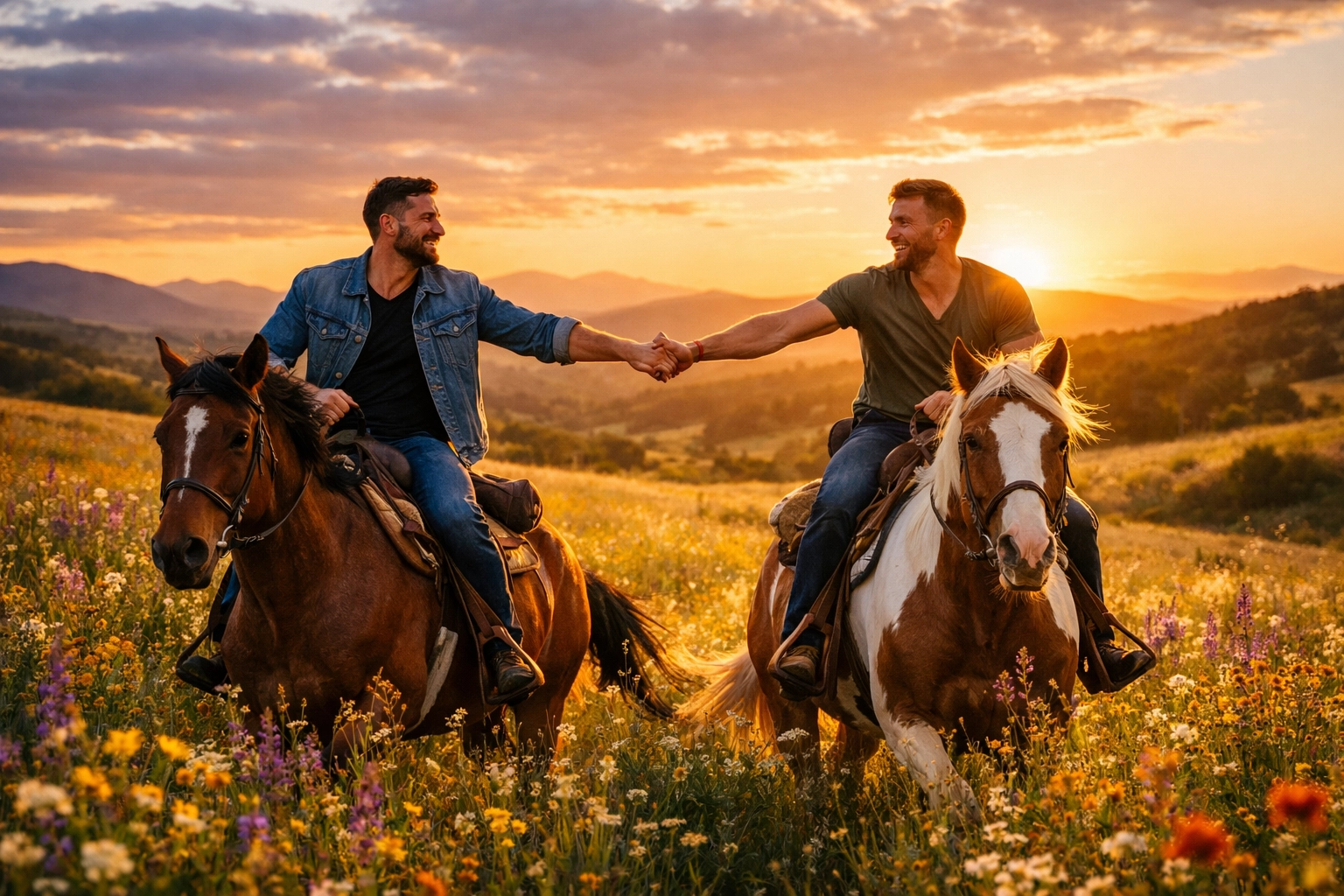
If Frederick’s story has you craving more tales of men, horses, and the historical struggle for authenticity, we’ve got you covered. The world of gay romance books is currently seeing a massive surge in "equestrian queer fiction." There’s something about the bond between a man and his horse that lends itself perfectly to the slow-burn, emotional depth we love in MM romance.
Whether it’s a modern story about a gay rancher finding love in the Midwest or a regency-era tale of a stable hand and a duke, the "Frederick energy" is alive and well.
Check out some of our top recommendations for gay historical romance and MM fiction on our sitemap or dive into the LGBTQ+ blogs and articles to find your next obsession.
Join the Conversation
Frederick the Great was a man of many contradictions: a warrior who hated war, a king who hated the court, and a man who loved men in a time when that was "impossible." His equestrian legacy is just one piece of the puzzle that makes him an enduring icon for the LGBTQ+ community.
What are your favorite gay books featuring historical figures? Do you have a soft spot for MM historical romance? Let’s chat!
Follow us on our socials to keep up with the latest 2026 gay books and news:
- Facebook: Read with Pride
- X (Twitter): @Read_With_Pride
- Instagram: @read.withpride
And remember, if you're looking for the best MM romance books or gay love stories, you can always find them at readwithpride.com. We’re more than just a publisher; we’re a community dedicated to celebrating our stories, past and present.
Stay fabulous, stay authentic, and keep reading with pride!
#History #FrederickTheGreat #GayHistory #MMRomance #LGBTQFiction #EquestrianLife #ReadWithPride #GayHistoricalRomance #QueerPast

Leave a Reply
You must be logged in to post a comment.