

readwithpride.com
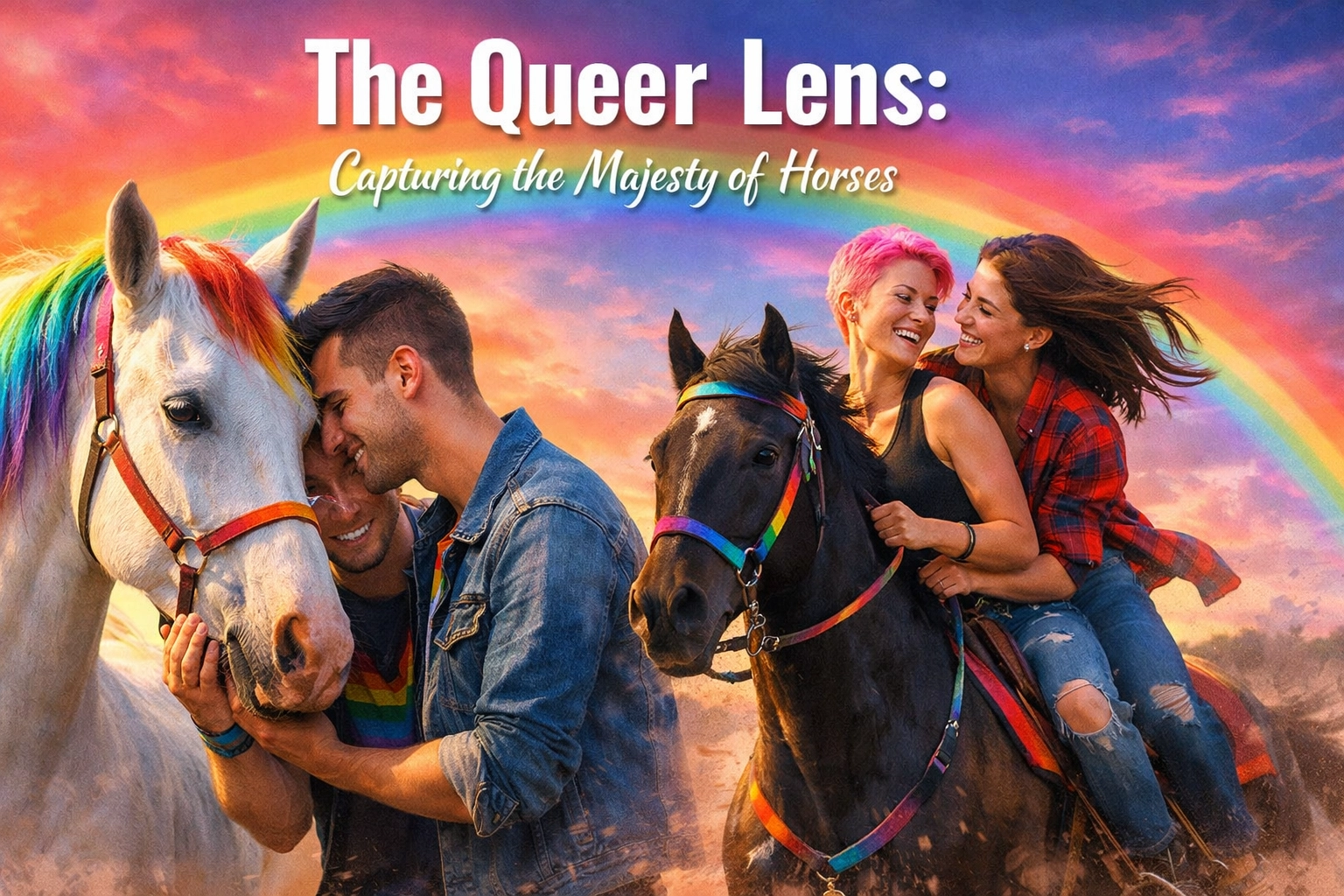
There is something inherently dramatic about a horse. The ripple of muscle, the wildness in the eyes, and that thundering heartbeat you can feel through your own chest when you’re close enough. For centuries, the horse has been a symbol of rugged masculinity, conquest, and the "untamable" spirit of the frontier. But if you look through a queer lens, that narrative starts to shift. Suddenly, the horse isn’t just a tool for transport or a trophy of sport; it becomes a mirror for identity, desire, and a very specific kind of reclaimed freedom.
At Read with Pride, we spend a lot of time diving into the written word: shouting about the latest MM romance books or digging into gay historical romance that makes us swoon. But today, we’re pivoting to the visual. We’re looking at how queer photographers and artists are capturing the majesty of horses in a way that feels authentic to our community. It’s about art, it’s about nature, and honestly, it’s about the gorgeous intersection of man and beast in a way that transcends the "macho" tropes of the past.
Beyond the Cowboy: Reclaiming the Equine Image
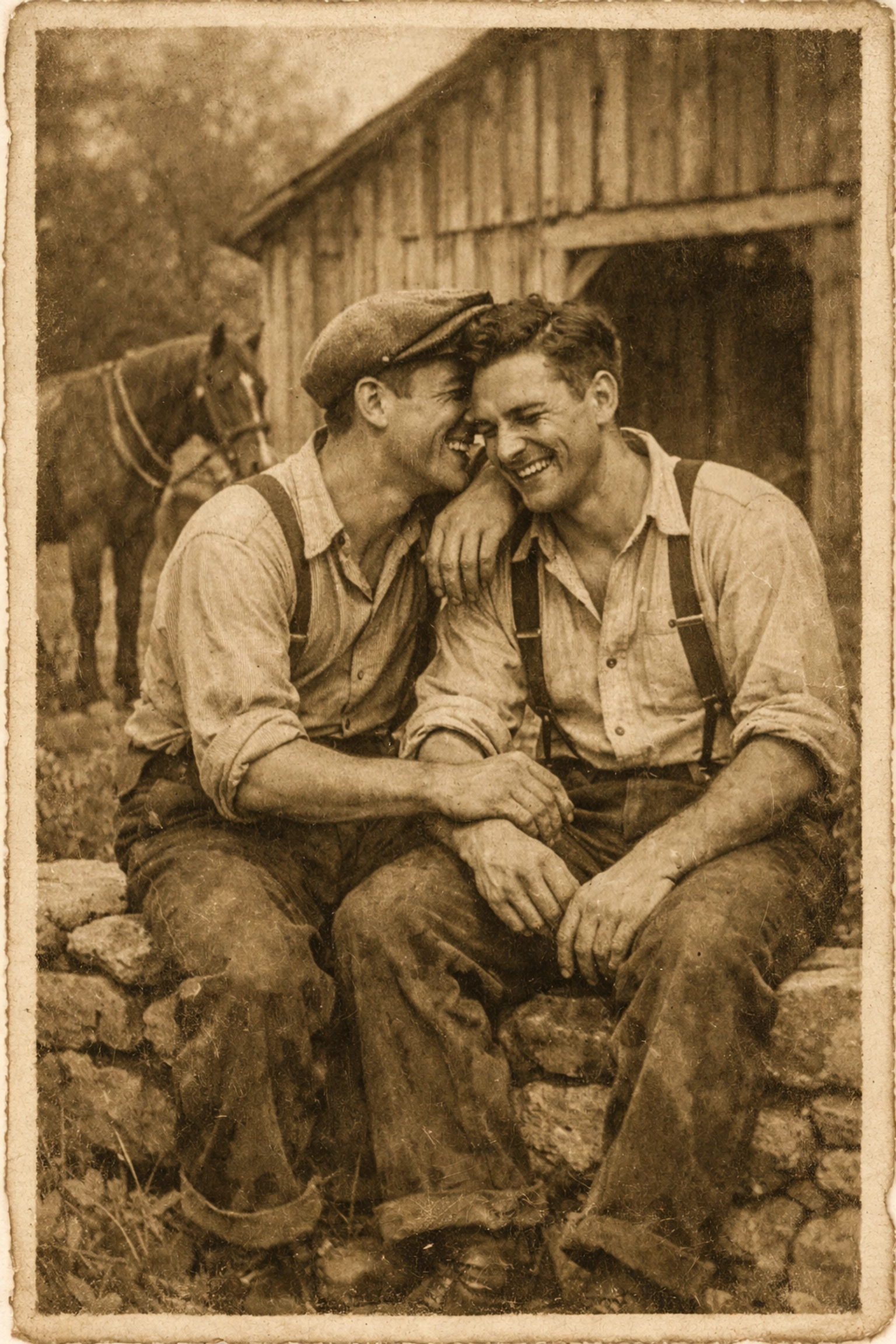
Historically, the image of a man on a horse was reserved for the "alpha." Think of the classic Western films: the stoic, silent type who rides off into the sunset alone. But the queer community has always been there, hidden in the haylofts and riding the trails. In 2026, we’re seeing a massive resurgence in artists who want to strip away that heteronormative "John Wayne" energy and replace it with something more fluid and vulnerable.
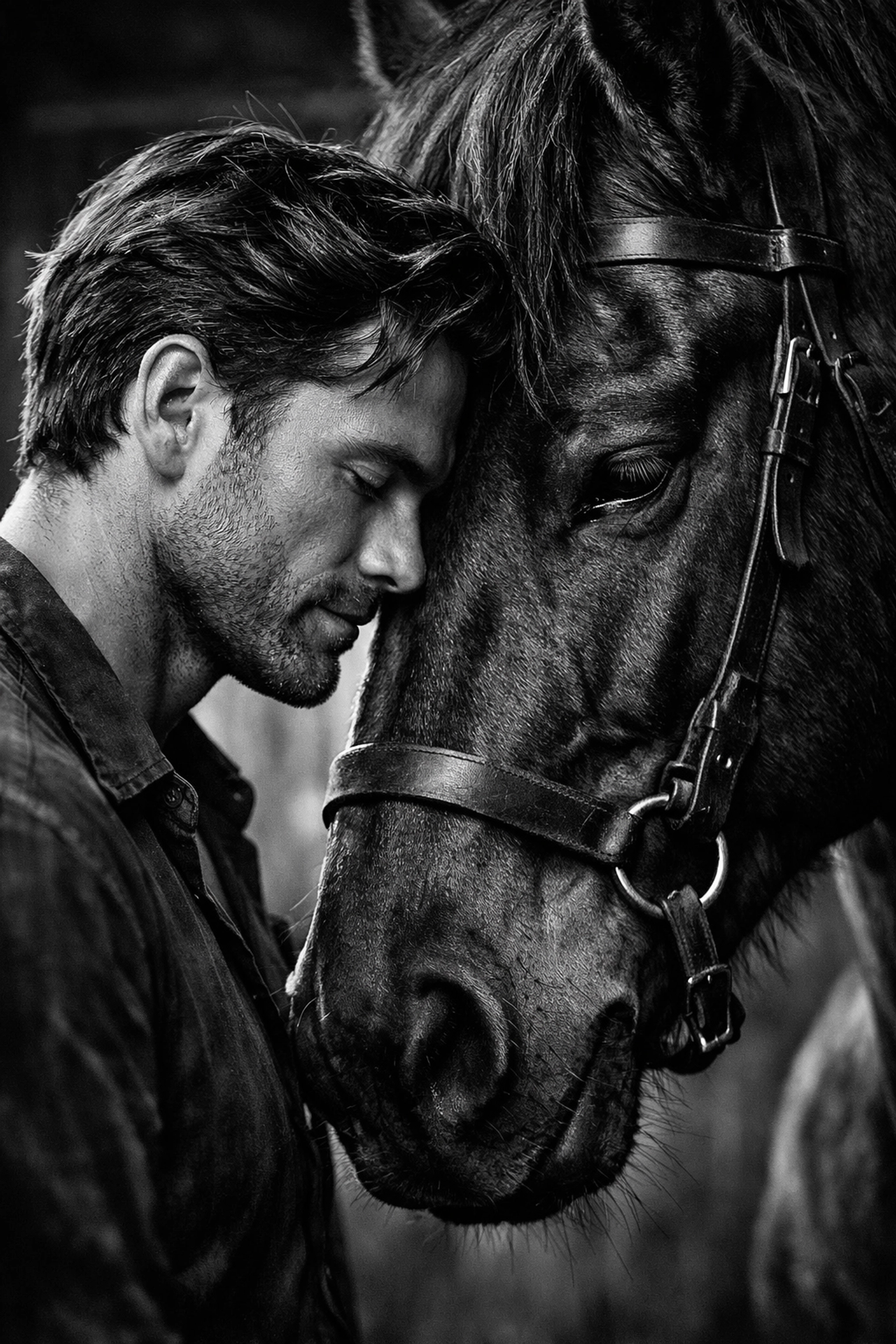
Queer photography today focuses on the intersubjectivity between the rider and the horse. This isn't about dominance; it’s about a partnership between two independent subjects. When a queer photographer looks at a horse, they often see an animal that: much like our community: has been both idolized and misunderstood.
The Art of the "Queer Horse"
Take, for example, the work of visual artist Stef Mosebach. His project, "Queer Horses," is a brilliant, slightly tongue-in-cheek exploration of how we label ourselves. By pairing horse imagery sourced from places like eBay with hand-cut lettering featuring terms like "twink," "baby dyke," and "proud bottom," Mosebach creates a dialogue about visibility.
Why horses? Because horses, like many queer people, exist in a space where they are often judged by their "utility" or their "pedigree." By slapping a label like "proud bottom" onto a majestic stallion, Mosebach isn't just being funny; he’s reclaiming the animal from its traditional, aggressive masculine context. He’s making it ours. It’s playful, it’s beautiful, and it’s deeply empowering. It reminds us that our identities can exist anywhere: even in the middle of a paddock.
The Power of the Gaze
Then there’s the more cinematic side of things. Experimental films like Horsey have started to pop up in galleries, using recycled Hollywood footage to deconstruct how horses embody desire. Instead of using the horse as a phallic symbol (looking at you, Freud), these artists use the horse to examine ecological queerness.
What does that even mean? It’s the idea that nature itself doesn’t follow a straight line. The bond between a gay man and his horse on a remote farm isn't just a scene from a gay contemporary romance novel; it’s a real-life exploration of gender performance. When you’re out in nature, away from the city lights and the judgmental stares, the "performance" of being a man changes. The horse doesn’t care if you’re "masc" or "femme." The horse only cares if you’re steady, kind, and present.
From the Farm to the Page
This connection to nature and animals is a huge theme in LGBTQ+ fiction. We see it all the time in our favorite MM romance books. There’s a reason the "grumpy rancher" or the "gentle stable hand" are such popular tropes. They allow characters to explore their vulnerabilities in a setting that feels raw and honest.
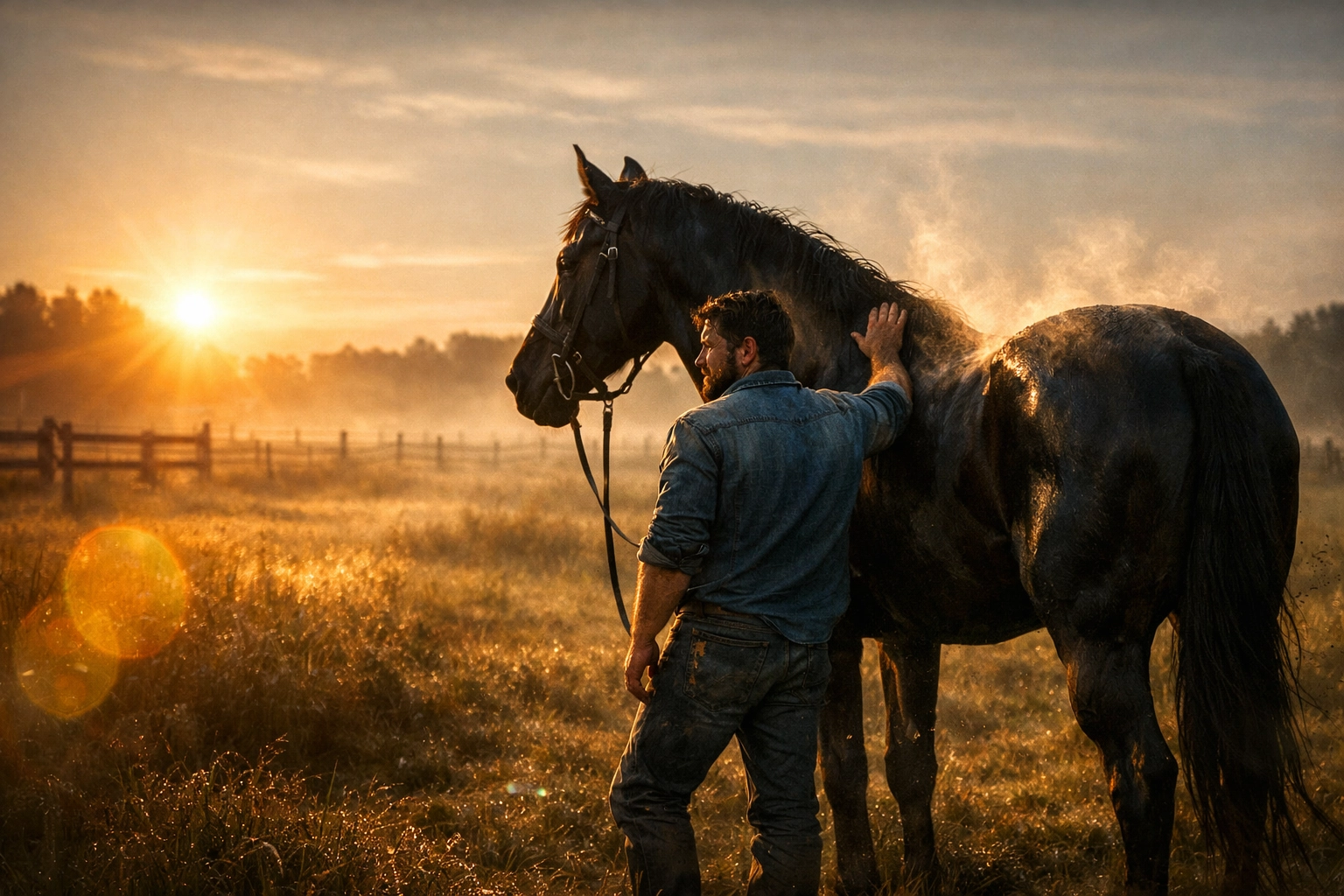
Think about the way a photographer captures the texture of a horse's coat or the steam rising off their back after a run. That same sensory detail is what makes MM historical romance so compelling. Whether it’s a clandestine meeting in a Victorian stable or a modern-day love story set on a sprawling Colorado ranch, the horse acts as a catalyst for intimacy.
If you’re looking for stories that capture this vibe, you might want to browse our product-sitemap1.xml to find some of the best MM romance titles involving the great outdoors. There’s something about the quiet of a farm that makes a love story hit harder.
Sports, Transport, and Queer History
We also can't ignore the history of horses in queer sports. Events like the Gay Games have long included equestrian disciplines, providing a space where queer riders can compete without the fear of being sidelined in a traditionally conservative sporting world.
In the past, horses were our transport: the literal vehicles of our lives. For gay men living in rural areas in the early 20th century, a horse was often their only way to reach a nearby town or a secret meeting spot. Photography that captures these historical echoes reminds us that we have always been a part of the landscape. We weren't just "invented" in the city during Stonewall; we’ve been out in the fields, on the farms, and in the saddle for as long as there have been horses to ride.
Capturing the Majesty: Tips for the Queer Eye
If you’re an aspiring photographer or just someone who loves taking photos of your pets, capturing a horse through a queer lens is all about the "felt" experience.
- Focus on the Eyes: There is a deep, ancient wisdom in a horse’s eye. Capturing that stillness can feel incredibly spiritual.
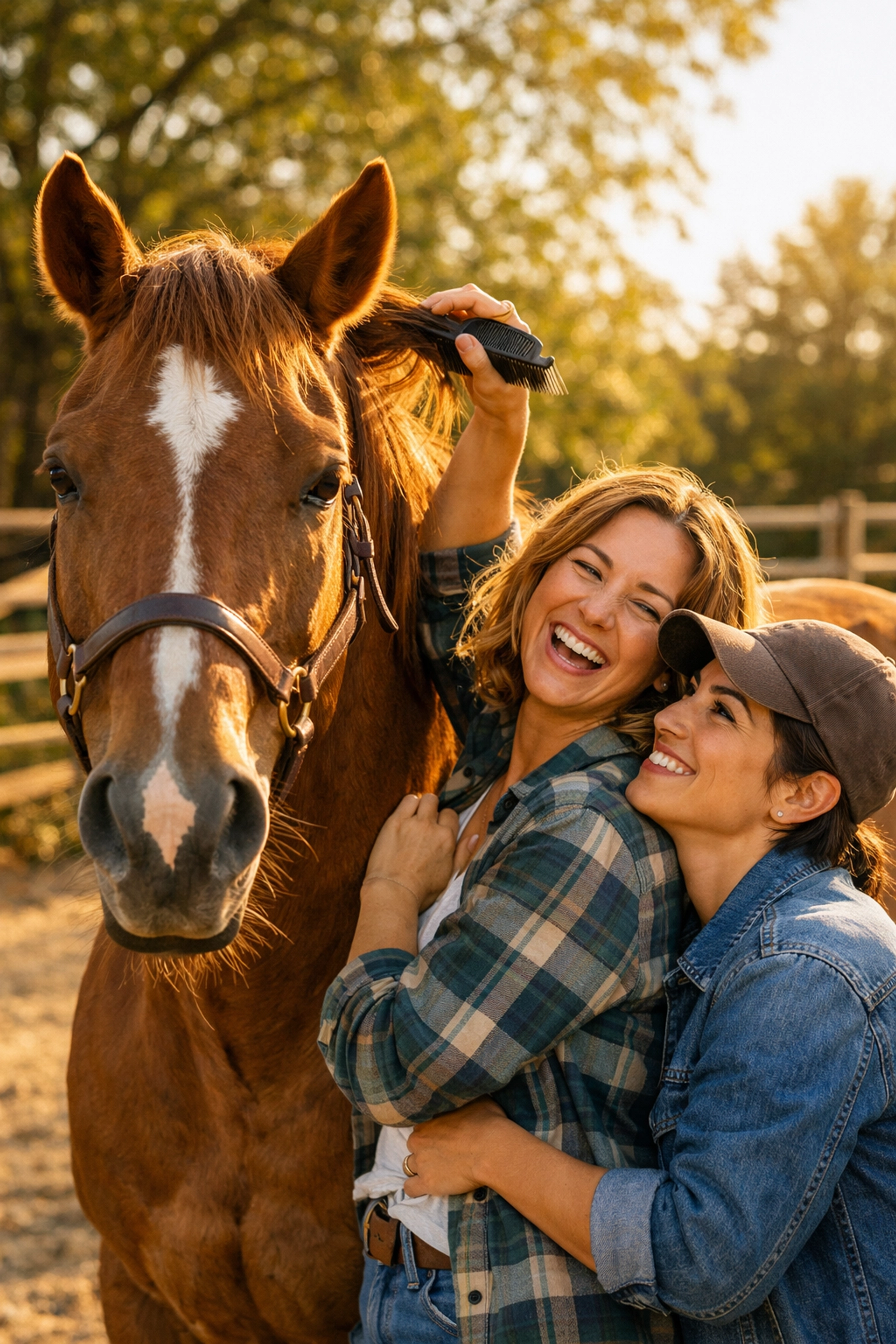
- Vulnerability over Power: Instead of the typical "power pose," try to capture the moment of grooming or a quiet nuzzle.
- Contrast the Soft and Hard: Use the rugged landscape of a farm to contrast with the soft, emotional connection between a human and an animal.
Art like this helps us see ourselves in the world. It’s why we do what we do at Readwithpride.com: whether we’re promoting gay fiction or showcasing visual artists, the goal is always representation. We want you to see that your life, your desires, and your connection to the natural world are all valid and beautiful.
Why This Matters in 2026
As we move through 2026, the need for "authentic" connection feels stronger than ever. In a world that’s increasingly digital, the tactile reality of a horse: the smell of hay, the heat of the animal: reminds us of our physical selves. Queer photographers are leaning into this, using their cameras to document a world where we aren't just surviving, but thriving in harmony with nature.
Exhibitions like "Like a Horse" at Fotografiska Stockholm are leading the way by widening the representation of horses across all cultures and contexts. They are inviting "horse nerds" and "queer theoreticians" to sit at the same table, and honestly, that’s the kind of crossover we live for.
Join the Conversation
Are you a fan of the "equestrian vibe" in your gay romance novels? Or maybe you have a collection of queer art that features the majesty of animals? We want to hear about it! The intersection of art, nature, and identity is where the most interesting stories happen.
Make sure you’re following us on our socials to keep up with more art spotlights, book recommendations, and queer culture updates:
- Facebook: Read with Pride
- Instagram: @read.withpride
- X (Twitter): @Read_With_Pride
And if you’re looking to get lost in a story that captures the spirit of the wild, check out our latest releases at Readwithpride.com. From MM contemporary hits to gay fantasy romance, we’ve got your next favorite read waiting.
Whether it's through the lens of a camera or the pages of a book, let’s keep celebrating the majesty of the horse and the beauty of the queer experience.
#Art #QueerArt #Horses #Photography #LGBTQ #ReadWithPride #MMRomance #GayCulture #Nature Lovers #2026GayBooks
Don't forget to check out our category-sitemap1.xml for more specialized genres and blog-category-sitemap1.xml to dive deeper into our archives of queer history and art. Stay authentic, stay proud, and keep reading!

Leave a Reply
You must be logged in to post a comment.