

readwithpride.com
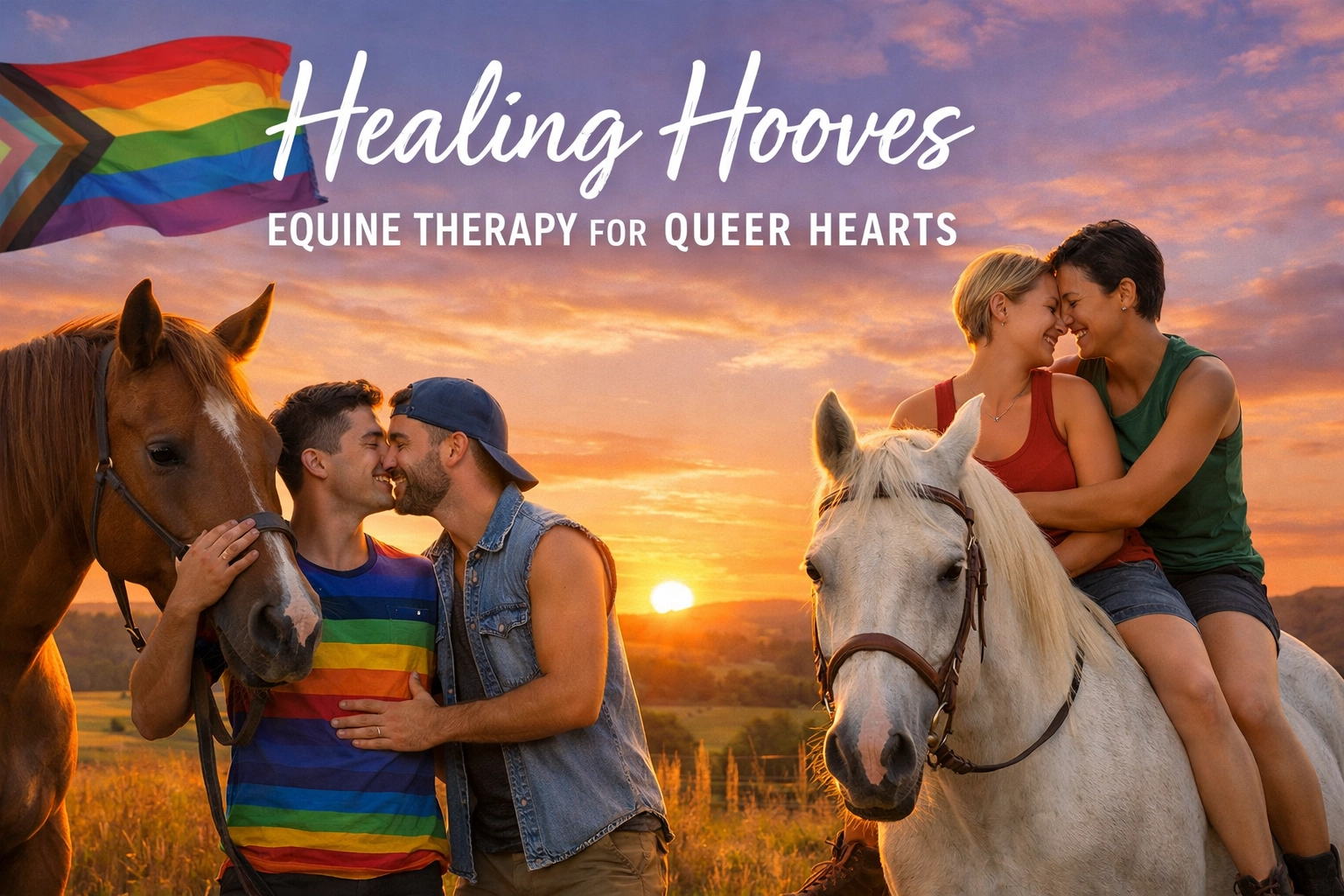
There is a specific kind of silence you only find in a stable at dawn. It’s the sound of rhythmic chewing, the occasional heavy sigh of a thousand-pound animal, and the scent of sweet hay and leather. For many in the LGBTQ+ community, finding a place where you can simply be: without performing, explaining, or defending your identity: is a lifelong quest. Surprisingly, many are finding that sanctuary not in a city bar or a community center, but in the company of horses.
At Read with Pride, we spend a lot of time exploring the "cowboy" trope in MM romance books or the rugged farmhand in gay contemporary romance. We love those stories because they tap into a primal desire for rugged authenticity and a connection to the earth. But in 2026, the intersection of queer life and equine companionship is moving beyond the pages of gay fiction and into a powerful, transformative reality: Equine-Assisted Therapy (EAT).
The Historical Bond: More Than Just a Trope
While many of us grew up with the "macho" image of the lone cowboy, the history of gay men and horses is much richer and more diverse. Historically, horses were the primary mode of transport and labor, and for many queer individuals living in rural settings, these animals were their most trusted confidants.
In the 19th and early 20th centuries, the cavalry and the ranch provided spaces where men lived in close quarters, forming deep emotional bonds that often transcended simple friendship. While history books often scrubbed the "queer" out of the Wild West, gay historical romance writers today are doing the hard work of reclaiming those narratives. The horse wasn't just a tool for transport; it was a partner in a world that often felt hostile.
Today, that legacy continues through events like the International Gay Rodeo Association (IGRA), which has been celebrating queer equestrian culture for decades. It’s a space where the leather subculture, the sporting world, and rural heritage collide in a beautiful, dusty explosion of pride.

Why Horses? The Mirror Effect
So, why are horses so effective for healing queer hearts? Horses are prey animals, which means they are hyper-attuned to their environment and the emotions of those around them. They don't care how you identify, who you love, or what your "coming out" story looks like. They care about one thing: Are you present? Are you authentic?
For many of us who have spent years masking our true selves to survive, horses offer a radical form of therapy. You cannot "fake it" with a horse. If you are anxious but trying to act calm, the horse will pick up on that incongruence and react. This "mirroring" effect allows individuals to see their own emotional states reflected back at them without judgment.
In a world where many LGBTQ+ people struggle with hyper-vigilance: a side effect of navigating a heteronormative society: learning to regulate your nervous system around a horse is a game-changer. It’s a form of mindfulness that doesn't involve sitting on a yoga mat; it involves grooming a mare or leading a gelding through an obstacle course.
Healing Queer Trauma and Reconnecting with Nature
Equine therapy is being used to tackle some of the most pressing mental health challenges in our community, including:
- Trauma and PTSD: For those who have experienced rejection or violence, the gentle presence of a horse provides a safe way to practice trust and boundaries.
- Body Dysmorphia: Horses don't have beauty standards. Working with these large, powerful animals helps individuals move from focusing on how their body looks to what their body can do.
- Social Anxiety: Learning to communicate non-verbally with a horse can build the confidence needed to navigate human social circles.
For many who live in urban "gayborhoods," getting out into nature is a vital part of the healing process. There’s something inherently grounding about the mud, the sun, and the physical labor of farm life. It’s why we see so many popular gay books lately focusing on "sea changes" or "farm-to-table" romances: there is a collective yearning for a simpler, more tactile existence.

From Sport to Support: The Modern Equestrian Scene
The queer equestrian world in 2026 is thriving. Beyond therapy, we are seeing a rise in LGBTQ+ riding clubs and inclusive boarding stables. Whether it’s dressage, show jumping, or just trail riding through the woods, gay and trans riders are making their mark.
We are also seeing a shift in how we view "transport" and "labor." In an age of high-tech everything, the slow pace of a horse-drawn carriage or a long trail ride offers a necessary "digital detox." It’s about reconnecting with the animal kingdom and realizing that we are part of a larger, natural ecosystem.
For the writers of MM novels and gay love stories, these settings provide the perfect backdrop for emotional intimacy. There’s a reason the "forced proximity" trope works so well in a snowed-in barn or during a long cattle drive. When it’s just two people and their horses against the elements, the walls we build around our hearts start to crumble.
Reading the Landscape: Horses in LGBTQ+ Literature
If you aren't ready to hop into the saddle just yet, you can explore this world through the lens of LGBTQ+ fiction. At Read with Pride, we’ve curated a selection of gay romance novels that feature the healing power of animals and nature.
From gay fantasy romance where bonded mounts are telepathic companions to MM contemporary stories about city boys finding themselves on a ranch, these books help us process our own desires for connection. Check out our product sitemap to find your next favorite read, or dive into some steamy MM romance that captures the heat of a summer day on the farm.
If you’re a writer yourself, we offer resources for ebook publishing to help you bring your own queer equestrian stories to life. The world needs more narratives where queer people are the heroes of the homestead.

Finding Your Own "Healing Hooves"
If you’re feeling inspired to seek out equine therapy or simply spend more time around horses, here are a few tips for the LGBTQ+ community:
- Look for Affirming Facilities: While not all stables are "out," many equine therapy centers are explicitly inclusive. Don't be afraid to ask about their stance on LGBTQ+ issues before booking a session.
- Start Small: You don't have to be an expert rider. Many therapy programs focus on "groundwork": grooming, leading, and simply being in the horse's space.
- Join the Community: Follow groups like the IGRA or local queer hiking and nature clubs. You’ll find that many "horse people" in the community are eager to share their passion.
- Embrace the Mess: Horses are dirty, unpredictable, and sometimes stubborn. Embracing the messiness of a horse is a great metaphor for embracing the messiness of being human.

Final Thoughts: A Gallop Toward Authenticity
Whether you’re reading a heartfelt gay fiction novel about a boy and his horse or you’re standing in a paddock in the pouring rain, the message is the same: you deserve to take up space. You deserve to be heard without saying a word.
The bond between queer people and horses is one of the most authentic connections we can foster. It’s a relationship built on mutual respect, patience, and a shared love for the open air. So, this year, why not take a page out of your favorite MM romance books and head for the hills? The horses are waiting, and they don't care who you love: they just want to know if you brought carrots.
For more stories about queer life, nature, and the best 2026 gay books, stay tuned to Read with Pride. Follow us on Facebook, X (Twitter), and Instagram for daily doses of pride and literary inspiration.
Explore our full collection of LGBTQ+ eBooks and gay literature at readwithpride.com.
#NatureAndWellness #EquineTherapy #QueerNature #ReadWithPride #MMRomance #LGBTQWellness #GayCowboy #HealingHooves #GayBooks2026 #RuralQueer

Leave a Reply
You must be logged in to post a comment.