

readwithpride.com
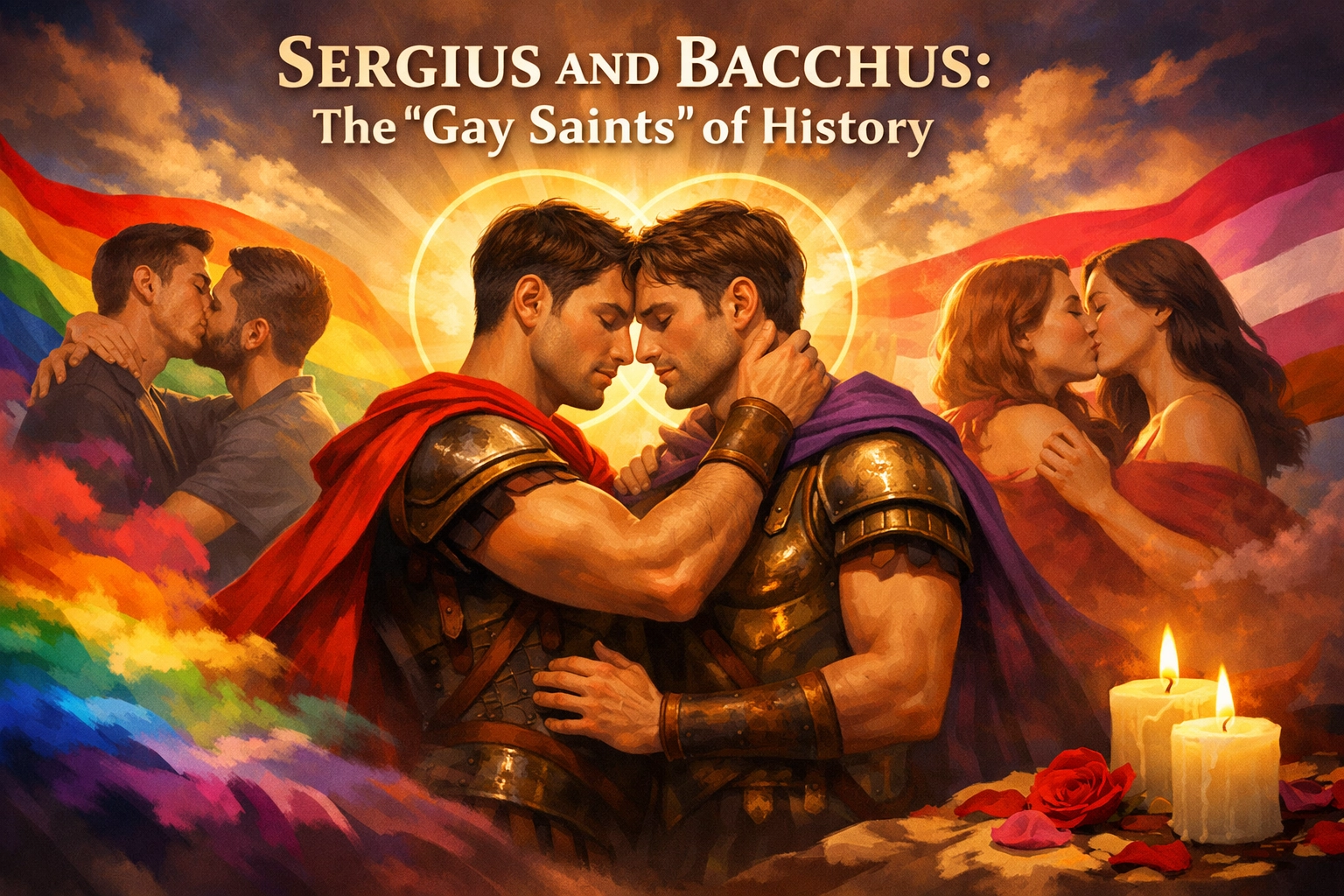
If you’ve spent any time scrolling through the MM romance books section of your favorite e-reader, you know the "brothers-in-arms" trope is an absolute powerhouse. There’s something undeniably magnetic about two soldiers facing the world together, their bond forged in the heat of battle and deepened by a secret only they share. But while we often look to 2026 gay books for these narratives, the ultimate "ride or die" story actually dates back to the fourth century.
Meet Sergius and Bacchus. They weren’t just Roman soldiers; they were high-ranking officers, martyrs, and: according to a growing body of historians and queer theologians: one of the earliest recorded same-sex couples in Christian history. At Read with Pride, we’re obsessed with how history informs our modern gay love stories, and the tale of these two "Gay Saints" is the ultimate blueprint for the historical MM romance novels we love today.
The OGs of the Military Romance Trope
Sergius and Bacchus weren't just any soldiers. Sergius was a primicerius (a commander) and Bacchus was his secundarius (a subaltern officer). They were stationed in Syria under Emperor Maximian, and they were the Emperor’s favorites. They were right there in the inner circle, the kind of "power couple" status that modern gay fiction authors dream of writing.
But here’s the twist that makes it a true gay historical romance: they were secret Christians. In a time when the Roman Empire demanded sacrifice to pagan gods, these two were living a double life. Their bond wasn't just professional; the oldest Greek records of their lives describe them as erastai, or "lovers." This isn't just a modern "shipping" of historical figures; it’s right there in the text.
The Punishment that Backfired
Every good gay romance novel needs a moment of high tension, and Sergius and Bacchus had it in spades. When their secret faith was finally outed by jealous rivals, the Emperor didn't just execute them right away. He tried to humiliate them.
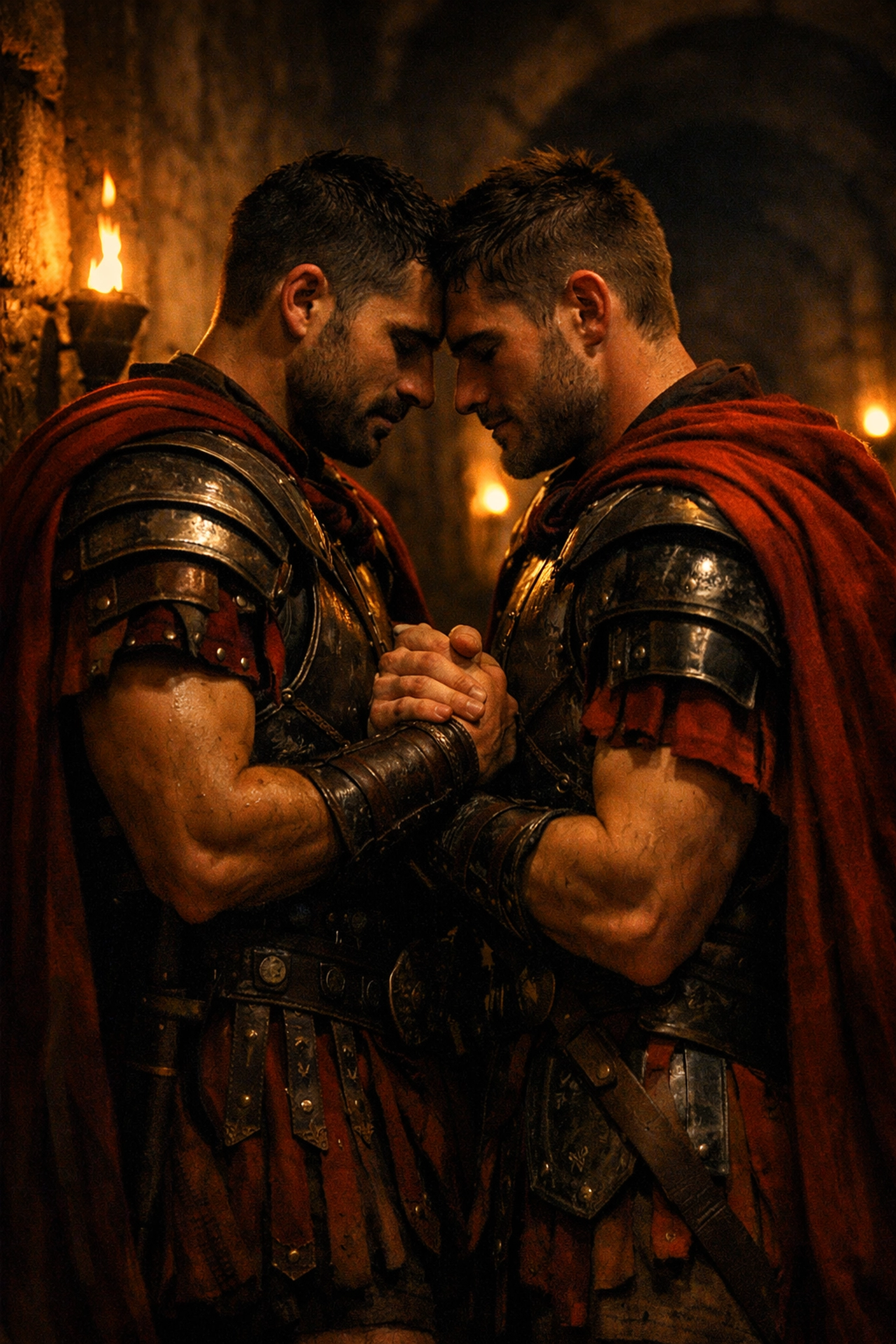
In an attempt to strip them of their masculinity and status, Maximian forced them to be paraded through the streets of Arabissus wearing women’s clothing. For the Romans, this was supposed to be the ultimate shame. But here’s where the story gets authentic and incredibly queer: historians note that they didn't cower. They walked through the streets as a pair, their bond unbroken. In many ways, this was their "coming out" moment: a public declaration that they defied the Emperor’s expectations of who and what they should be.
If you're looking for inspiration for your own MM historical romance, this scene is a goldmine. It touches on themes of gender non-conformity, public shaming, and the resilience of love: themes we still explore in queer fiction at readwithpride.com.
A Love Beyond the Grave
The tragedy of their story is what cemented them as icons. Bacchus was the first to fall, flogged to death for his refusal to renounce his faith. But the story doesn't end there. According to hagiography, Bacchus appeared to Sergius in a vision that night. He didn't tell Sergius to run or to save himself. Instead, he comforted him, promising that they would be reunited in paradise, forever bound together.
This "soulmate" connection is the heart of why Sergius and Bacchus resonate so deeply with the LGBTQ+ community. They weren't just "roommates" or "very close friends." They were a unit. Even in death, their story is one of togetherness. This is the kind of heartfelt gay fiction that keeps us turning pages late into the night.
Adelphopoiesis: The "Gay Wedding" of the Byzantine Era?
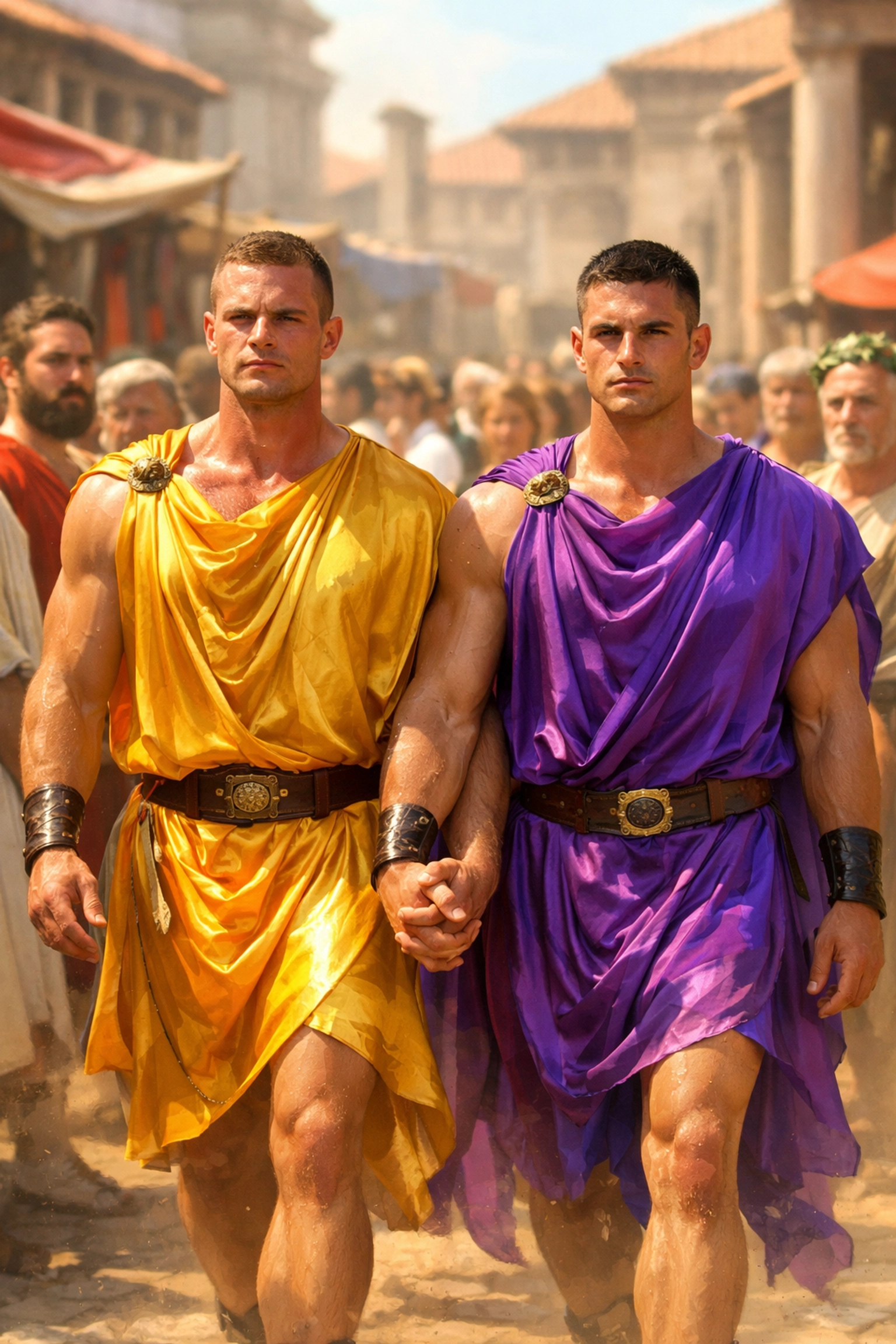
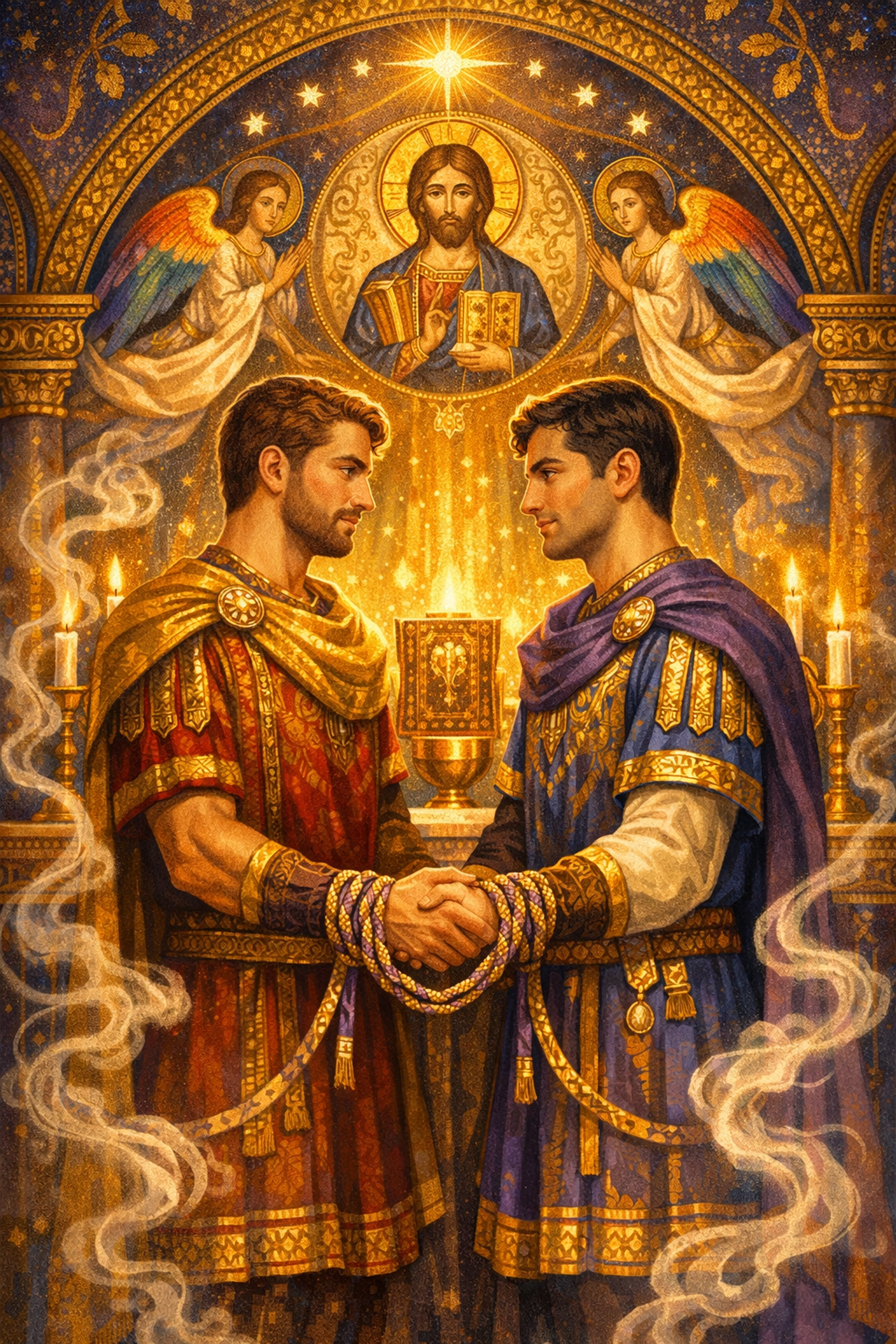
One of the most fascinating aspects of Sergius and Bacchus's legacy is their connection to adelphopoiesis, or "brother-making." This was a formal ritual in the early Christian church that joined two men in a spiritual union. While the church often argues this was purely about "spiritual brotherhood," many scholars point to the language of the prayers: which invoked Sergius and Bacchus: as evidence that it was used to sanctify same-sex relationships.
Think of it as a precursor to modern marriage, a way for the community to recognize a bond that went beyond the ordinary. For readers of MM contemporary and gay fantasy romance, seeing this historical precedent for "chosen family" and formal commitment is incredibly validating. It reminds us that our desire for recognition and sacredness in our relationships isn't a new trend: it's ancient.
Why They Matter in 2026
You might be wondering why we’re talking about fourth-century saints on a blog dedicated to LGBTQ+ ebooks. The answer is simple: representation matters, even (and especially) in history. For centuries, the queer aspects of Sergius and Bacchus's lives were tucked away or "straight-washed."
In 1969: the same year as the Stonewall Riots: the Roman Catholic Church removed them from the universal liturgical calendar, citing a lack of historical evidence. Many in the community saw this as a deliberate move to distance the church from these queer icons. But you can't erase a bond that strong. Today, they are the patron saints of same-sex couples, and their icons are often carried at Pride marches around the world.
From Hagiography to the Best MM Romance
The story of Sergius and Bacchus has everything we look for in top LGBTQ+ books:
- The "Forbidden Love" Trope: Navigating a hostile empire while keeping their faith and love secret.
- The "Brothers-in-Arms" Trope: Fighting side-by-side and finding solace in each other.
- The "Tragic but Hopeful" Ending: A martyrdom that promises an eternal reunion.
For authors looking to dive into gay historical romance, Sergius and Bacchus offer a wealth of inspiration. Their lives remind us that queer joy and queer resistance have always existed, even in the most unlikely places. If you're looking to write or read something that feels "genre-bending," check out our post on why genre-bending MM romance is reshaping the industry.
Finding Your Own 'Patron Saints' of Romance
At Readwithpride.com, we believe every reader deserves to see themselves reflected in the stories they read: whether those stories are written in 303 AD or 2026. Whether you’re into steamy MM romance, gay thriller novels, or emotional MM books, there’s a piece of Sergius and Bacchus's courage in every character who dares to love openly.
If you’re just starting your journey into gay literature, or if you’re a seasoned pro looking for your next gay romance series, we’ve got you covered. Explore our product sitemap to find the latest releases and all-time classics.

Sergius and Bacchus remind us that we aren't new. We aren't a "lifestyle choice." We are part of the long, beautiful, and sometimes tragic tapestry of human history. Their love survived the Roman Empire, and it continues to inspire us today.
So, the next time you pick up an MM historical romance or a gay adventure romance, take a second to think of the commander and his officer. They paved the way so we could tell our stories today.
Ready for more history, tropes, and book recommendations? Head over to Readwithpride.com and join the club. Let's keep these stories alive, one page at a time.
Stay Connected with Read with Pride:
- Facebook: Follow us here
- X (Twitter): Read with Pride on X
- Instagram: Check out our latest reads
#SergiusAndBacchus #GaySaints #LGBTQHistory #MMRomance #GayHistoricalRomance #ReadWithPride #QueerLiterature #BrothersInArms #GayBooks2026 #Adelphopoiesis

1 thought on “Sergius and Bacchus: The ‘Gay Saints’ of History”
-
Pingback: The Ultimate Guide to Queer Healing: Everything You Need to Succeed in Finding Your Peace - readwithpride.com The best LGBTQ+ e-books
Leave a Reply
You must be logged in to post a comment.