

readwithpride.com
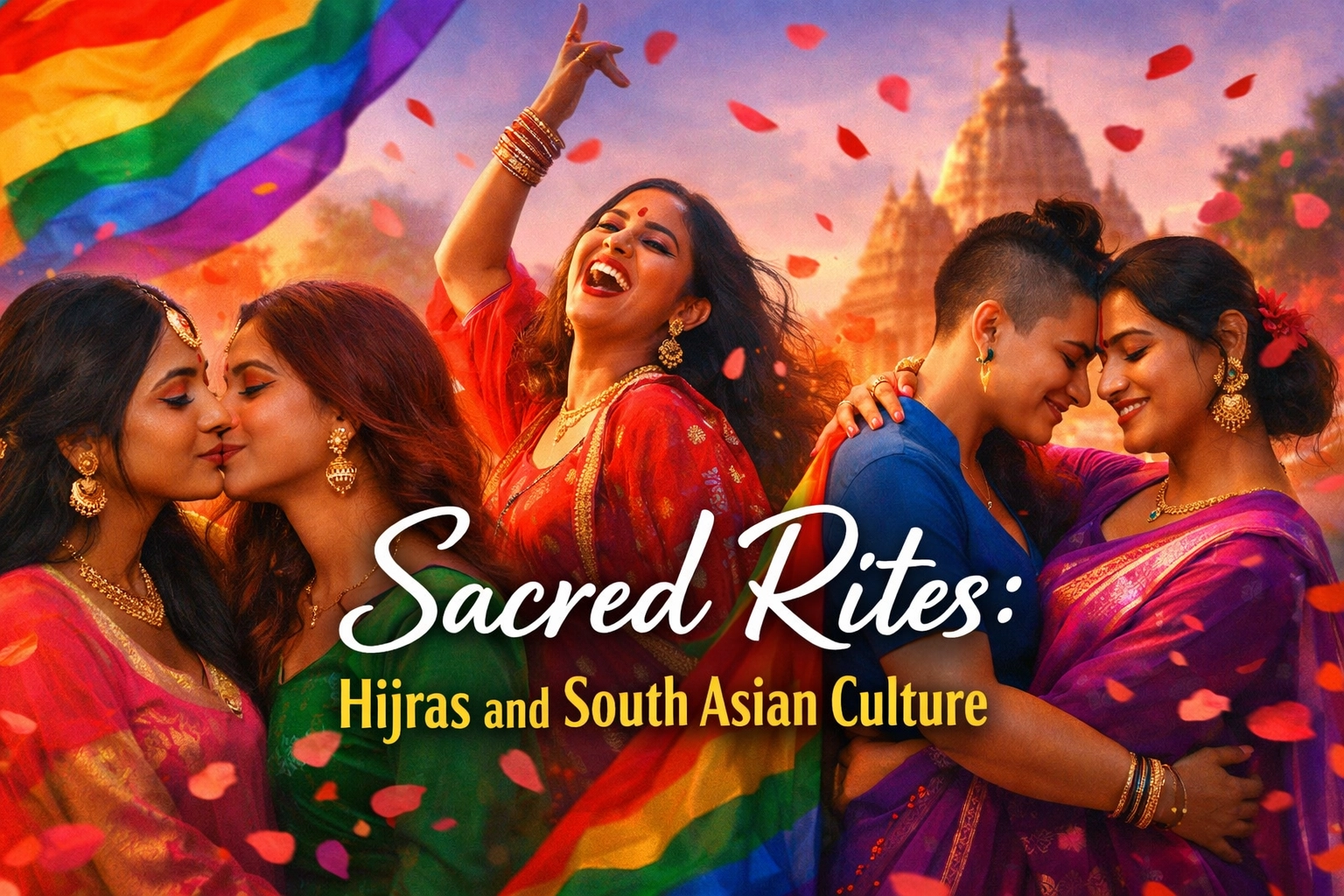
If you’ve ever found yourself deep in a "found family" trope in your favorite MM romance books, you know there’s something incredibly powerful about creating a community where the world hasn’t left you a seat at the table. But long before we were binge-reading queer fiction on our Kindles, there was a community in South Asia that had already mastered the art of "chosen family" while doubling as spiritual powerhouses.
We’re talking about the Hijras.
Often called a "third gender," the Hijra community has a history that is as dazzling as it is complex. They aren't just part of the culture; they are the gatekeepers of some of South Asia’s most sacred rites. From the courts of Mughal emperors to the bustling streets of modern-day Mumbai, the story of the Hijras is one of resilience, divinity, and a whole lot of sparkle.
At Read with Pride, we’re all about celebrating stories that break the binary, and honestly, the history of the Hijra community is better than any gay historical romance we’ve ever published. Let’s dive into the sacred, the traditional, and the beautifully queer world of South Asian Hijra culture.
The Ultimate "Slow Burn": Ancient Origins
To understand the Hijras, you have to go back, way back. We’re talking ancient Hindu epics and the kind of devotion that would make even the most dedicated MM romance hero look a little flaky.
The most famous legend comes from the Ramayana. When Lord Rama was exiled from his kingdom for 14 years, his loyal subjects followed him to the edge of the forest. Rama turned to the crowd and said, "Men and women, please return to your homes." The men left, and the women left. But the Hijras: being neither: stayed exactly where they were for 14 years.
When Rama returned and saw them still waiting, he was so moved by their loyalty that he granted them a "boon" (basically a divine superpower). He gave them the authority to confer blessings during life’s most auspicious moments: births and weddings. Talk about iconic behavior. This isn't just a story; it’s the spiritual foundation that makes Hijras essential to South Asian celebrations even today.
Badhai: The Original Pop-Up Performance
In the world of gay novels and M/M books, we love a grand entrance. But nobody does an entrance like a group of Hijras arriving for a badhai.
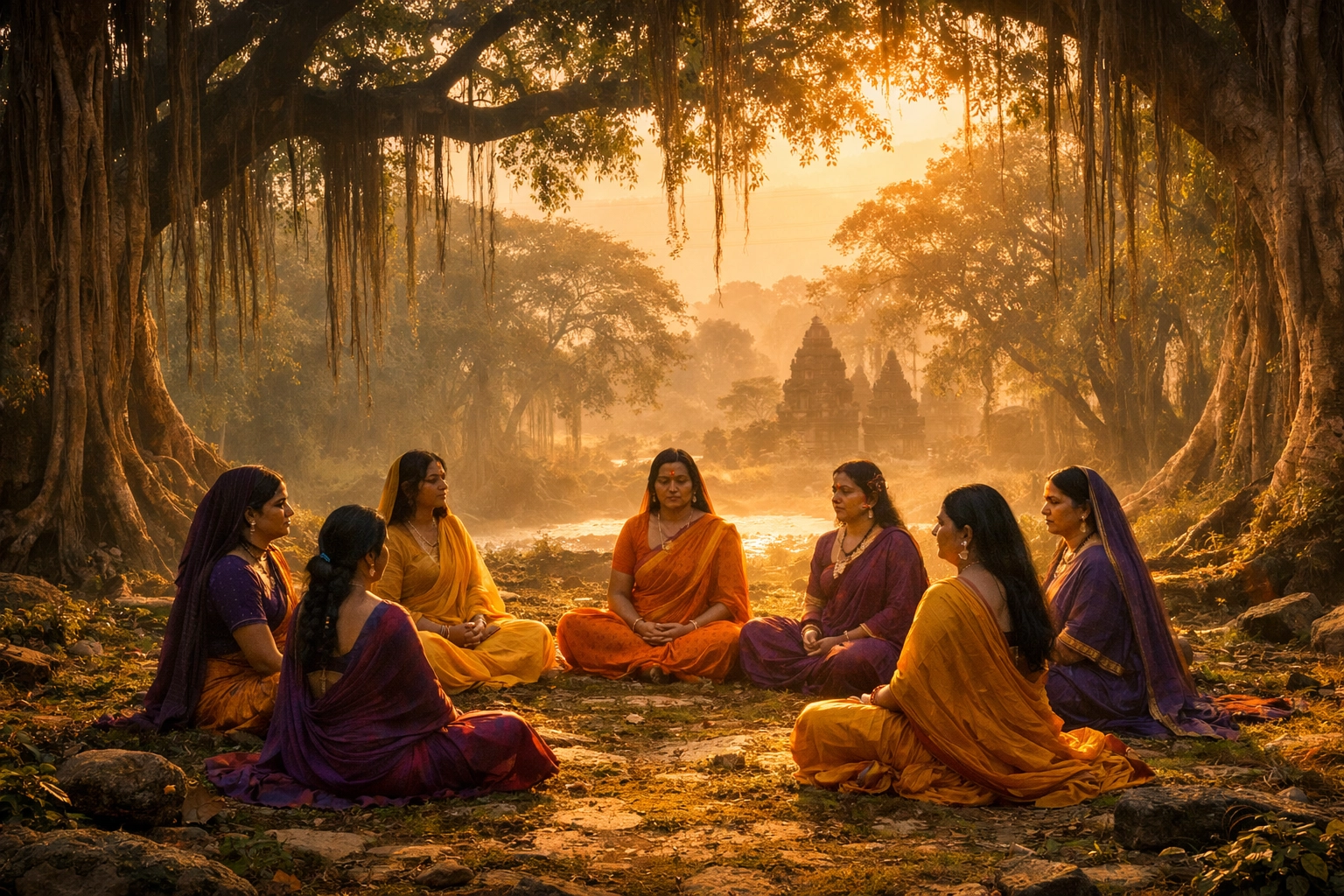
Badhai is a ritual performance where Hijras visit families during the birth of a child (traditionally a son) or a wedding. They arrive with drums, songs, and a specific rhythmic clap that is instantly recognizable. They dance, they sing, and most importantly, they bless.
In South Asian culture, a Hijra’s blessing is considered pure gold. They are seen as being closer to the divine because they transcend the traditional gender binary, mirroring deities like Shiva in his Ardhanarishvara (half-man, half-woman) form. While modern LGBTQ+ fiction often focuses on the struggle for acceptance, the badhai tradition reminds us that there are spaces where queer identities are seen as inherently holy and necessary for the prosperity of the community.
The Guru-Chela System: Found Family 101
If you’re a fan of the "mentor/protege" or "found family" tropes in MM romance books, the Hijra community structure is going to fascinate you. Because they were historically (and often still are) rejected by their biological families, Hijras created their own kinship system called the guru-chela system.
Each community is led by a guru (teacher) who takes in chelas (disciples). This isn't just a casual arrangement; it’s a lifelong commitment. The guru provides a home, protection, and a sense of belonging, while the chela learns the traditions, songs, and rituals of the community. They organize themselves into gharanas: think of them like the "houses" in ballroom culture, but with a history that stretches back centuries.
This system has allowed the Hijra culture to survive through British colonialism (which, spoiler alert, tried to criminalize them) and into the modern era. It’s a beautiful, real-world example of how queer people have always looked after their own.
The Koovagam Festival: 18 Days of Queer Magic
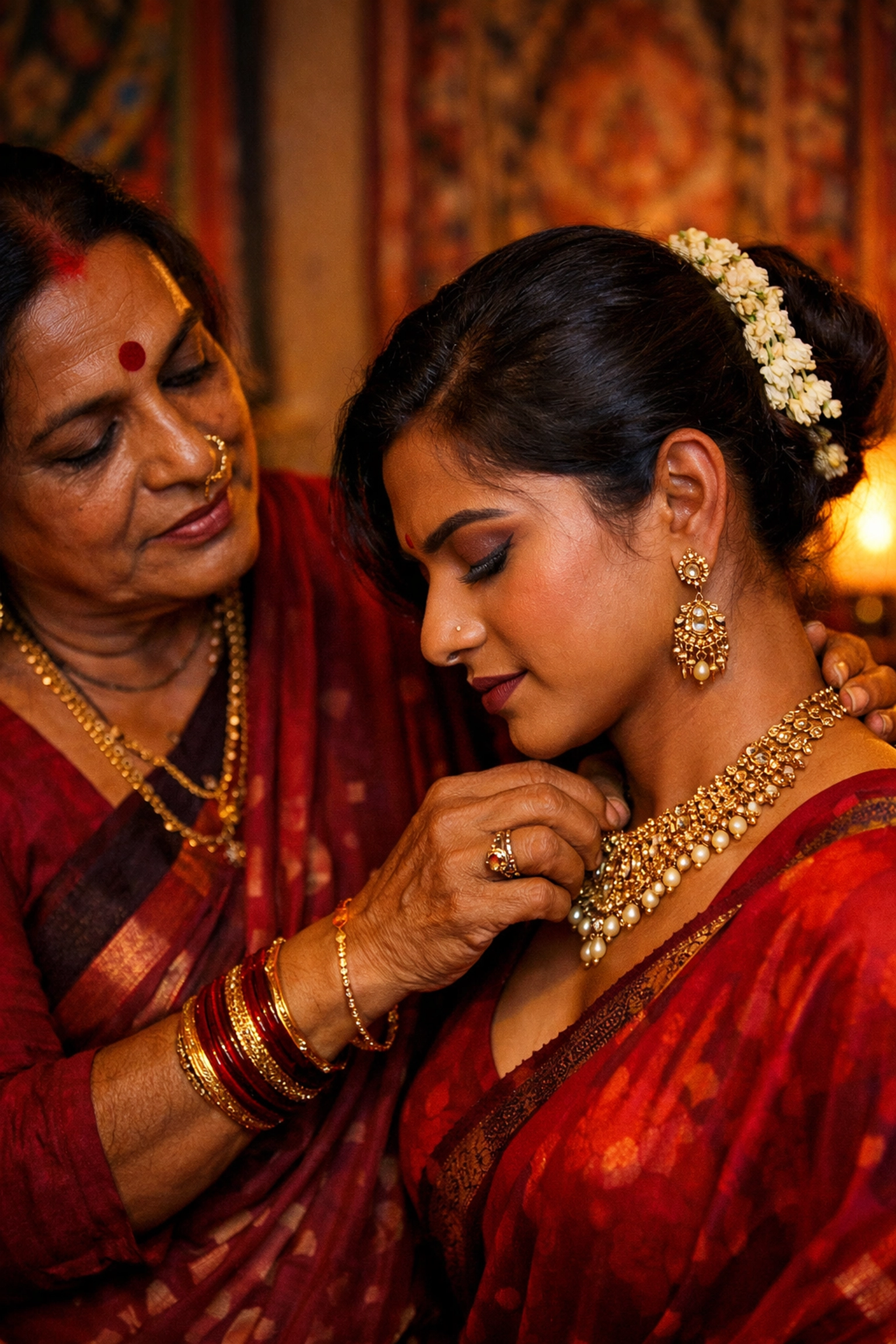
Every year in the state of Tamil Nadu, thousands of Hijras (and other trans/queer folks known locally as Aravanis) gather for the Koovagam festival. If you thought Pride was a party, Koovagam is on another level.
The festival centers around a story from the Mahabharata. Lord Aravan had to be sacrificed to ensure victory in battle, but he didn't want to die without experiencing marriage. Since no woman wanted to marry a man destined to die the next day, Lord Krishna transformed into the beautiful enchantress Mohini and married him.
During the festival, the Hijras take on the role of Mohini. They "marry" the deity in a massive, vibrant ceremony, and the next day, they ritually mourn his death, breaking their bangles and changing into white clothes. It’s a stunning blend of mythology, theatre, and identity. In the middle of all this ancient ritual, there are also beauty pageants, health seminars, and talent shows. It’s the ultimate intersection of ancient tradition and modern queer identity.
From Mughal Courts to Modern Rights
It wasn't always just about street performances and rituals. During the Mughal Empire, Hijras (often referred to as eunuchs in historical texts) held massive amounts of power. They were political advisors, generals, and guardians of the royal harems. They were wealthy, land-owning, and influential.
However, when the British arrived, they brought their own rigid gender binaries and Victorian morals. They passed the Criminal Tribes Act in 1871, which basically made being a Hijra illegal. This colonial hangover is the root of much of the stigma the community faces today.
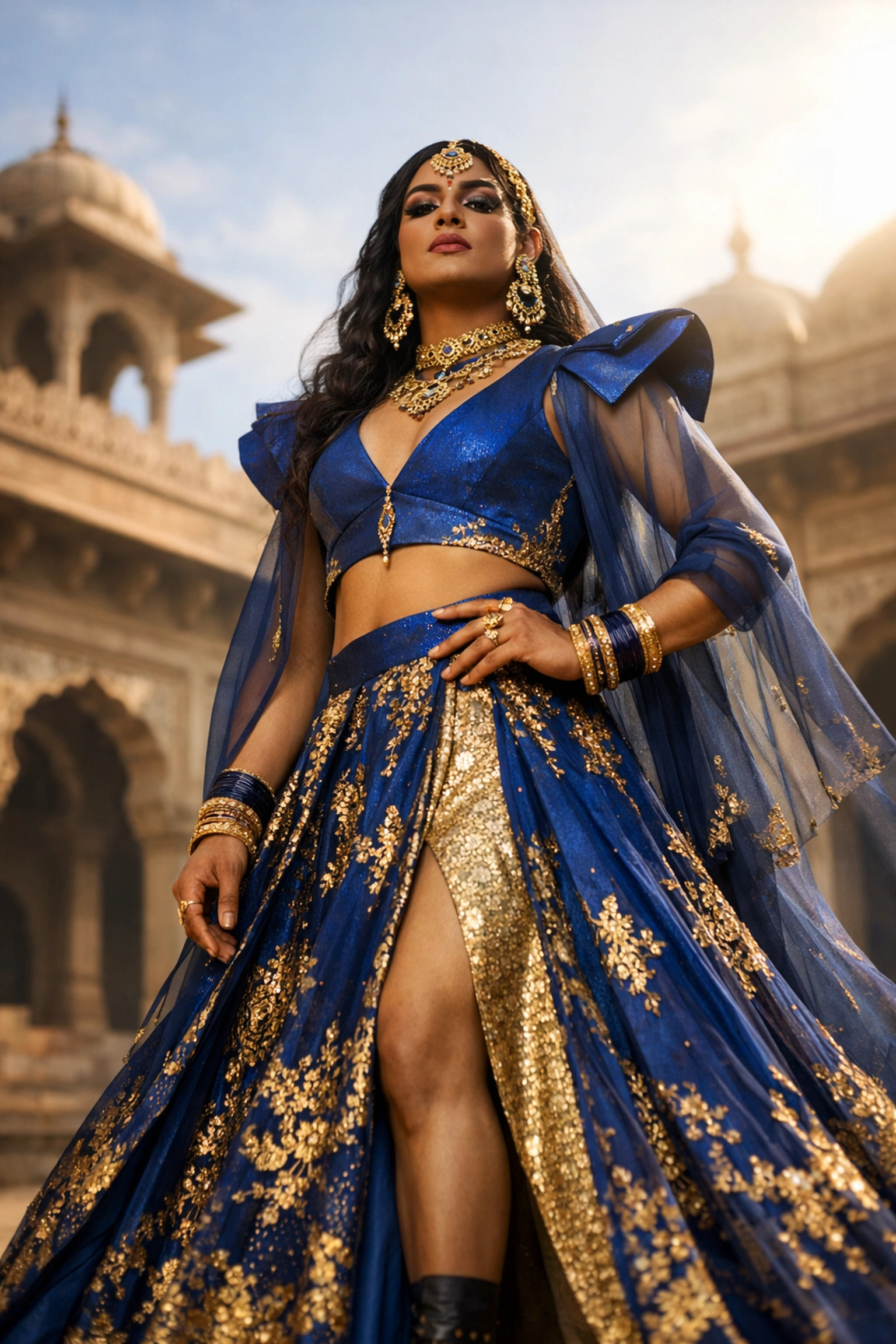
But things are changing. In 2014, the Supreme Court of India officially recognized a "third gender," granting Hijras legal rights they’d been denied for over a century. We’re seeing more Hijras in politics, modeling, and even as the protagonists in popular gay books and new gay releases.
Why This Matters for LGBTQ+ Readers in 2026
You might be wondering why a publisher of MM romance books is talking about ancient South Asian rituals. The answer is simple: representation matters, and history is queer.
When we read gay historical romance or MM contemporary fiction, we’re often looking for a sense of lineage. Knowing that there is a community that has survived for thousands of years by leaning into their "otherness" and claiming a sacred space is incredibly empowering.
The Hijra community reminds us that:
- Found family is a survival strategy.
- Gender is a spectrum, not a box.
- Our identities have always been part of the spiritual fabric of humanity.
Whether you’re looking for steamy MM romance or heartfelt gay fiction, it’s important to remember the real-life pioneers who paved the way. The Hijras are a living testament to the fact that we have always been here, we have always been sacred, and we have always known how to celebrate.
Explore More Queer Stories
At Read with Pride, we’re committed to bringing you the best in LGBTQ+ ebooks. From MM fantasy to gay adventure romance, our catalog is full of stories that celebrate the diversity of the queer experience. If you’re looking for your next obsession, check out our latest releases or dive into our blog archives for more deep dives into queer history and culture.
Want to keep up with the latest in gay literature and 2026 gay books? Follow us on social media and join our community of book lovers!
- Facebook: Read with Pride
- Instagram: @read.withpride
- X (Twitter): @Read_With_Pride
Ready to fill your Kindle? Head over to the Readwithpride.com store and find your next favorite read. Whether it's an MM contemporary or a gay historical romance, we’ve got something that will make your heart skip a beat.
Stay proud, stay curious, and keep reading!
#HijraCulture #SouthAsianQueerHistory #LGBTQHistory #ReadWithPride #MMRomanceBooks #QueerIdentity #SacredRites #ThirdGender #GayHistoricalRomance #2026GayBooks #FoundFamilyTrope

Leave a Reply
You must be logged in to post a comment.