

readwithpride.com
History books have a funny way of "forgetting" the most interesting people. For a long time, the narrative of the American West was all about rugged cowboys and stoic pioneers: usually depicted as straight, cisgender, and very white. But if you scratch the surface of the red dust in New Mexico, you’ll find a history that is far more colorful, complex, and queer than any Hollywood movie would have you believe.
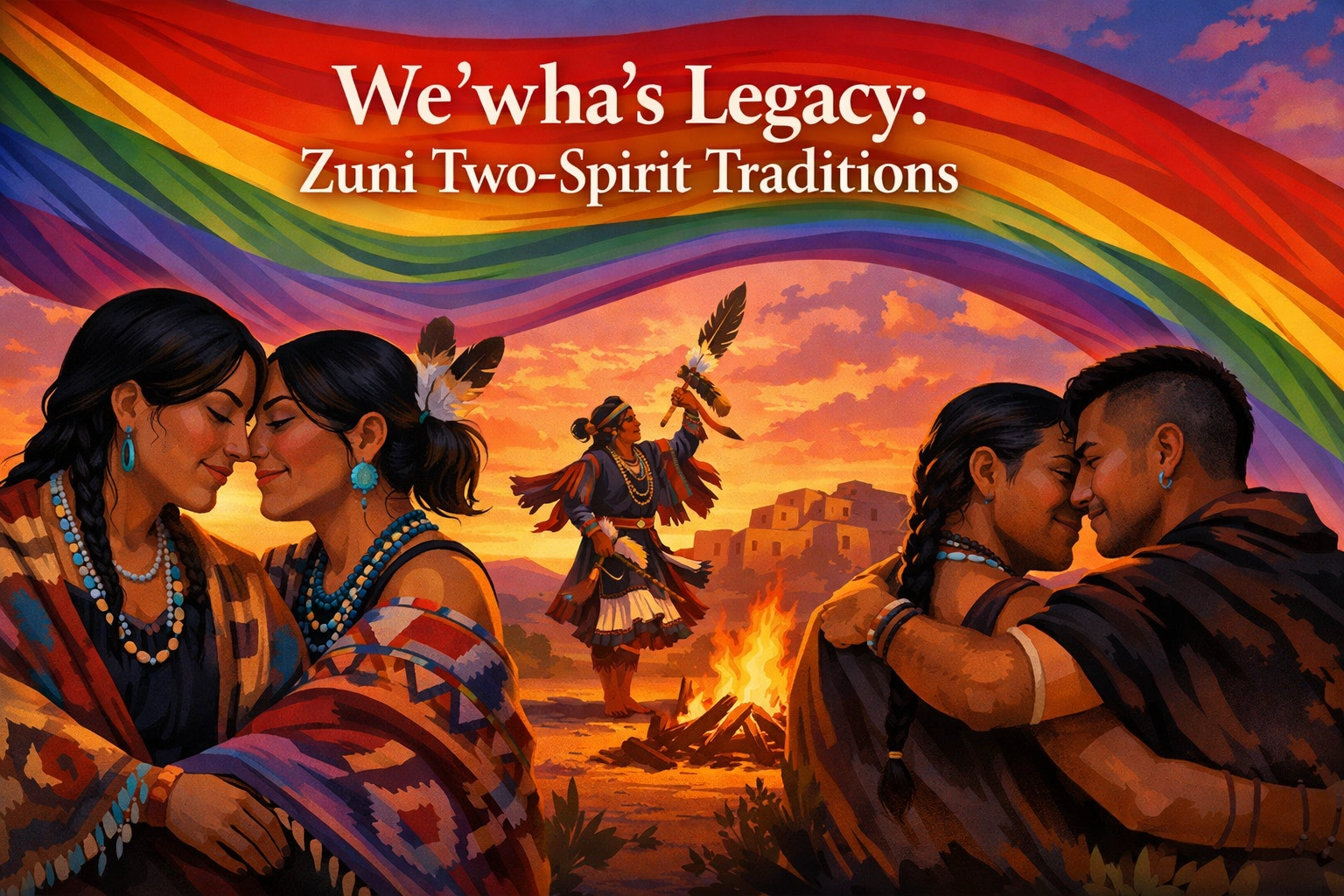
At Read with Pride, we’re obsessed with stories that challenge the status quo. Today, we’re diving into the life of an absolute icon: We’wha. A Zuni Lhamana (Two-Spirit) individual who lived in the 19th century, We’wha wasn't just a bystander in history; they were a diplomat, an artist, and a bridge between cultures. Their story isn't just a history lesson: it’s the ultimate inspiration for anyone who loves gay historical romance and MM romance books that feature authentic, diverse voices.
Who Was We’wha? The Power of the Lhamana
To understand We’wha, we first have to understand the Zuni concept of gender. Unlike the rigid "man or woman" binary that European settlers tried to enforce, the Zuni people recognized that gender was a journey. They had a specific role called Lhamana.
A Lhamana was typically a male-bodied person who took on the social, spiritual, and ceremonial roles usually associated with women. But here’s the kicker: it wasn’t just about "acting like a woman." It was a third gender, a unique blend of strengths. We’wha, born around 1849, was recognized as Lhamana from a very young age. By the time they reached adulthood, they were a master of both worlds: performing the heavy labor often assigned to men while excelling in the intricate crafts and domestic duties assigned to women.
This wasn't a "secret" or a "shameful" identity. In Zuni culture, We’wha was highly respected. They were a spiritual leader and a keeper of traditions. When we talk about gay literature and queer fiction today, we often look for characters who are accepted by their communities. We’wha lived that reality over a century ago.
The 1885 Washington D.C. Journey: A Cultural Clash
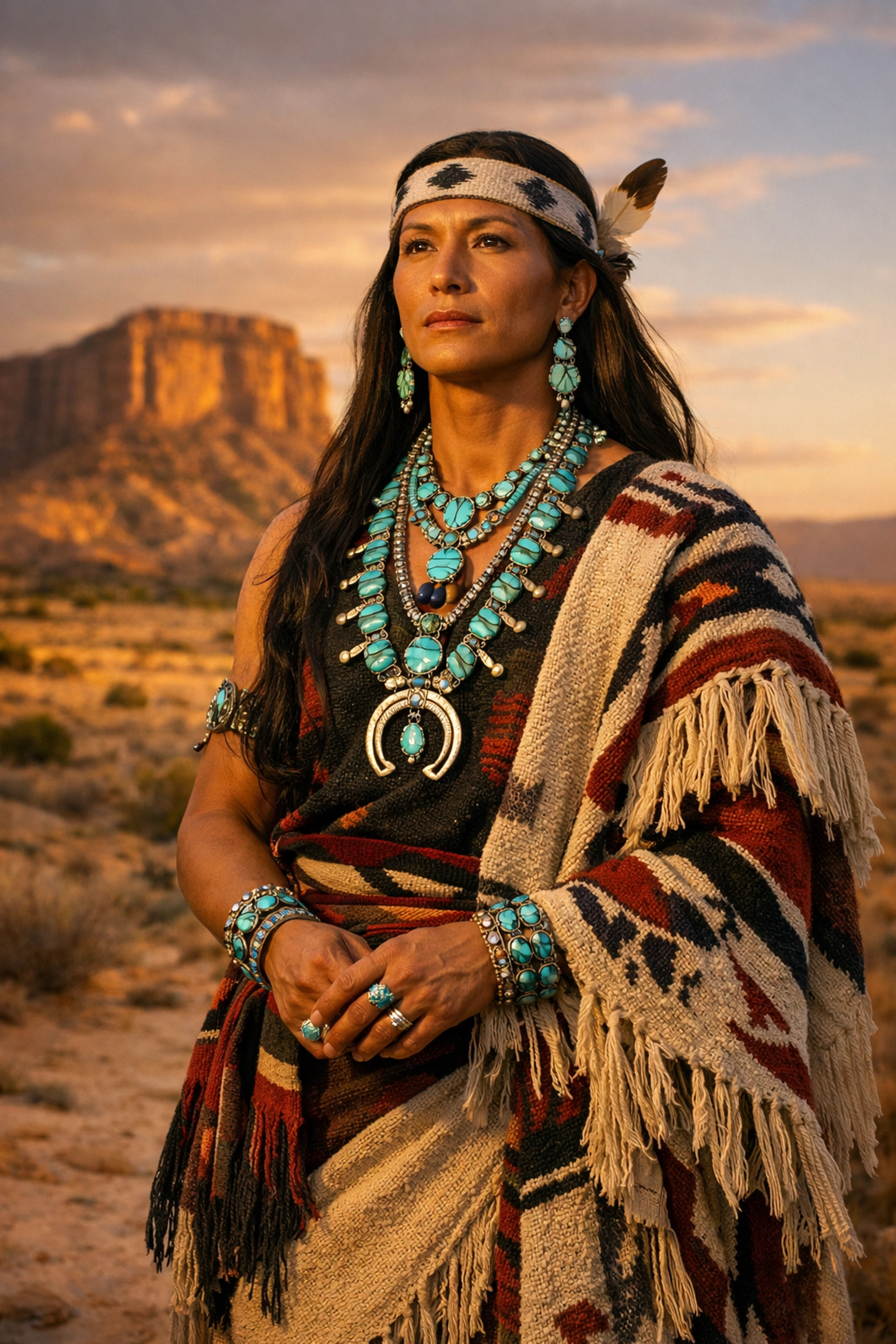
In 1885, We’wha did something truly revolutionary. They traveled to Washington, D.C., as a guest of Matilda Coxe Stevenson, an anthropologist. For six months, We’wha was the talk of the town. They met President Grover Cleveland, attended high-society galas, and even performed Zuni dances for captivated audiences.
The irony? The Victorian elites of Washington had no idea We’wha was Lhamana. They saw a tall, dignified, incredibly talented Indigenous woman. They were charmed by "The Zuni Princess." We’wha navigated this cultural gap with incredible grace, using the platform to advocate for the Zuni people and share their rich culture with the Western world.
Imagine that as a prompt for one of your favorite gay novels: a diplomat hiding a complex gender identity in plain sight in the highest levels of government. It’s the kind of high-stakes drama we love in MM romance, but for We’wha, it was real life. They were the first Zuni person to commercially sell pottery and textiles, essentially starting a new economic chapter for their tribe while they were at it. Talk about a powerhouse!
Why We’wha Matters to Readers of Gay Romance Books
You might be wondering, "Penny, this is a great history lesson, but what does it have to do with my Kindle library?"
Everything.
As readers and lovers of LGBTQ+ ebooks, we often crave authenticity. We want to see ourselves reflected in history, not as anomalies or tragedies, but as vital parts of the human story. We’wha’s life proves that gender diversity isn't a "modern trend." It’s ancient, it’s sacred, and it’s deeply rooted in the land.
When authors write gay historical romance or MM historical romance, they often draw from the "forbidden love" trope. While those stories are emotional and valid, figures like We’wha offer a different perspective: a world where being "different" was actually a gift to the community.
At readwithpride.com, we believe that knowing our history makes our fiction better. When you read a story about a Two-Spirit character or a queer Indigenous lead, you aren't just reading a fantasy: you’re reading a continuation of a legacy that people like We’wha fought to preserve.
Authentic Representation in 2026
It’s 2026, and the landscape of gay fiction is evolving. We’re moving beyond the "coming out" story and into narratives where queer identity is just one part of a rich, adventurous life. We’wha’s legacy is a reminder that our ancestors were diplomats, artists, and leaders.
When searching for your next read, look for MM romance books that do the work. Look for authors who respect Indigenous traditions and understand the weight of the term "Two-Spirit." It’s not just a synonym for "gay"; it’s a specific cultural and spiritual identity that encompasses more than just who you love: it’s about who you are in the world.
Connecting the Past to the Page
If you’re a fan of the "hidden history" trope, We’wha is your ultimate historical crush. Their death in 1896 was mourned as a "calamity" by the Zuni people because they were a bridge between the old ways and the new.
For those of us who devour gay romantic fiction, there’s a lesson here about the power of being your true self. We’wha didn't apologize for who they were. They wore their traditional Zuni dress in the halls of the U.S. Capitol with the same pride they felt in their home village. That kind of confidence is what we look for in our favorite book heroes.
Whether you are into steamy MM romance or heartfelt gay fiction, the themes of We’wha’s life: belonging, cultural pride, and breaking boundaries: are universal. They remind us that our stories have always been here, waiting to be told.

Where to Find These Stories
Ready to dive into some diverse reads? Whether you’re looking for popular gay books or the latest 2026 gay books, we’ve got you covered. Exploring themes of Indigenous identity and historical queer life is a great way to expand your horizons and find a new favorite author.
Check out our curated lists and sitemaps to find your next obsession:
We’wha’s journey from the Zuni pueblo to the White House is a testament to the resilience of the LGBTQ+ spirit. As we continue to publish and promote LGBTQ+ fiction, we carry that legacy forward. We aren't just reading books; we’re reclaiming our place in history.
Stay curious, stay proud, and keep reading.
#ReadWithPride #TwoSpirit #Wewha #GayHistory #MMRomance #LGBTQBooks #IndigenousPride #GayRomanceNovels #QueerHistory #2026Reading
Follow us for more queer history and book recs!
- Facebook: Read With Pride
- X (Twitter): @Read_With_Pride
- Instagram: @read.withpride
For the best in LGBTQ+ ebooks and M/M books, visit readwithpride.com.

Leave a Reply
You must be logged in to post a comment.