

readwithpride.com
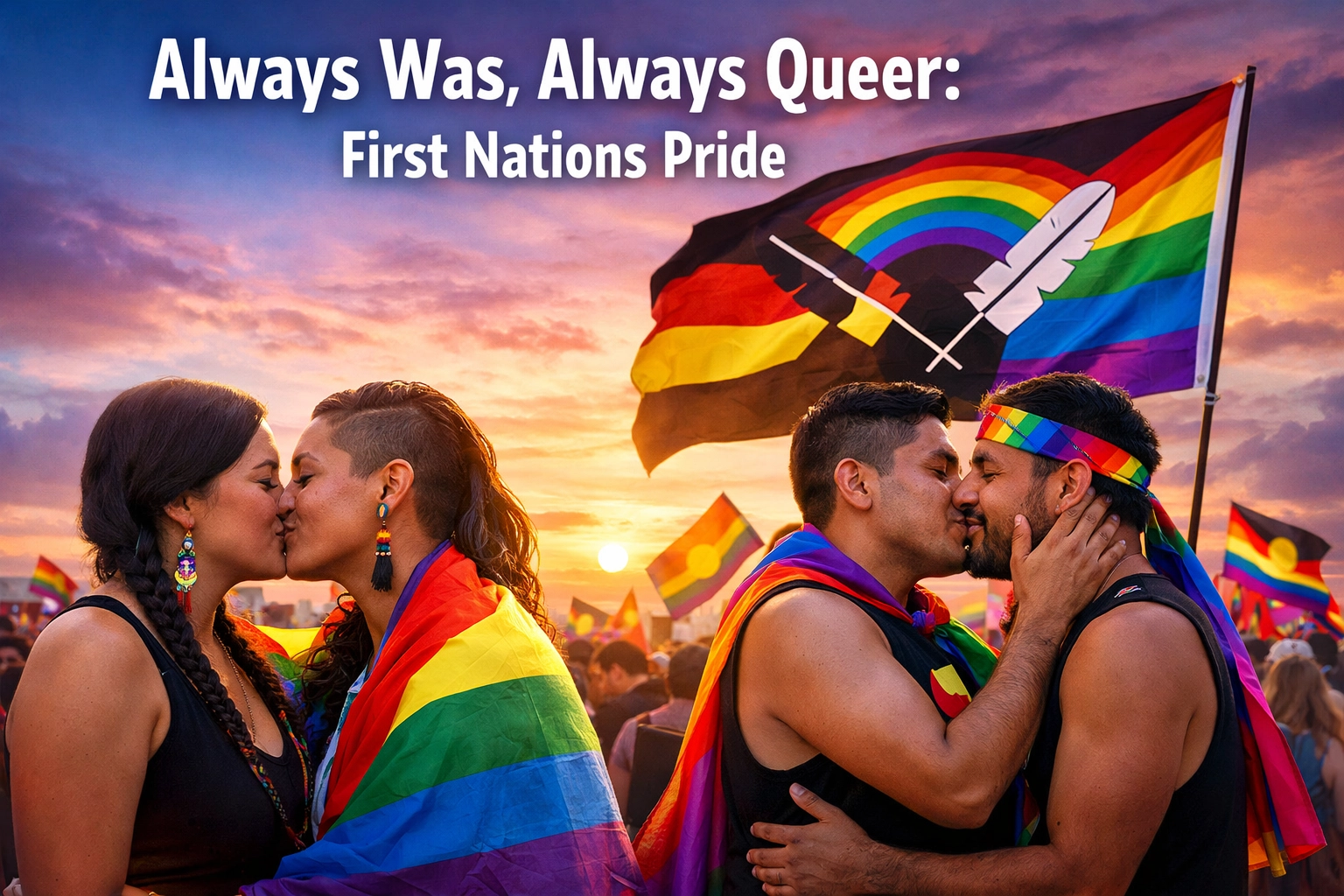
When we talk about the history of pride, the conversation often starts at a bar in New York in 1969. But if we’re being real: and here at Read with Pride, we’re all about that authentic life: the story of queer identity in the Southern Hemisphere goes back a lot further than a brick thrown at the Stonewall Inn. We’re talking tens of thousands of years.
Across the nations of Australia and the islands of Aotearoa (New Zealand), gender and sexual diversity weren't just "tolerated" before colonization; they were often woven into the very fabric of spiritual and social life. Today, we’re diving into the rich, complex, and beautiful world of First Nations queer identity. It’s a story of resilience, reclamation, and a deep, soul-level connection to the Land.
The Myth of the "Western Import"
There’s a common misconception that being gay, trans, or non-binary is a modern Western "lifestyle choice" exported to the rest of the world. Honestly? That’s colonial nonsense. In many Indigenous cultures, the rigid binary of "man" and "woman" or "straight" and "gay" simply didn’t exist in the way we see it today.
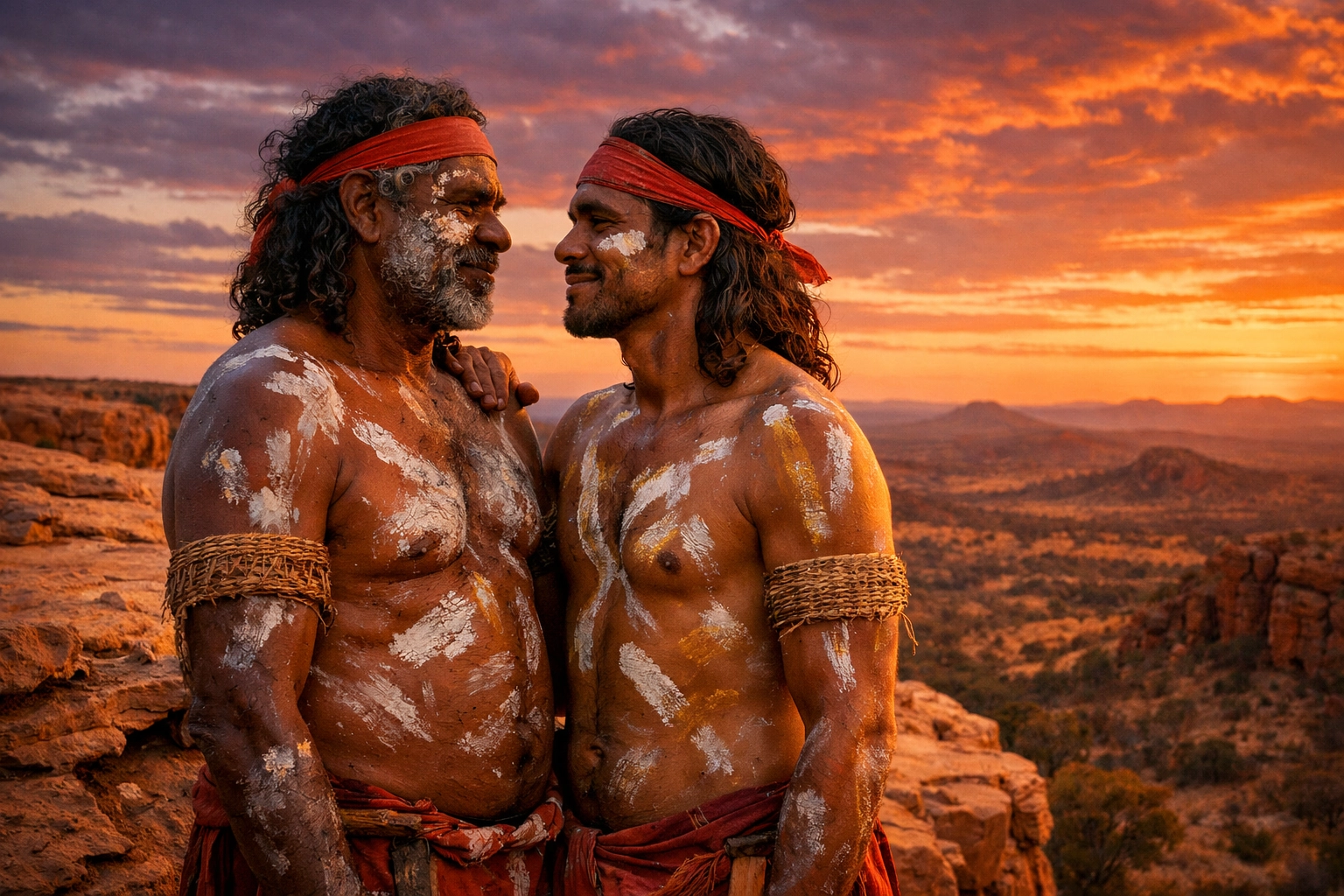
Before the first tall ships appeared on the horizon, many Aboriginal and Torres Strait Islander communities recognized individuals who moved between or beyond traditional gender roles. These weren't "alternatives" to the norm; they were part of the norm. Whether it’s the Sistergirls of the Tiwi Islands or the Brotherboys reclaiming their masculine spirit, these identities have roots that reach deep into the red earth.
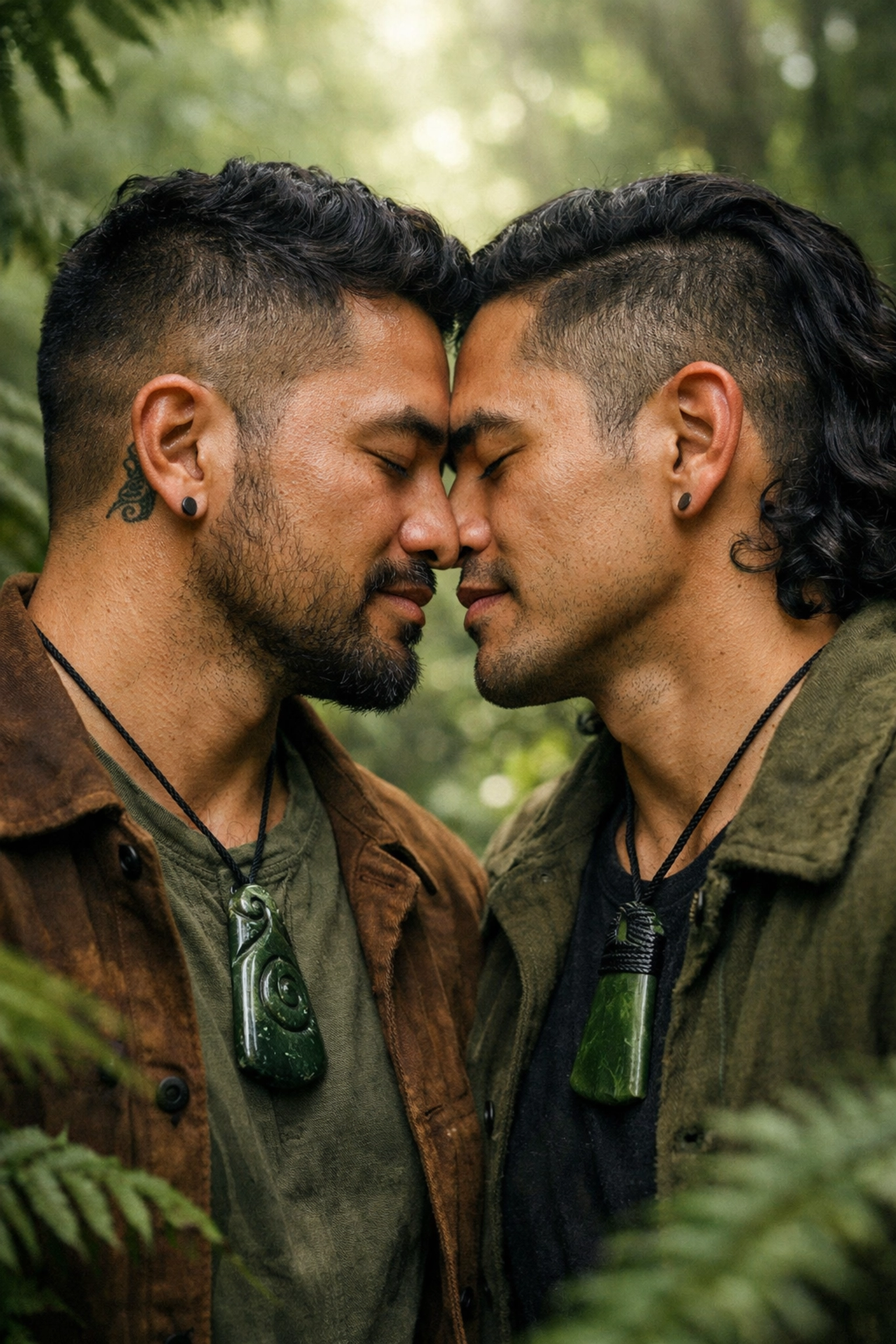
In Aotearoa, the Māori people have the term Takatāpui. Originally used to describe a devoted partner of the same sex, it has been reclaimed by the modern LGBTQ+ Māori community to encompass both their cultural identity and their sexuality. It’s a powerful reminder that you don't have to choose between your heritage and your heart.
Sistergirls, Brotherboys, and the Tiwi Spirit
If you want to talk about authentic representation, you have to talk about the Tiwi Islands. Located off the coast of the Northern Territory, the Tiwi community has a long-standing and visible population of Sistergirls (trans women).
Sistergirls have a unique social role, often participating in traditional women’s ceremonies and contributing to the cultural life of their community. Similarly, Brotherboys (trans men) across Australia are asserting their place in the Dreaming, bridging the gap between their ancestral traditions and their lived gender identity.
For many First Nations people, the journey of coming out isn't just about telling your family who you love; it’s about navigating the intersection of "Blak" identity and "Queer" identity. It’s about fighting the double-whammy of racism and homophobia, while simultaneously finding peace in the knowledge that your ancestors likely had a place for someone exactly like you. This intersection is a major theme in modern queer fiction and gay literature, as authors strive to tell stories that aren't just "white-washed" versions of the queer experience.
The Spiritual Connection to Country
At Read with Pride, we talk a lot about the "feeling" of a book: the atmosphere that stays with you long after the final chapter. In the world of First Nations pride, that atmosphere is "Country."
For Indigenous Australians, "Country" isn't just land or scenery. It’s a living, breathing entity with its own spirit, history, and law. Queer First Nations people often describe their identity as being inextricably linked to the Land. The Land doesn't judge; the Land knows.
There is a profound spiritual connection in knowing that the ground you walk on has held people like you for 60,000 years. When we read gay historical romance or MM historical romance, we often get caught up in the ballrooms of London. But imagine a story set in the vastness of the Australian outback or the lush forests of Aotearoa, where the romance is tied to the ancient rhythms of the earth. That’s a level of quiet intimacy that transcends the usual tropes.
Reclaiming the Narrative through Literature
In 2026, we’re seeing an explosion of First Nations voices in the publishing world. It’s about time! For too long, the "gay books" available in Australia and New Zealand were imported from the US or UK. While we love a good Manhattan penthouse romance, there’s something special about seeing a "Ute" in a story instead of a "Truck," or reading about a "Hui" instead of a "Meeting."
LGBTQ+ ebooks are making it easier for Indigenous authors to self-publish and reach a global audience. Whether it’s a gay contemporary romance set in suburban Auckland or a gay fantasy romance rooted in Aboriginal mythology, these stories provide the authentic representation that has been missing for centuries.
If you’re looking for your next read, why not check out some of the diverse offerings in our store? Supporting queer Indigenous authors is a direct way to ensure these stories keep being told. You can also explore our product categories to find specific niches that resonate with your interests.
The Colonial Shadow and the Light of Pride
We can’t talk about First Nations pride without acknowledging the trauma of colonization. Missionaries and colonial governments brought with them strict Victorian morals and laws that criminalized same-sex acts and enforced a strict gender binary. This "colonial shadow" tried to erase the diverse identities that had existed for millennia.
Many Indigenous people had to adopt secrecy as a survival mechanism. This is why the reclamation of terms like Takatāpui is so significant. It’s an act of resistance. It’s saying, "We were here, we are here, and we aren't going anywhere."
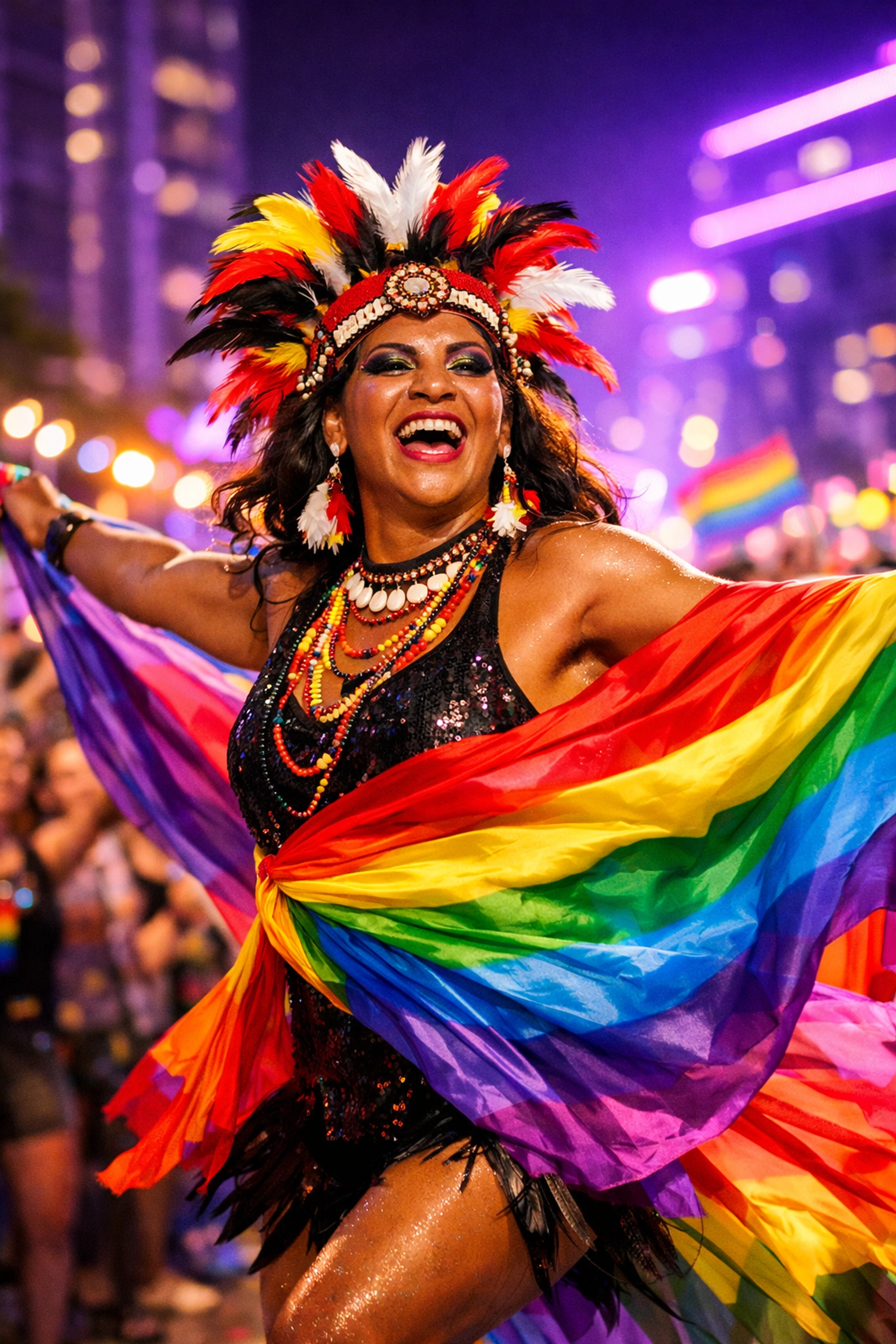
Modern celebrations, like the First Nations Float at the Sydney Gay and Lesbian Mardi Gras, are a vibrant middle finger to that colonial erasure. They are loud, proud, and undeniably Blak. It’s a fusion of traditional dance, modern drag, and political activism that captures the unique spirit of Down Under pride.
Why Authentic Representation Matters in 2026
As we move through 2026, the demand for popular gay books that feature diverse characters is only growing. Readers want more than just a token minority character; they want stories where culture is part of the character’s DNA.
When you pick up MM romance books or gay romance novels written by or featuring First Nations people, you’re engaging with a perspective that challenges the status quo. These stories often deal with themes of family (both biological and chosen), the struggle for land rights, and the healing power of returning to one’s roots.
For those of us who love a good slow burn or an enemies to lovers MM romance, seeing these tropes play out in a culturally specific context adds a whole new layer of depth. Imagine a rivalry between two rangers on protected land, or a forbidden love between two men from different nations who find common ground through their shared spiritual heritage.
Staying Connected
The journey of exploring First Nations queer history and contemporary life is ongoing. At Read with Pride, we’re committed to highlighting these voices and ensuring that "Always Was, Always Queer" isn't just a slogan, but a lived reality in the books we promote and the stories we share.
If you want to stay up to date with the latest new gay releases or find the best MM romance featuring diverse voices, make sure to follow us on our social channels. We’re always chatting about our favorite reads and sharing the love for the community.
- Follow us on Facebook: Read with Pride Facebook
- Check us out on X: @Read_With_Pride
- See the visuals on Instagram: @read.withpride
For more information on our mission or to browse our extensive library, visit readwithpride.com. You can also dive into our sitemaps to find everything from author profiles to frequently asked questions.
Final Thoughts
First Nations pride is a reminder that our community’s history is deeper and wider than we often realize. By honoring the traditions of the past and celebrating the creators of the present, we build a future where everyone: regardless of their heritage: can see themselves reflected in the stories they read.
Whether you’re in Sydney, Auckland, or anywhere else in the world, take a moment to acknowledge the traditional custodians of the land you’re on. And then, maybe, pick up a book that opens your eyes to a whole new world of Pride.
#AlwaysWasAlwaysQueer #FirstNationsPride #LGBTQBooks #ReadWithPride #MMRomance #GayFiction2026 #Takatāpui #Sistergirls #Brotherboys #QueerHistory #AustralianPride #NZPride #GayEbooks #IndigenousVoices
For more content, check out our blog sitemap or explore our latest posts.

Leave a Reply
You must be logged in to post a comment.