

readwithpride.com
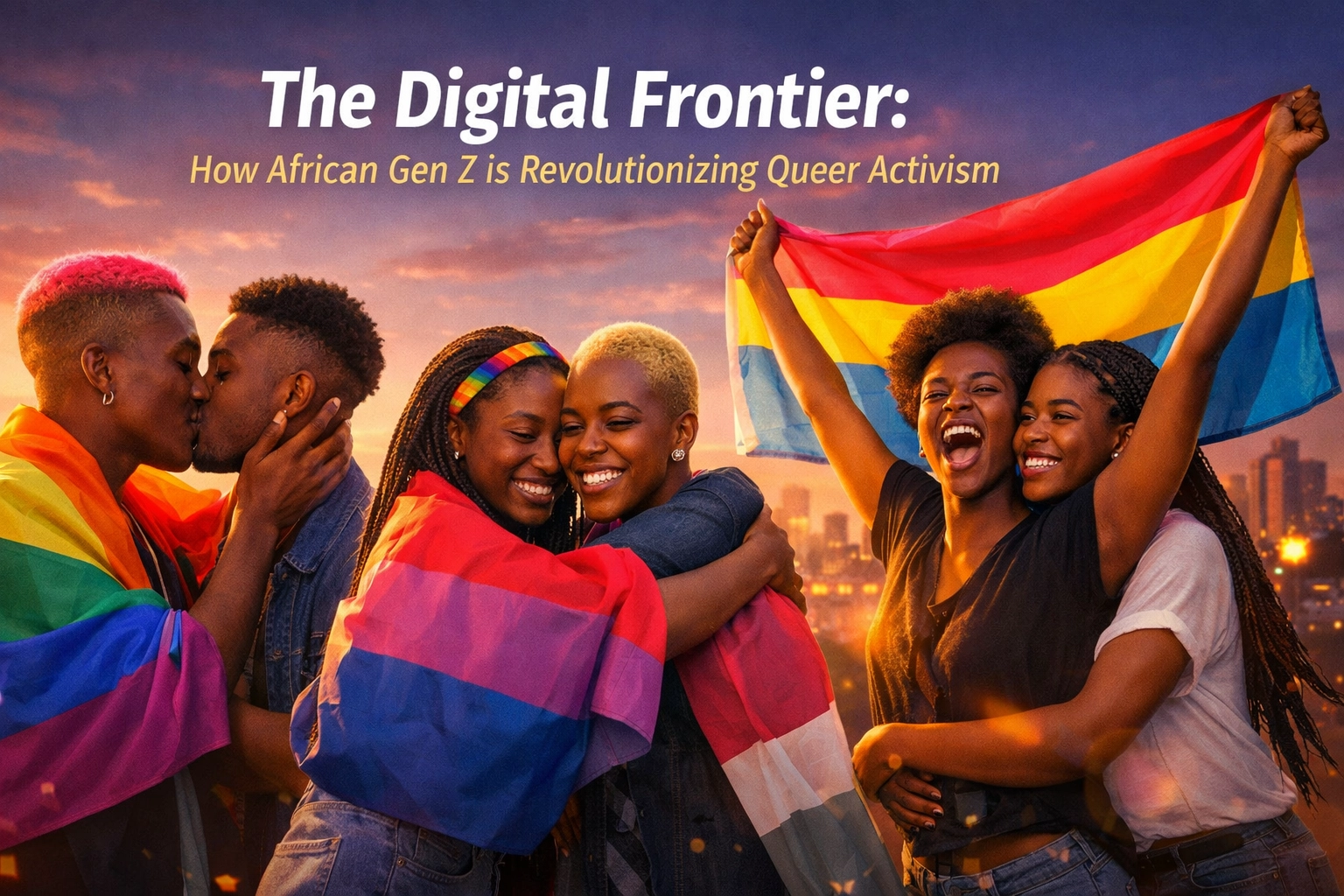
For a long time, the narrative surrounding the African continent and LGBTQ+ rights has been framed by outsiders as a story of pure tragedy. But if you step into the digital spaces where African Gen Z lives, breathes, and creates, you’ll find a very different vibe. It’s a world of vibrant resistance, radical joy, and a digital-first activism that is rewriting the rules of what it means to be queer and African in 2026.
At Read with Pride, we believe that every story matters: whether it’s a high-stakes gay spy romance or the real-life courage of a young activist in Lagos or Nairobi. Today, we’re diving into how the younger generation is using the "Digital Frontier" to reclaim their history and build a future where everyone can live and love out loud.
Reclaiming the Past: Queerness Isn't a "Western Import"
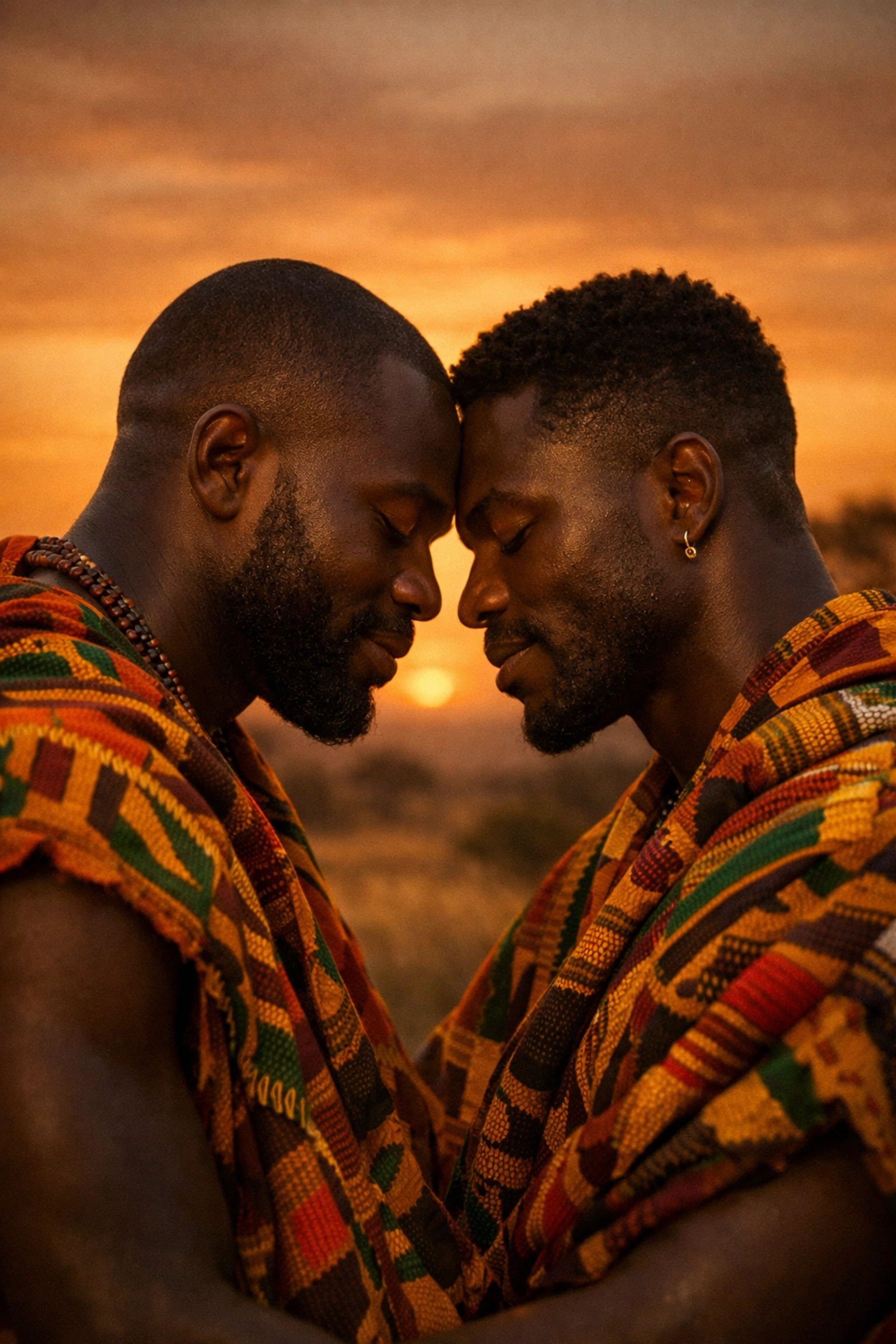
One of the biggest hurdles African queer folk face is the persistent myth that being gay is "un-African" or a "colonial import." Gen Z activists are using digital platforms to debunk this with receipts. History tells a much more fluid story. From the mugawe religious leaders of the Meru people in Kenya to the same-sex marriages documented among the Nuer and Igbo long before colonial borders were drawn, African history is rich with gender and sexual diversity.
When we read gay historical romance or MM historical romance, we often see European settings. But the "Digital Frontier" is allowing young Africans to rediscover their own indigenous queer legacies. They are turning these historical truths into TikTok threads and Instagram carousels, effectively saying: We have always been here. This isn't just about the past; it's about grounding their current identity in a legacy that predates colonial homophobia.
The Digital Architecture of Resistance
If you’re a fan of gay thriller or gay psychological thriller novels, you know that the most intense battles are often fought in the shadows. For many queer youth across Africa, the internet is both a sanctuary and a battlefield.
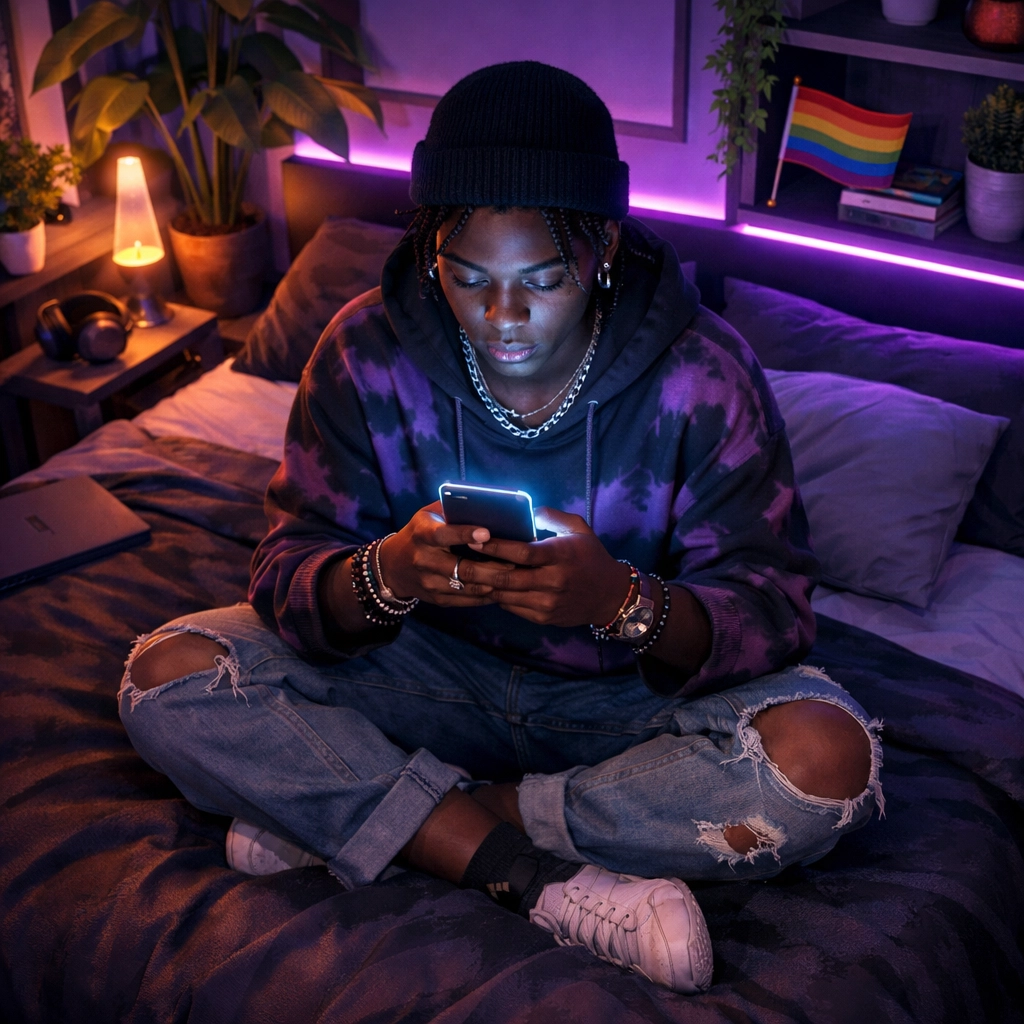
While several countries still have restrictive laws, Gen Z has mastered the art of "Digital Maroons": creating safe, encrypted, and vibrant online communities where they can be their authentic selves. Platforms like X (formerly Twitter), Instagram, and TikTok aren't just for viral dances; they are tools for survival.
Take, for example, the rise of Queer Motherland. Founded by activists like Okoro, this movement grew from a single conference talk into a global digital powerhouse with tens of thousands of followers. By operating across borders: from Ghana to the US: they provide a blueprint for how the diaspora and those on the continent can support one another. They aren't just talking about advocacy; they’re building a community through "Queer African Vision Board Circles" and digital mental health support. It’s like a real-life slow burn romance between a community and its own self-worth.
The Power of Visibility and Queer Fiction
Representation isn't just a buzzword; it’s a lifeline. When a young person in a rural village in Uganda or a bustling suburb in Johannesburg sees a post celebrating "Queer Joy," the isolation starts to crack.
At Read with Pride, we see how gay books and MM romance books play a huge role in this. Whether it’s contemporary MM romance or queer fiction that explores the intersection of faith and identity, these stories provide the vocabulary for Gen Z to describe their own experiences.
Imagine a "forced proximity" trope, but instead of being stuck in a cabin, it’s a group of activists stuck in a digital group chat during a period of civil unrest. They are building bonds that are as strong as any best MM romance plotline. The "Digital Frontier" allows them to access LGBTQ+ eBooks and gay romance novels that might be restricted in physical bookstores, giving them a window into a world where their love is celebrated, not censured.
Tropes of the Movement: Enemies to Lovers and Found Family
The activism we’re seeing today often mirrors the tropes we love in our favorite M/M books.
- Found Family: This is the heart of African queer activism. When biological families reject them, Gen Z creates digital "Houses" or "Kinships." These digital families provide everything from emergency housing funds to a shoulder to cry on.
- Enemies to Lovers (The Political Edition): We see activists engaging with those who oppose them, not always to convert them, but to humanize the queer experience in the public eye. It’s a high-stakes game of changing hearts and minds, one post at a time.
- Small Town vs. Big City: Much like a gay contemporary romance, the movement highlights the struggle of those in smaller, more conservative areas versus the relative (though still precarious) freedom of major hubs like Cape Town or Accra.
Challenges in the 2026 Landscape
It’s not all rainbow filters and viral hashtags. The digital space is also a place where surveillance is a real threat. Gen Z activists have to be tech-savvy: using VPNs, burner accounts, and coded language to stay safe.
But even with these risks, the momentum is unstoppable. The focus is shifting from merely "surviving" to "thriving." Young leaders are partnering with major organizations, like South Africa’s queer conferences, to ensure that the digital noise translates into real-world policy changes and safety networks. They are looking for more than just tolerance; they want the kind of heartfelt gay fiction ending where they get to live happily ever after in their own countries.
The Future: A Global Queer Tapestry
As we look toward the rest of 2026, the influence of African Gen Z is only going to grow. They are blending traditional African values of community and Ubuntu with modern digital tools. They are showing the world that you don't have to choose between being African and being queer.
For those of us in the gay book club community or those who devour top LGBTQ+ books, this is a call to diversify our shelves. Supporting queer African authors and activists is how we participate in this global movement. Whether you're into steamy MM romance or emotional MM books, there is a world of African queer stories waiting to be told and read.
The "Digital Frontier" has proven that borders are increasingly irrelevant when it comes to the human heart. The revolution is being tweeted, streamed, and posted: and it is beautiful.
Join the Movement & Stay Connected
At Readwithpride.com, we are committed to bringing you the best in LGBTQ+ fiction and keeping you updated on the movements that matter. The stories we read and the stories we live are intertwined.
Don't forget to check out our latest releases and new gay releases for 2026 to find your next favorite read. Whether you're looking for an enemies to lovers MM romance or a slow burn that keeps you up all night, we’ve got you covered.
Follow us for more updates and queer joy:
- Facebook: Read with Pride on Facebook
- X (Twitter): @Read_With_Pride
- Instagram: @read.withpride
Explore more on our site:
#ReadWithPride #AfricanQueerActivism #GenZActivism #QueerMotherland #MMRomance #LGBTQBooks #GayRomanceNovels #QueerHistory #DigitalResistance #GayFiction2026 #FoundFamily #QueerJoy
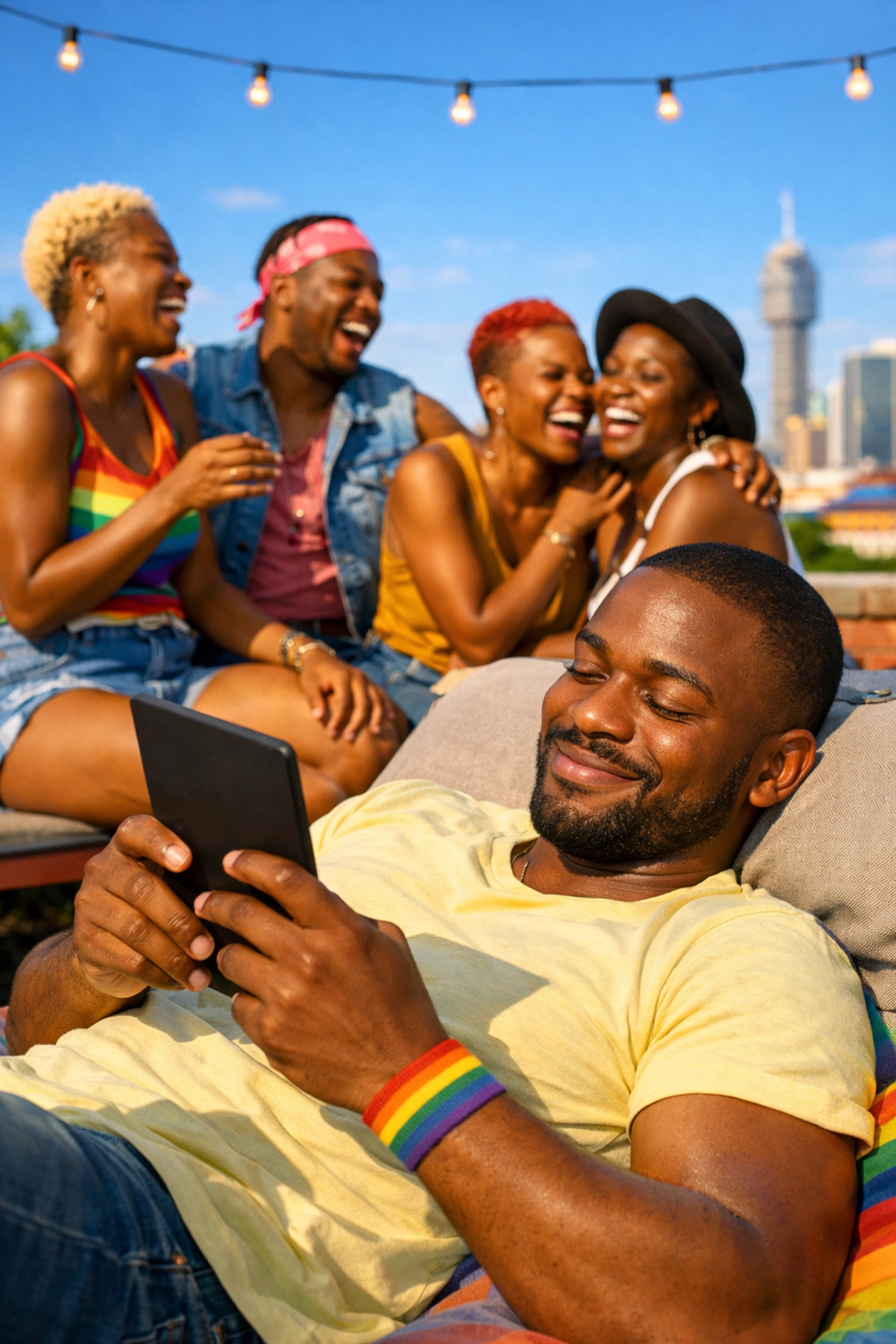
The world is changing, and the digital frontier is where the new map of Africa is being drawn: one that includes every color of the rainbow. Stay authentic, stay proud, and keep reading! 🌈✨

Leave a Reply
You must be logged in to post a comment.