

readwithpride.com
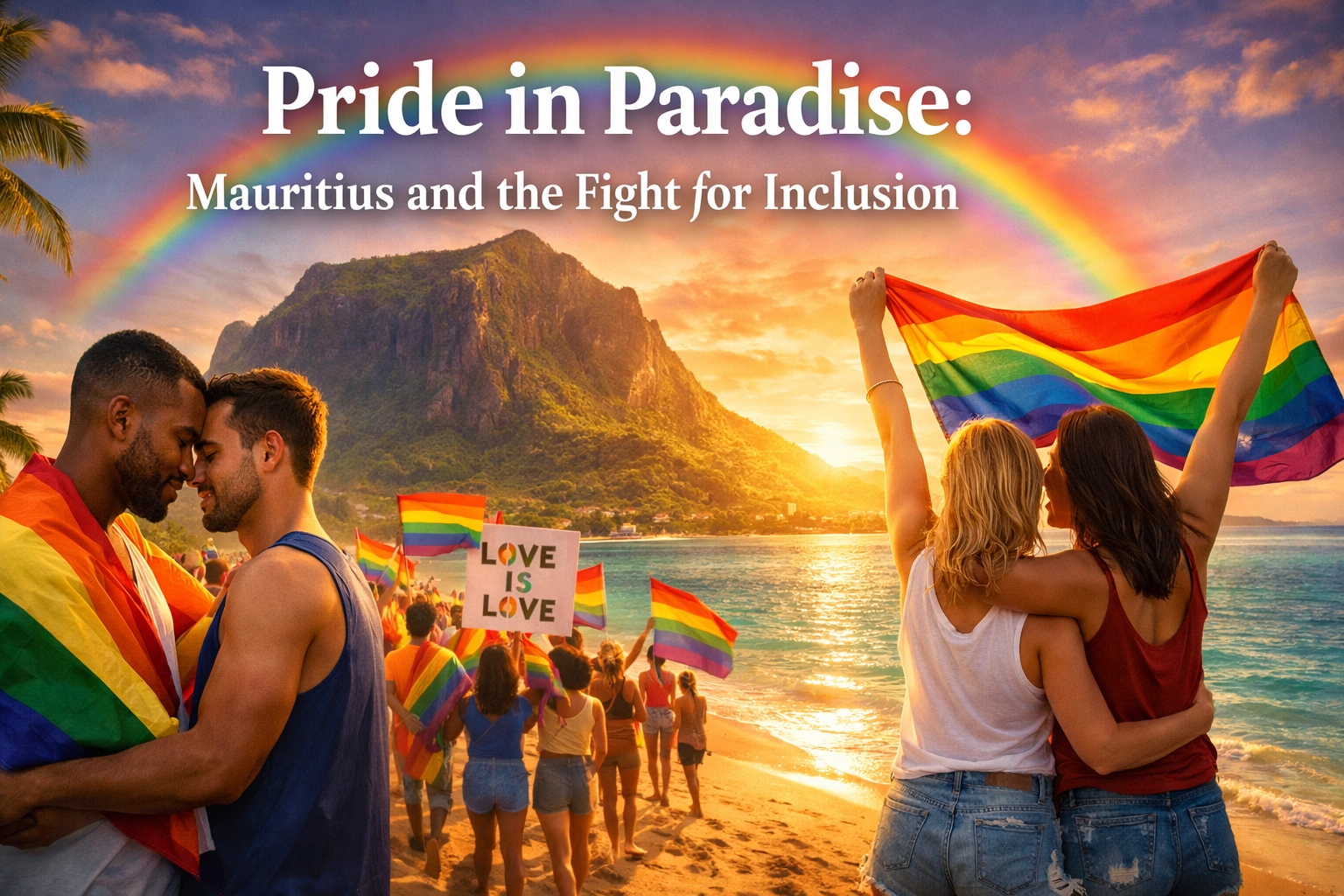
When you think of Mauritius, your brain probably goes straight to postcards: turquoise lagoons, volcanic peaks, and those ridiculously luxurious overwater bungalows that seem designed specifically for Instagram. It’s the ultimate honeymoon destination. But for the local LGBTQ+ community, paradise has historically come with a side of "legal leftovers" from a colonial past that didn’t exactly celebrate queer joy.
However, things are changing fast. If you’ve been keeping up with global queer news, you know that the African continent has a complex, often difficult relationship with LGBTQ+ rights. But Mauritius is currently leading a bit of a "legal glow-up" in the region. At Read with Pride, we’re all about stories of resilience, whether they are found in the pages of our favorite MM romance books or in the real-life courtrooms of Port Louis.
Today, we’re diving deep into the history, the struggle, and the ultimate triumph of queer life in Mauritius, and why this island nation is becoming a must-visit for the rainbow traveler.
The Ghost of 1838: Breaking Colonial Chains
To understand where Mauritius is now, we have to look at where it started. Like many former British colonies, Mauritius inherited a legal system that included "Section 250" of the Criminal Code. This was a law written in 1838, yeah, nearly 200 years ago: that criminalized "sodomy."
For over a century and a half, this law hung over the heads of gay men in Mauritius like a dark cloud. Even though it wasn't always aggressively enforced in modern times, its mere existence meant that queer people were essentially seen as "criminals by default." It’s the kind of high-stakes drama you’d find in a gay historical romance, but without the guaranteed "Happily Ever After."
The turning point came when activists realized that these laws weren't actually "Mauritian values." They were colonial imports. When the Supreme Court finally looked at the law in 2023, the judges were blunt: they stated that Section 250 was not introduced to reflect the soul of the island, but was a relic of British rule. In October 2023, the court officially declared the law unconstitutional. Suddenly, the sun started shining a little brighter over the Indian Ocean.
The Heroes Behind the Headlines
Decriminalization didn’t just happen because someone at the courthouse had a change of heart. it happened because of the tireless work of activists who were tired of living in the shadows.
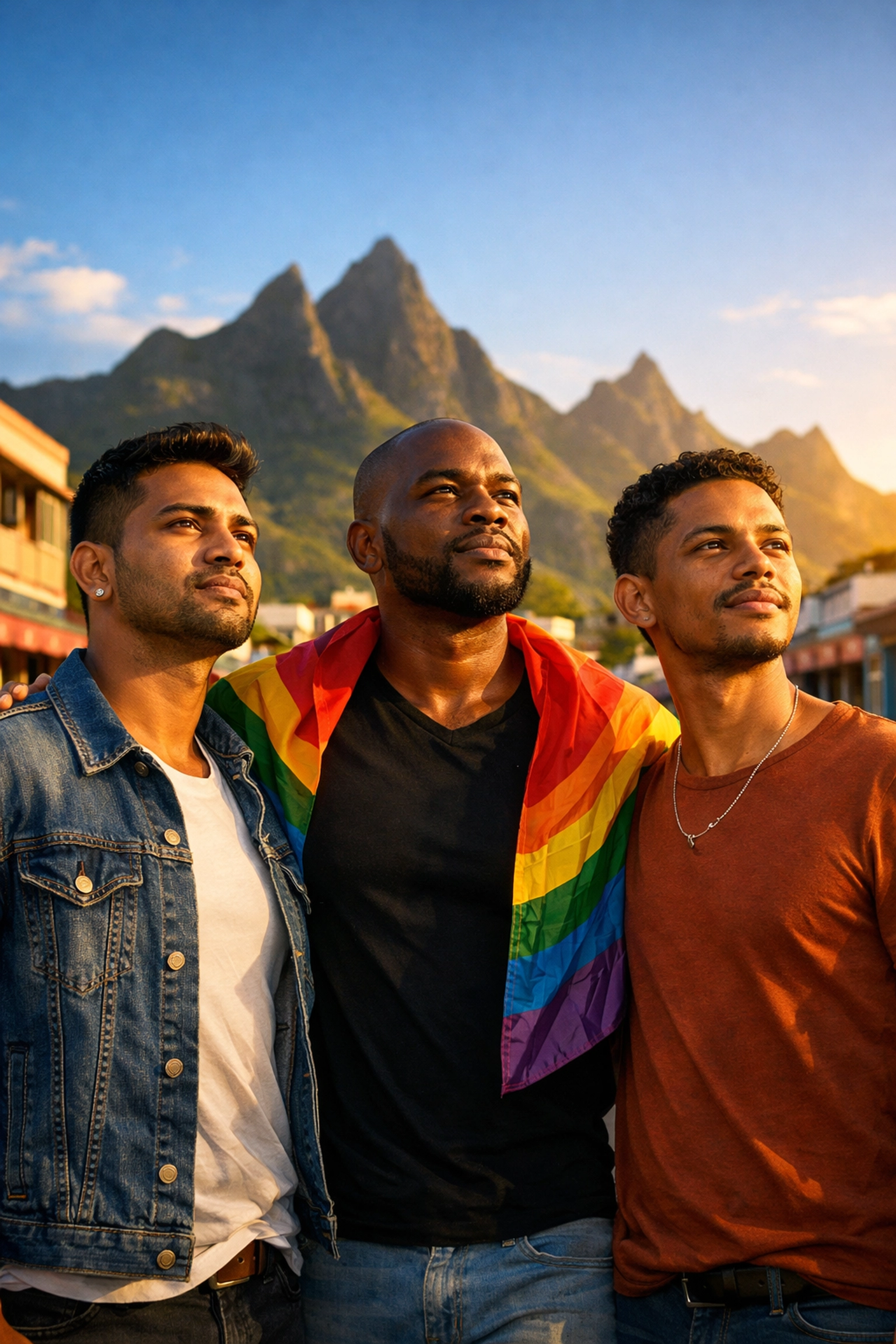
Leading the charge were organizations like the Young Queer Alliance (YQA) and Collectif Arc-en-Ciel (Rainbow Collective). These groups didn't just fight for legal changes; they fought for visibility. Activists like Abdool Ridwan Firaas Ah Seek and Najeeb Ahmad Fokeerbux became the faces of a movement that demanded dignity.
Think about the bravery it takes to be a plaintiff in a case like this. You’re putting your private life on a public stage in a society that is still largely conservative. It’s the kind of "brave heart" energy we look for in top LGBTQ+ books. Fokeerbux and his team represented the beautiful diversity of Mauritius itself: plaintiffs came from Hindu, Christian, and Muslim backgrounds, proving that the desire for love and freedom transcends every religious and cultural boundary.
Why Mauritius is the New Queer Travel Hotspot
With the 2023 ruling, Mauritius has joined an elite group of African nations: including South Africa, Botswana, and Seychelles: that have decriminalized same-sex relations. This has massive implications for tourism.
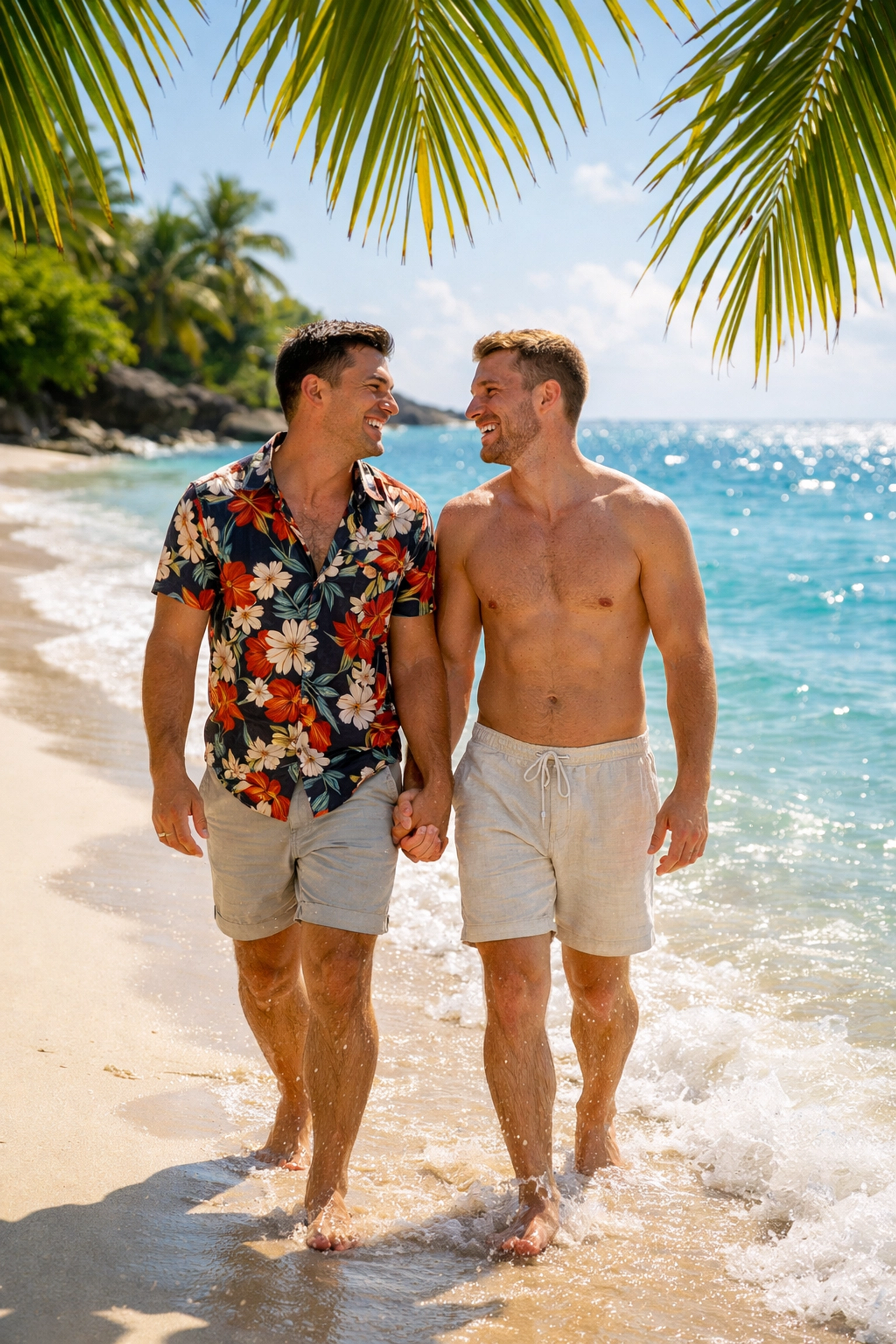
If you're a queer traveler, you want to know that the money you’re spending on a dream vacation isn't going to a country that views your existence as a crime. Mauritius is actively working to brand itself as an inclusive destination. While you won't find a massive "gay village" like London’s Soho or New York’s Chelsea, you will find a vibe that is increasingly welcoming and authentic.
What to Expect on the Island:
- Safety and Respect: While public displays of affection (PDA) are generally low-key for everyone in Mauritius (it’s a polite, somewhat conservative culture), same-sex couples can expect to be treated with respect in major resorts and tourist hubs.
- Pride Events: The first Pride event happened way back in 2005 in Rose Hill. Today, Pride celebrations are a vibrant part of the local calendar, though they sometimes face pushback from conservative groups. Attending a local Pride event is a great way to support the grassroots community.
- Protection Laws: Believe it or not, Mauritius was actually ahead of the curve in some ways. The 2008 Employment Rights Act already banned discrimination based on sexual orientation. So, while the "sodomy law" was still on the books, you couldn't legally be fired for being gay. Talk about a legal paradox!
The Tropes of Real Life: From "Enemies to Lovers" to "Chosen Family"
In the world of gay fiction and M/M books, we love a good trope. We see a lot of these reflected in the Mauritian struggle.
The battle against Section 250 feels like a classic historical mm romance plot: fighting against an unjust system to secure a future where love isn't a crime. The way the local queer community has banded together is the ultimate "chosen family" story.
If you’re looking for a read that mirrors this kind of intense, world-changing emotion, you might want to check out some of the popular gay books available in our store. Whether it’s steamy MM romance or a deep dive into genre-bending queer literature, stories are how we process these global shifts.
The Road Ahead: Work Still to Be Done
Let’s be real: decriminalization is a massive win, but it’s not the finish line. Mauritius still has hurdles to clear before it can claim full equality.
- Marriage Equality: Same-sex marriage is not yet legal.
- Trans Rights: Currently, it is still illegal to change your legal gender in Mauritius. This is a major area where the Young Queer Alliance and other groups are focusing their energy next.
- Social Acceptance: Laws change faster than hearts. While the youth in Port Louis might be totally cool with their queer friends, older generations in rural villages might still hold onto traditional views.
This is why visibility matters. This is why queer authors and gay literature are so vital: they help bridge the gap between "the law" and "the person." Every time a young person in Mauritius sees a positive representation of a gay love story, it chips away at the old stigmas.
Supporting the Movement
If you’re a fan of Read with Pride, you know that we believe in the power of words to change the world. By reading gay romance novels and supporting queer authors, you’re part of a global ecosystem that values LGBTQ+ lives.
If you’re planning a trip to Mauritius, do your homework. Look for hotels that are "Proud Certified" or known for their inclusive policies. Spend your money at local businesses that support the Rainbow Collective. Being an ally isn't just a label; it’s an action.
Final Thoughts: A New Chapter
Mauritius is a island of contradictions: ancient mountains and modern luxury, colonial scars and progressive leaps. The decriminalization of 2023 was the start of a brand-new chapter for the island, one where "Pride in Paradise" isn't just a catchy slogan, but a lived reality for thousands of people.
Whether you’re there for the kite-surfing in Le Morne or just to curl up on a beach with the latest MM romance releases of 2026, remember the history of the ground you're standing on. It’s a land that fought for its right to love, and that makes the water look even bluer, doesn't it?
Stay proud, stay curious, and keep reading. 🌈✨
Explore more from Read with Pride:
- Check out our Author Spotlight
- Browse our latest products
- Learn about character development mistakes to avoid in your own writing!
Follow us for more queer culture and book recs:
#ReadWithPride #MauritiusPride #LGBTQAfrica #MMRomance #GayTravel #QueerHistory #Decriminalization #LoveIsLove #GayFiction #MMRomanceBooks #PrideInParadise #2026GayBooks #QueerLiterature
readwithpride.com

Leave a Reply
You must be logged in to post a comment.