

readwithpride.com
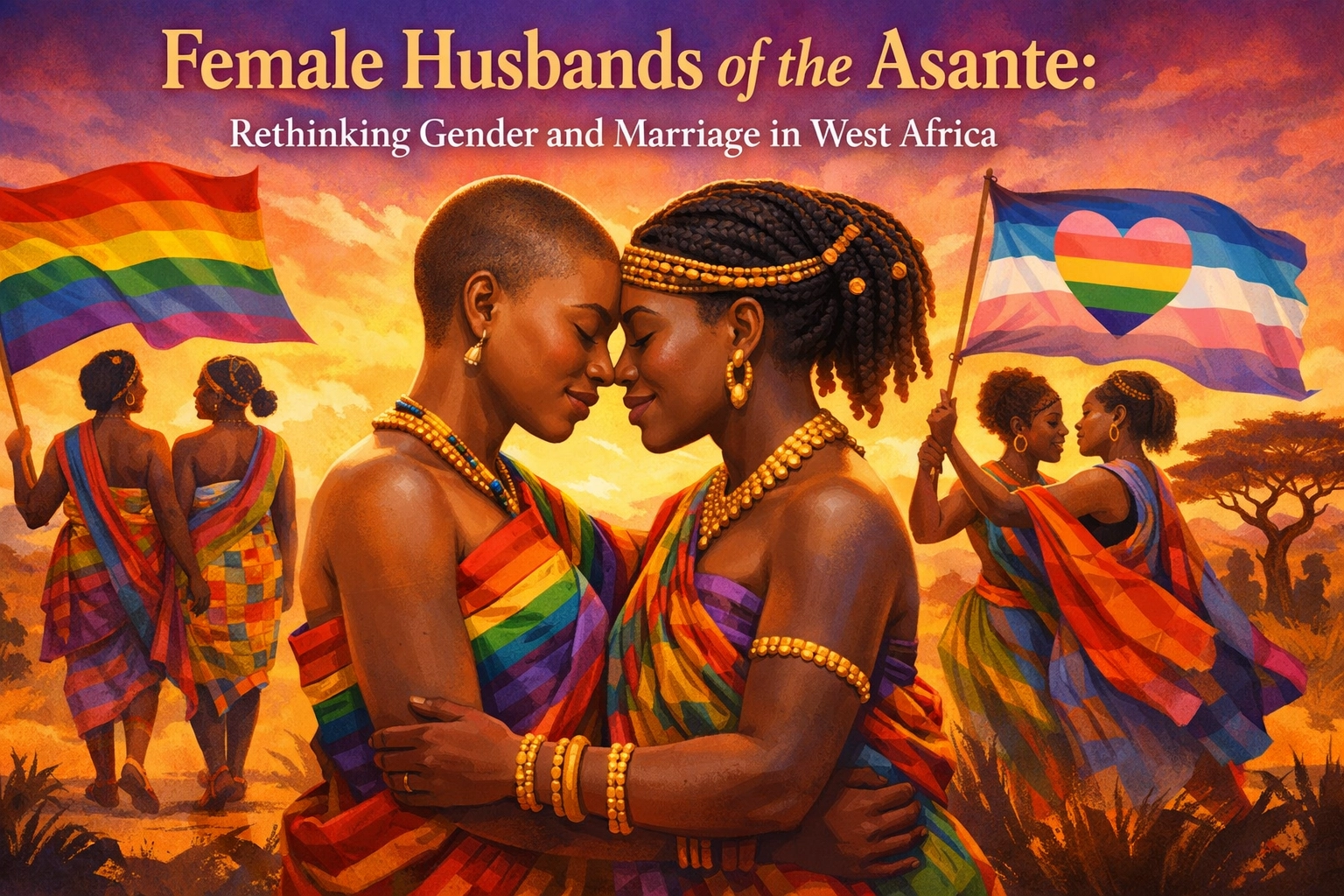
When we talk about the history of marriage, we often get stuck in a very narrow, Western-centric box. We think of a bride in white and a groom in a suit, or we think of the long struggle for marriage equality in the 21st century. But if we pull back the curtain on history: specifically West African history: we find that the concept of "husband" and "wife" has been far more fluid and fascinating than any Victorian textbook would ever let on.
Welcome to the world of the Asante Empire and the tradition of "female husbands." If you’re a fan of historical mm romance novels or queer fiction that challenges social norms, you’re going to want to sit down for this one. At Read with Pride, we’re all about uncovering the stories that have been tucked away in the margins, and today, we’re heading to the heart of what is now Ghana to rethink everything we thought we knew about gender and marriage.
The Asante Empire: Power, Matrilineage, and Gold
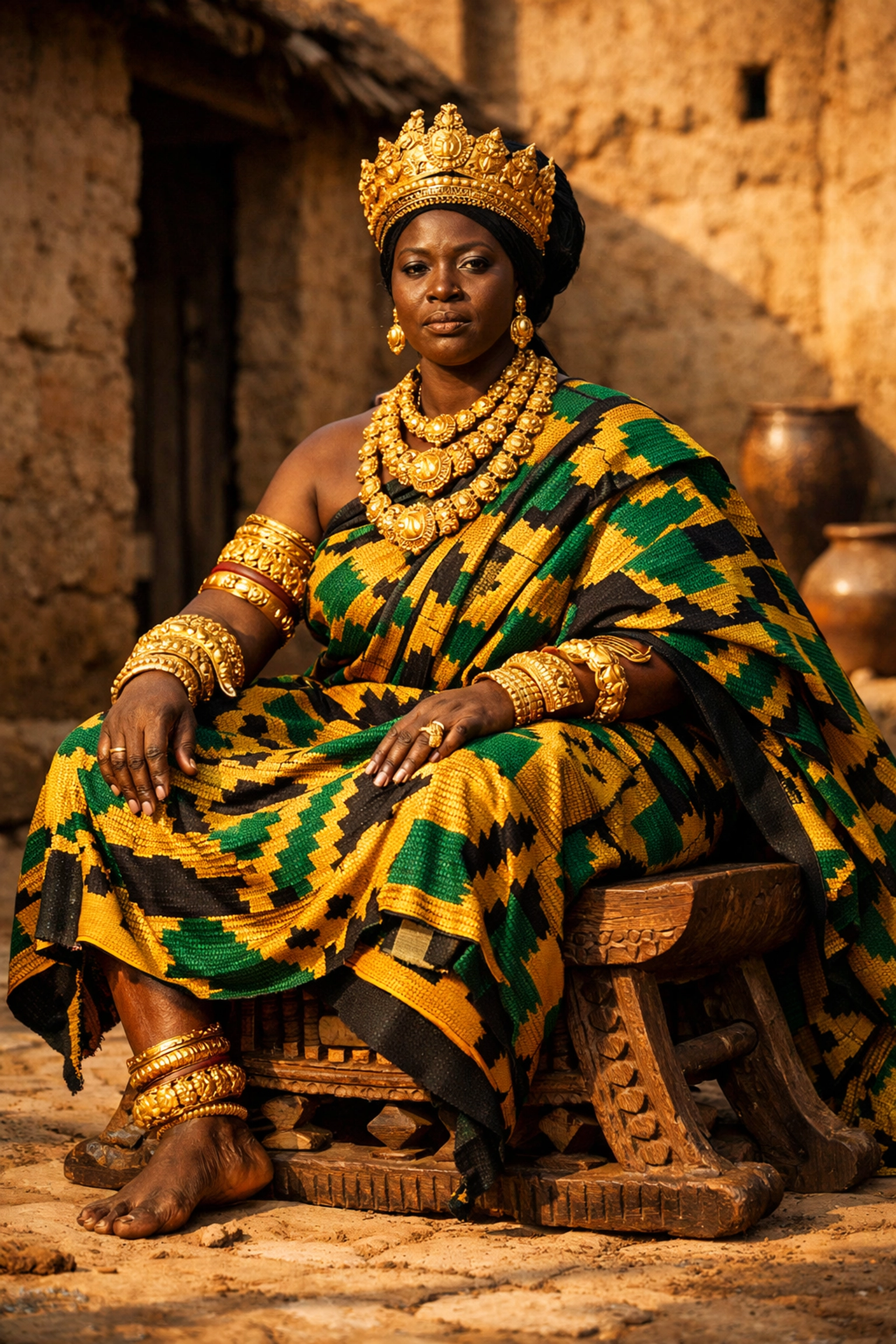
To understand how a woman could become a "husband," you first have to understand how the Asante (or Ashanti) people viewed the world. The Asante Empire was one of the most powerful and sophisticated states in pre-colonial Africa. They were famous for their gold, their military might, and, most importantly for our discussion, their matrilineal society.
In a matrilineal system, lineage and inheritance are traced through the mother’s side. Your family isn't defined by your father’s last name; it’s defined by your mother’s bloodline (the abusua). Because of this, women in Asante culture held significant social and economic power. They could own property, initiate divorce, and hold high-ranking titles like the obaa panyin (senior woman) or even the Queen Mother, who had a say in who became the King (the Asantehene).
In this environment, gender wasn't just about who you were attracted to; it was a social tool. And that’s where the "female husband" comes in.
What Exactly is a "Female Husband"?
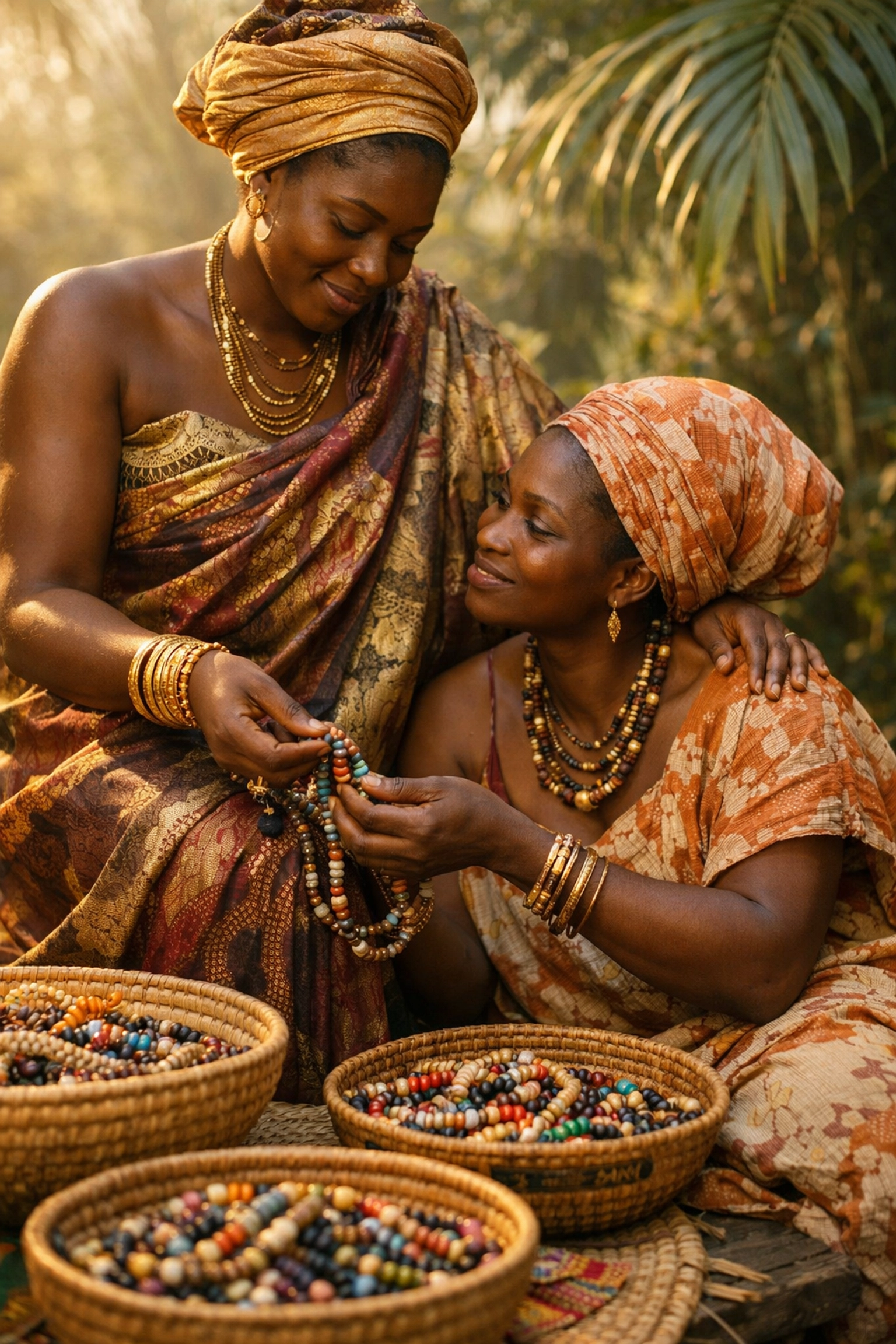
The term "female husband" might sound like a trope from one of our favorite MM romance books, but in many West African cultures, it was a practical, legal, and social reality. A female husband was a woman who took a wife by paying the traditional bride price.
Now, before you jump to conclusions, it’s important to distinguish between social gender and sexual orientation. While some of these relationships may have involved romantic or sexual bonds: histories that are often harder to trace due to colonial erasure: the primary drivers were often social and economic.
A woman might become a "husband" for several reasons:
- Inheritance and Lineage: If a wealthy woman had no children, she might "marry" a wife to ensure her lineage continued. The wife would have children (often through a designated male partner), but legally and socially, those children belonged to the female husband’s lineage.
- Economic Autonomy: Wealthy women, often traders or landowners, took wives to manage their households and expand their economic influence.
- Social Status: Being a "husband" was a position of authority. It allowed a woman to step into a masculine social role while remaining biologically female.
This practice wasn't just limited to the Asante. It has been documented among the Igbo of Nigeria, the Nandi of Kenya, and the Zulu of Southern Africa. It’s a powerful reminder that "gender" has always been a flexible concept in many indigenous cultures before Western colonial "morality" tried to bin everything into two strict categories.
Breaking the Binary: Social Gender vs. Biological Sex
In West African contexts, the role of "husband" was often seen as a status rather than a biological requirement. If you had the wealth and the social standing to provide for a household and pay a bride price, you could be a husband. Period.
This kind of gender fluidity is something we often see explored in gay fantasy romance or MM historical romance, where characters have to navigate rigid social structures while finding their own truth. But for the Asante and their neighbors, it wasn't fantasy; it was just how society functioned.
The female husband would perform all the traditional duties of a husband. She provided protection, economic stability, and social standing. In return, the wife provided labor, companionship, and heirs for the lineage. It was a partnership based on mutual benefit and social necessity.
The Colonial Erasure of African Queerness
So, why don’t we hear more about this in school? Why is the narrative of "homosexuality is un-African" so prevalent today?
The answer, as it often does, lies in colonialism. When European powers moved into West Africa, they didn't just bring guns and trade; they brought their own rigid Victorian views on gender, sex, and marriage. They viewed matrilineal systems as "backward" and female husbandry as "immoral" or "confusing."
Laws were implemented to criminalize non-conforming behaviors, and the rich history of gender diversity across the continent was systematically suppressed. Much of what we consider "traditional" African values today are actually colonial imports. By digging into the history of the Asante female husbands, we aren't just looking at the past: we’re engaging in an act of decolonization. We’re reclaiming the truth that LGBTQ+ fiction and history have deep, ancient roots that span the globe.
Why This Matters for Readers Today
You might be wondering how a 19th-century Asante social practice relates to your Kindle library filled with MM romance novels.
As lovers of gay romance books, we are constantly looking for stories that challenge the status quo. We love the "marriage of convenience" trope or the "hidden identity" plotline because they force characters to redefine who they are in relation to society. The history of female husbands is the ultimate "marriage of convenience" story, but with real-world stakes that shaped entire empires.
At Read with Pride, we believe that knowing this history makes our reading experience richer. When you read a gay historical romance set in a reimagined past, you’re not just escaping; you’re connecting with a legacy of people who refused to be defined by a simple binary.
Recommended Reading for the History-Obsessed
If this dive into West African gender dynamics has you craving more gay novels or queer fiction that plays with history and social roles, check out some of our latest picks. Whether it's steamy MM romance or heartfelt gay fiction, there's something in our store for everyone.
- Looking for more tropes? Check out our list of genre-bending MM romance.
- Want to avoid the common pitfalls of writing diverse characters? Read our guide on fixing LGBTQ+ character development mistakes.
- For those who love a rugged setting, don't miss The Fjord's Hunger.
Join the Conversation
The history of the Asante female husbands is just the tip of the iceberg when it comes to global queer history. There are so many stories waiting to be told, and even more waiting to be read.
What's your favorite historical era to read about? Do you prefer MM historical romance that sticks strictly to the facts, or do you love a "what if" story that reimagines a more inclusive past? Let us know!
Stay authentic, stay curious, and as always, Read with Pride.
Find us on social media for more 2026 gay books updates and daily doses of queer joy:
Check out our sitemaps to explore our full range of LGBTQ+ ebooks and author profiles.
#ReadWithPride #MMRomance #GayHistoricalRomance #QueerHistory #AsanteEmpire #LGBTQBooks2026 #WestAfricanHistory #GayFiction #MarriageEquality #DecolonizeHistory

Leave a Reply
You must be logged in to post a comment.