

readwithpride.com
If you’ve spent any time in the comments section of a news article about LGBTQ+ rights in Africa, you’ve probably seen the claim: "Homosexuality is un-African." It’s a narrative pushed by politicians, religious leaders, and social conservatives across the continent. They frame queer identity as a "Western import" or a "colonial disease" that threatens traditional African values.
But here’s the tea, fam: it’s actually the other way around.
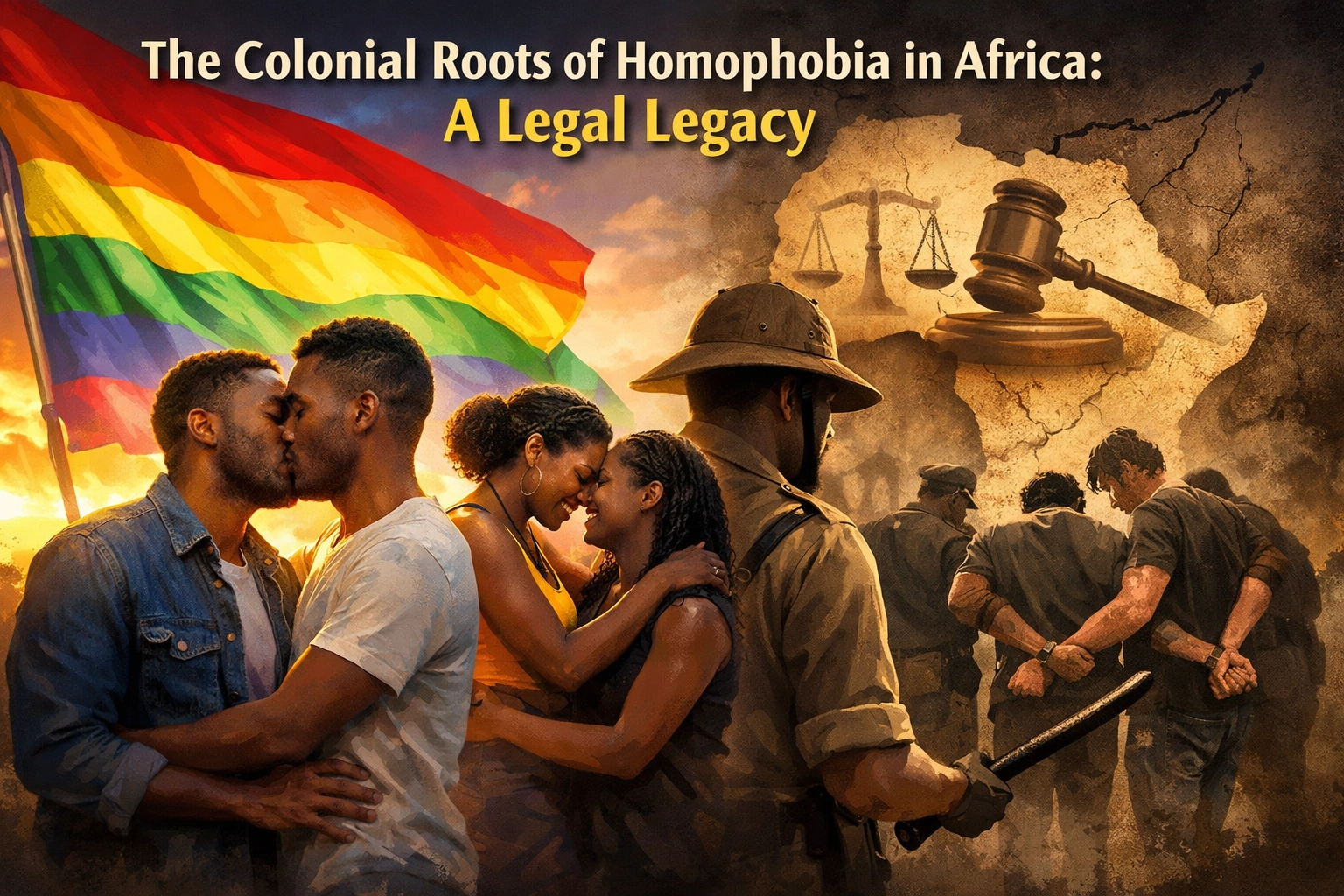
The homophobia we see today: the harsh penal codes, the "order of nature" laws, and the state-sanctioned persecution: is the real colonial export. Before European ships hit the coastlines, African societies were a vibrant, complex tapestry of gender fluidity and diverse sexualities. At Read with Pride, we believe that reclaiming our history is the first step toward writing a more inclusive future. Whether you’re a fan of gay historical romance or you’re looking for the best MM romance books that explore global identities, understanding the roots of these laws is essential.
The Africa They Don’t Want You to Remember
Long before the British, French, and Portuguese arrived with their Victorian bibles and rigid legal frameworks, many African cultures viewed gender and sexuality as a spectrum, not a binary.
Take the Dagaaba people of modern-day Ghana. They didn’t look at what was between your legs to determine your social role; they looked at your "energy." If a biological male presented feminine energy, they were assigned a female role in the community. It wasn’t a scandal; it was just how the world worked. In Senegal, the góorjigéen (meaning "man-woman" in Wolof) were respected members of society who often held prestigious roles as masters of ceremony at weddings and celebrations.
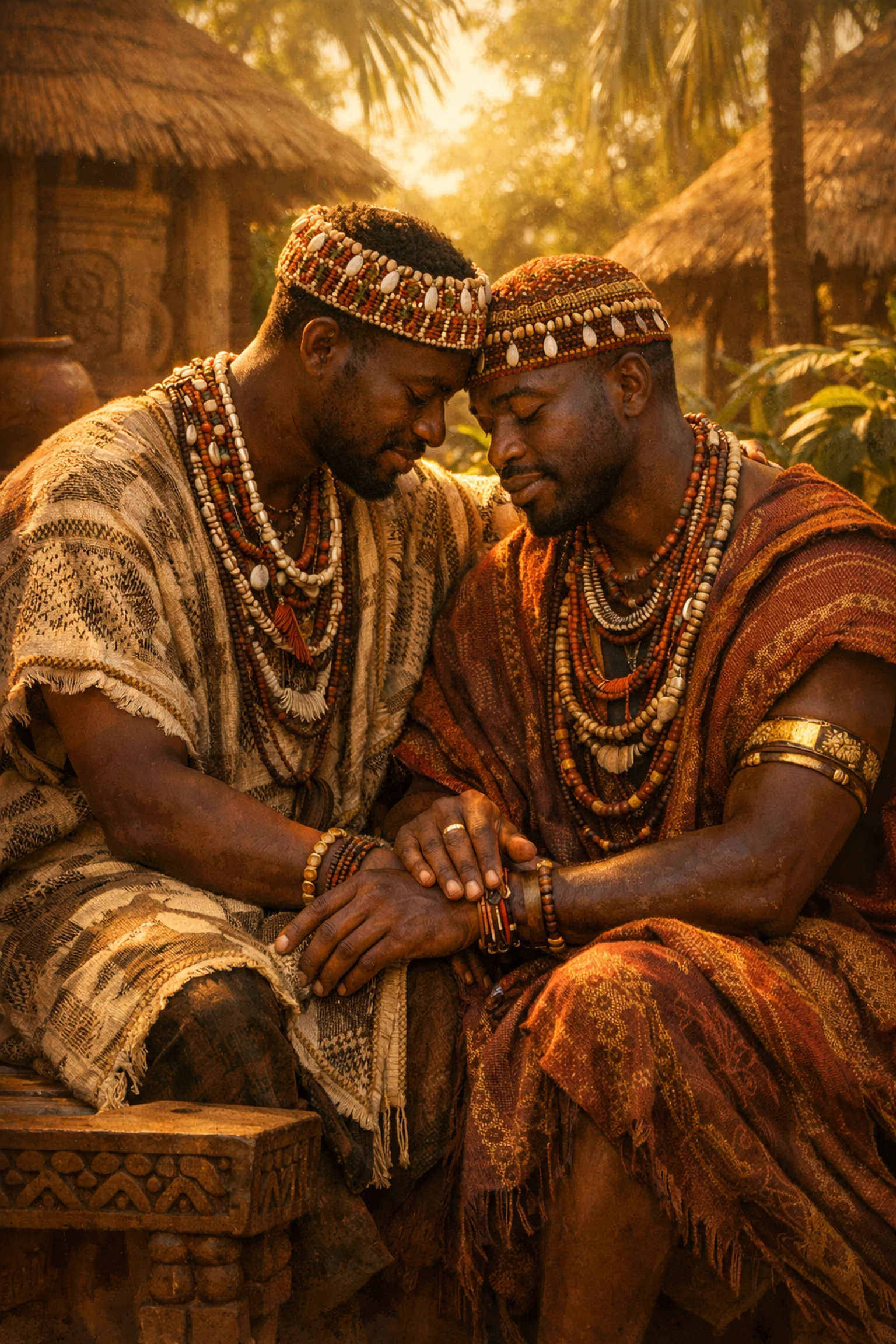
We see these themes reflected in some of the most beautiful queer fiction and gay historical romance being written today. Imagine a story set in the 16th-century Imbangala kingdom of Angola, where men dressed in "womens apparel" lived among the king's wives. These weren't "secret" lives; they were public, recognized, and integrated. There were no laws criminalizing these people because there was no concept that these identities were "against the order of nature."
The "Civilizing Mission" and the Birth of Section 377
So, what happened? Colonization happened.
When European powers carved up the continent during the "Scramble for Africa," they didn't just bring railroads and rubber plantations; they brought a strictly heteronormative, patriarchal moral code. To the colonizers, African sexual fluidity was seen as "barbaric" and "uncivilized." They viewed it as a sign of moral decay that needed to be "fixed" through European law and Christian missionary work.
The most infamous tool in this legislative arsenal was Section 377. Originally drafted for the Indian Penal Code by the British, this law criminalized "carnal intercourse against the order of nature." The British liked it so much they copy-pasted it into the legal systems of almost all their colonies across Africa, Asia, and the Caribbean.
Suddenly, practices that had existed for centuries became crimes punishable by imprisonment or worse. This wasn't "African law"; it was a British software update forced onto a system that was working just fine without it. If you’re a fan of gay romance novels that delve into the tension between tradition and colonial rule, this era provides a heartbreaking but vital backdrop.
The Legal Hangover: Why the Laws Stayed
You’d think that after gaining independence in the mid-20th century, African nations would have ditched these colonial relics. Unfortunately, the "legal hangover" was real. Many newly independent countries kept their colonial penal codes intact to maintain "order" during the transition to self-rule.
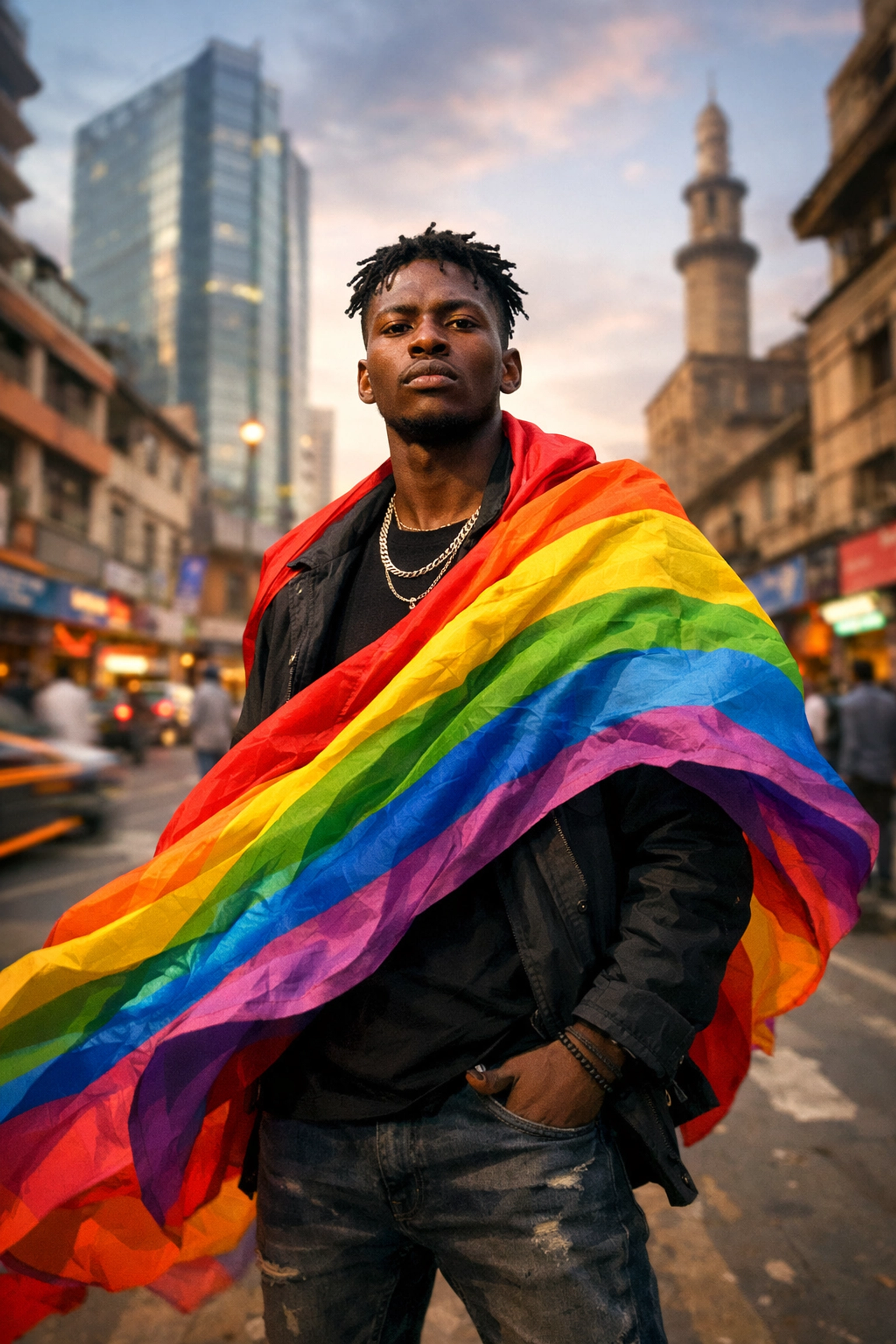
Today, the statistics are staggering. Over 30 African countries still criminalize consensual same-sex acts. Even more telling? More than half of the countries worldwide where being gay is illegal are members of the British Commonwealth. The very laws used to oppress African people under colonial rule are now being defended by African leaders as "traditional values."
It’s a masterclass in gaslighting. Leaders like the late Robert Mugabe famously called homosexuality a "white disease," ignoring the fact that the laws he used to persecute queer people were written by white British men in the 1800s. When we read LGBTQ+ ebooks or explore MM romance books from African authors, we see a powerful pushback against this erasure. These stories are acts of resistance, proving that we have always been here.
The New Wave of Colonialism: The Evangelical Influence
The irony doesn't stop with old British laws. In the 21st century, a new form of "moral colonialism" is taking place. Since the early 2000s, right-wing US evangelical groups have been pumping millions of dollars into African countries: specifically Uganda: to lobby for even harsher anti-LGBTQ+ legislation.
These activists travel from the States to meet with politicians and religious leaders, spreading debunked theories and stoking fear. They frame the fight against queer rights as a "clash of civilizations," once again using Africa as a battleground for Western ideological wars. It’s a tragic cycle: Westerners introduced the homophobia 150 years ago, and now a different group of Westerners is funding its expansion today.
Reclaiming the Narrative Through Stories
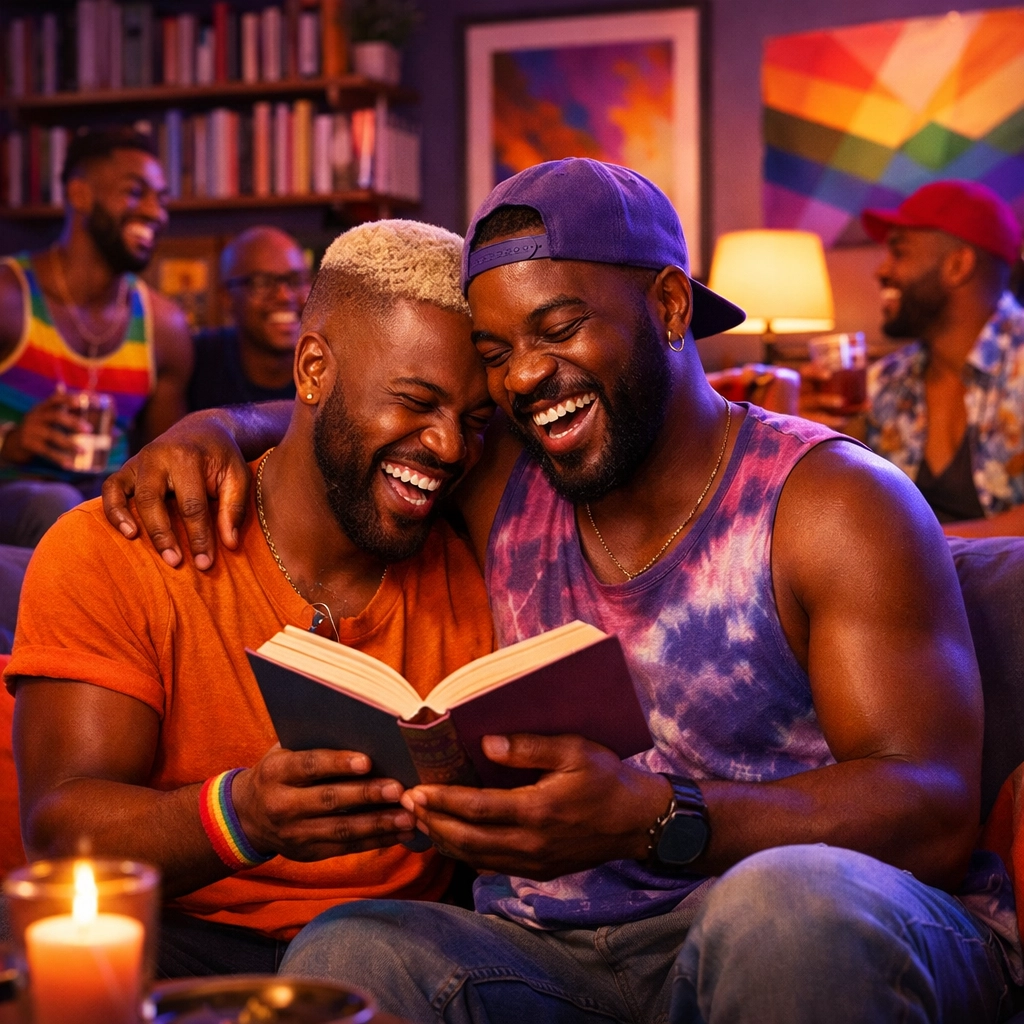
At Read with Pride, we know that stories have the power to change the world. By reading MM contemporary stories set in Lagos, Nairobi, or Johannesburg, or diving into gay fantasy romance that draws on indigenous African mythologies, we help break the colonial spell.
Representation isn't just a buzzword; it’s a way to reclaim the history that was stolen from us. When you support queer authors and MM authors who are telling these stories, you’re helping to dismantle the lie that being LGBTQ+ is a "Western import."
If you're looking for your next great read, check out our author sitemap or browse through the blog category sitemap for more deep dives into queer culture and literature. We’re dedicated to bringing you the best 2026 gay books and timeless gay classics that celebrate our global community.
Wrapping Up
The fight for LGBTQ+ rights in Africa is not a fight for "Western rights"; it’s a fight to return to an African tradition of pluralism and acceptance that existed long before the first colonial governor set foot on the continent. The legal legacy of homophobia is a scar left by colonization, but scars can heal, and narratives can be rewritten.
Let’s keep reading, keep writing, and keep being authentic. Because the most "African" thing you can be is yourself.
Stay proud, stay queer, and keep reading! 🌈✨
Want more? Follow us and join the conversation:
- Facebook: Read with Pride on FB
- X (Twitter): @Read_With_Pride
- Instagram: @read.withpride
For more resources, check out our FAQ or browse our full product catalog.
#ReadWithPride #LGBTQHistory #ColonialLegacy #MMRomanceBooks #GayFiction #QueerAfrica #Section377 #GayHistoricalRomance #GayLoveStories #2026GayBooks

Leave a Reply
You must be logged in to post a comment.