

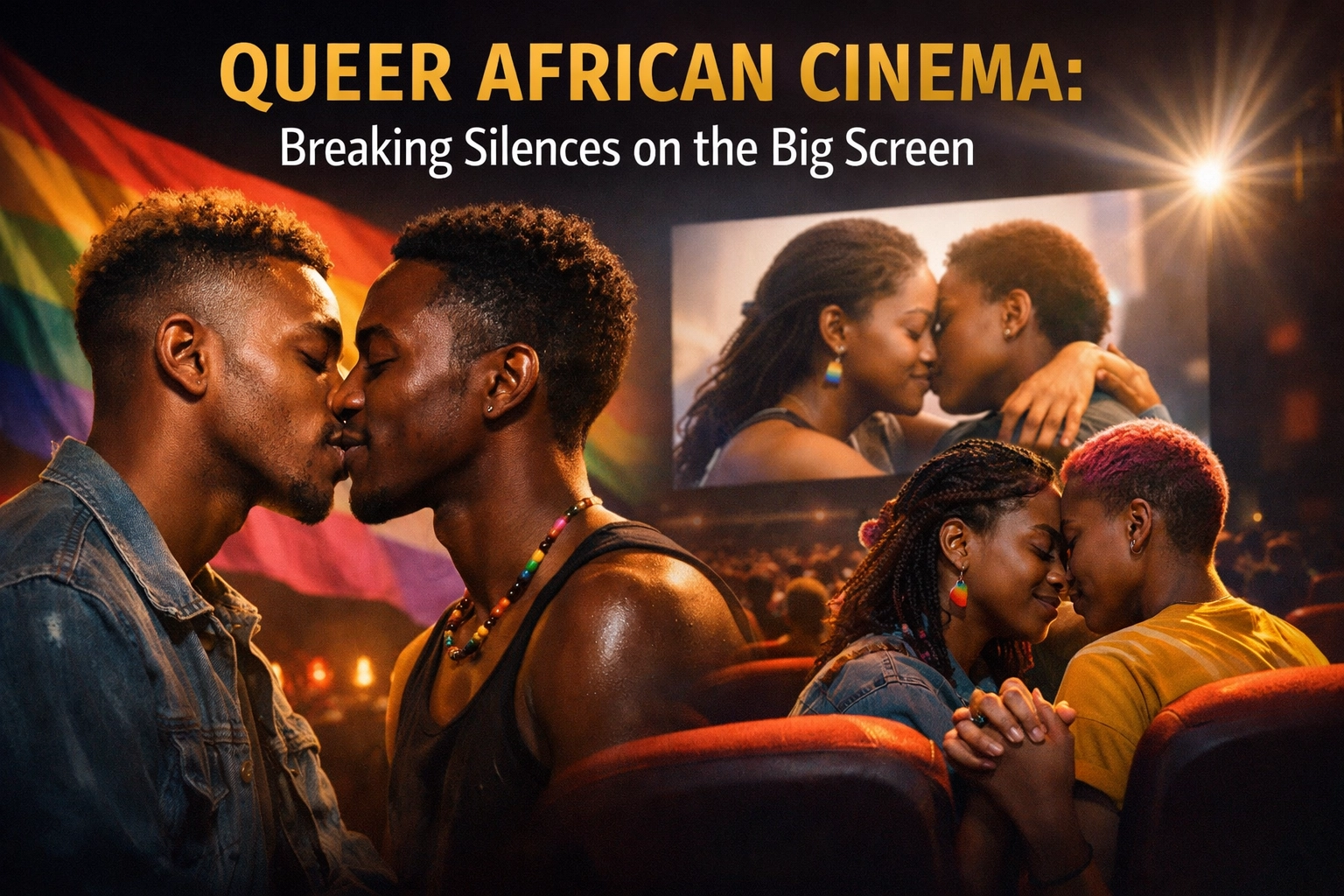
readwithpride.com
Let’s be real for a second: for a long time, if you wanted to see queer life in Africa portrayed on a screen, you had to look really hard, and even then, what you found usually wasn’t great. We’re talking about "tragic" endings, characters who were basically walking cautionary tales, or the classic "villain" trope where the gay character was the moral equivalent of a house fire.
But things are shifting. Fast.
At Read with Pride, we spend a lot of time obsessing over MM romance books and gay fiction, but we know that storytelling doesn't stop at the page. Cinema has a unique way of forcing the world to look us in the eye. In the last decade, and especially as we move through 2026, African filmmakers have been staging a revolution. They are reclaiming their narratives, tossing the "tragic queer" trope in the bin, and showing that African identity and LGBTQ+ identity aren't just compatible, they’re a vibrant, beautiful reality.
The Dark Ages: Before the Lens Cleared
In the early days of Nollywood (Nigeria’s massive film industry) and other regional cinema hubs, queer characters were often used as plot devices to show "moral decay." If there was a gay man in a movie, he was likely a "homewrecker" or someone being punished by the divine. It was heavy, it was harmful, and it was honestly just boring storytelling.
The shift didn't happen overnight, but it was led by creators who realized that if they didn't tell their own stories, no one else would, or at least, no one would tell them right. This mirrors what we see in the world of LGBTQ+ ebooks; readers are tired of being the sidekick or the victim. They want to be the hero of the gay love story.
Rafiki: The "Afrobubblegum" Revolution
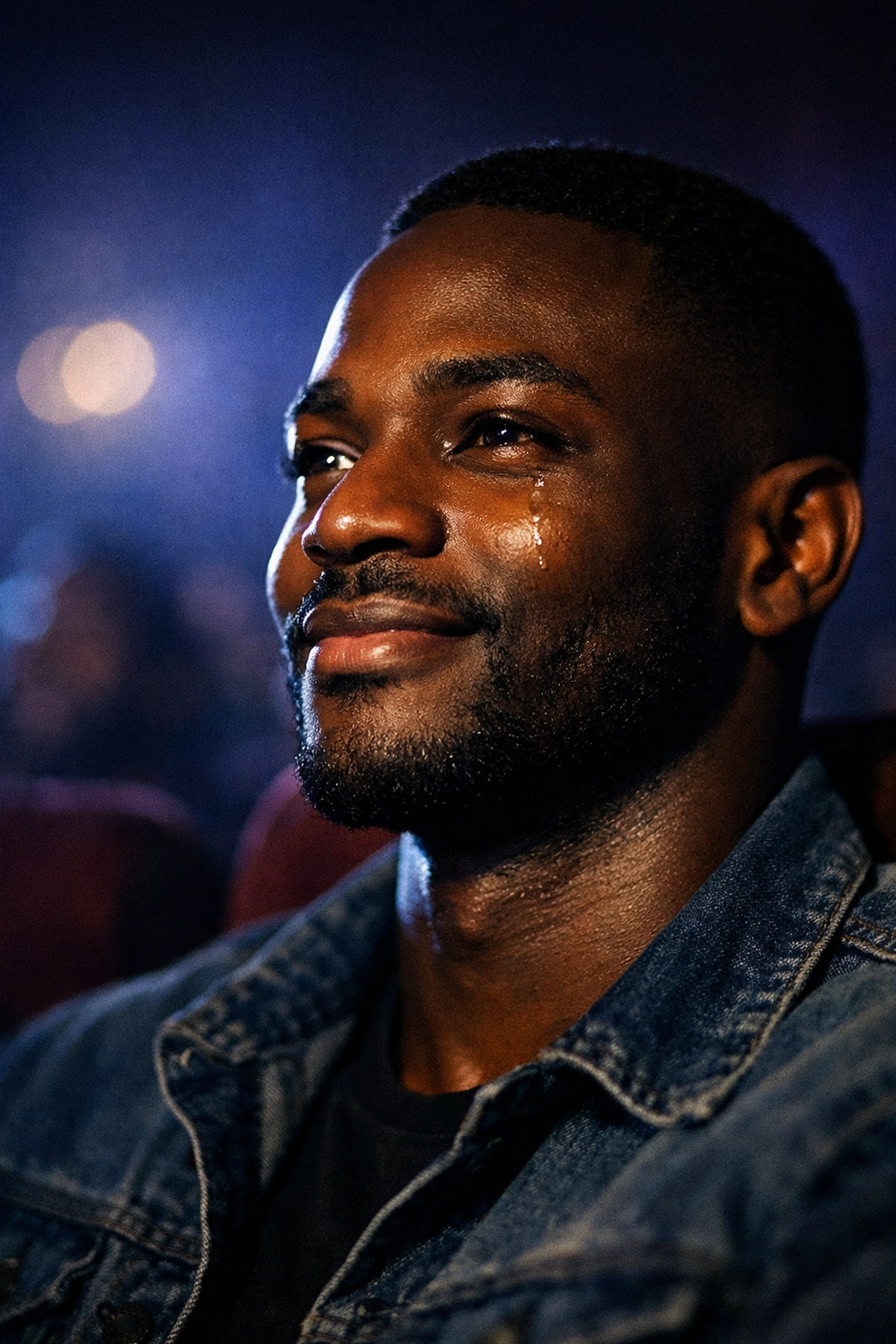
If you’re looking for the moment the world truly started paying attention, look no further than Rafiki (2018). Directed by Wanuri Kahiu, this film is a vibrant, neon-soaked dream of a movie. Set in Nairobi, it follows Kena and Ziki, two young women who fall in love despite the fact that their fathers are political rivals.
It has all the tension of an enemies to lovers MM romance, but with the added stakes of real-world legal consequences. The Kenyan government actually banned the film because it "promoted lesbianism," but Wanuri Kahiu fought back in court and won a temporary lift of the ban so it could be eligible for the Oscars.
What makes Rafiki so special isn’t just the rebellion; it’s the joy. Kahiu calls her style "Afrobubblegum", art that is fun, fierce, and frivolous. It proved that African queer stories don't have to be defined solely by pain. They can be about skateboards, pink hair, and the nervous butterflies of a first crush. It’s the visual equivalent of a heartfelt gay fiction novel that you just can't put down.
The Wound (Inxeba): Deconstructing Masculinity
On the other side of the emotional spectrum, we have The Wound (2017) from South Africa. If Rafiki is a bright pop song, The Wound is a haunting cello solo.
The film dives deep into the Xhosa initiation ritual of Ulwaluko. It explores the secret relationship between two men who return to the mountains every year to mentor teenage initiates. It’s a raw look at "toxic masculinity" and the weight of tradition. When it was released, it faced violent protests and was briefly reclassified as "hardcore pornography" by South African censors (a decision that was later overturned).
For those who love MM historical romance or stories that deal with the friction between heritage and identity, Inxeba is essential viewing. It doesn't offer easy answers, but it demands that the viewer acknowledge the existence of queer men in spaces that claim to be "traditionally" straight.
Ife and the Digital Underground
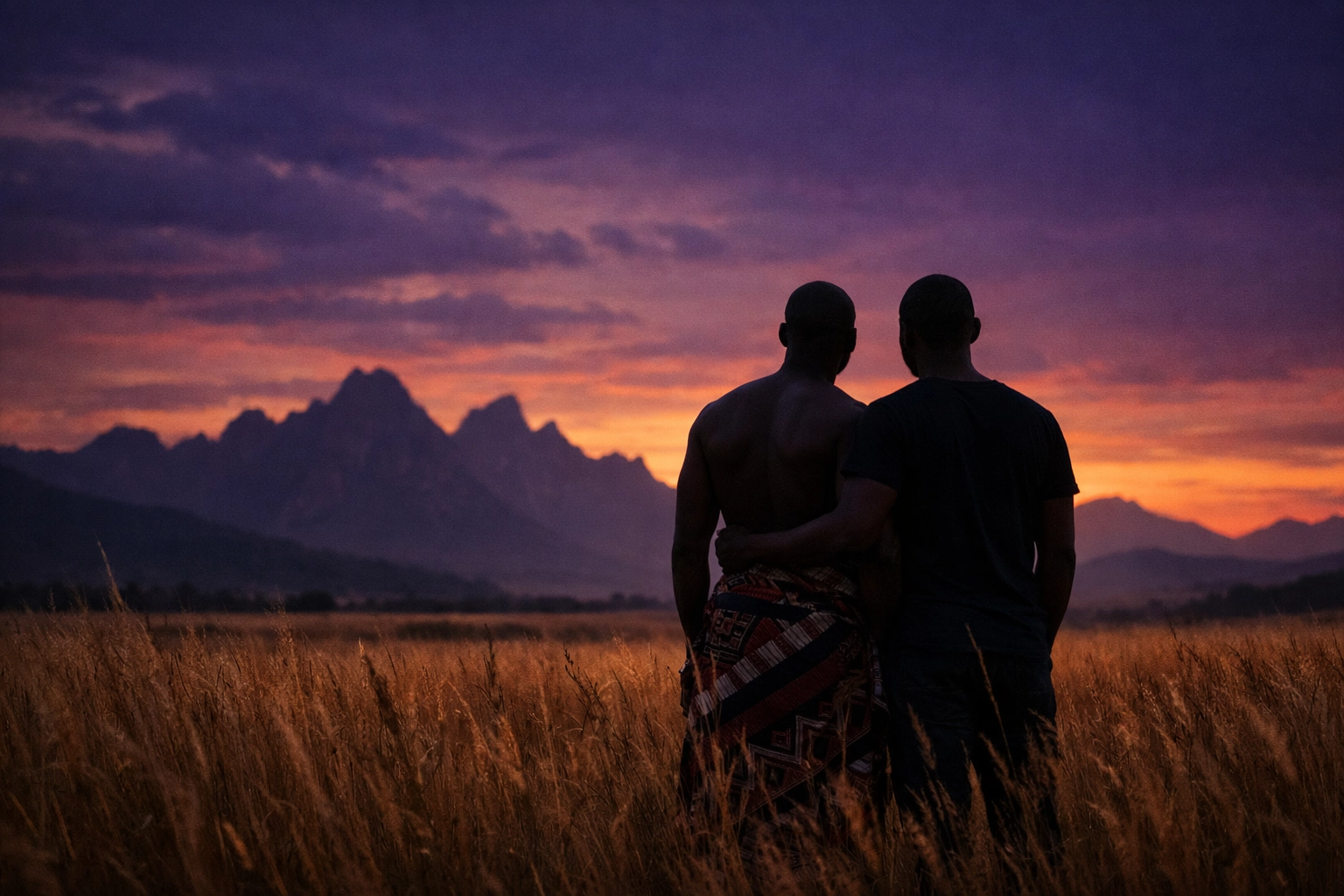
In countries like Nigeria, where laws are incredibly restrictive, filmmakers have had to get creative. Enter Ife (2020). Directed by Uyaiedu Ikpe-Etim and produced by activist Pamela Adie, Ife is a quiet, intimate look at two women spending their first three days together.
Because they knew the film would never pass the Nigerian censors for a theatrical release, the creators decided to release it on a dedicated streaming platform. It bypassed the gatekeepers entirely. This is exactly why we love gay eBooks and independent publishing at Readwithpride.com. When the mainstream says "no," the community finds a way to say "yes."
Ife is significant because it focuses on quiet intimacy. There’s no big "coming out" drama or police raid. It’s just two people talking, eating, and falling in love. It’s the kind of gay contemporary romance we need more of: stories where our existence is the baseline, not the conflict.
Why This Matters for Readers of Queer Fiction
You might be wondering: Penny, I’m here for the gay romance books, why are we talking about movies?
Because representation is a landscape, not a single tree. When a movie like The Wound or Rafiki breaks through, it creates a demand for more stories. It inspires a new generation of queer authors and MM authors across the African continent to write their own truths.
We’re seeing a massive uptick in 2026 gay books coming out of regions like West and East Africa. These authors are taking the bravery they see on screen and translating it into MM fantasy, gay thriller, and gay adventure romance. The cross-pollination between film and literature is what keeps our culture thriving.
Breaking the "Not African" Myth
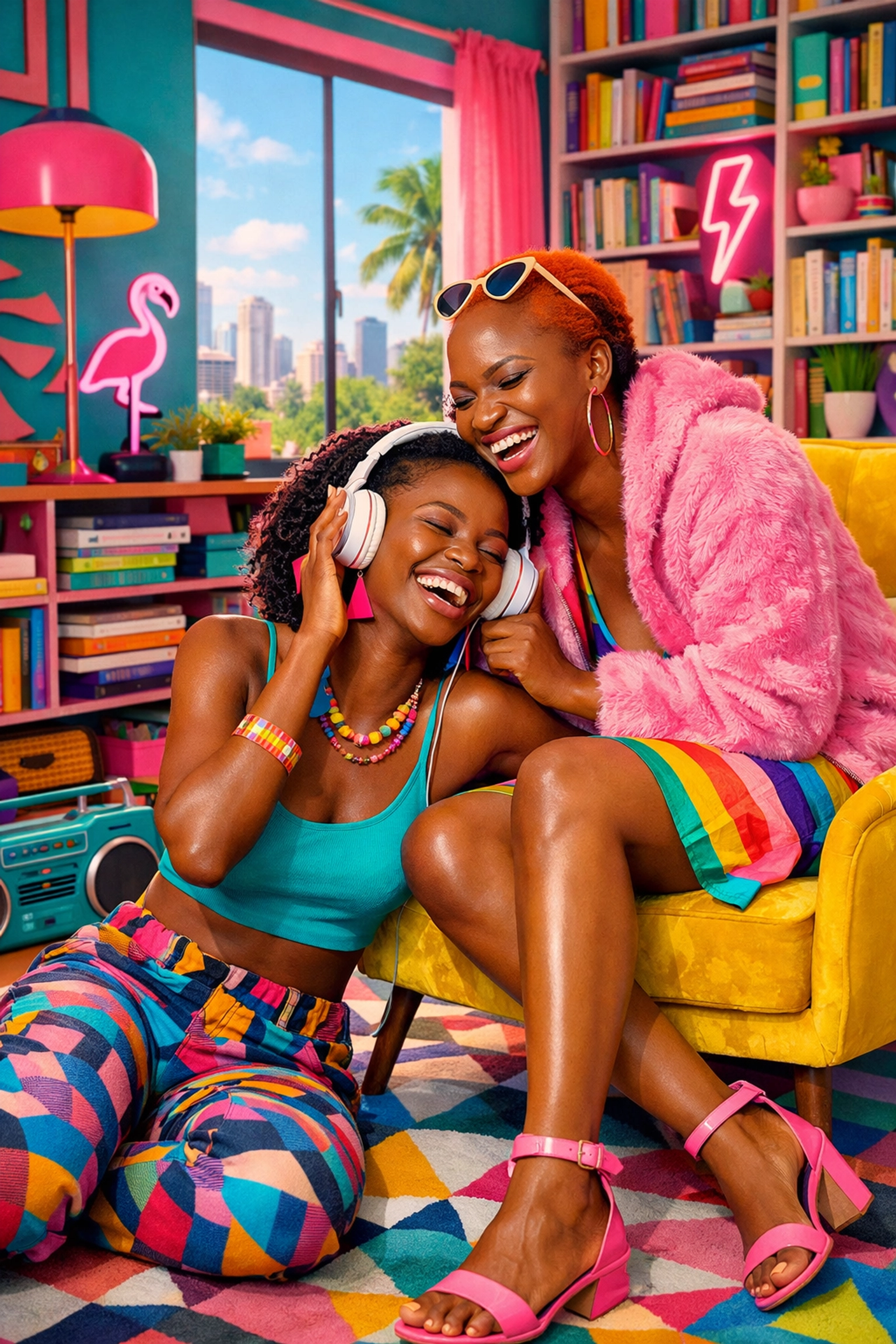
The biggest lie told about LGBTQ+ people in Africa is that it’s a "Western import." Cinema is helping to debunk that myth by showing the deep roots of queer identity across the continent. Whether it’s exploring the history of the "Gay Saints" or looking at modern-day queer Iftars, film provides a visual record that can’t be easily erased.
Filmmakers are now looking back at history: much like our favorite gay historical romance writers: to find the stories that were suppressed by colonial laws. They are proving that being queer is, and always has been, African.
Looking Ahead: Queer African Cinema in 2026
As we move further into 2026, the horizon is looking bright. We’re seeing more collaborations between African filmmakers and global streaming giants. This means better budgets, wider distribution, and more opportunities for popular gay books to be adapted into films.
Imagine a world where your favorite steamy MM romance set in Lagos or a gay spy romance set in Cape Town gets the high-budget treatment it deserves. We’re getting closer to that reality every day.
In the meantime, we have to support the creators who are doing the heavy lifting. Watch the films, share the trailers, and: of course: keep reading the books that celebrate these identities.
Want to dive deeper into Queer Stories?
If you're looking for your next obsession, check out our latest MM romance recommendations and top LGBTQ+ books at Read with Pride. We’ve got everything from gay classics to the hottest new gay releases.
Stay authentic, stay proud, and keep supporting the stories that make our world a little bit bigger.
Join the community and follow our journey:
- Check out our latest releases: Read with Pride Store
- Follow us on Facebook
- Catch our updates on X (formerly Twitter)
- See the aesthetics on Instagram
#ReadWithPride #QueerAfricanCinema #GayRomanceBooks #MMRomance #LGBTQFiction #AfricanStories #RepresentationMatters #GayBooks2026 #QueerFilm #BreakingSilences

Leave a Reply
You must be logged in to post a comment.