

readwithpride.com
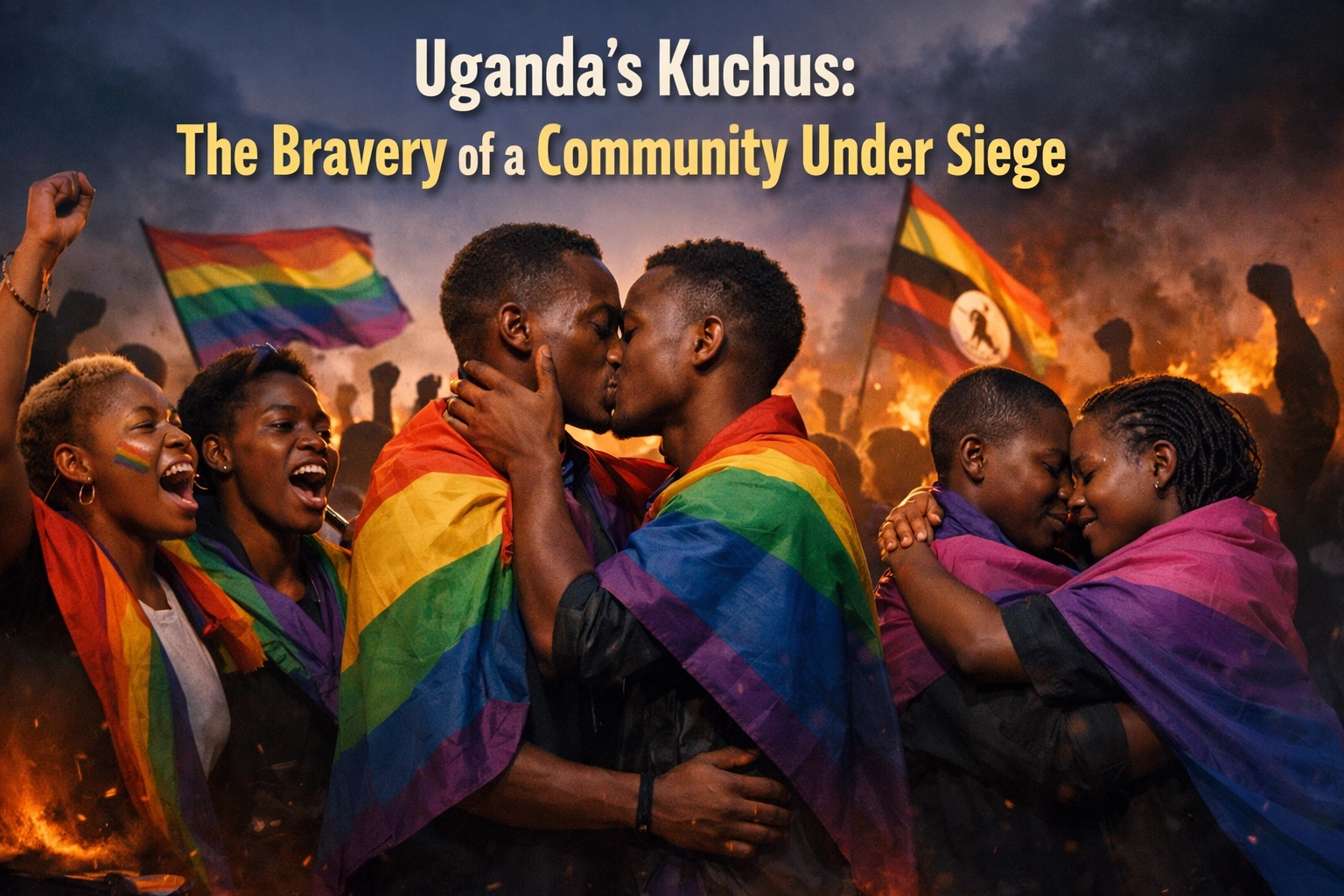
When we talk about the global LGBTQ+ struggle, our minds often drift to the glitter of parades or the latest MM romance books hitting the charts. But in some corners of the world, "Pride" isn't just a celebration: it’s a revolutionary act of survival. Today, we’re heading to East Africa to look at the "Pearl of Africa," Uganda. Specifically, we're talking about the Kuchus.
If you haven’t heard the term before, "Kuchu" is a Swahili-derived word that the Ugandan queer community has reclaimed. Much like how "Queer" was transformed from a slur into a badge of honor in the West, Kuchu is a self-chosen identity. It’s a secret handshake, a code, and a middle finger to an establishment that wants to erase them. At Read with pride, we believe every story deserves to be told, especially the ones written in the face of absolute danger.
The Colonial Shadow: Where Did the Hate Come From?
There’s a common misconception that being gay is a "Western import" to Africa. Let’s set the record straight: the only thing the West imported to Africa regarding sexuality was the homophobia.
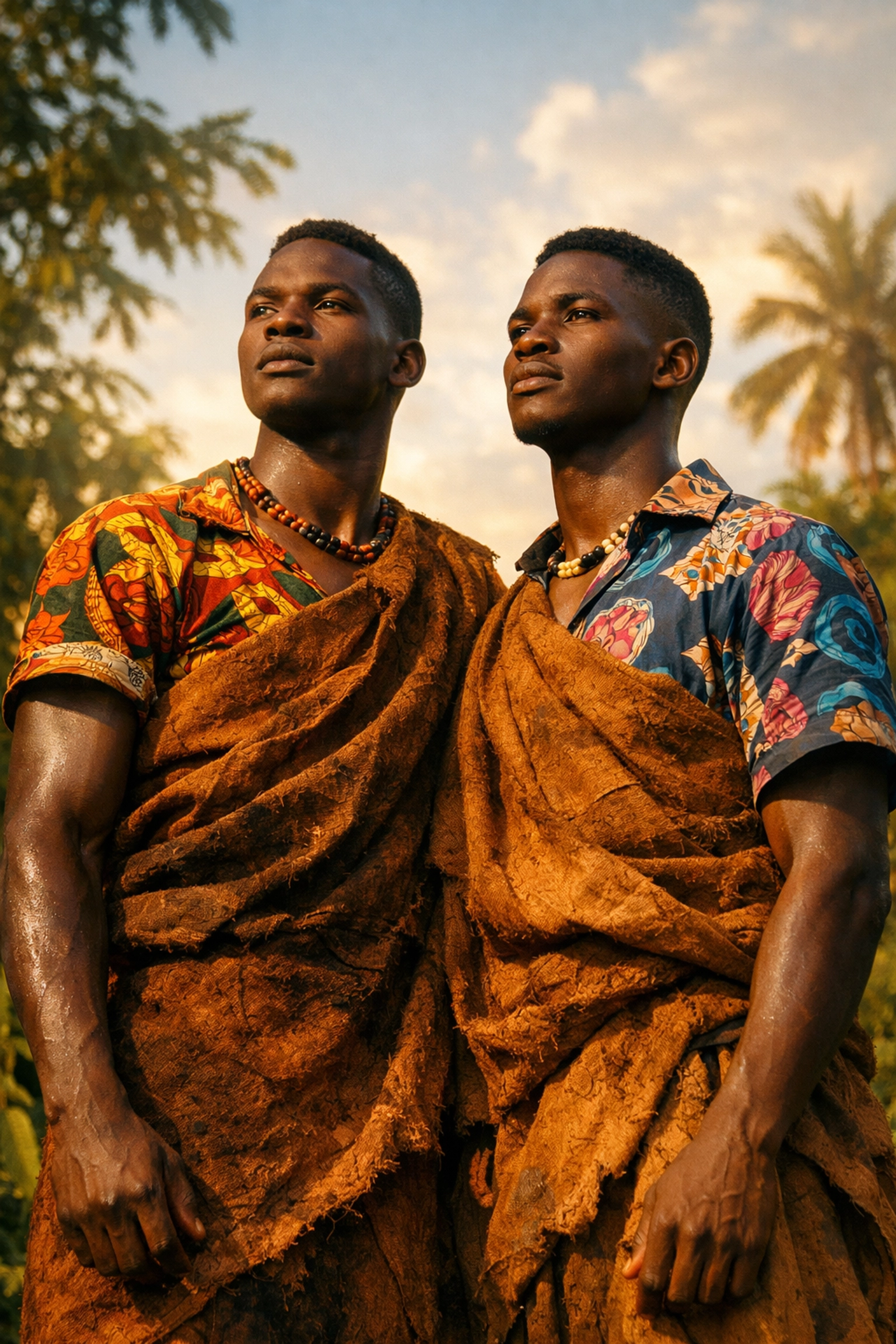
Before British colonial rule, many African societies had a much more fluid understanding of gender and desire. It was the colonial masters who brought with them the Victorian-era "sodomy laws" in the late 19th century. Fast forward to 1962, when Uganda gained independence, those laws didn't leave with the British. They stayed, festering and evolving into the draconian legislation we see today.
While we lose ourselves in gay historical romance novels that depict secret yearning in ballrooms, the historical reality for queer Ugandans has been a transition from traditional acceptance (or at least tolerance) to state-sponsored hunting. The current climate is fueled by a toxic mix of colonial-era legal frameworks and modern, ultra-conservative religious influence funded largely by external groups.
The Law as a Weapon
In 2023, the world watched in horror as President Yoweri Museveni signed the Anti-Homosexuality Act. We’re not talking about a slap on the wrist here. This law includes the death penalty for "aggravated homosexuality" and lengthy prison sentences just for identifying as LGBTQ+.
Imagine living in a world where your very existence is a capital offense. It’s the kind of high-stakes tension you’d find in a gay thriller or a gay psychological thriller, but for the Kuchus, there’s no "The End" when they close the book. They wake up to this reality every single day.
Despite these laws, the Kuchu community hasn't vanished. They’ve gone underground, but they haven't gone silent. Their bravery is, quite frankly, a level of "badass" most of us can only dream of.
The Legends of the Movement: David Kato
You can’t talk about the Kuchu struggle without talking about David Kato. Often called the father of Uganda’s gay rights movement, Kato was the first openly gay man in the country. He didn't just live his truth; he shouted it. He protested in courts, appeared on television, and took the fight all the way to the United Nations.
In 2011, Kato was brutally murdered in his home after a local tabloid published his photo under a headline that read "Hang Them." His death sent shockwaves through the global community and became a rallying cry. While we often look for heroes in gay fiction or popular gay books, David Kato was a real-life titan who paid the ultimate price for the right to love.
The Activists Still on the Frontlines
While the situation is dire, there are people on the ground who refuse to blink.
Frank Mugisha and SMUG
Frank Mugisha, the Executive Director of Sexual Minorities Uganda (SMUG), is a name you need to know. He has faced arrests, threats, and the forced shutdown of his organization, yet he remains in Uganda. He’s been awarded the Robert F. Kennedy Human Rights Award, but more importantly, he’s the lighthouse for a community in a storm.
Kasha Jacqueline Nabagesera
Kasha is another powerhouse. Often called the "founding mother" of the movement, she has navigated the most hostile environments imaginable to champion LGBTQ+ rights. She even started the first-ever Ugandan LGBTQ+ magazine, Bombastic, to share the real stories of Kuchus and counter the hateful narratives in the mainstream press.
Ruth Muganzi and Kuchu Times
When the government shuts down the dialogue, you start your own platform. That’s exactly what Kuchu Times did. Led by activists like Ruth Muganzi, this media platform provides a safe space for voices across Africa. Even with the 2023 law threatening anyone who "promotes" homosexuality, Kuchu Times remains a digital sanctuary. It’s where the community finds gay book recommendations, health information, and, most importantly, each other.
A Different Kind of Faith: Bishop Christopher Senyonjo
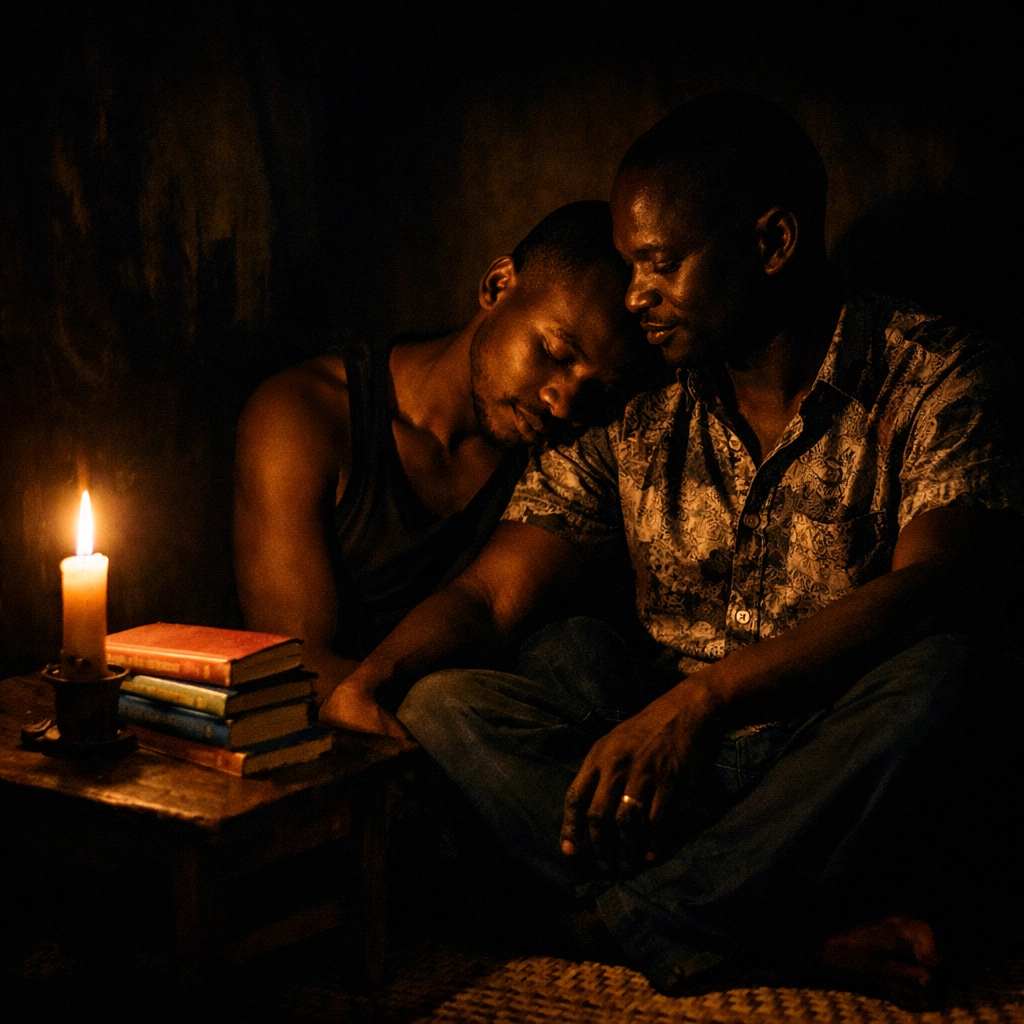
One of the most moving parts of the Kuchu story is the support from unexpected places. Bishop Christopher Senyonjo, an Anglican priest, was expelled from the church for his support of the LGBTQ+ community. Rather than backing down, he started a counseling center and a safe house.
He offers something that many queer people in Uganda are told they can never have: spiritual peace. In a country where religion is often used as a blunt instrument of hate, the Bishop uses it as a shield. It’s a real-life example of the "found family" trope we love in heartfelt gay fiction.
Why We Must Keep Reading and Writing
You might wonder why a site dedicated to LGBTQ+ ebooks and MM romance books is diving into such heavy political waters. The answer is simple: representation is a political act.
When we read gay romance novels or M/M books, we are validating the idea that queer joy is possible, necessary, and worth fighting for. For a Kuchu in Kampala who might be browsing the web in a dark room, seeing a story where two men fall in love and get their "happily ever after" isn't just entertainment: it’s a lifeline. It’s proof that they aren’t "broken" or "un-African."
Our store and our blog are dedicated to the diversity of the queer experience. Whether it's gay historical romance that explores our hidden past or steamy MM romance that celebrates our present, these stories build a bridge of empathy across continents.
The Power of the "Quiet Intimacy"
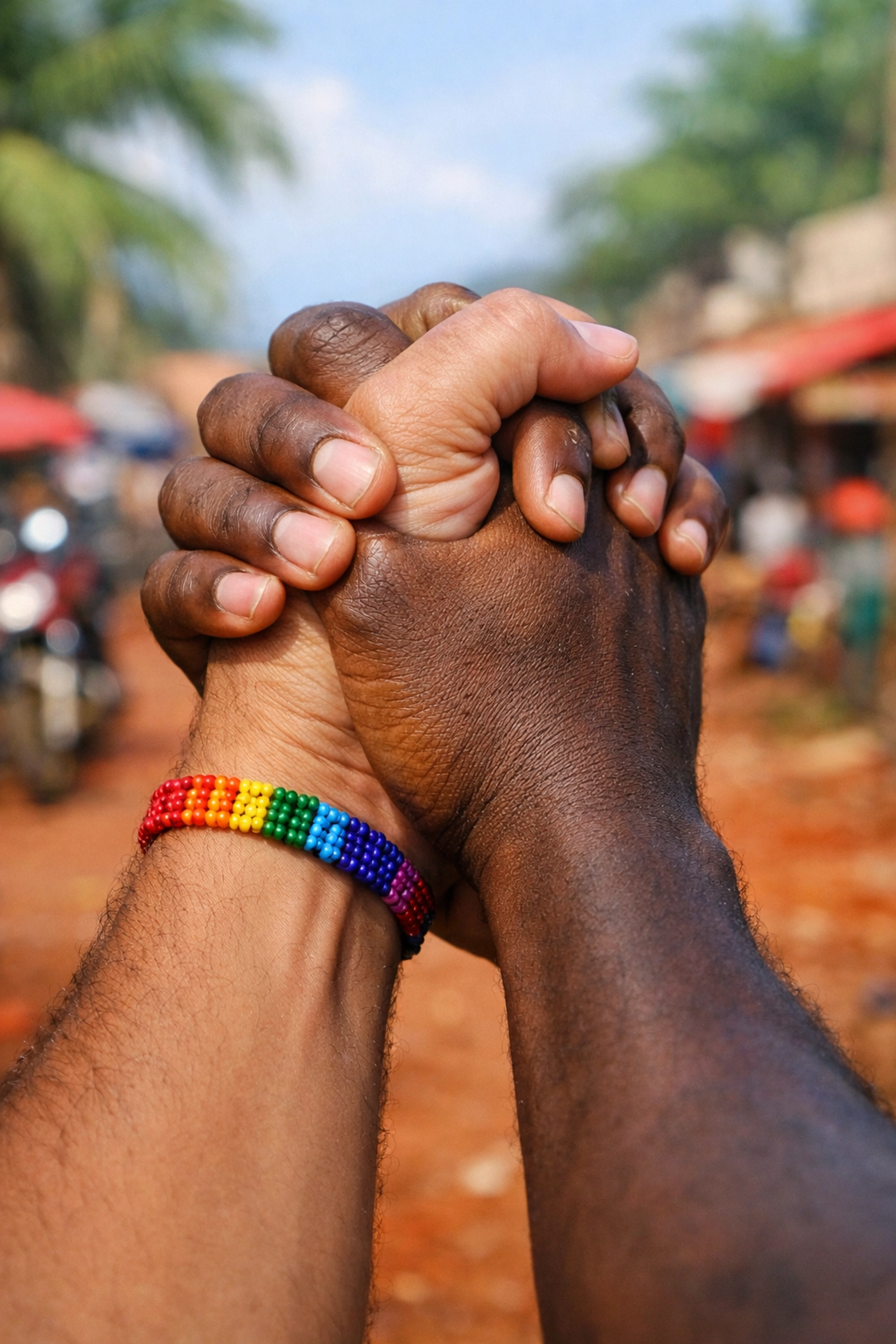
In the middle of a siege, the most radical thing you can do is love someone. We often talk about the quiet intimacy trope in MM contemporary fiction: the small moments of holding hands, sharing a meal, or a soft look across a room. In Uganda, those quiet moments are acts of war against an oppressive state.
The Kuchu community reminds us that Pride isn't about how much glitter you can wear; it's about the resilience of the human spirit. They are living a gay adventure romance without the safety net of a fictional world.
How to Support the Kuchu Community
Supporting the community in Uganda requires care, as direct intervention can sometimes put people at further risk. However, staying informed and supporting organizations that work on the ground (like SMUG or Kuchu Times) is vital.
Also, keep sharing stories. The more we normalize queer identities through gay novels and top LGBTQ+ books, the harder it becomes for oppressive regimes to claim that we are an "anomaly."
If you’re looking for more stories that celebrate the resilience of the LGBTQ+ community, check out our sitemaps for a massive list of 2026 gay books and classics that define our movement.
Let’s keep reading, keep writing, and keep standing with the Kuchus. Because as long as one of us is under siege, the fight for Pride isn't over.
Stay connected with the movement:
- Follow us on Facebook
- Catch the latest updates on X (Twitter)
- See the beauty of our community on Instagram
- Explore more at Readwithpride.com
#ReadWithPride #KuchuStrong #UgandaLGBTQ #GayRomanceBooks #MMRomance #LGBTQFiction #GayHistory #HumanRights #QueerIdentity #2026GayBooks

Leave a Reply
You must be logged in to post a comment.