readwithpride.com
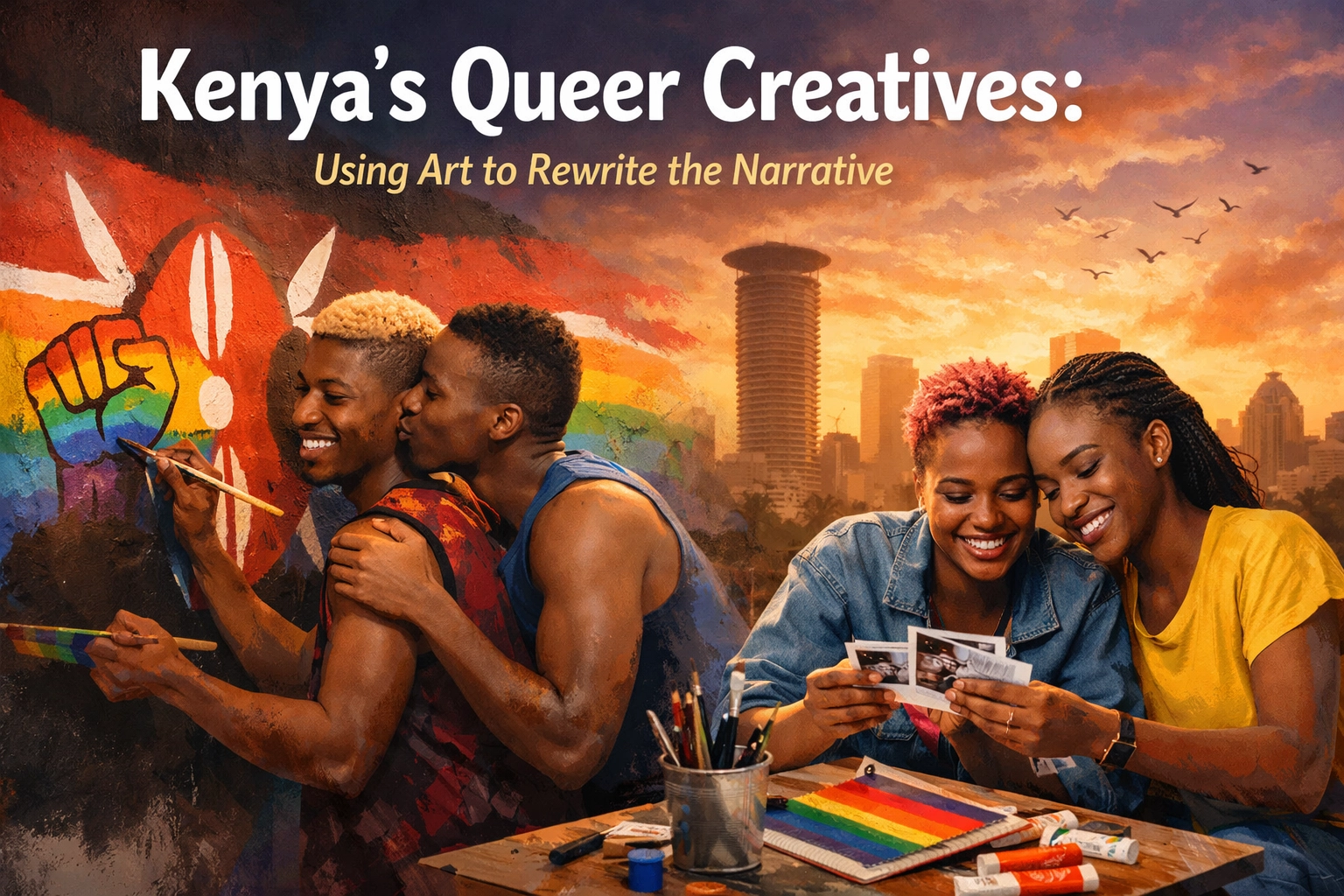
Nairobi is a city that vibrates with a very specific kind of energy. It’s a mix of red dust, high-speed matatus, and a creative pulse that refuses to be ignored. But for the LGBTQ+ community in Kenya, living loudly isn’t just a lifestyle choice: it’s a radical act of defiance. While the legal system still clings to colonial-era laws, the streets and digital spaces of Nairobi are telling a completely different story.
At Read with Pride, we spend a lot of time tucked away in the pages of MM romance books and queer fiction, but sometimes the most powerful stories aren't found in a Kindle file. They are happening right now, in real-time, through the hands of Kenyan artists, musicians, and designers who are busy rewriting the narrative of what it means to be queer in Africa.
The Fabric of Revolution: Kawira Mwirichia
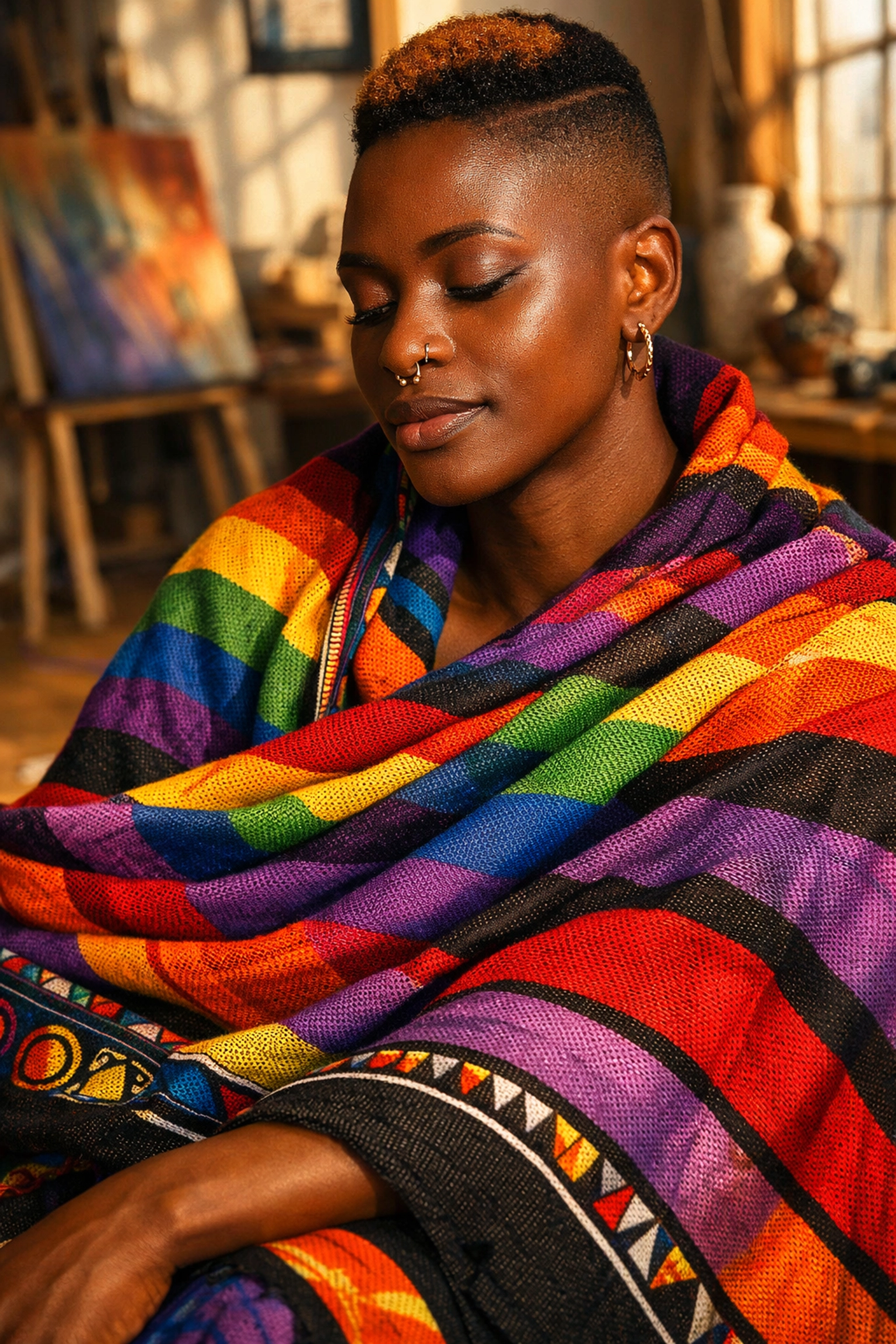
If you want to talk about "main character energy," we have to start with the late, legendary Kawira Mwirichia. Her work didn't just sit in a gallery; it wrapped itself around the very identity of the nation. Her project, "To Revolutionary Type Love" (TRTL), is a masterclass in how to take something traditional and turn it into a tool for liberation.
Mwirichia used kangas: the traditional East African cotton cloths that usually carry Swahili proverbs and cultural messages: to celebrate queer love. Imagine a fabric that for generations has been used to wrap babies or given as wedding gifts, now adorned with the stories of LGBTQ+ activists and symbols of global pride. She designed kangas for 196 countries, each one documenting a piece of queer history.
This wasn't just art; it was a demand for space. In a country where gay fiction is often hard to find on physical shelves, Mwirichia’s kangas were a tactile reminder that queer history is human history. Her dream was to build a queer-driven creative industry in Kenya, providing jobs and safety for the community. Even in 2026, her influence remains a guiding light for every young creative picking up a paintbrush in Nairobi.
Striking a Chord: Music as the Ultimate Outing
For a long time, the Kenyan music scene was a bit of a "don't ask, don't tell" situation. Then came Willis Austin Chimano. As a member of the internationally acclaimed band Sauti Sol, Chimano was already a household name. But when he stepped fully into his truth, he didn't just come out: he arrived.
His solo work, particularly tracks like "Friday Feeling," leaned heavily into underground ballroom culture. He brought the aesthetics of the 70s, the glitter of the disco era, and the unapologetic flamboyance of queer joy to the Kenyan mainstream. Chimano’s presence is a reminder of the "coming out" tropes we often see in MM contemporary novels: the fear, the backlash, but ultimately, the freedom that comes with being seen.
Then there’s Grammo Suspect (the Rainbow Ambassador Kenya). If Chimano is the pop icon, Grammo is the revolutionary voice on the ground. Her music, specifically the album Embrace Diversity, is raw and unfiltered. She uses spoken word and rap to tackle discrimination, police harassment, and the lived reality of being a lesbian in Kenya. Her work serves as the real-life soundtrack to the grit and resilience we often look for in gay thriller or gay adventure romance novels.
Fashioning a New Future
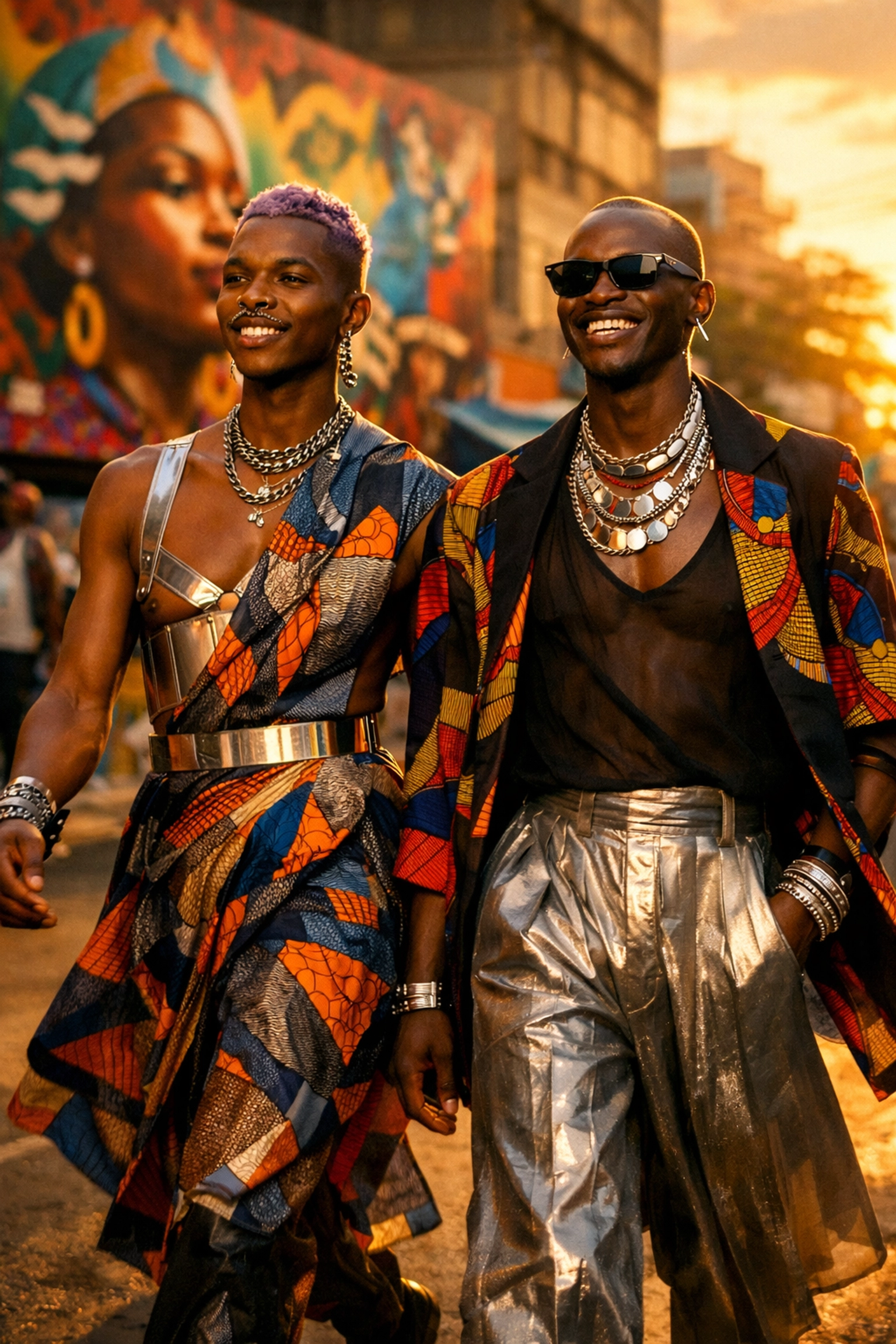
In Nairobi, fashion is armor. You can see it in the way the city’s queer youth use gender-fluid styles to navigate the world. Organizations like Bold Network Africa, founded by Makena Njeri, have become central hubs for this kind of expression. Njeri, a former actor and producer, has used their platform to advocate for visibility, proving that the way we dress is often our first point of protest.
From the bold hairstyles of rapper Noti Flow to the avant-garde designs coming out of underground Nairobi fashion houses, the message is clear: we are here, and we look damn good. This high-fashion resistance reminds us of the "enemies to lovers" tension found in the best MM romance books: the clash between societal expectations and individual desire, played out on a public stage.
Why Art Matters More Than Ever in 2026
You might wonder why we’re talking about art when there are still significant legal battles to be won. The truth is, art often gets to the finish line before the law does. Before a person changes their mind about a law, they often have their heart opened by a song, a painting, or a story.
This is why we do what we do at Read with Pride. Whether it’s through gay literature, MM historical romance, or a blog post about Kenyan activists, storytelling is the most effective way to build empathy. In 2026, the digital bridge between a queer kid in rural Kenya and a gay book club in London is shorter than it’s ever been.
Kenyan creatives are using their platforms to show that being queer isn't a "Western import": a common harmful narrative used against the community: but a fundamental part of African history and its future. They are reclaiming ancient traditions, like the kangas, and mixing them with modern sensibilities to create something entirely new.
Real Life vs. The Trope
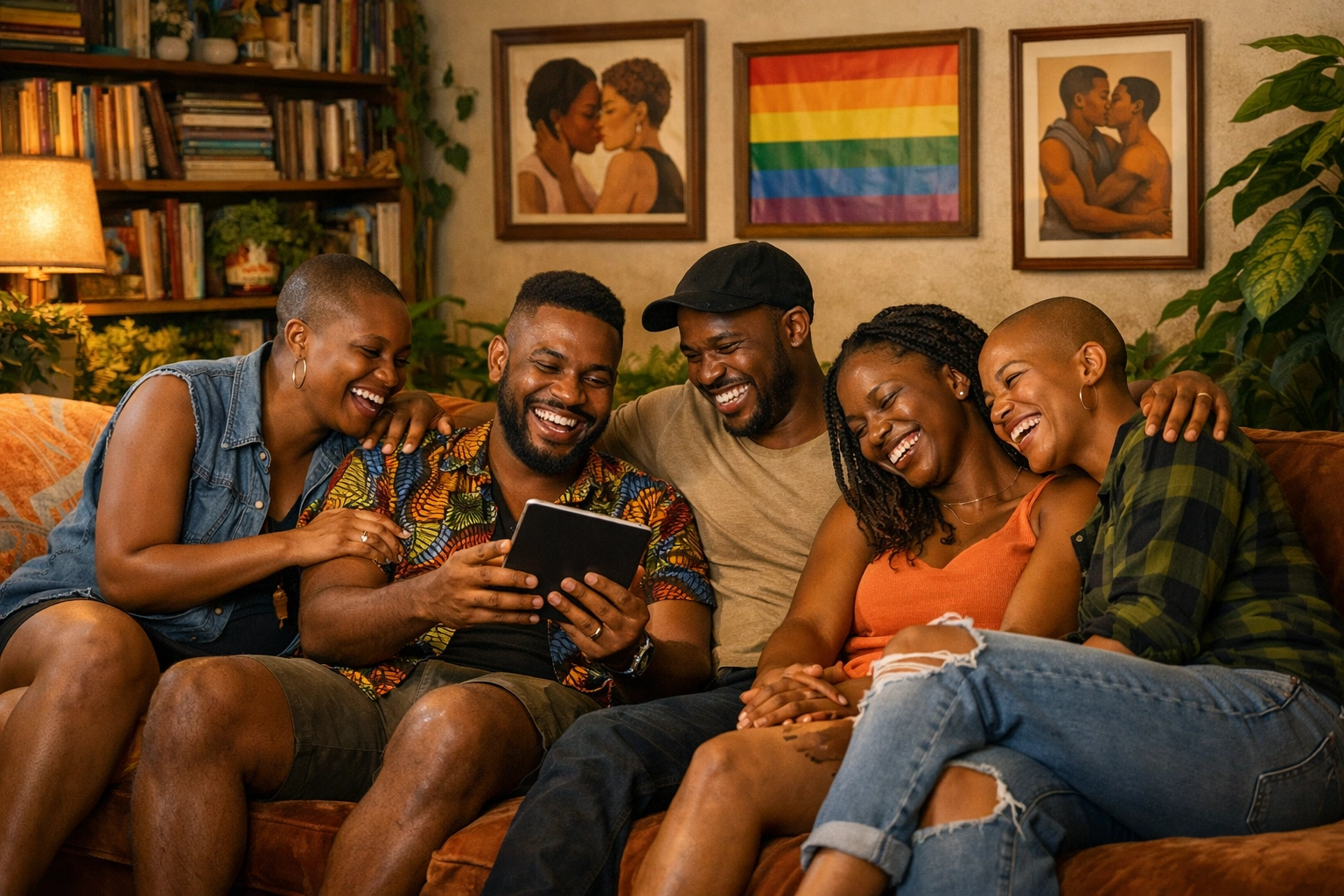
In the world of MM romance books, we love a good "found family" trope. We love seeing characters who have been rejected by their biological families find a group of friends who become their world. In Nairobi, this isn't just a trope; it’s a survival strategy.
The creative collectives in Kenya function as these found families. They provide the "quiet intimacy" we see in M/M books, offering safe spaces where artists can create without the fear of the "gaze" of a judgmental society. When you support queer art from Kenya: whether it’s following a photographer on Instagram or listening to a queer Kenyan playlist: you are participating in that found family.
How to Support the Narrative
If you’re looking to dive deeper into these stories, or if you’re looking for your next favorite gay love story that captures this kind of spirit, here’s how you can engage:
- Follow the Trailblazers: Look up the TRTL project, follow Bold Network Africa, and stream music by Chimano and Grammo Suspect.
- Read Widely: Check out queer fiction and gay novels that explore the African diaspora. The intersection of culture and identity is where the most compelling stories live.
- Share the Joy: The narrative of "the suffering queer African" is tired. While the struggles are real, the joy is equally real. Share the art that celebrates that joy.
Building a Global Queer Library
At Readwithpride.com, we are committed to being more than just a place to find top LGBTQ+ books. We want to be a hub for the global queer experience. From the MM fantasy epics that take us to other worlds to the historical accounts of gay life in Africa before colonization, every story matters.
The creatives in Kenya are proving that you don't need permission to tell your story. You don't need a law to change before you start painting your truth. They are rewriting the narrative one kanga, one verse, and one outfit at a time. And honestly? It’s the most beautiful thing we’ve seen all year.
Stay proud, keep reading, and never stop supporting the artists who make the world a little more colorful for all of us.
For more deep dives into queer culture and the best new gay releases of 2026, keep it locked here at Read with Pride.
Explore more at Read with Pride:
- Find your next favorite read in our store
- Check out our latest gay romance recommendations
- Browse our curated categories
Follow the Movement:
#ReadWithPride #QueerArtKenya #LGBTQBooks #MMRomance #GayFiction2026 #NairobiCreatives #GayLoveStories #QueerResistance #ReadWithPride2026

Leave a Reply
You must be logged in to post a comment.