

readwithpride.com
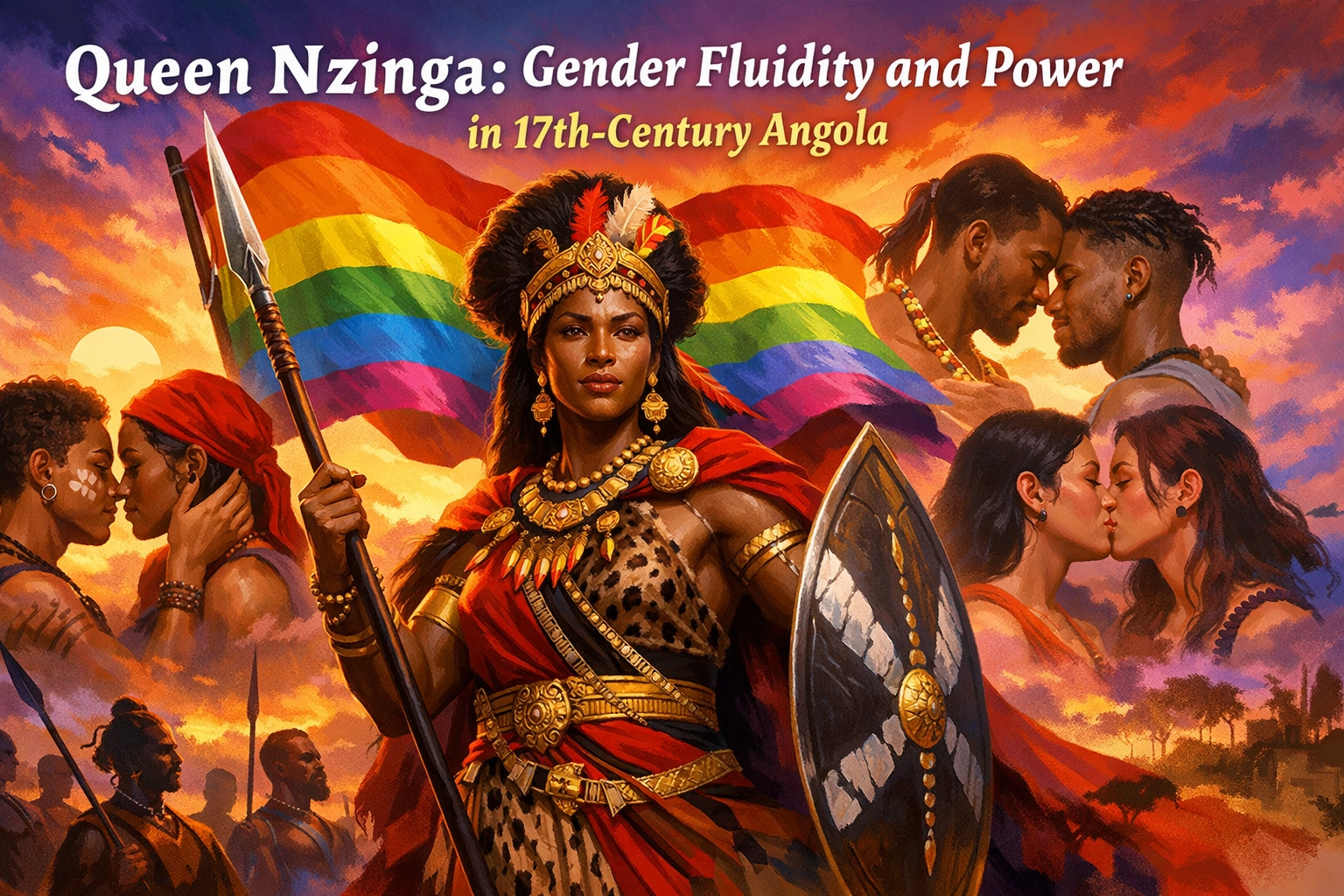
If you’ve ever been told that being LGBTQ+ is a "Western import" or that gender fluidity is a modern trend, honey, have I got a story for you. We’re traveling back to 17th-century Angola to meet one of the most badass, gender-bending, colonial-defying rulers in human history: Queen Nzinga of Ndongo and Matamba.
At Read with Pride, we’re obsessed with uncovering the hidden layers of our history. Whether it’s through gay historical romance or deep dives into the archives, knowing that our community has always existed: and often in positions of incredible power: is vital. Nzinga wasn't just a ruler; she was a master of political theater who used gender as a tool to dismantle the status quo and keep the Portuguese empire at bay for decades.
Who Was Nzinga?
Born around 1583, Nzinga Mbande grew up in a world of constant conflict. The Portuguese were encroaching on the Ndongo Kingdom (modern-day Angola), looking for land, resources, and people to enslave. Nzinga wasn't about to let that happen. She was brilliant, athletic, and possessed a diplomatic mind that could run circles around European governors.
But there was a catch. The Mbundu people, whom she sought to lead, had a pretty strict rule: only men could be the Ngola (King). When her brother died and she took the reins, Nzinga didn't just ask for an exception to the rule: she rewrote the entire script.
"Call Me King": The Ultimate Power Move
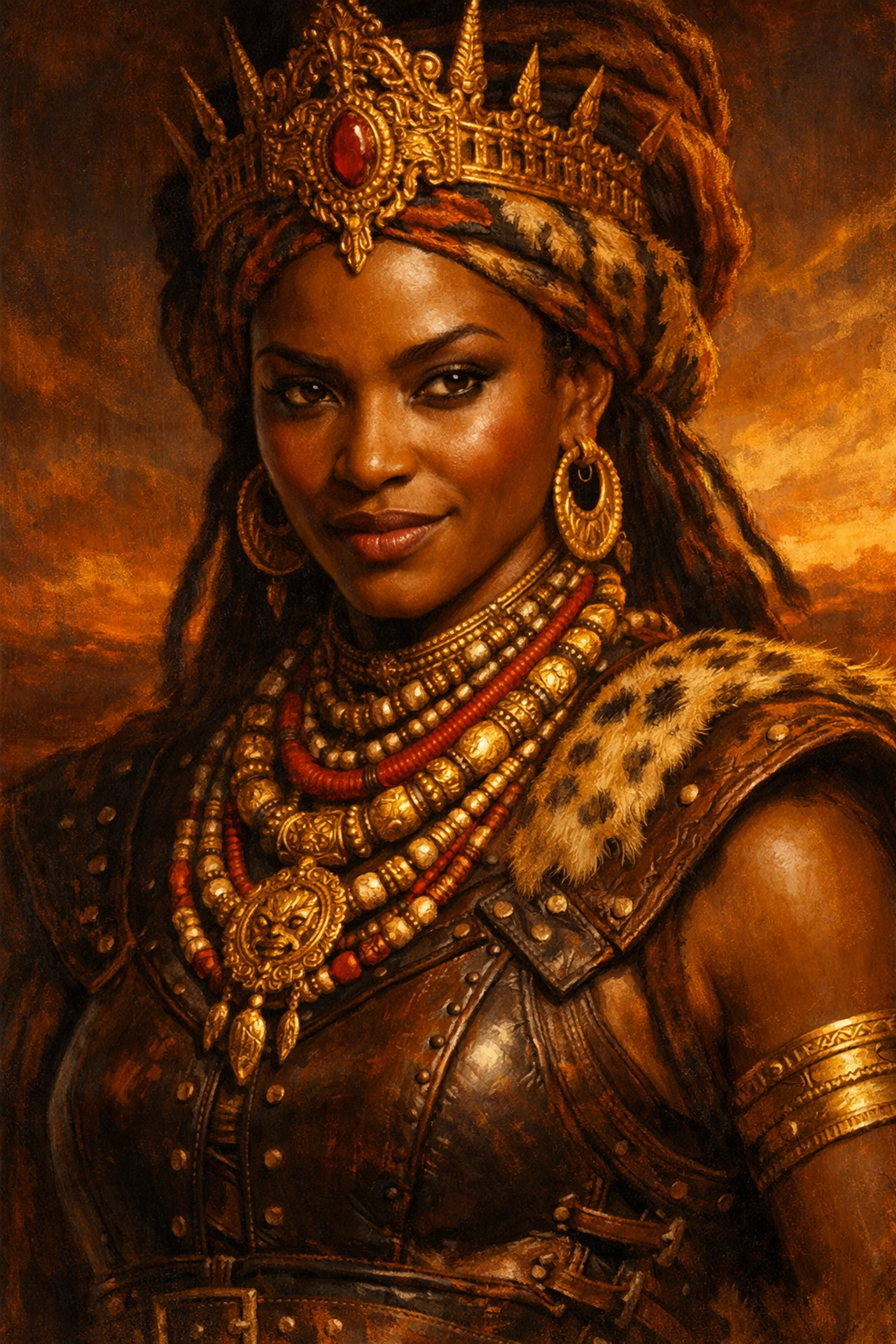
Nzinga knew that to hold onto power and lead her armies against the Portuguese, she needed the absolute respect of her subjects and her enemies. Since the tradition dictated that a King must rule, Nzinga simply became the King.
She shed the traditional expectations of femininity of her time. She discarded women's clothing, donned male military attire, and insisted on being addressed as Ngola. This wasn't just a costume change; it was a total reclamation of identity. In our world of queer fiction and MM novels, we often see characters struggling to fit into the boxes society builds for them. Nzinga didn't try to fit in the box; she crushed it under her heel.
The Harem of Men: Subverting the Narrative
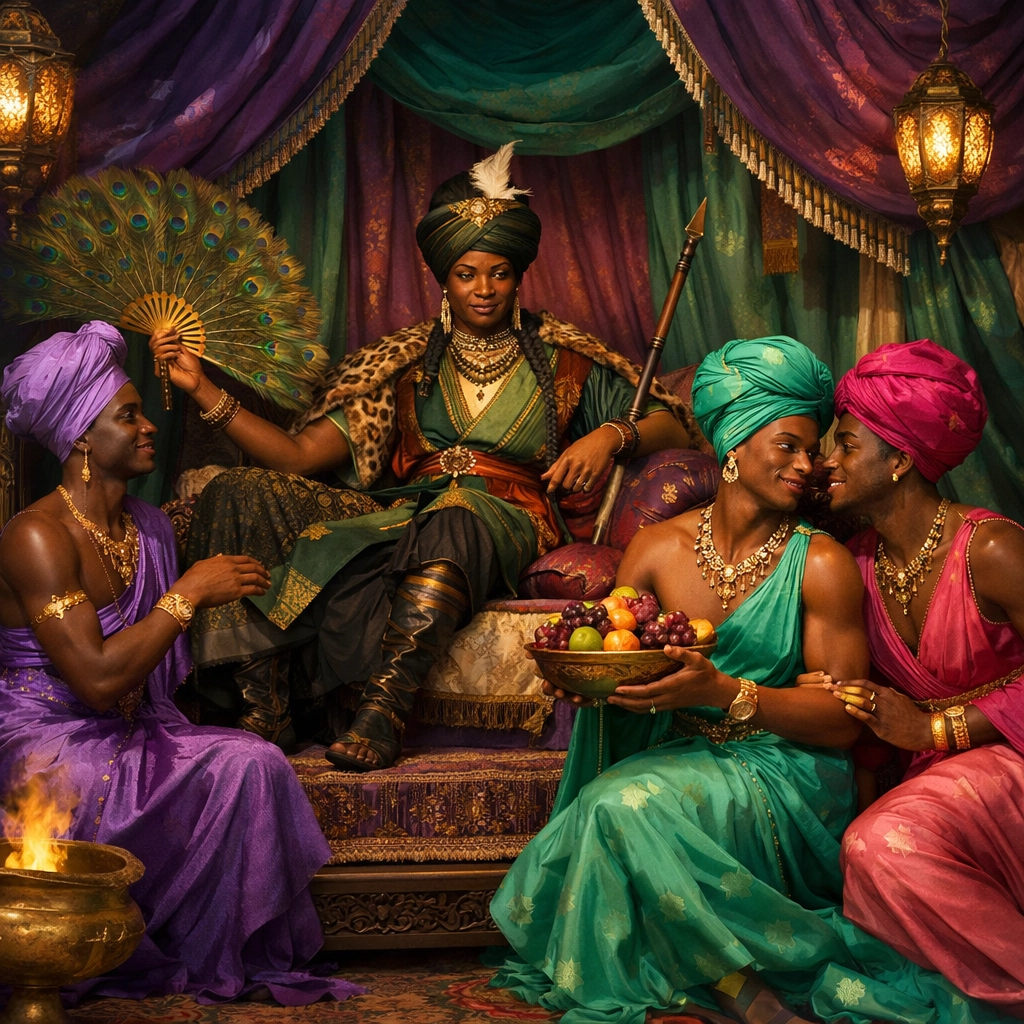
Perhaps the most legendary aspect of Nzinga’s reign was her "harem." In a move that would make even the most daring gay romance books look tame, Nzinga surrounded herself with a group of young men who served as her "wives."
These men, known as chibados, were required to dress in women’s clothing, perform roles traditionally assigned to women, and sleep among her other female attendants. Nzinga, the King, would then choose from her "concubines" as she pleased. This wasn't just about personal preference; it was a calculated display of dominance. By reversing the traditional gender roles of a royal court, she signaled to everyone: from local rivals to Portuguese generals: that she held absolute authority over gender, sex, and the state.
Imagine the sheer audacity of it. In a 17th-century context, she was performing a high-stakes version of gender fluidity that secured her place on the throne for nearly 40 years. For those of us who love a good MM historical romance, Nzinga’s court offers a fascinating glimpse into how different cultures perceived and utilized gender before colonial Victorian morals tried to erase them.
Negotiating on Her Own Terms
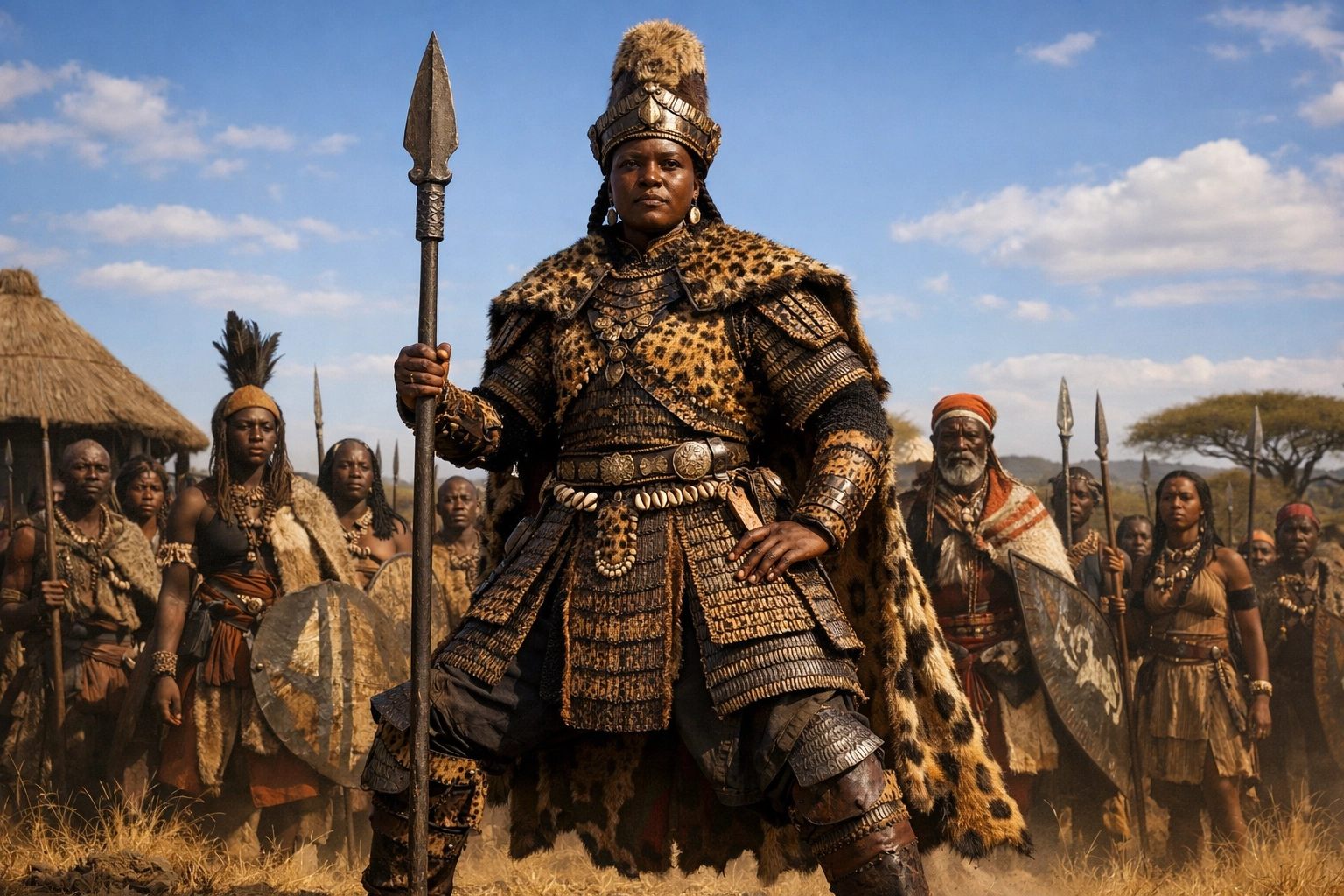
One of the most famous stories about Nzinga involves a meeting with the Portuguese Governor, João Correia de Sousa. When she arrived for the peace talks, the Governor had provided a chair for himself but only a floor mat for Nzinga: a clear attempt to make her look like an inferior subject rather than a fellow sovereign.
Nzinga didn't miss a beat. She signaled to one of her attendants, who immediately dropped to all fours to create a human chair. Nzinga sat on the attendant’s back, looking the Governor directly in the eye, and negotiated as an equal. After the meeting, she reportedly had the attendant killed or replaced, signifying that she was so powerful she didn't need the same "chair" twice. It was cold, it was tactical, and it was a boss move that solidified her legend.
Decolonizing Our History
The story of Queen Nzinga is more than just a cool history lesson. It’s a direct challenge to the narrative that LGBTQ+ identities are alien to the African continent. Before the spread of colonial laws that criminalized "unnatural acts," many African societies had complex understandings of gender. From the chibados of Angola to the woman-to-woman marriages in various West African cultures, gender was often fluid, situational, and tied to spiritual or political power.
When we read gay literature or browse for top LGBTQ+ books, we are part of a long tradition of reclaiming our narratives. Nzinga’s life reminds us that we have always been the kings, the queens, and everything in between.
Why Nzinga Matters to Queer Readers in 2026
In 2026, as we continue to fight for visibility and rights globally, looking back at figures like Nzinga provides a sense of grounding. She wasn't a victim; she was a conqueror. She didn't ask for permission to be herself; she forced the world to acknowledge her on her own terms.
Her story fits perfectly alongside the themes we love in MM contemporary and gay fantasy romance: themes of identity, defiance, and the struggle to protect what you love. If you’re looking for gay book recommendations that feature strong, complex leaders, Nzinga’s historical accounts are a must-read.
At Readwithpride.com, we believe that every story matters. From the best MM romance of the year to the ancient histories of Angola, we are here to celebrate the full spectrum of the queer experience.
Join the Conversation
Have you heard of Queen Nzinga before? Does her story change how you think about "traditional" gender roles? We’d love to hear your thoughts!
If you’re hungry for more stories of powerful queer figures or just want to get lost in a great gay love story, check out our latest releases and curated lists. We’ve got everything from steamy MM romance to emotional MM books that will stay with you long after the final page.
Don't forget to follow us on our socials to stay updated on new releases and more hidden history dives!
🔗 Follow us here:
- Facebook: Read with Pride
- Twitter/X: @Read_With_Pride
- Instagram: @read.withpride
Keywords to explore on our site:
Read with pride, LGBTQ+ ebooks, gay books, MM romance, gay romance, M/M books, queer fiction, gay fiction, gay novels, gay love stories, MM novels, LGBTQ+ fiction, gay literature, MM fiction, gay romance books, MM romance books, gay romantic fiction, LGBTQ+ romance, gay historical romance, MM historical romance.
Final Thoughts
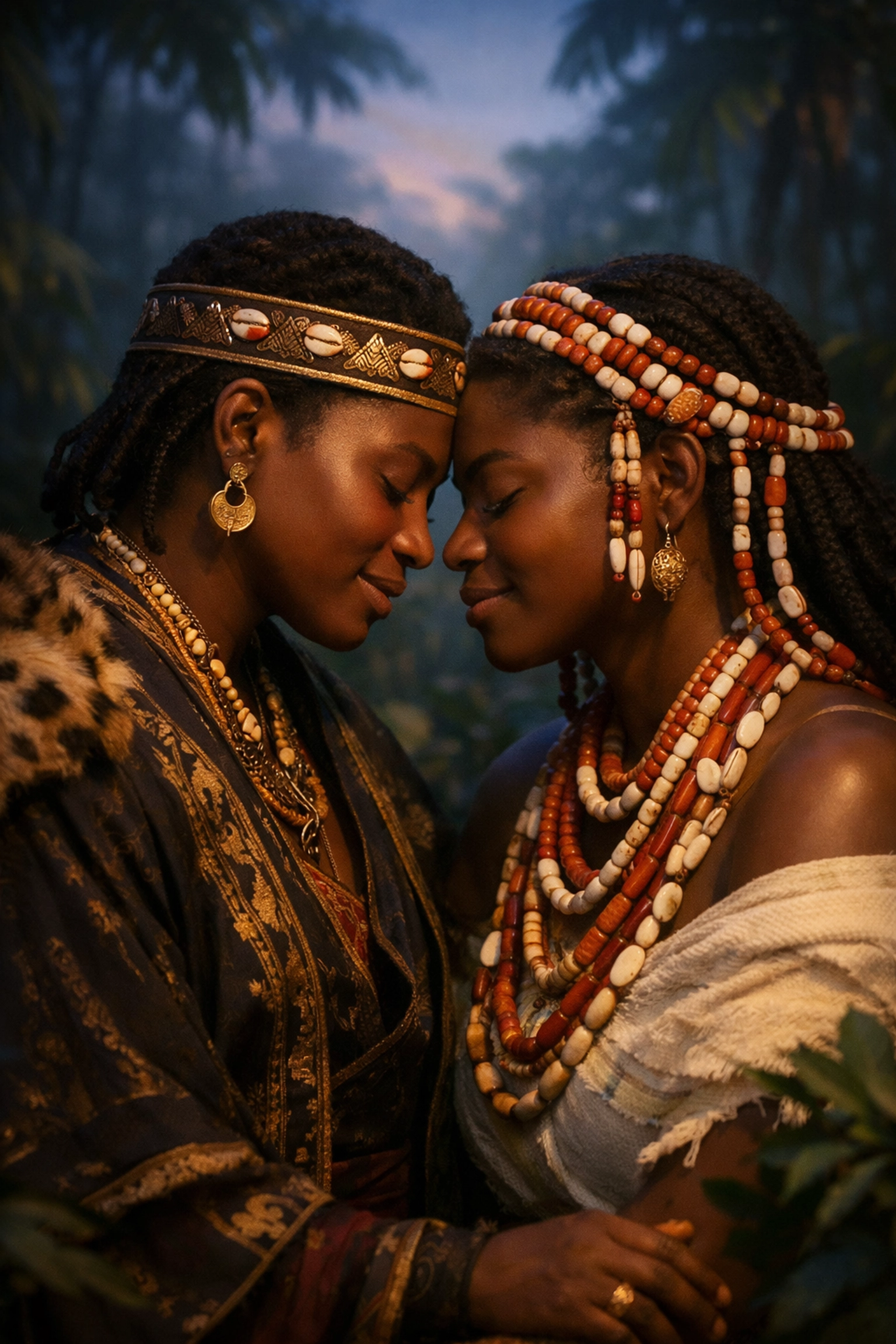
Queen Nzinga died at the age of 81, having successfully defended her people and established a legacy that still inspires Angolans today. She was a warrior, a diplomat, and a King who lived life entirely by her own rules. As we continue to build our own community and share our own gay romance novels, let's carry a bit of Nzinga’s fire with us.
Whether you’re looking for 2026 gay books or diving into the classics, remember that our history is rich, it is diverse, and it is powerful. Stay proud, keep reading, and never let anyone tell you who you’re supposed to be.
Visit us at readwithpride.com for more.
#QueerHistory #QueenNzinga #AfricanHistory #LGBTQBooks #ReadWithPride #MMRomance #GenderFluidity #GayHistoricalRomance #DecolonizeHistory #GayReads2026

Leave a Reply
You must be logged in to post a comment.