

readwithpride.com
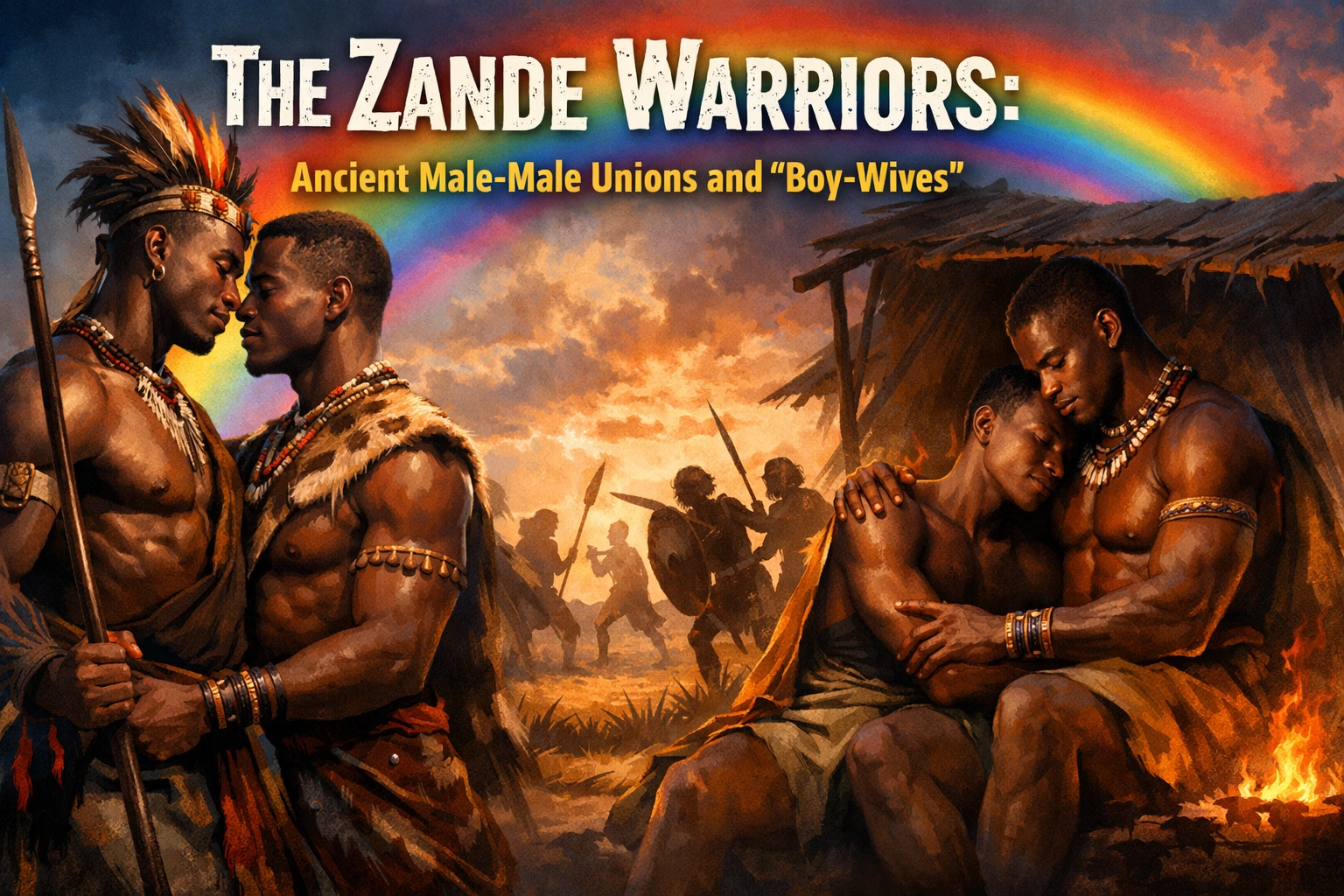
When we talk about gay historical romance, our minds often drift to the cobblestone streets of Victorian London or the marble temples of Ancient Greece. But if you’re looking for some of the most fascinating, structured, and culturally integrated male-male unions in history, you have to look toward the heart of Africa. Specifically, the Zande people (also known as the Azande) of what is now South Sudan, the Central African Republic, and the Democratic Republic of the Congo.
At Read with Pride, we’re obsessed with uncovering the stories that history books tried to straight-wash. Today, we’re diving into the world of Zande warriors and their "boy-wives": a practice that turns everything we thought we knew about traditional gender roles and gay love stories on its head. If you thought the "mentor/protege" trope in your favorite MM romance books was intense, wait until you see how the Azande did it in real life.
Who Were the Azande?
To understand these unions, you first have to understand the Azande. Historically, they were a powerful, expansionist warrior society. Their culture was deeply hierarchical, centered around royalty, noble lineages, and a highly organized military. In the 18th and 19th centuries, the Azande were the "Spartans of Africa."
But unlike the Spartans, whose male-male relationships are often debated by historians who want to call them "just friends," the Zande practices were documented with surprising clarity. Anthropologists like E.E. Evans-Pritchard, who studied the Azande in the early 20th century, found a society where men marrying other men wasn't just a "phase": it was a social institution.
The Mechanics of the 'Boy-Wife' Union
In Zande warrior culture, young men who hadn't yet reached the status of a fully independent householder or warrior would often enter into a formal union with an established warrior. These younger men were known as bagaze (boy-wives).
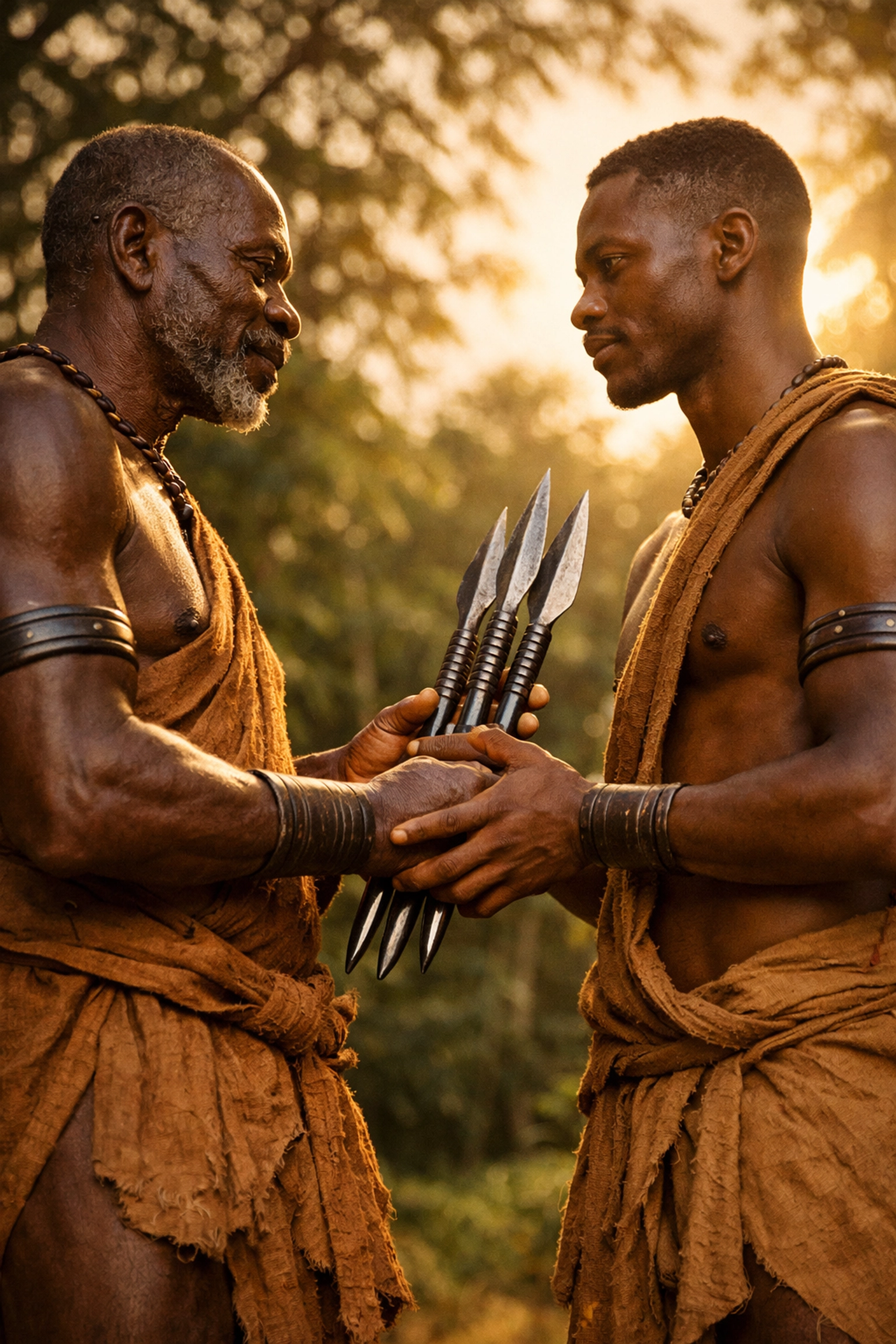
This wasn't a hidden affair whispered about in the shadows of the barracks. It was a legitimate marriage. The warrior would pay a "bride-price": usually in the form of spears: to the boy’s parents, just as he would for a female wife. This legal transaction meant the union was recognized by the community and protected by Zande law.
For the young man, becoming a boy-wife was often a step toward social mobility. He would perform domestic duties for the warrior: fetching water, preparing food, and maintaining the household: while also accompanying the warrior on hunts and into battle. In exchange, the warrior provided protection, shared his wealth, and mentored the younger man in the ways of war and Zande tradition.
More Than Just "Domestic Help"
Let’s be real: when we read MM historical romance, we’re looking for that spark of connection. Was there love in these Zande unions? While it’s hard to project modern concepts of "romantic love" onto 19th-century African warrior culture, Evans-Pritchard’s accounts suggest a deep level of intimacy.
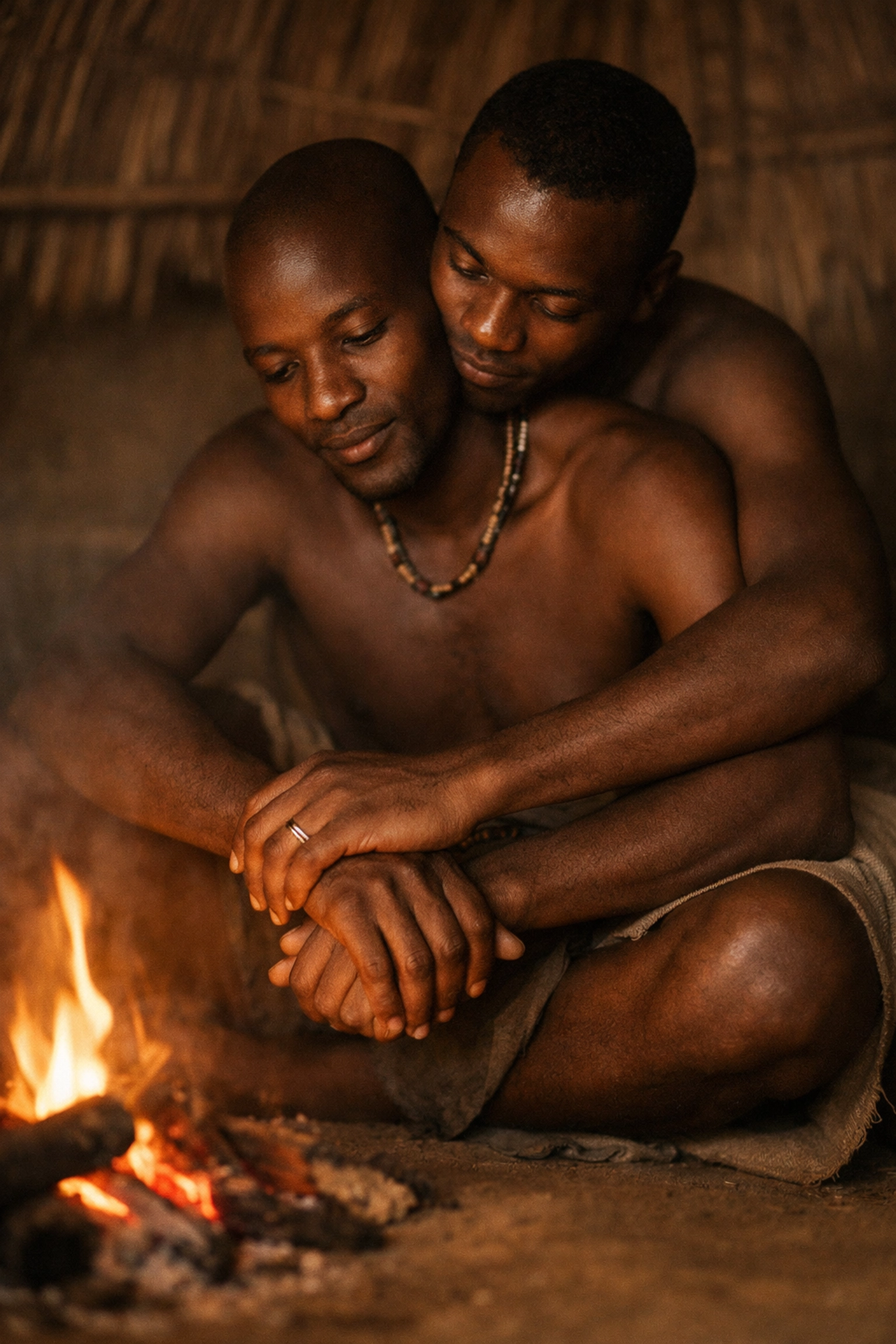
The warriors and their boy-wives shared a bed, and the sexual nature of their relationship was an accepted part of the arrangement. In fact, these unions were often seen as a practical and even prestigious way to manage life in military camps where female presence was limited.
What makes this truly unique in the world of queer fiction and history is that these relationships weren't seen as a replacement for "heterosexuality." Many warriors had both male and female wives simultaneously, or they would move through different stages of life where they transitioned from being a boy-wife to a warrior with their own boy-wife, and eventually to a household head with multiple female wives. It was a fluid, functional, and culturally celebrated spectrum of identity.
The Shield-Brother Trope in Real Life
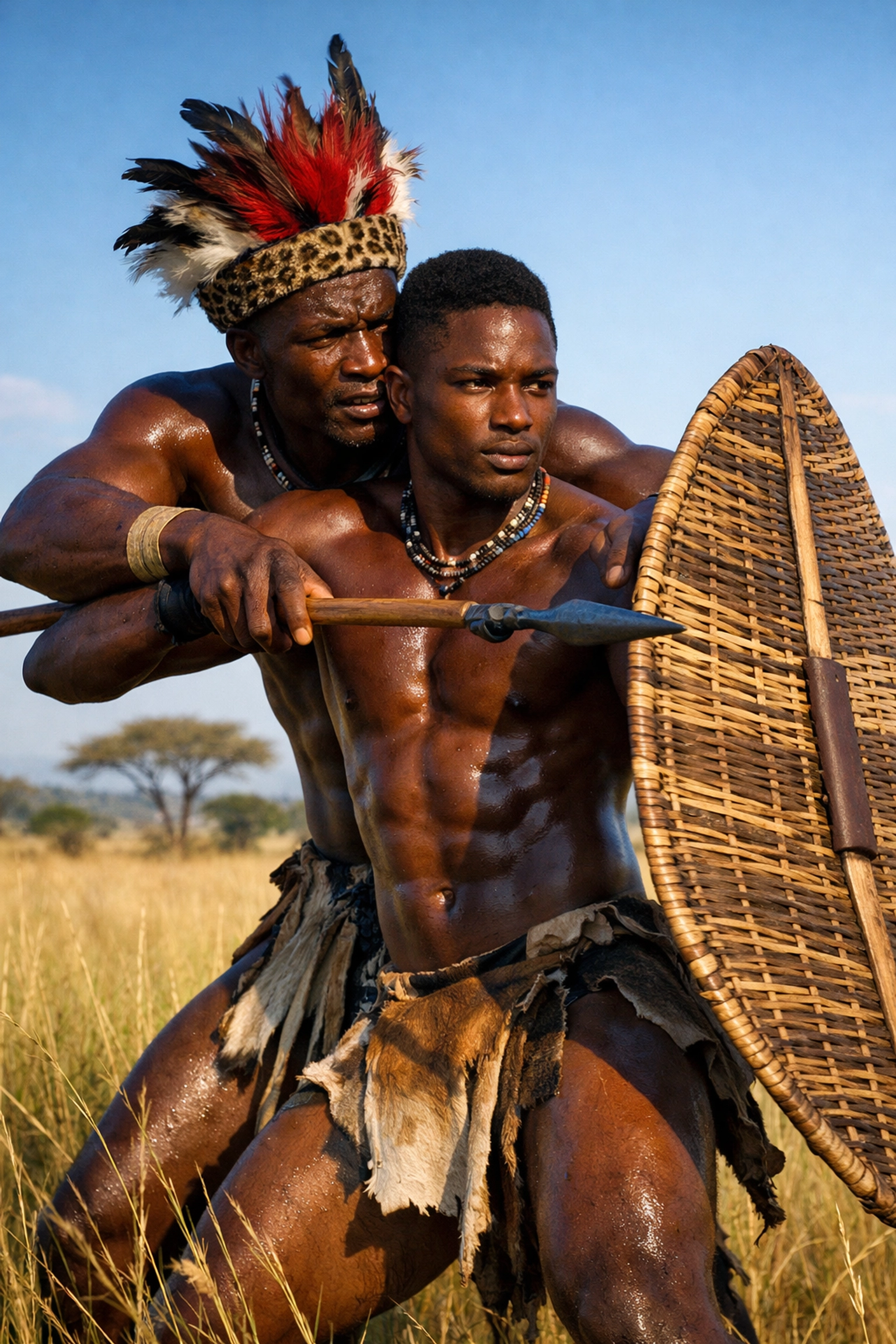
If you’re a fan of the "shield-brother" or "brothers-in-arms" tropes in gay romance novels, the Zande warriors are the ultimate real-world inspiration. Imagine a young recruit learning the art of the spear from a seasoned veteran, the two of them bound by a legal contract of marriage, sharing their lives on the front lines.
The intimacy of these relationships went beyond the physical. The warrior was responsible for the boy’s education and social standing. When the boy grew up and reached the age of a warrior himself, the marriage usually ended amicably. The older warrior would often help his former "wife" pay the bride-price for a female wife, or even help him find his own boy-wife to mentor. It was a cycle of masculinity, mentorship, and intimacy that kept the social fabric of the Azande strong.
Colonialism and the Erasure of African Queerness
So, why don’t we hear about the Zande warriors more often? Why isn't this a staple of gay literature?
The answer, as is so often the case, is colonialism. When European powers began to colonize Central Africa in the late 19th and early 20th centuries, they brought with them rigid Victorian morals and Christian missionary zeal. To the colonizers, the Zande "boy-wives" were an "abomination" that needed to be erased.
Through legal bans, religious indoctrination, and social shaming, the practice was forced underground and eventually largely abandoned. This erasure has led to the false narrative that "homosexuality is un-African." But the history of the Azande proves that queer identities and same-sex unions are as African as the soil itself.
At Read with Pride, we believe that reclaiming these histories is vital for the LGBTQ+ community today. Knowing that our ancestors: from all corners of the globe: found ways to love, bond, and build lives together gives us a sense of belonging that no one can take away.
Why This Matters for Gay Romance in 2026
As we look at the new gay releases of 2026, there is a growing hunger for diverse historical settings. We’ve had a million Regency romances (and don’t get us wrong, we love a good Duke), but the world is ready for MM historical romance that explores pre-colonial Africa, ancient Asia, and Indigenous cultures.
The Zande story offers so much potential for gay authors and queer authors to explore themes of duty, power dynamics, and the evolution of love. It challenges the Western "binary" and shows that gender and sexuality have always been more complex than the history books let on.
If you’re looking for your next read, why not check out some MM romance books that push the boundaries of setting and culture? Our store is packed with stories that celebrate the many ways we love.
Finding Your Tribe
Whether you’re a fan of steamy MM romance, heartfelt gay fiction, or deep historical deep-dives, there’s a place for you here. The Zande warriors remind us that queer history isn't just a record of struggle: it’s a record of power, prestige, and community.
We want to hear from you! Have you ever heard of the Zande warriors? What’s your favorite "warrior romance" trope? Drop a comment on our social media or join the conversation in our gay book club.
Stay curious, stay proud, and keep reading!

Explore more with Read with Pride:
- Check out our latest LGBTQ+ ebooks: readwithpride.com
- Browse our MM romance recommendations: Product Sitemap
- Follow us on Facebook: Read with Pride FB
- Catch us on X: @Read_With_Pride
- See our aesthetic on Insta: @read.withpride
#ReadWithPride #MMRomance #GayHistory #ZandeWarriors #QueerHistory #LGBTQBooks #GayRomance2026 #HistoricalMM #AfricanHistory #GayFiction #BoyWives #WarriorRomance

Leave a Reply
You must be logged in to post a comment.