

readwithpride.com
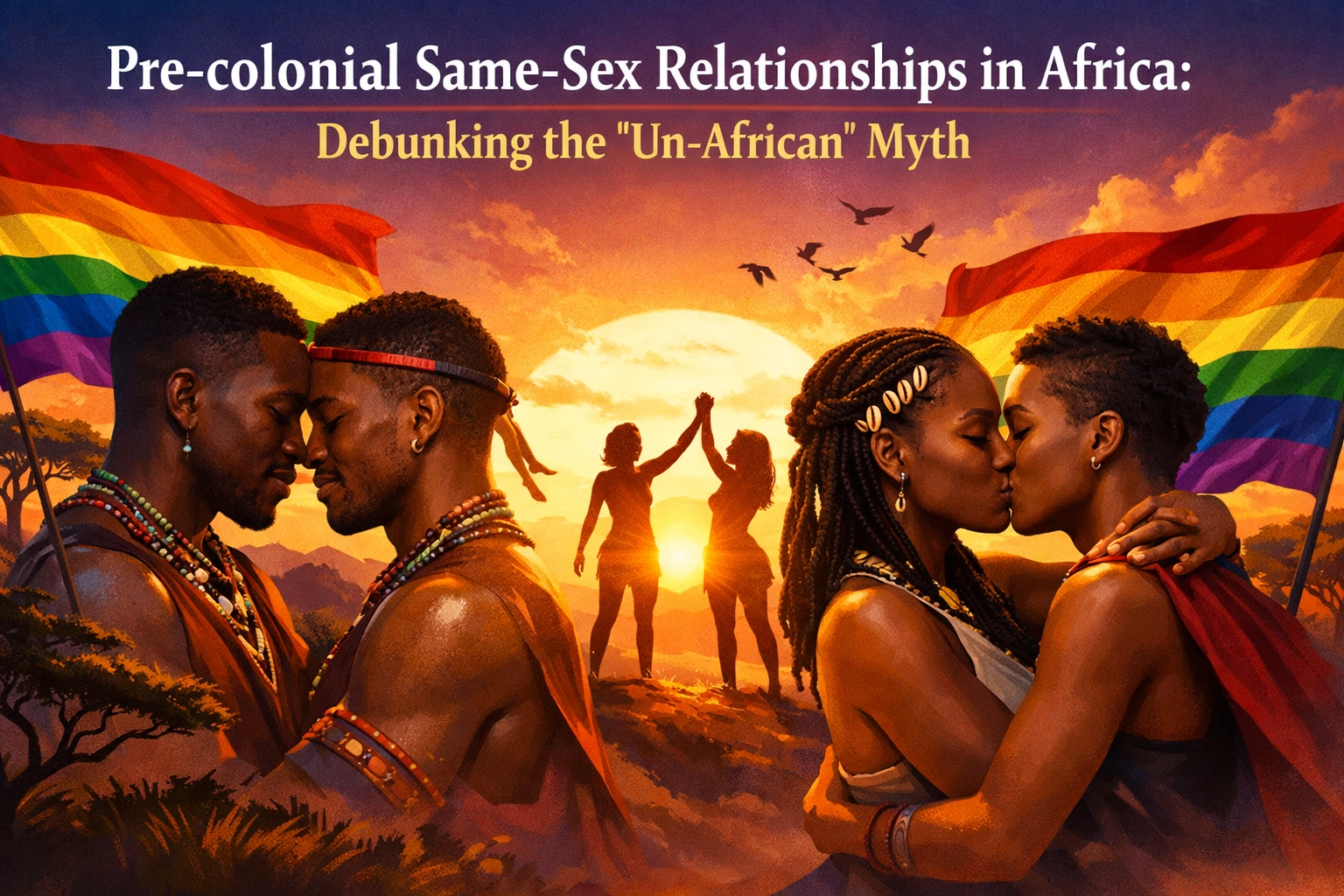
Let’s get one thing straight (well, as straight as we get around here): the idea that being LGBTQ+ is "un-African" is one of the biggest historical gaslighting campaigns ever staged. If you’ve spent any time scrolling through the Read with Pride archives, you know we live for a good gay historical romance, but the real-life history of the African continent is often more fascinating: and more queer: than any MM romance books on our nightstands.
For decades, political and religious leaders across various African nations have claimed that same-sex love is a "Western import." But if we look at the actual receipts: the rock art, the tomb inscriptions, and the oral traditions: the truth is the exact opposite. Homosexuality wasn't imported to Africa; homophobia was.
As we dive into the pre-colonial history of the continent, it’s time to debunk the myth and reclaim a heritage that is as diverse as the rainbow flag itself.
The Ancient Receipts: From Tombs to Rock Art
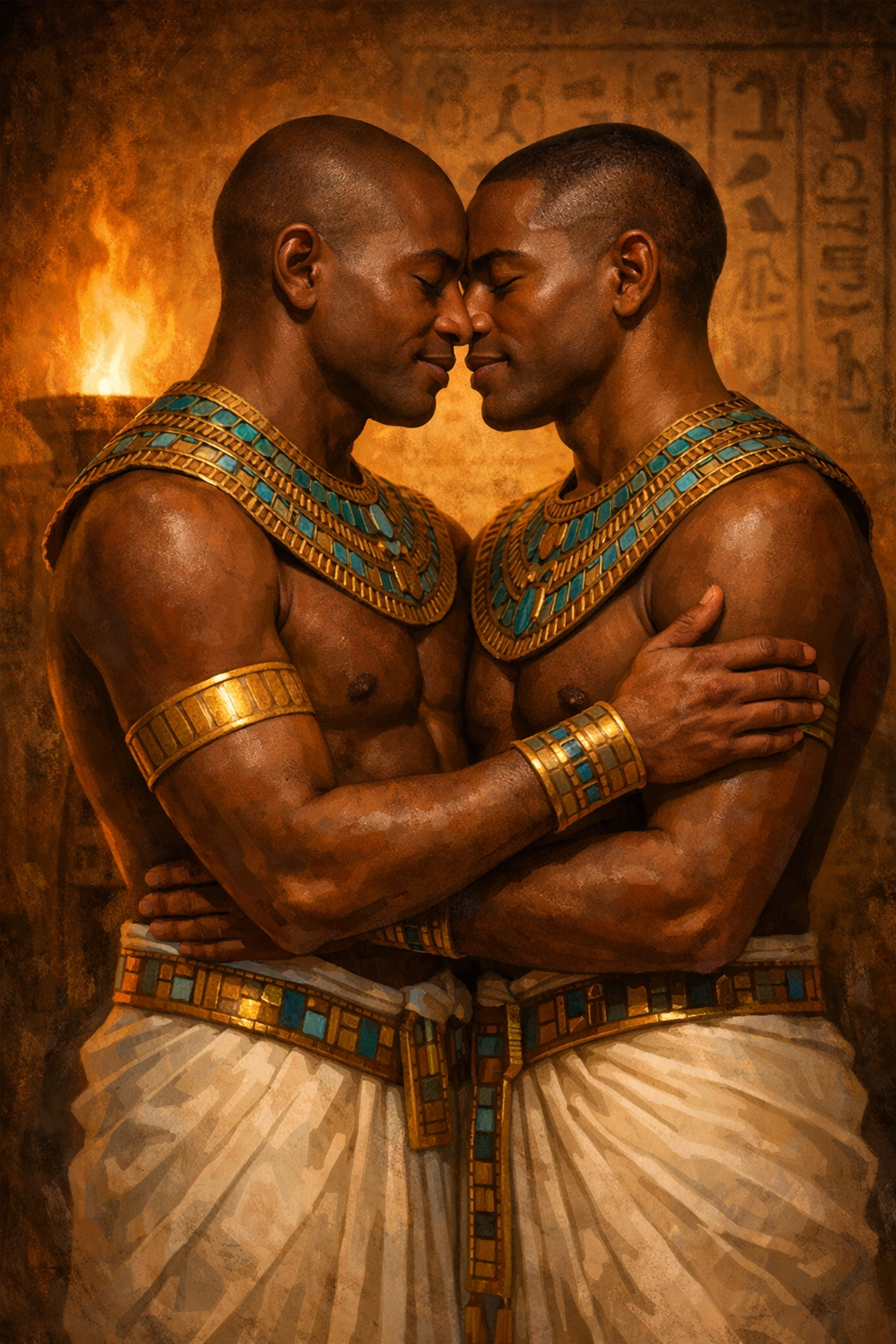
Long before the first European ship ever sighted the African coast, queer life was already written in stone. Literally. If you head back to 2400 BCE in Ancient Egypt, you’ll find the tomb of Niankhkhnum and Khnumhotep. These two men were royal manicurists, and they were buried together in a way usually reserved for married couples. They are depicted nose-to-nose in an embrace of quiet intimacy that would make any fan of gay love stories swoon.
But it’s not just the Nile Valley. In present-day Zimbabwe, ancient rock paintings by the San people depict men engaged in sexual acts. These aren’t "accidental" sketches; they are records of lives lived thousands of years ago. These aren't Western influences: these are African ancestors living their best lives long before the word "homophobia" was even coined in English.
Institutionalized Same-Sex Marriage
When we talk about MM romance tropes like "marriage of convenience" or "soulmates," we often look at Regency England or Ancient Greece. But pre-colonial Africa had its own sophisticated structures for same-sex unions.
In more than 40 pre-colonial African societies, "woman-to-woman" marriage was a recognized social practice. In cultures like the Igbo in Nigeria or the Lovedu in South Africa, a woman could take a wife to secure kinship ties or inherit property. While these were often social and economic arrangements, they demonstrate a flexibility regarding gender and domesticity that the colonial "nuclear family" later tried to erase.
Then there are the Azande people of the northern Congo. In their warrior culture, it was common: and institutionalized: for older warriors to "marry" younger men who served as "boy-wives." The warriors paid a bride price to the boy’s family, just as they would for a female wife. These relationships involved protection, education, and sexual intimacy. It was a structured part of their society, proving that gay romance and M/M books aren't just modern inventions: they are ancient realities.
Gender as a Spectrum, Not a Cage
One of the most beautiful things about pre-colonial African cultures was the understanding of gender. Unlike the rigid "male/female" binary brought over by colonizers, many African societies saw gender as fluid or spiritual.
- The Dagaaba (Ghana): They didn't assign gender based on anatomy at birth. Instead, it was determined by the "energy" a person presented.
- The Yoruba and Igbo (Nigeria): Gender was often performative and based on societal roles rather than what was between your legs.
- The Hausa (Nigeria): The term yan dauda referred to men who took on feminine roles and were often "male wives."
- The Lugbara (DRC/Uganda): They have a history of transgender priests who lead spiritual ceremonies.
This fluidity allowed people to exist as their authentic selves without the shame that later laws would impose. If you're looking for gay historical romance that reflects this kind of deep, cultural soul, you know Read with Pride is the place to find it.
Queer Royalty: Kings and Queens Who Broke the Rules
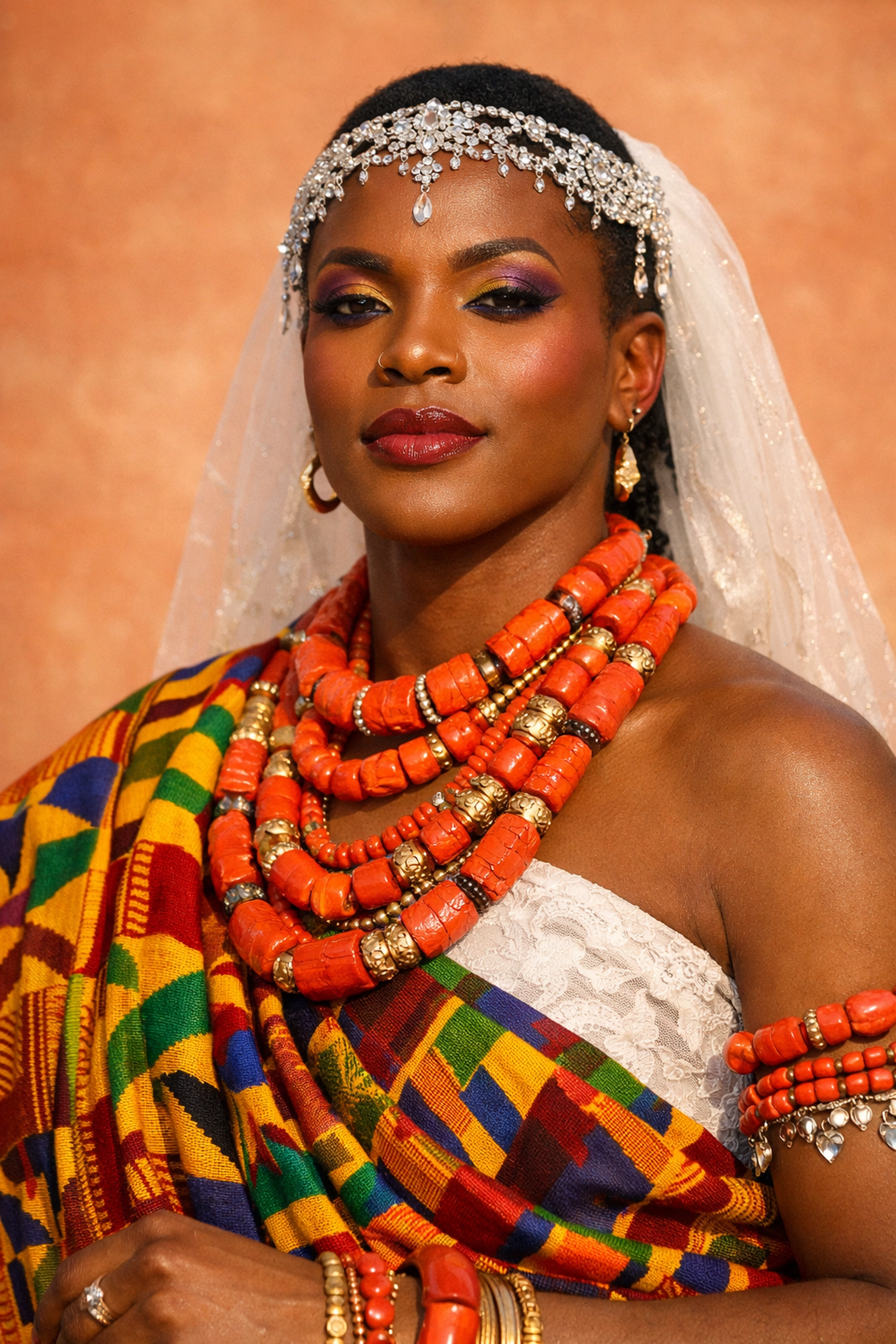
Nothing screams "it’s not un-African" louder than queer royalty.
Take Queen Njinga Mbanda of the Mbundu people (modern-day Angola). She was a powerhouse who fought off Portuguese colonizers for decades. She also refused to play by gender rules. She often dressed as a man, led her armies into battle, and kept a harem of men whom she dressed in women’s clothing. She was referred to as "King." Talk about a boss move.
Then there’s King Mwanga II of Buganda (modern-day Uganda). He was an openly gay monarch in the late 19th century. His resistance to British colonial rule was actually intertwined with his sexuality; he refused to submit to the Christian missionaries who tried to condemn his relationships with his male pages. Mwanga II wasn't "corrupted" by the West: he was fighting the West to protect his way of life.
The Real Import: How Colonialism Invented Homophobia
So, if queer life was so prevalent, where did all the hate come from? The answer is simple: colonial law and missionary zeal.
European powers: specifically the British, French, and Portuguese: brought with them legal codes that criminalized "acts against the order of nature." The 1860 Indian Penal Code (Section 377), which the British exported across their empire, became the blueprint for anti-gay laws in many African colonies.
Along with these laws came a specific brand of Victorian morality and Christian dogma that insisted on a strict, patriarchal gender binary. Indigenous African religions and social structures that tolerated or celebrated sexual diversity were labeled "savage" or "sinful."
Over time, this colonial brainwashing was so effective that many people forgot their own history. The irony is staggering: the very people claiming to protect "African values" by banning LGBTQ+ fiction or relationships are actually upholding the legacy of the colonizers who oppressed their ancestors.
Why Reclaiming This History Matters in 2026
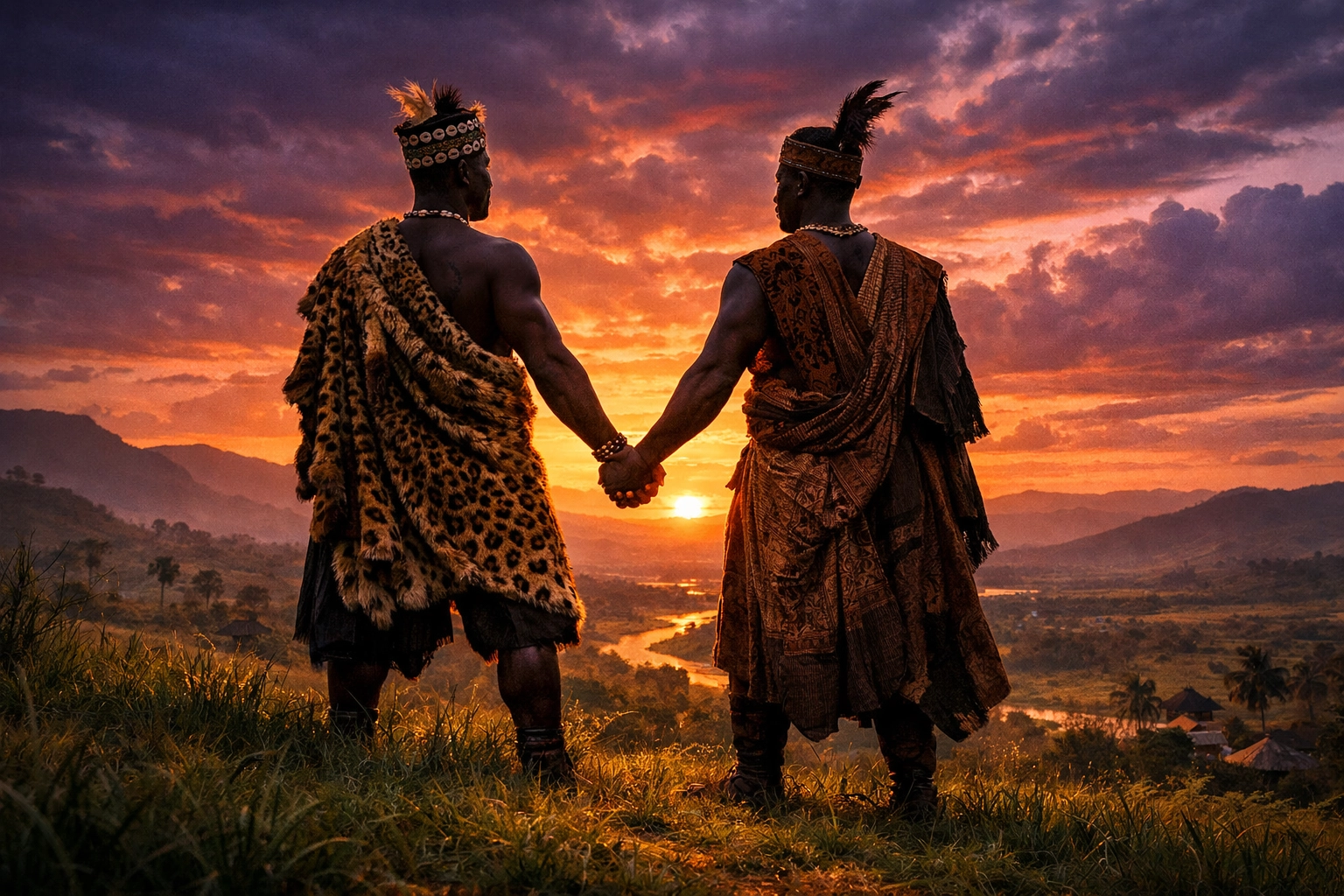
At Read with Pride, we believe that stories have the power to heal and transform. Whether it’s a steamy MM romance set in modern Lagos or a gay historical romance exploring the hidden lives of the Azande, queer literature allows us to see ourselves as part of a long, unbroken lineage.
When we read M/M books or support queer authors, we aren't just engaging in a hobby: we are participating in an act of decolonization. We are saying that our love is not a "Western import." It is a fundamental part of the human experience that has flourished on the African continent since the beginning of time.
If you’re looking for your next great read, check out our sitemap or browse through the Dick Ferguson collection for stories that celebrate authentic queer identity. From gay adventure romance to emotional MM books, we’ve got the representation you’ve been looking for.
Join the Conversation
The myth of the "un-African" queer identity is crumbling. As more historians, activists, and authors dig into the past, the rainbow history of Africa is coming back into the light.
What's your favorite piece of queer history? Have you found any MM romance books that capture these pre-colonial vibes? Let’s chat in the comments or over on our socials!
Stay authentic, stay proud, and keep reading.
🌈 Explore more at Readwithpride.com
Follow us for more queer history and book recs:
- Facebook: Read with Pride
- X (Twitter): @Read_With_Pride
- Instagram: @read.withpride
#ReadWithPride #LGBTQHistory #AfricanHistory #QueerAfrica #MMRomance #GayBooks #DecolonizeYourBookshelf #GayHistoricalRomance #2026GayBooks #QueerRepresentation

Leave a Reply
You must be logged in to post a comment.