

readwithpride.com
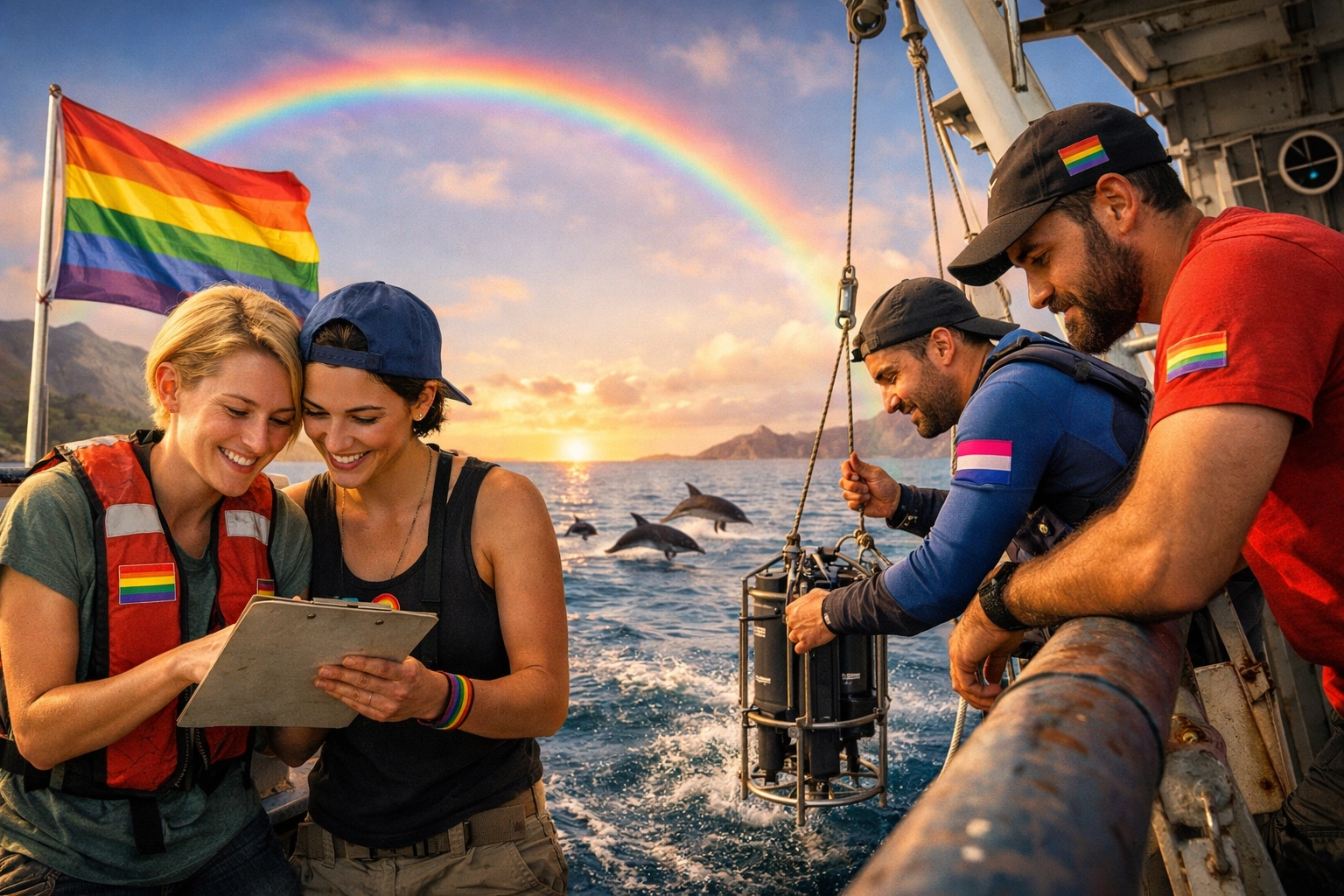
When we think about the deep blue sea, our minds often drift to the sweeping epics found in gay adventure romance novels: rugged sailors, mysterious shipwrecks, and maybe a brooding captain or two. But out there, beyond the horizon and beneath the waves, there’s a real-life cast of heroes who are just as inspiring as any character in our favorite MM romance books.
In 2026, the tide is turning. We aren't just looking at the ocean as a backdrop for gay love stories; we’re looking at it through the lens of the LGBTQ+ researchers who are literally saving the world. From the vibrant coral reefs to the freezing depths of the Antarctic, queer scientists are making waves in conservation, proving that diversity isn't just a buzzword: it’s the key to our planet’s survival.
At Read with Pride, we’re obsessed with stories that reflect the full spectrum of the human experience. Whether it's a gay historical romance set on a 19th-century clipper or a modern tale of a marine biologist finding love at a remote research station, visibility matters. Today, let’s dive deep into the lives of the queer scientists who are protecting our oceans.
The Pioneers Who Paved the Way
The history of marine science hasn't always been the most inclusive space, but that didn't stop queer trailblazers from leaving their mark. One of the most legendary figures in recent history was Dr. Ruth Gates. As a renowned coral reef ecologist and the Director of the Hawaiʻi Institute of Marine Biology, Dr. Gates was a powerhouse.
She wasn't just a scientist; she was a visionary. Her work focused on "super corals": the idea that we can help corals adapt to the rapidly warming oceans caused by climate change. She was openly queer and a fierce advocate for the reefs she loved. Her legacy continues to inspire a new generation of LGBTQ+ fiction writers and real-world scientists alike. When you read a gay contemporary romance featuring a brilliant, high-achieving scientist, you’re seeing a reflection of the excellence Dr. Gates brought to the field.
Making Waves: The New Guard of Queer Marine Biology
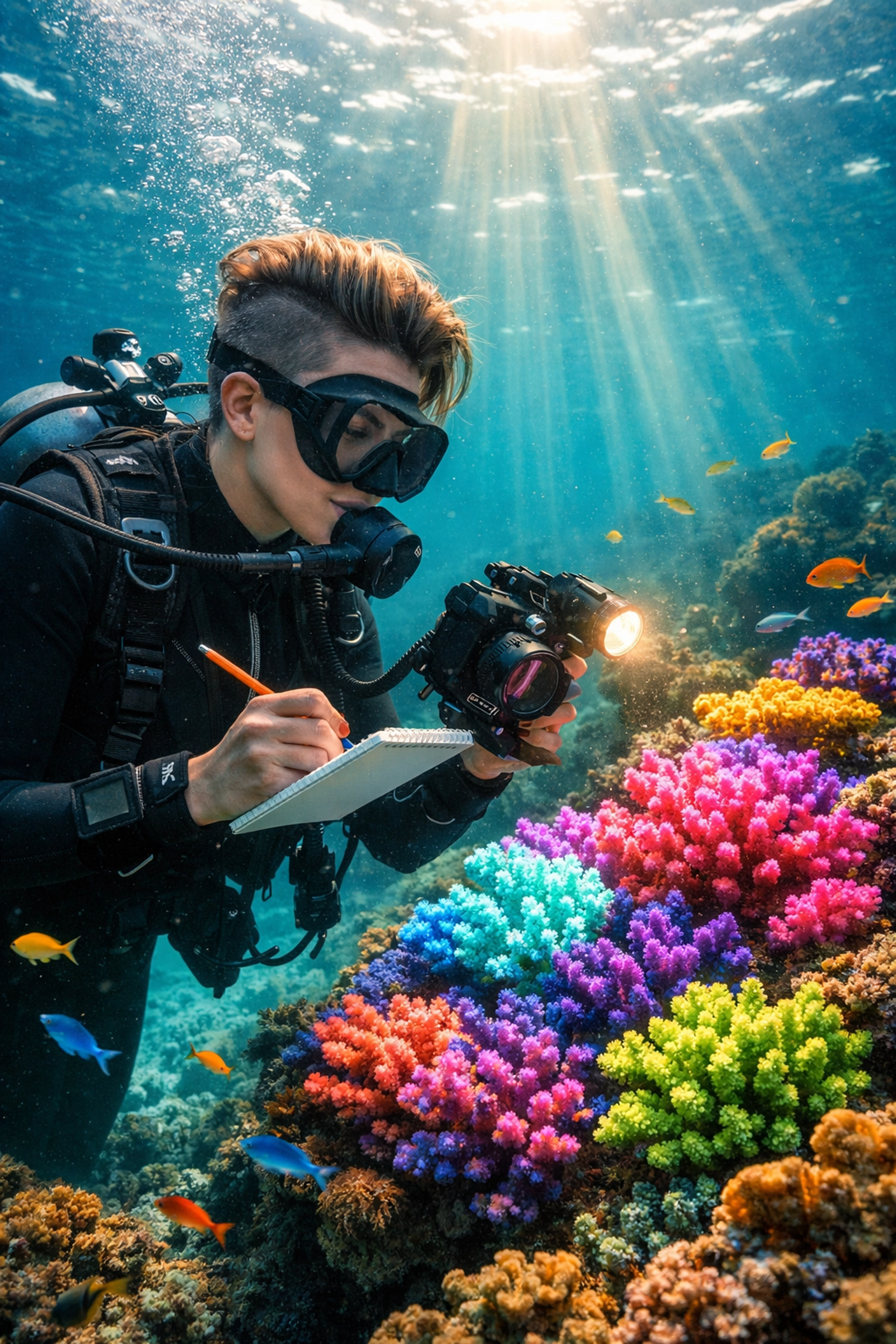
Today, the scientific community is becoming more vibrant than ever. Researchers like Dominique Koné (he/him) are at the forefront of protecting our coasts. As a marine ecologist at the California Ocean Science Trust, Dominique tackles the tough stuff: ocean acidification, microplastic pollution, and species reintroduction. His work ensures that the West Coast remains a sanctuary for sea life.
Then there’s Dr. Tiara Moore, who is basically a real-life superhero. Not only does she use environmental DNA to assess biodiversity, but she also founded Black in Marine Science. Her mission is to celebrate and inspire the next generation of Black marine scientists, creating a space where intersectionality is celebrated. In the world of MM romance books, we often look for stories that tackle complex identities, and Dr. Moore’s real-life work is a testament to why that representation is so vital in 2026.
Navigating Gender at Sea: Breaking Barriers
Let’s be real: living on a research vessel for weeks or months at a time is intense. It’s like the ultimate "forced proximity" trope you’d find in a steamy MM romance. But for trans and non-binary scientists, the challenges go far beyond small cabins and shared kitchens.
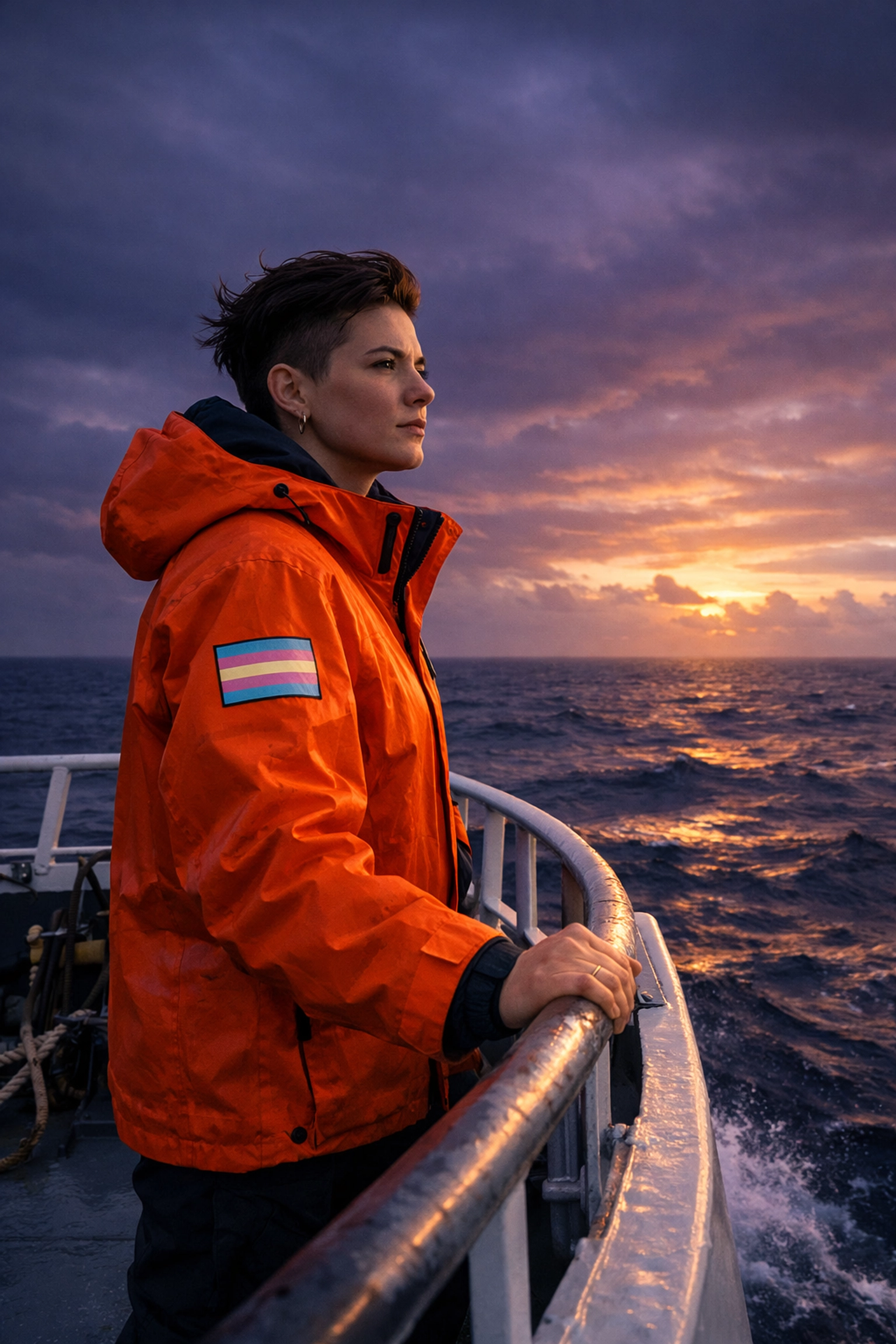
In August 2023, a group of transgender ocean scientists, including chemical oceanographer Arroyo, published a groundbreaking paper titled Navigating Gender at Sea. They documented the harassment and systemic obstacles trans people face during field research. This wasn't just a vent session; it was a call to action.
Because of their bravery, institutions like the Virginia Institute for Marine Science are now actively working to improve the experiences of trans researchers. This is the kind of "enemies to lovers" energy we need: turning a hostile environment into one where everyone can thrive. If you’re looking for 2026 gay books that feature trans protagonists in STEM, these real-life stories provide the perfect blueprint for authentic character development.
Speaking of character development, if you're a writer looking to avoid tropes, check out our guide on 7 mistakes you’re making with LGBTQ+ character development.
Visibility as a Conservation Tool
Why does it matter if your marine biologist is queer? Because science is better when it includes different perspectives. Leo Chan Gaskins (he/they), a community ecologist, has been a vocal advocate for policy changes that allow trans scientists to change their names invisibly on previous publications. This ensures that their scientific legacy isn't tied to a name that no longer represents them.
When queer scientists are visible, they become role models for the kid who loves the ocean but doesn't see themselves in the textbooks. They prove that you can be a world-class researcher and your authentic self. This visibility mirrors the growth of popular gay books and queer fiction: as we see more of ourselves on the page, we feel more empowered to take up space in the real world.
The Tropes We Love: From Lab Coats to Love Stories
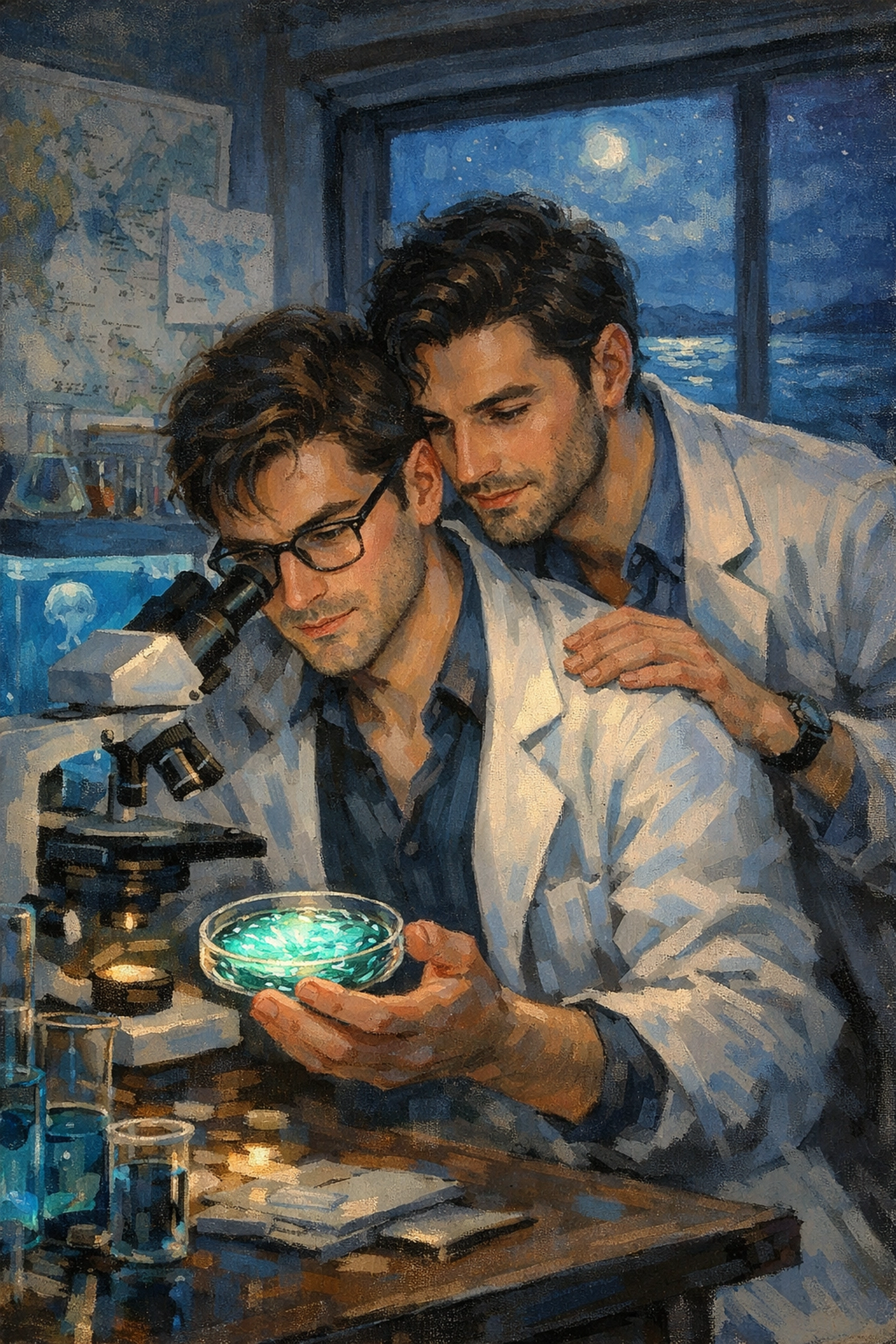
We can’t talk about queer science without mentioning how much we love a good MM romance featuring a scientist. There’s just something about the "smart guy" trope that gets us every time. Whether it’s a slow burn between two rival oceanographers or a gay thriller where a marine biologist uncovers a corporate conspiracy, the ocean provides a high-stakes setting that is perfect for romance.
If you’re craving a story that blends the ruggedness of the sea with the sweetness of a gay love story, you might want to explore the genre-bending MM romance that’s currently reshaping the literary landscape. Or, for something a bit more atmospheric, dive into the cold waters of The Fjord’s Hunger.
How You Can Support Queer Science
You don’t have to be a marine biologist to make a difference. Here’s how you can support the LGBTQ+ community in STEM and protect our oceans:
- Follow and Amplify: Follow organizations like 500 Queer Scientists and Black in Marine Science on social media.
- Donate: Support scholarships for queer students in marine biology.
- Read with Pride: Keep reading and supporting queer authors and gay literature that features diverse characters in science.
- Advocate: Support policies that protect our oceans and the people who study them.
Final Thoughts: The Ocean is for Everyone
The sea is vast, mysterious, and home to millions of species we’ve yet to discover. Just like the ocean, the queer community is diverse and resilient. The researchers we’ve talked about today are proving that when we embrace our true selves, we have the power to protect the things we love.
At Readwithpride.com, we’re committed to bringing you the best in LGBTQ+ ebooks and stories that celebrate our community's triumphs: both on the page and in the lab. So next time you pick up a gay romance novel or a gay historical romance, remember the real-life scientists who are out there right now, under the sun and over the waves, making sure we have an ocean to write about for years to come.
Stay salty, stay queer, and keep reading with pride!
Join the Conversation!
What’s your favorite MM romance book featuring a scientist? Or do you have a favorite queer marine biologist we missed? Let us know on our socials!
Follow us on:
Check out our sitemaps to find your next favorite read, or browse our blog category sitemap for more deep dives into queer culture.
#ReadWithPride #LGBTQScience #MarineBiology #MMRomance #GayBooks2026 #QueerVisibility #OceanConservation #GayRomanceNovels #STEMDiversity #GayAdventureRomance

Leave a Reply
You must be logged in to post a comment.