

readwithpride.com
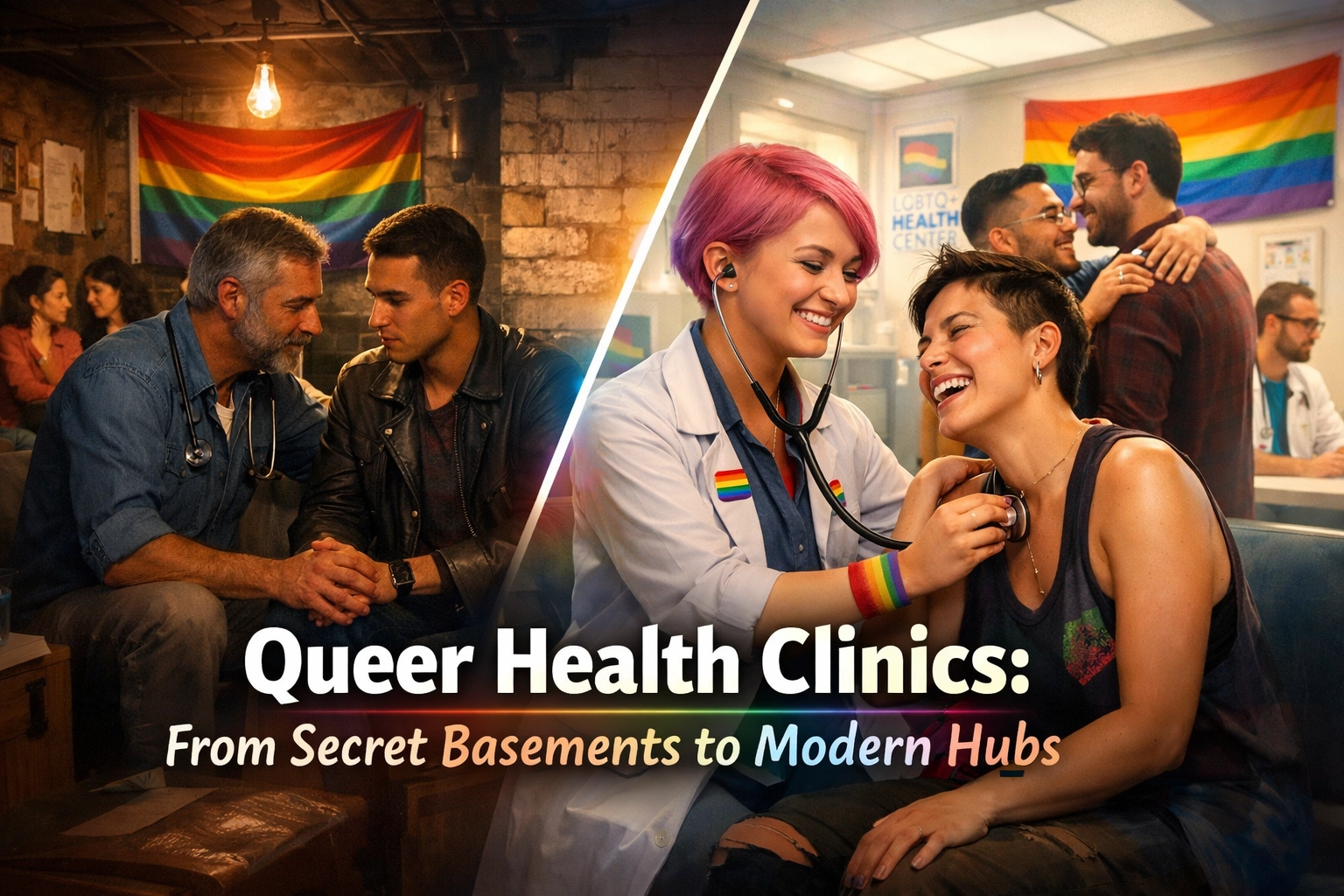
There was a time: not even that long ago: when walking into a doctor’s office as a queer person felt like walking into a trap. Before we had the sleek, glass-fronted clinics of today, our healthcare lived in the shadows. It lived in whispered recommendations, in secret basement clinics, and in the sheer, gritty determination of community members who decided that if the medical establishment wouldn't save us, we’d save ourselves.
At Read with Pride, we often talk about the power of our stories in gay fiction and MM romance books, but those stories aren't just about falling in love; they’re about surviving. Today, we’re looking at the history of queer health clinics: the journey from being classified as a "mental illness" to becoming the architects of our own well-being.
The Early Days: Science vs. Stigma
Long before the rainbow flags flew over community centers, the battle for queer health began in the laboratory: and it wasn't always friendly. In 1930s Berlin, Dr. Magnus Hirschfeld established the Institute of Sexual Research. This was a pioneer moment; the institute performed some of the first modern gender-affirmation surgeries. It was a beacon of hope until the Nazis destroyed it, reminding us early on how fragile our progress can be.
Fast forward to the 1960s in the U.S., and the medical world was still a mixed bag. The first gender identity clinic opened at UCLA in 1962, followed by Johns Hopkins in 1966. While these were huge milestones, they weren't exactly "pride-filled" spaces. These clinics were often focused on research and "curing" or "standardizing" queer bodies rather than celebrating them.
Imagine being a character in a gay historical romance set in the 60s: your healthcare options were basically "hide who you are" or "be a medical curiosity." This medicalized pathologization meant that for decades, many of us stayed as far away from doctors as possible.
The 1970s: Taking Back the Narrative
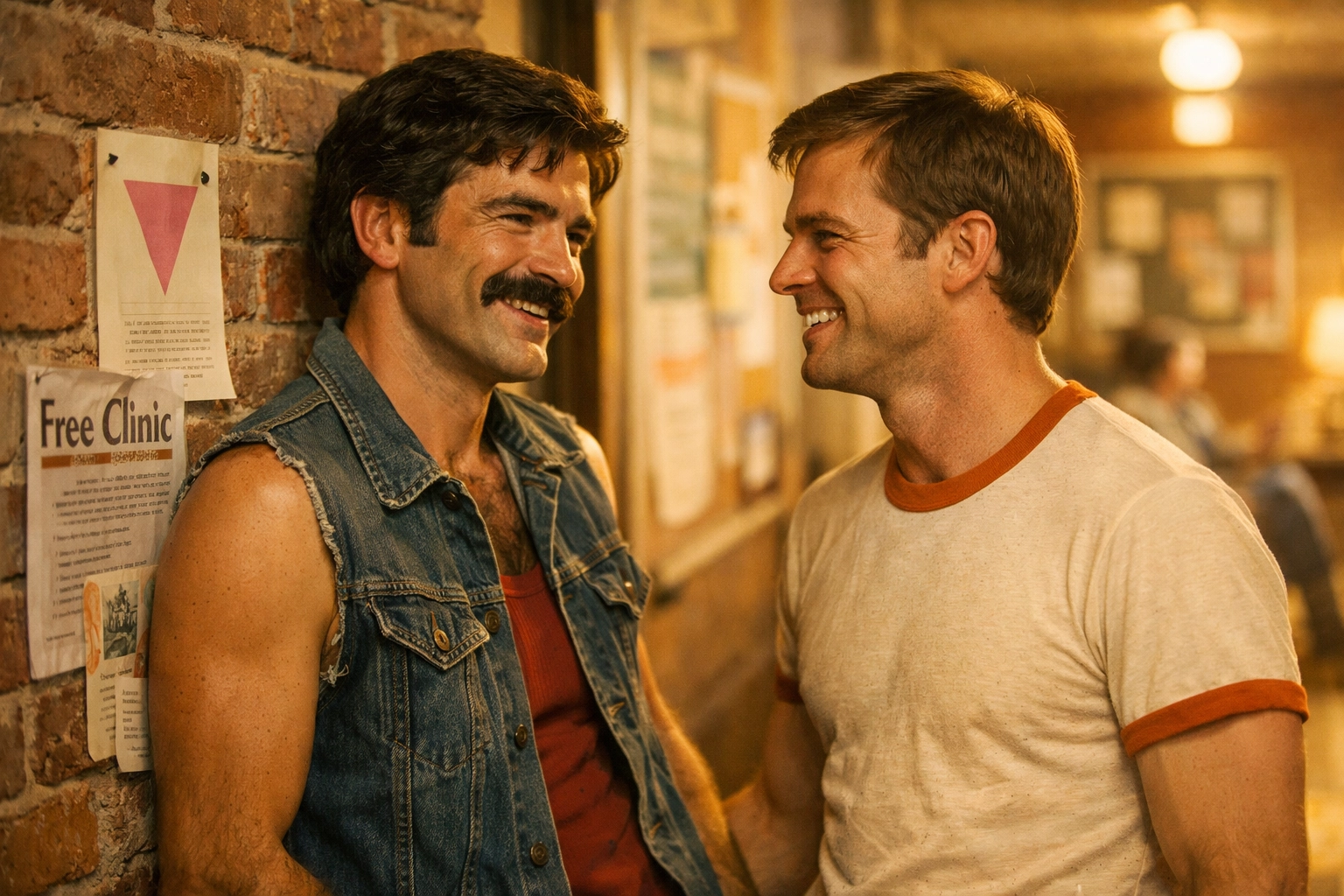
Post-Stonewall, the energy shifted. We didn't just want to be "tolerated" by doctors; we wanted health centers that were ours. In 1971, Fenway Health (then the Fenway Community Health Center) opened in Boston. It started by serving the local elderly population but quickly realized the massive, unmet need for STI screenings and respectful care for gay men.
This was the birth of the community-based health center. Similar hubs popped up in Los Angeles, New York, and Chicago. For the first time, you could walk into a clinic and not have to explain what "cruising" was or why you didn't have a wife. It was healthcare by us, for us. This era is a favorite for writers of gay contemporary romance, as it represents the first time the community truly started to build its own infrastructure.
The AIDS Crisis: A War in the Wards
You can’t talk about queer health history without talking about the 1980s. When the HIV/AIDS epidemic hit, the "traditional" healthcare system largely turned its back. Doctors refused to touch patients, and hospitals were places of isolation and fear.
In response, the community went into overdrive. Organizations like GMHC (Gay Men's Health Crisis) and ACT UP transformed the landscape. Clinics like Callen-Lorde in New York became literal lifesavers. These weren't just medical offices; they were war rooms. Activists were teaching themselves virology, demanding faster drug trials, and setting up "underground" networks for medication.
The resilience shown during this time is why so many emotional MM books focus on this period. It was a time of heartbreak, but also of radical, defiant love. We learned that health isn't just about medicine; it’s about advocacy and politics.
Modern Hubs: The Gold Standard of Care
Fast forward to 2026, and the landscape looks incredibly different. Places like 56 Dean Street in London or Callen-Lorde in New York are no longer "secret" or "underground." They are world-class medical institutions that set the standard for sexual health and gender-affirming care globally.
What makes these modern hubs different?
- Inclusivity by Design: From the intake forms to the pronouns used by the staff, these spaces are designed to be affirming.
- Holistic Care: It's not just about HIV testing or PrEP. These clinics handle mental health, hormone replacement therapy (HRT), and even primary care for LGBTQ+ families.
- Innovation: Clinics like Dean Street have pioneered "express" testing and community outreach that reaches the most vulnerable populations.
Whether you're looking for the best MM romance of 2026 or trying to navigate your own health journey, these institutions represent a hard-won victory. They prove that when we organize, we can change the world.
Why Representation Matters in Health and Literature
You might wonder why a publisher of LGBTQ+ fiction is talking about health clinics. The answer is simple: our health is part of our story. When we read gay romance novels that feature characters navigating PrEP, gender transition, or mental health struggles, it normalizes our experiences.
Seeing ourselves reflected in popular gay books helps reduce the shame that often keeps people away from clinics. It reminds us that we deserve care, we deserve to be healthy, and we deserve to be seen.
If you’re looking for stories that dive deep into the heart of our community: from the historical struggles of the 80s to the modern triumphs of today: check out our sitemap of gay novels or browse through the works of amazing creators like Dick Ferguson.

Looking to the Future: 2026 and Beyond
As we move through 2026, the challenge for queer health clinics is to ensure that this high level of care is available to everyone, regardless of where they live or how much money they have. While we have these amazing hubs in big cities, many queer folks in rural areas still struggle to find a doctor who "gets it."
Digital health and tele-medicine are the next frontiers. Just like you can download LGBTQ+ Kindle books from anywhere in the world, we are working toward a future where gender-affirming care and sexual health advice are just as accessible.
Support the Journey
The evolution from secret basements to modern hubs is a testament to our community’s refusal to disappear. We’ve gone from being "sick" to being the leaders in sexual health innovation.
If you want to support the voices that tell these stories, visit us at readwithpride.com. Whether you’re looking for a steamy MM romance or a heartfelt gay fiction read, your support helps us keep the history and future of our community alive.
Stay healthy, stay proud, and keep reading.
#QueerHealth #LGBTQHistory #GayBooks #ReadWithPride #MMRomance #SexualHealth #TransHealth #GayLiterature #2026Reading
Connect with Us
Stay updated on the latest new gay releases and community news:
- Facebook: Read With Pride
- Twitter/X: @Read_With_Pride
- Instagram: @read.withpride
- Website: readwithpride.com
Explore more of our library through our blog post sitemaps and find your next favorite gay romance book today! For those looking to dive into the business side of queer publishing, don't miss our insights on the royalties revolution and how we balance Amazon discovery with soul-driven publishing.

Leave a Reply
You must be logged in to post a comment.