

readwithpride.com
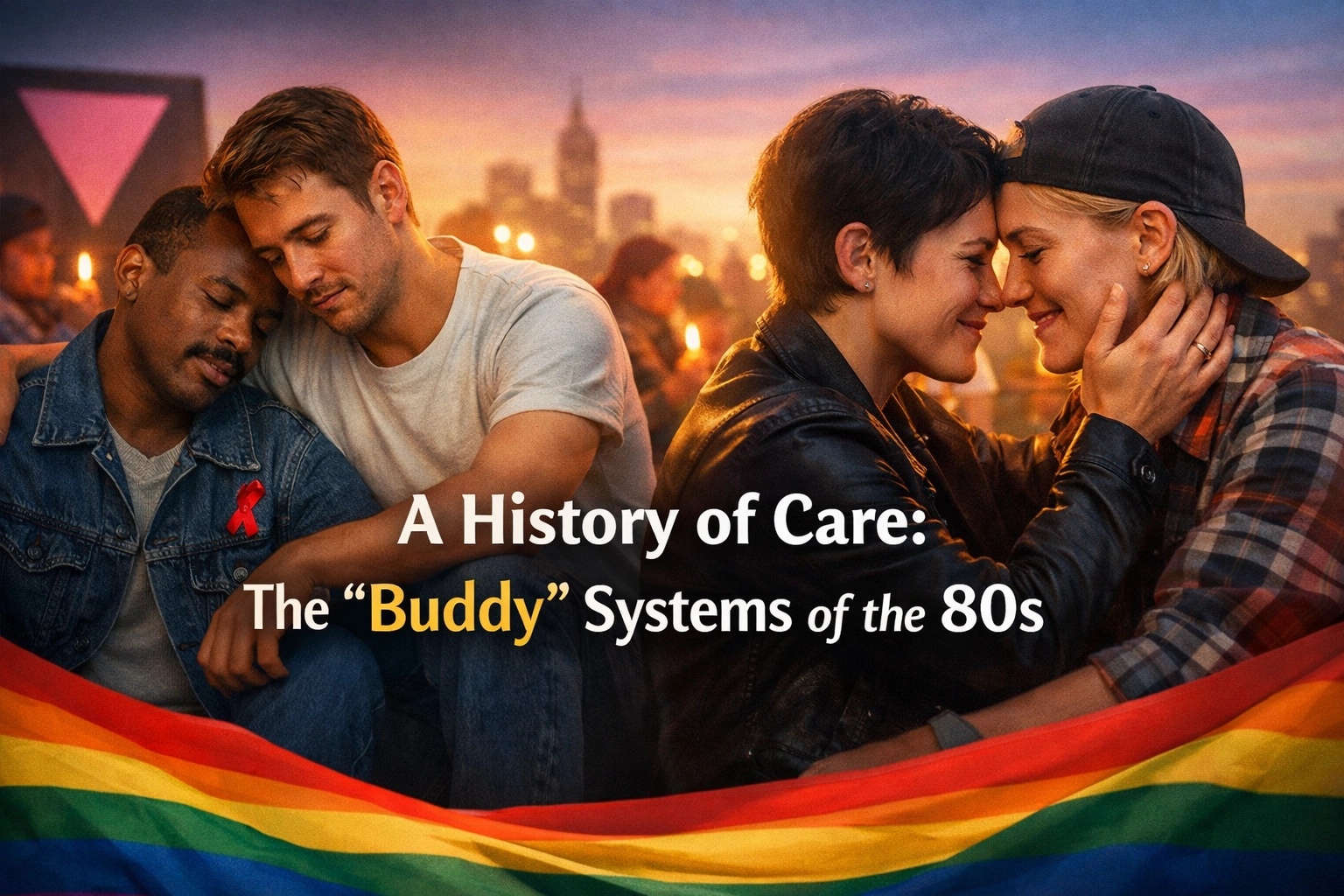
When we talk about the 1980s in our community, the conversation usually shifts pretty quickly to the neon lights, the synth-pop, and: inevitably: the dark shadow of the HIV/AIDS epidemic. It was a time of immense fear, but if you look closer at the history, it was also a time of radical, defiant love. Before there were effective treatments or government funding, there were "Buddies."
At Read with Pride, we believe that understanding our history is just as important as enjoying the latest MM romance books. Many of the gay historical romance novels we love so much today draw their emotional weight from these real-life stories of chosen family. Today, we’re diving into the history of the Buddy systems: the grassroots care networks that proved when the world turns its back, the community turns toward each other.
When the World Looked Away
Imagine it’s 1982. You’re a young man in New York or San Francisco. Your friends are getting sick with something nobody understands. The news is calling it a "gay plague." When people go into the hospital, they aren't just fighting a virus; they’re fighting a system that treats them like pariahs.
During the early 80s, the stigma was so thick you could choke on it. Medical staff were often too terrified to enter patients' rooms, leaving food trays in the hallway. Families were disowning their sons on their deathbeds. Landlords were evicting tenants for looking "sick." In the middle of this abandonment, the LGBTQ+ community realized that if they didn't save themselves, nobody would.
The Living Room Revolution: The Birth of GMHC
The structured "Buddy" system didn't start in a boardroom or a hospital; it started in a living room. In August 1981, Larry Kramer invited about 80 gay men to his apartment in New York City. They weren't there for a party; they were there to figure out why their friends were dying. From that meeting, the Gay Men's Health Crisis (GMHC) was born.
By 1982, GMHC was officially founded. They didn't have a lot of money (though their first big fundraiser, "Showers," managed to pull in $50,000), but they had people. They realized that medical care was only one piece of the puzzle. Men with AIDS needed someone to buy their groceries, walk their dogs, handle their legal paperwork, and: perhaps most importantly: hold their hands.
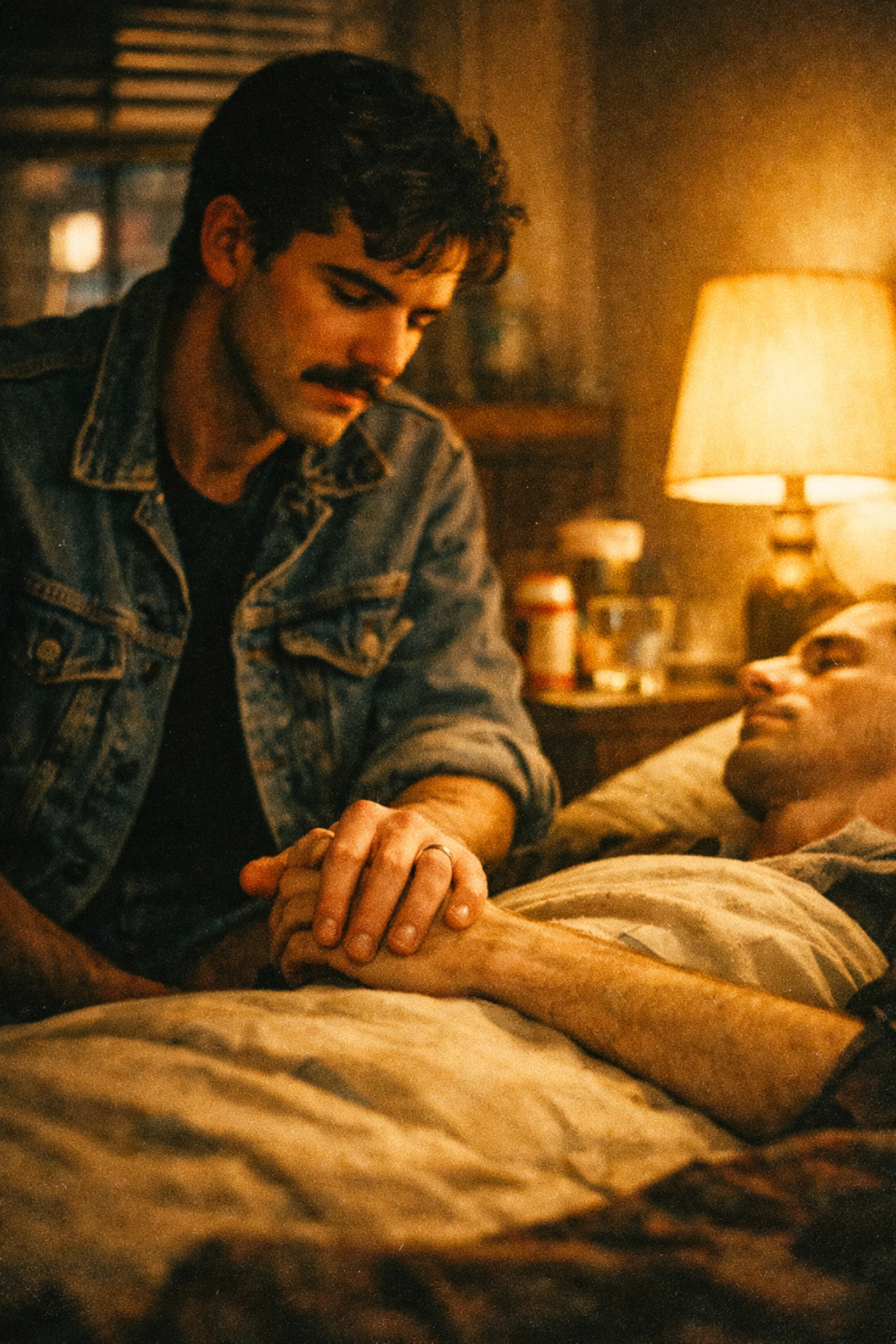
The Buddy Program was the heart of this movement. It paired trained volunteers with people living with AIDS (PWAs). These volunteers were "on call" 24/7. It was the ultimate "forced proximity" trope, but in the most heartbreakingly real way possible. You were paired with a stranger, and suddenly, you were their lifeline.
What Did a Buddy Actually Do?
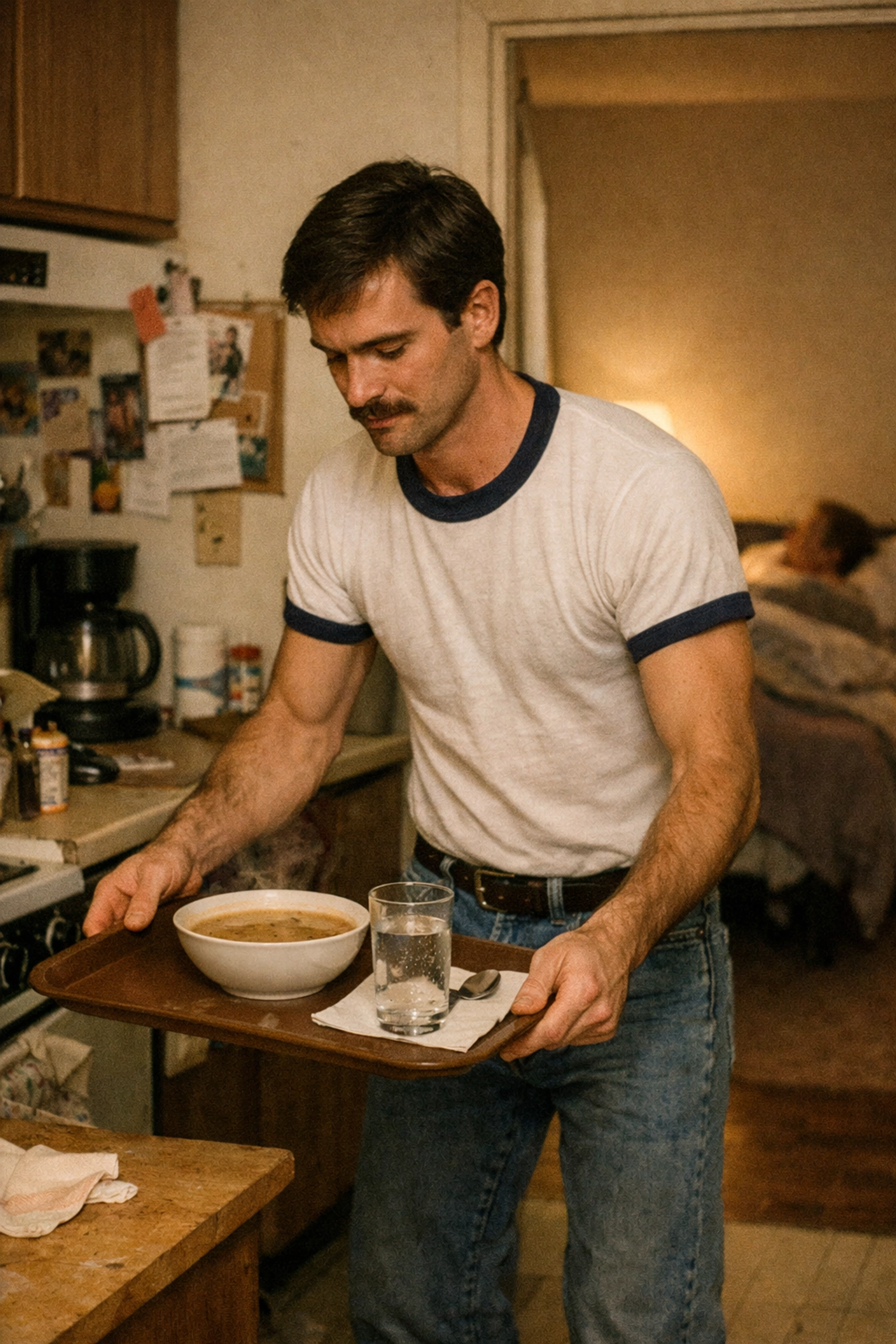
Being a Buddy wasn't just about being a "nice guy." It was gritty, exhausting, and emotionally taxing work. A Buddy was a chef, a house cleaner, a legal advocate, and a best friend rolled into one.
- Home Care: When hospitals were full or too expensive, Buddies turned apartments into mini-hospices. They cooked meals, cleaned bathrooms, and did the laundry that patients were too weak to handle.
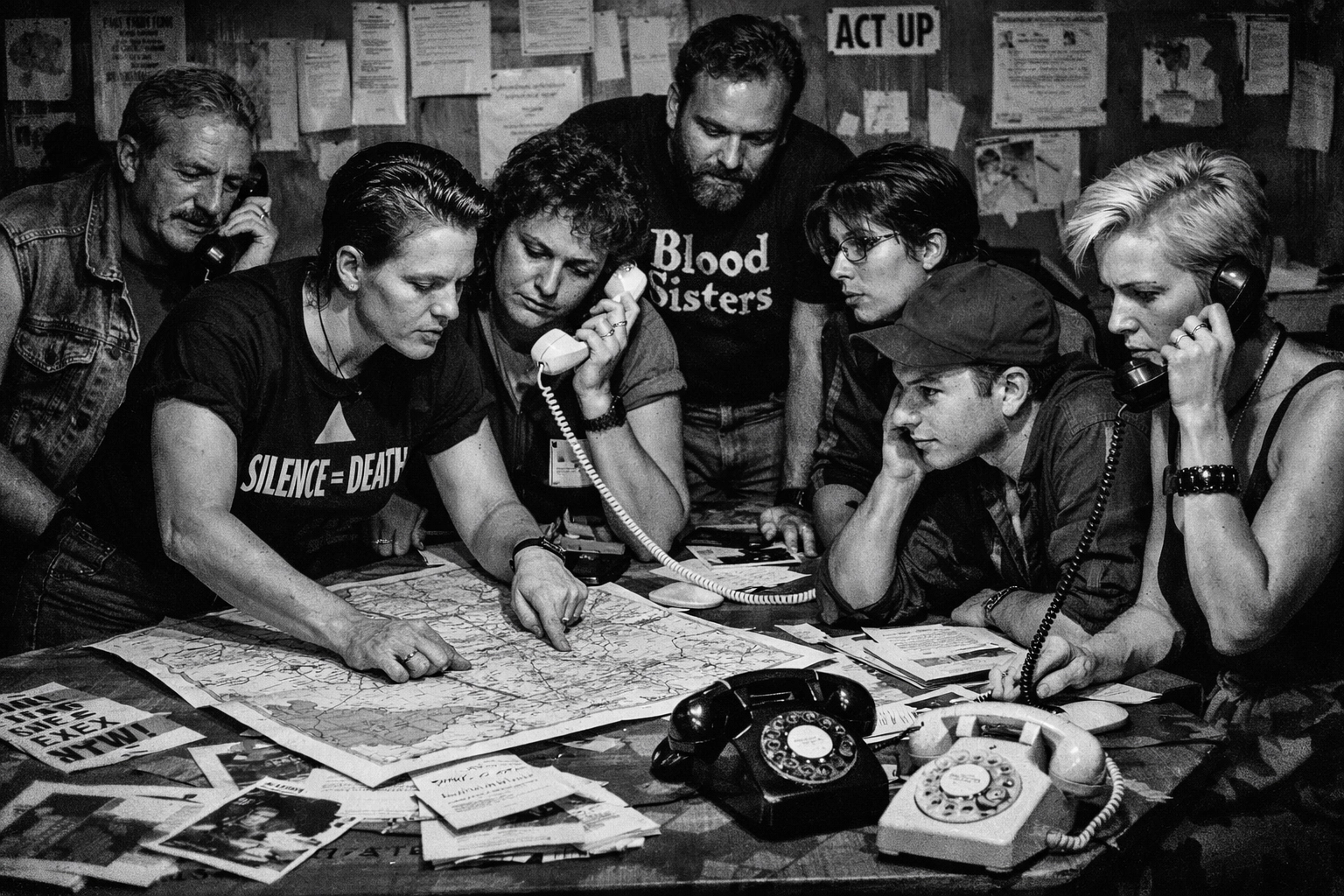
- Medical Advocacy: This was huge. Many PWAs were too ill to argue with doctors or navigate insurance. Buddies went to every appointment, took notes, and demanded that their friends be treated with dignity.
- Social Connection: Isolation was a killer. Buddies took PWAs to the movies, the park, or just sat and talked for hours so the patient didn't feel like a ghost before they were even gone.
- The Final Goodbye: Many Buddies were the only people present when a patient passed away. They handled the arrangements that families refused to touch.
If you’ve ever read a heartfelt gay fiction or an emotional MM book that made you sob into your pillow, chances are it was inspired by the level of devotion seen in these programs.
The Unsung Heroes: Lesbians and Allies
While the program was started by gay men, the circle of care quickly expanded. We have to talk about the "Blood Sisters" and the lesbians who stepped up when the gay male community was being decimated. While many gay men were too sick to care for others, their lesbian sisters took over the front lines. They organized blood drives when gay men were banned from donating and became some of the most dedicated Buddies in the system.
And then there are people like Ruth Coker Burks in Arkansas. She wasn't part of a big city organization; she was just a woman who saw a young man dying alone in a hospital and decided she wasn't having it. She ended up caring for hundreds of gay men, often burying them in her own family cemetery when their families refused to claim their remains.
This is the "found family" theme we see so often in queer fiction. It isn't just a plot point; it’s our survival strategy.
From History to the Page: Why This Matters for Readers
You might be wondering why a site dedicated to LGBTQ+ ebooks and gay romance novels is talking about such a heavy topic. The truth is, our literature doesn't exist in a vacuum. The tropes we love: the "caretaking" scenes, the "us against the world" mentality, and the "slow burn" of deep, platonic-turned-romantic love: often have roots in these real experiences.
When you read a gay historical romance set in the 80s, you aren't just reading a story; you’re witnessing a tribute to the people who didn't make it and the Buddies who stayed by their side. Authors of MM romance books in 2026 are still finding new ways to honor this era, balancing the tragedy with the undeniable beauty of community care.
If you’re looking for stories that capture this spirit of resilience, check out our post-sitemap or browse our latest releases. Whether it’s steamy MM romance or award-winning gay fiction, we aim to provide content that reflects the full spectrum of our lives.
The Legacy of the Buddy System Today
The Buddy system changed how we think about healthcare. It proved that "peer support" isn't just a buzzword: it’s a clinical necessity. The models created by GMHC and other groups in the 80s paved the way for modern hospice care and patient advocacy groups for all kinds of diseases.
In 2026, we are lucky to have much better medical options, but the need for a "Buddy" hasn't gone away. Whether it’s navigating modern health challenges or just finding a community that "gets it," the spirit of the 80s Buddies lives on in every LGBTQ+ center, every online support group, and yes, even in the books we share.
Reading popular gay books and top LGBTQ+ books is a way of keeping our culture alive. It’s a way of saying, "I see you, I remember you, and I value the love you fought for."
Join the Conversation
We’re more than just a place to find your next favorite gay eBook. We’re a community. If you have a story about a Buddy or want to recommend a book that captures this era perfectly, we want to hear from you.
Follow us on our social channels to stay updated on the best MM romance books of 2026 and dive deep into more history like this:
- Facebook: Read with Pride
- X (Twitter): @Read_With_Pride
- Instagram: @read.withpride
For more resources, check out our FAQ or browse our author list to find writers who are bringing these historical moments to life in MM historical romance.
Our history is heavy, but it’s also beautiful. The Buddy system wasn't just about dying; it was about how we choose to live for each other. At Readwithpride.com, we’re honored to help you find the stories that keep that fire burning.

Keywords: Read with pride, MM romance books, gay romance novels, LGBTQ+ ebooks, gay historical romance, MM historical romance, gay fiction, queer fiction, emotional MM books, best MM romance 2026.
#LGBTQHistory #AIDSMemorial #BuddySystem #GayLiterature #ReadWithPride #ChosenFamily #MMRomance #GayBooks2026 #QueerHistory #GMAHC

Leave a Reply
You must be logged in to post a comment.