

readwithpride.com
When we talk about the history of the LGBTQ+ community, we often speak in terms of "before" and "after." There’s the era before Stonewall and the era after. But for a massive portion of our community, the most defining timeline is 1996. That was the year the "cocktail": highly active antiretroviral therapy (HAART): changed the world. Before 1996, an HIV diagnosis was widely considered a death sentence. After 1996, it became a manageable chronic condition.
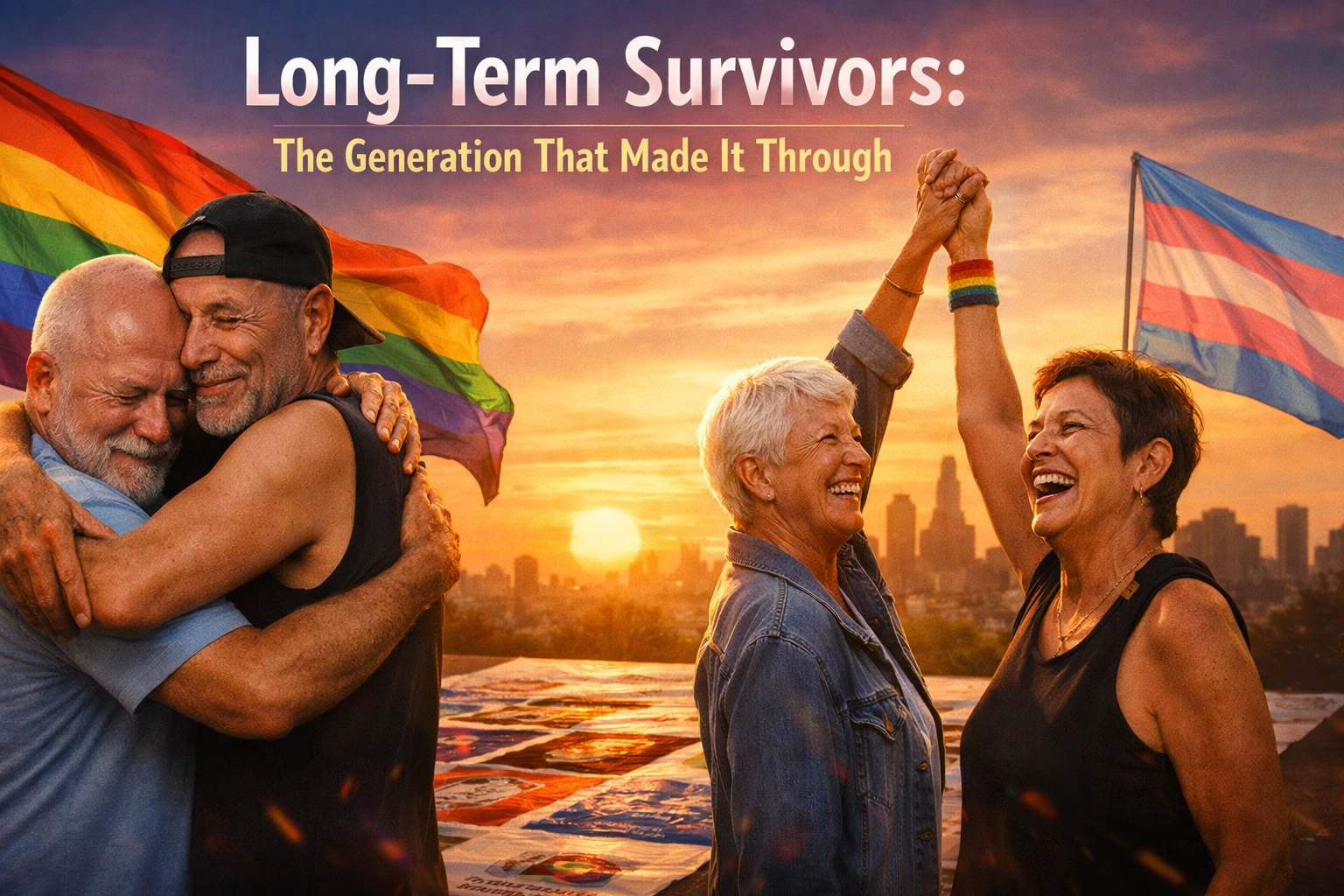
But what about the people who were caught in the middle? The ones who were diagnosed in the 80s and early 90s, who watched their entire friend groups vanish, and who prepared themselves for a final curtain call that never came? These are our Long-Term Survivors (LTS). They are the generation that made it through, and today, they represent about 25% of all people living with HIV. At Read with Pride, we believe their stories aren’t just history: they are the blueprint for our resilience.
Who Are the Long-Term Survivors?
The term "Long-Term Survivor" isn't just a medical label; it's a badge of honor. Generally, it refers to a few specific groups:
- The Pre-HAART Pioneers: Those diagnosed before 1996 who lived through the "darkest years" of the epidemic.
- The Decade-Plus Club: Anyone who has been living with the virus for 10, 20, or 30+ years.
- The "Dandelions": These are lifetime survivors: people who acquired HIV at birth or in early childhood. Now in their 30s and 40s, they are proof of the enduring strength of the human spirit.
These individuals didn't just survive a virus; they survived a war. They fought for medical research, protested in the streets with ACT UP, and cared for one another when the government looked the other way. Whether you're a fan of gay historical romance or gritty queer fiction, the reality of these lives often outshines even the most dramatic MM romance books.

The "Lazarus Effect" and the Cost of Staying
In the late 90s, doctors witnessed what they called the "Lazarus Effect." Men and women who were in hospice, literally waiting to die, started taking the new protease inhibitors and… they got up. They went back to work. They started dating again. It was a miracle, but it came with a psychological price tag that we are only now starting to fully understand.
Imagine spending a decade giving away your furniture, saying your goodbyes, and maxing out your credit cards because you didn't think you’d be around to pay them off: and then suddenly being told you have another forty years to live. That’s not just a plot point in a gay psychological thriller; that was the lived reality for thousands.
This has led to a unique set of challenges known as AIDS Survivor Syndrome. It includes symptoms like:
- Survivor’s Guilt: The crushing weight of wondering why you lived while so many more talented, kind, or younger friends died.
- PTSD: Flashbacks to the trauma of the 80s and 90s.
- Social Isolation: Many survivors lost their entire support networks decades ago and find it hard to connect with a younger generation that views HIV through the lens of a daily pill like PrEP.
The Graying of the Epidemic
By 2030, it’s estimated that over 70% of people living with HIV in the US will be over the age of 50. This is a massive victory, but it brings new medical frontiers. Long-term survivors deal with "accelerated aging." Because of the inflammation caused by the virus and the toxicity of early-generation medications (those huge, horse-sized pills from the 90s), survivors are more prone to:
- Cardiovascular disease
- Bone density loss
- Liver and kidney issues
- Cognitive "fog"
When we look for gay book recommendations in 2026, we’re seeing more authors tackle these themes. It’s not just about the "steam" in a steamy MM romance; it’s about the intimacy of caring for a partner who has been through the fire. We need more gay novels that reflect the reality of aging with pride, showing that life doesn't end at 40: or even 70.

Why Visibility Matters in 2026
Despite their numbers, many long-term survivors report feeling invisible. The "face" of HIV in modern marketing is often a young, vibrant person on PrEP. While that’s an important part of our progress, we cannot forget the elders who cleared the path.
June 5th is HIV Long-Term Survivors Awareness Day. It’s a day to move past the stigma and celebrate the "thrivors." Stigma still exists, even within the LGBTQ+ community. There’s a generational divide where younger folks might not understand the gravity of what the older generation endured. This is why gay literature and LGBTQ+ ebooks are so vital: they bridge that gap.
Reading a heartfelt gay fiction story about a survivor can foster empathy in a way that a medical pamphlet never could. It’s about humanizing the statistics. Whether it's a gay contemporary romance featuring a silver fox hero or an award-winning gay fiction piece about the 1980s, these stories keep the legacy alive.
Supporting Our Elders
How can we support the generation that made it through?
- Combat Isolation: Reach out to the older members of your local community. Sometimes a simple conversation is the best medicine for social isolation.
- Advocate for HIV-Informed Aging Care: We need healthcare providers who understand the specific needs of long-term survivors.
- Share the History: Don't let the stories of the 80s and 90s fade. Check out our blog category for more deep dives into our shared history.
- Read and Write: Support queer authors who are documenting these lives. Whether it's a gay memoir or a MM historical romance, every story told is a blow against invisibility.
The Resilience of the "Dandelions"
I want to give a special shout-out to the "Dandelions": those who have lived with HIV since birth. They are now entering their 30s and 40s, navigating the world of gay romance novels and modern dating while carrying a history that predates their first memories. Their resilience is staggering. They are living proof that HIV does not define your worth or your ability to find love.
In the world of MM fiction, we often see tropes like "slow burn" or "enemies to lovers." But for a long-term survivor, the greatest trope is "finding hope against all odds."
Final Thoughts: A Legacy of Love
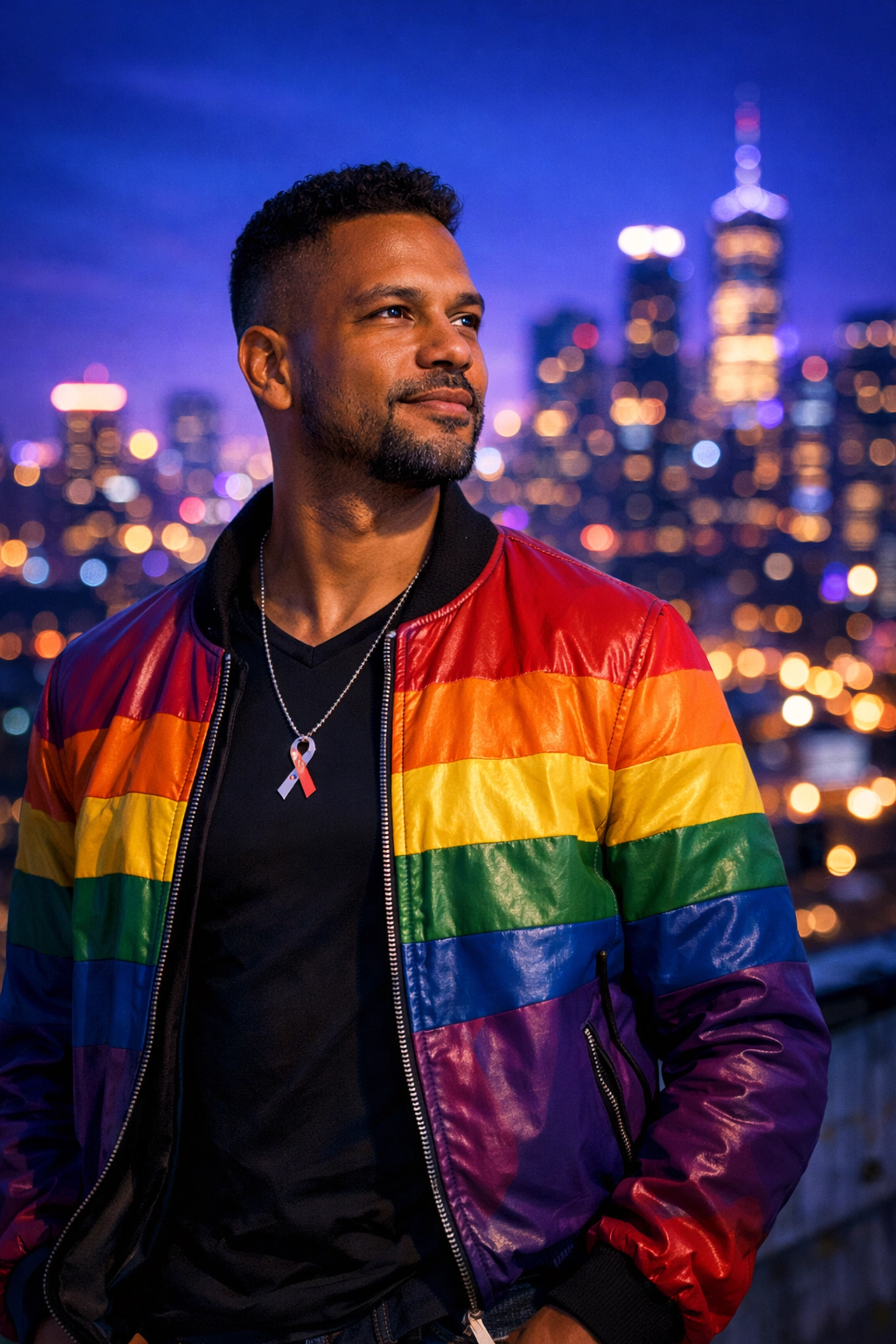
The generation that made it through didn't just survive; they built the world we live in today. They built the bars, the bookstores, the political organizations, and the publishing houses like Readwithpride.com. They taught us how to fight and, more importantly, how to love in the face of fear.
As we look toward the new gay releases of 2026, let’s make sure we are looking for the stories of our survivors. They are the keepers of our flame.
If you’re looking for your next great read, whether it’s a gay fantasy romance to escape into or a gay thriller to keep you on the edge of your seat, remember that the most incredible stories are often the ones sitting right next to us in the community center.
Stay proud, stay resilient, and keep reading.
Find more stories of resilience at Read with Pride.
Follow us for more updates on popular gay books and the latest in LGBTQ+ fiction:
#ReadWithPride #HIVLongTermSurvivors #LGBTQHistory #GayBooks #MMRomance #GayFiction #SurvivorStories #2026GayBooks #QueerLiterature #AgingWithPride #LTSAD2026

Leave a Reply
You must be logged in to post a comment.