

readwithpride.com
If you’ve spent any time browsing the shelves of gay historical romance or watching queer cinema, you know that the 1980s and 1990s carry a specific kind of weight. It’s a period of our history defined by immense loss, but also by a level of grit and resilience that honestly makes us look like superheroes. At Read with Pride, we believe in telling every part of our story: the joyful, the spicy, and the deeply transformative.
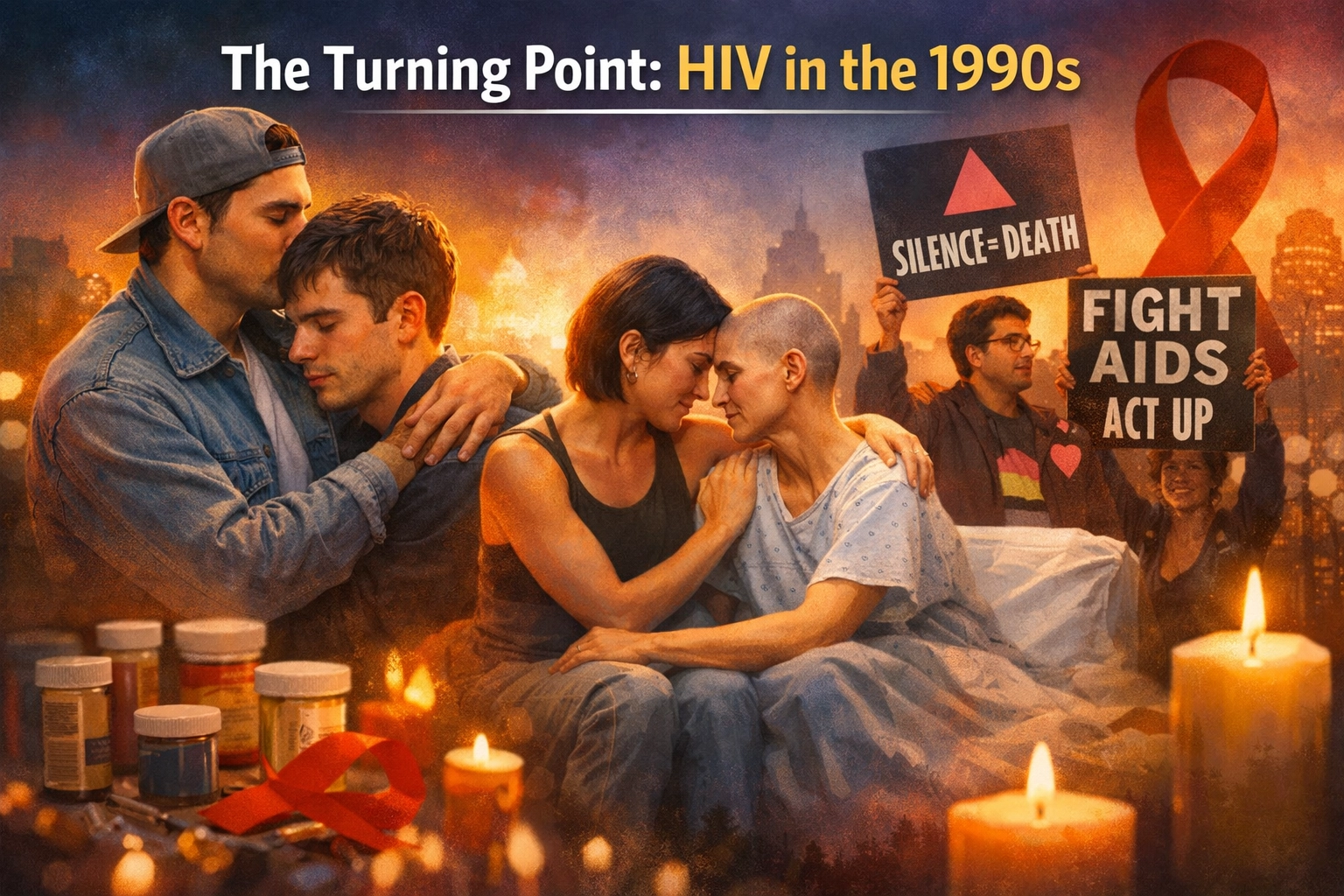
Today, we’re diving into a decade that changed everything: the 1990s. It was the era of grunge, the Spice Girls, and: most importantly: the moment the HIV/AIDS epidemic shifted from a death sentence to a manageable condition. This is the story of the "Turning Point."
The Heavy Clouds of the Early '90s
To understand how big the breakthrough in 1996 was, we have to remember how bleak things looked at the start of the decade. By 1990, the queer community was exhausted. We had been fighting for a decade with very little help from the people in power.
However, the tide began to turn politically. The Ryan White CARE Act of 1990 was a massive deal. Named after the teenager who became a face for the crisis after being expelled from school for having AIDS, this federal legislation finally put some serious money: over $220 million in its first year: into healthcare and support services. It wasn't just about medicine; it was about acknowledging that the government had a responsibility to help people living with HIV.
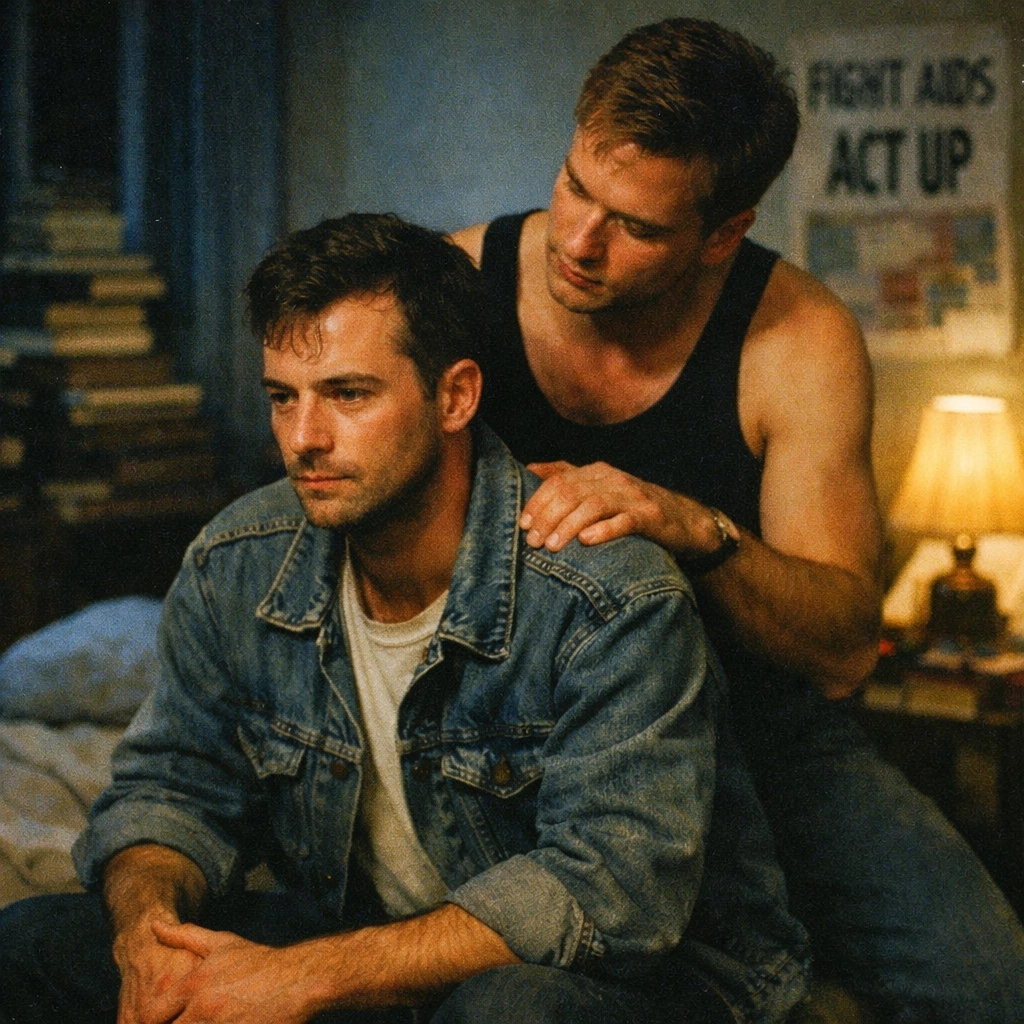
When we write or read queer fiction set in this era, we often see characters navigating this specific tension: the fear of the unknown mixed with the first real signs that help was on the way.
1996: The Year the World Shifted
If you’re a fan of high-stakes drama in gay novels, 1996 is the ultimate plot twist. Before this year, being diagnosed with AIDS usually meant you were counting down your final months. But at the International AIDS Conference in Vancouver that year, everything changed.
Scientists introduced Highly Active Antiretroviral Therapy (HAART), specifically the use of protease inhibitors. Instead of just one drug (like AZT, which often didn't work for long), doctors started using a "cocktail" of three different drugs.
The results were nothing short of miraculous. The virus was suppressed, the immune system (CD4 cells) started to bounce back, and for the first time since the epidemic began, death rates started to plummet. In fact, by 1997, AIDS-related deaths in the U.S. dropped by a staggering 47%.
The Lazarus Effect: Coming Back to Life
In the medical community and the streets of the Castro and Chelsea, they called it the "Lazarus Effect."
Imagine being so sick that you’d already sold your belongings, said your goodbyes, and prepared for the end. Then, you start this new "cocktail," and suddenly, you're not just surviving: you're getting out of bed. You’re gaining weight. You’re planning for a future you didn't think you had.
This wasn't just a medical victory; it was a psychological revolution. For the first time in fifteen years, gay men and the wider LGBTQ+ community could breathe. This shift is a massive theme in MM historical romance and contemporary gay literature. It’s the moment where "Bury Your Gays" (a trope we absolutely hate, by the way) started to be replaced by stories of survival and long-term love.

How the Turning Point Changed Queer Literature
At Read with Pride, we see the ripple effects of the 1996 breakthrough in the MM romance books we publish and promote today.
Before the mid-90s, much of gay fiction was rooted in tragedy because that was the reality of the community. But as the 90s progressed, we saw a shift. We started seeing:
- Life Beyond Diagnosis: Characters weren't just dying of AIDS; they were living with HIV. They were dating, working, and falling in love.
- Genre-Bending Stories: With the immediate crisis slightly abating, authors had the emotional room to explore gay fantasy romance, gay thrillers, and gay adventure romance.
- The "Slow Burn" of Reality: The medical advancements allowed for stories that focused on long-term commitment. In many enemies to lovers MM romance tropes set in the 90s, the external "enemy" was often the virus, and the "lovers" were those who fought through it together.
If you’re interested in how these themes are evolving, check out our post on why genre-bending MM romance is reshaping queer literature.
Leadership and Activism
We can’t talk about the 90s without mentioning the pressure the community put on the government. President Clinton took office in 1993, and while his record wasn't perfect, he was the first president to actually acknowledge the crisis in a proactive way. He established the Presidential Advisory Council on HIV/AIDS and hosted the first White House Conference on the subject.
But the real heroes were the activists: groups like ACT UP who kept the heat on pharmaceutical companies and politicians. They are the reason those protease inhibitors got to the people who needed them. Their stories make for some of the most compelling gay historical romance backgrounds you’ll ever read.

The Legacy in 2026
Fast forward to today, March 1, 2026. We live in a world of PrEP, U=U (Undetectable = Untransmittable), and a massive library of LGBTQ+ ebooks that celebrate our history. But we can’t forget that the 1990s was the bridge that got us here.
The "Turning Point" didn't just save lives; it saved our culture. It allowed our stories to continue. When you pick up a steamy MM romance or a heartfelt gay fiction novel today, you’re holding a piece of that hard-won freedom to dream of a "happily ever after."
Why History Matters to Read with Pride
We aren't just an ebook publisher; we are curators of the queer experience. Whether you’re looking for popular gay books, award-winning gay fiction, or the best MM romance books of 2026, understanding where we came from makes every story richer.
If you're a writer looking to develop authentic characters that honor this history, don't miss our guide on 7 mistakes you're making with LGBTQ+ character development. It’s all about getting the details right: especially the heavy ones.
Join the Conversation
The 1990s was a decade of profound change, and we want to hear from you. Do you have a favorite gay novel set in the 90s? Or perhaps a story of resilience that has stayed with you?
Explore our full collection of LGBTQ+ Kindle books and MM novels at our store. From gay contemporary romance to the latest MM historical romance releases, we’ve got something that will touch your heart and fire up your imagination.
Stay authentic, stay proud, and keep reading.
#ReadWithPride #MMRomance #LGBTQHistory #GayBooks #QueerFiction #1996Breakthrough #LazarusEffect #GayRomanceNovels #MMRomanceBooks2026
Connect with us:
Useful Links:

Leave a Reply
You must be logged in to post a comment.