

readwithpride.com
When we talk about the history of the LGBTQ+ community, we often talk about riots, parades, and legal battles. But some of the most powerful moments in our shared journey didn’t happen in a courtroom or behind a barricade: they happened over a sewing machine.
In the mid-1980s, the world was a terrifying place for gay men. The HIV/AIDS epidemic was tearing through our communities, and while the body count rose, the silence from the government was deafening. It was a time of immense grief, but also a time of radical creativity. That’s where the AIDS Memorial Quilt comes in. It wasn’t just a craft project; it was a scream for help, a middle finger to apathy, and a warm hug for those we lost.
At Read with Pride, we believe that every story deserves to be told, whether it’s in the pages of the latest MM romance books or stitched into a 3-by-6-foot piece of fabric. Today, we’re looking back at the history of the NAMES Project and how a simple idea turned into the largest community arts project in human history.
The Spark in San Francisco
The story starts in November 1985. San Francisco activist Cleve Jones was planning a candlelight march to honor the assassinations of Harvey Milk and Mayor George Moscone. During the planning, he learned that over 1,000 people in San Francisco had already died from AIDS-related complications. He realized that if you stood all those people together, they would represent a massive hole in the city’s heart: but to the outside world, they were just invisible statistics.
Jones asked marchers to write the names of their loved ones on placards. At the end of the march, they taped these cards to the walls of the San Francisco Federal Building. Standing back and looking at the patchwork of names, Jones thought it looked like a quilt.
The image stuck. A quilt is domestic. It’s warm. It’s about family and comfort: everything the victims of the epidemic were being denied by a society that treated them like pariahs. In June 1987, the NAMES Project Foundation was officially born in a small storefront on Market Street.
Why 3 by 6?
If you’ve ever seen a panel of the Quilt, you might notice they are all the same size: 3 feet by 6 feet. This wasn't an arbitrary choice for the sake of the sewing machines. That is the size of a standard grave.
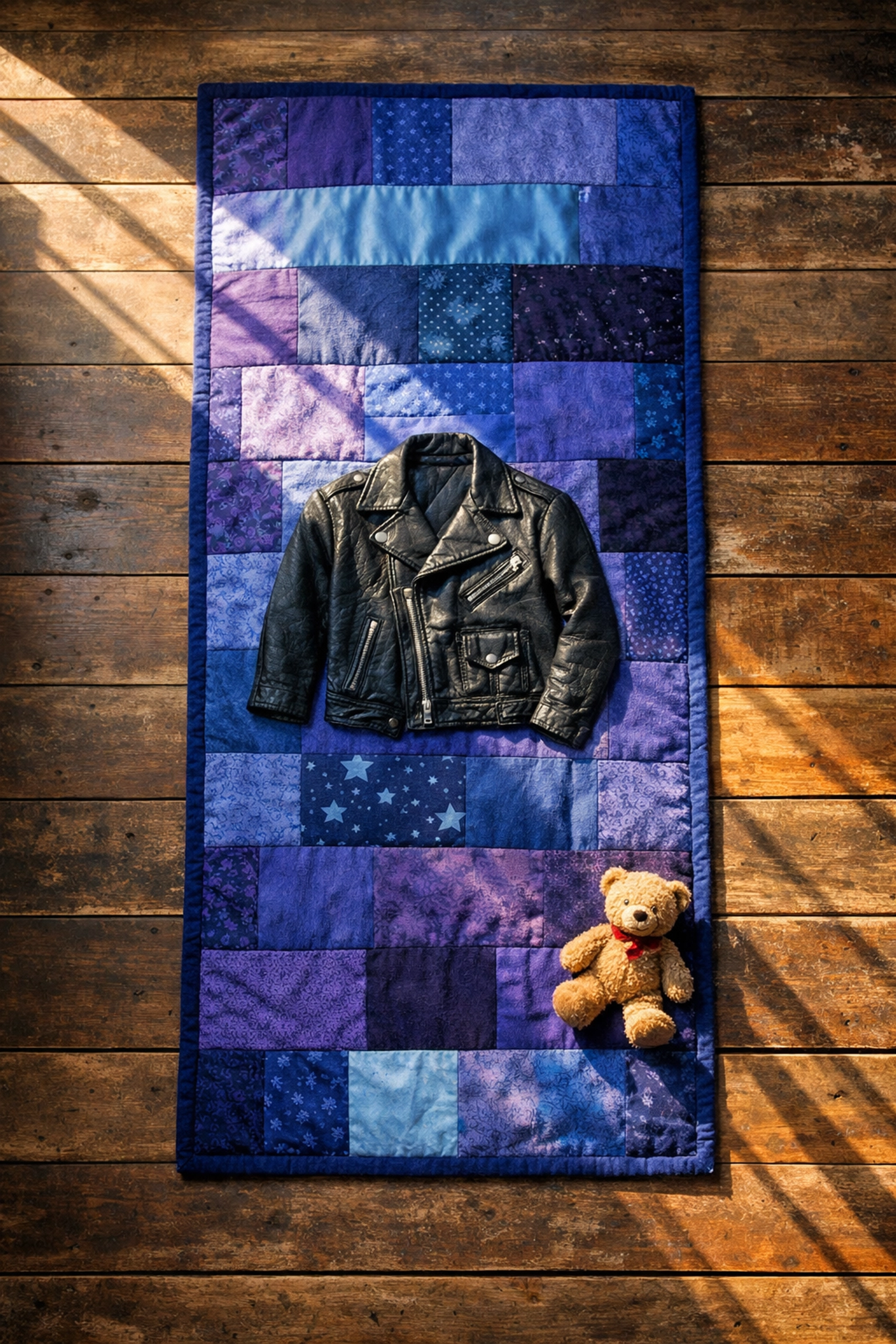
By making each panel the size of a final resting place, the creators were forcing the world to acknowledge the physical space that these individuals no longer occupied. It humanized the epidemic in a way that newspaper headlines never could. People used everything to decorate these panels: sequins, teddy bears, wedding rings, leather jackets, and locks of hair. It was a way to say, "This person wasn't just a patient. They were a lover, a son, a fan of gay fiction, a rebel, and a friend."
For those of us who dive into gay contemporary romance or MM historical romance today, we often see characters finding their "happily ever after." The Quilt reminds us of a generation that was denied that ending, but whose stories still resonate through the fabric of our culture.
The Day the Mall Turned into a Rainbow
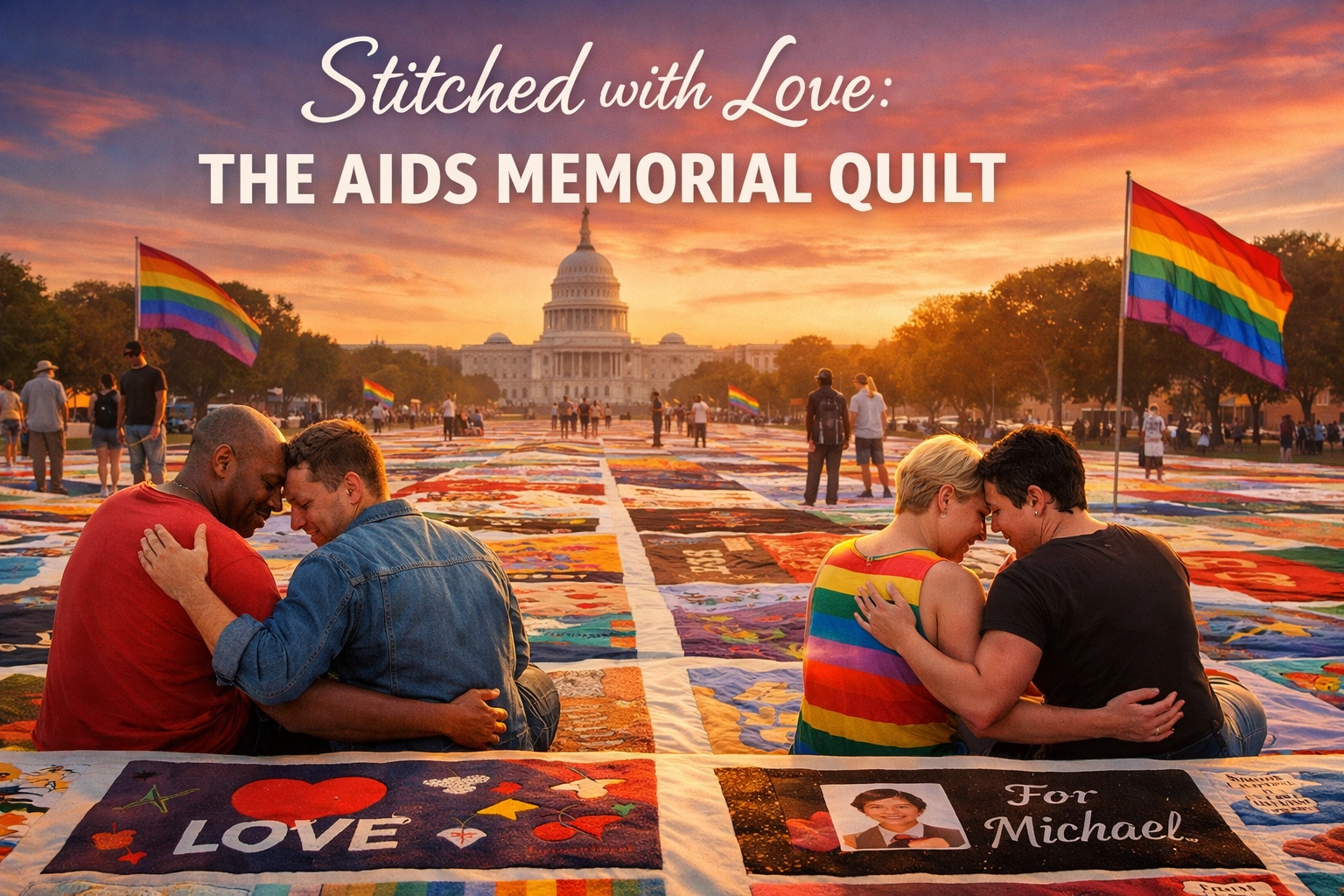
One of the most iconic moments in LGBTQ+ history happened on October 11, 1987. As part of the National March on Washington for Lesbian and Gay Rights, the Quilt was displayed for the first time on the National Mall.
At the time, there were 1,920 panels. It was larger than a football field. As the sun came up, volunteers: dressed in white: unfolded the fabric in a choreographed ritual that felt like a high mass. They read the names aloud, a tradition that continues to this day.
The impact was immediate. People who had spent years ignoring the "gay plague" were suddenly confronted with the sheer scale of the loss. You couldn't walk past that much grief and stay indifferent. It was a turning point for activism, proving that art could be just as effective as a protest.
Since then, the Quilt has grown to nearly 50,000 panels, commemorating over 110,000 individuals. It weighs a staggering 54 tons. It’s been displayed in its entirety only a handful of times because, quite frankly, there aren't many places on earth big enough to hold it anymore.
Humanizing the Epidemic through Art
The Quilt did something that no medical report could: it gave the victims back their humanity. In the 80s and 90s, the media often portrayed gay men with AIDS as "shameful" or "dangerous." The Quilt flipped that script.
When you see a panel covered in glitter and photos of a man laughing at a beach, you don't see a disease. You see a life. This tradition of storytelling is exactly what we celebrate at Read with Pride. Whether it’s through queer fiction or the best MM romance books of 2026, we use stories to bridge the gap between "us" and "them."
The Quilt also became a vital fundraising tool. During its national tours, it raised millions of dollars for AIDS service organizations at a time when government funding was a joke. It provided a space for survivors to grieve together, turning private pain into public power.
From Fabric to Fiction: Keeping the Memory Alive
While the physical Quilt is now housed under the care of the National AIDS Memorial, its spirit lives on in the way we consume and create LGBTQ+ content. Many gay romance novels and MM historical romance titles today use the backdrop of the 80s to explore these themes of resilience and community.
If you're looking to understand this era better through literature, we highly recommend checking out some of the popular gay books that tackle this history. Stories like those found in our post-sitemap often highlight the strength of the community during times of crisis.
The "slow burn" of activism and the "forced proximity" of a community under siege are tropes that aren't just for MM romance: they were the reality for thousands of activists.
How to Engage Today
You don't have to be a master quilter to honor this history. Here are a few ways you can keep the spirit of the NAMES Project alive:
- Read and Share: Pick up gay literature that honors our history. Knowing where we came from helps us navigate where we’re going.
- Support Organizations: Organizations like the National AIDS Memorial continue to preserve the Quilt and educate the public.
- Create Your Own Narrative: Whether you write MM fiction, paint, or just share your story on social media, your voice matters.
- Explore the Digital Quilt: You can now view many of the panels online, allowing a new generation to "read" the lives of those who came before us.
The AIDS Memorial Quilt taught us that we are stronger when we are stitched together. No matter how different our individual panels might look: whether we love gay fantasy romance, gay thrillers, or steamy MM romance: we are all part of the same grand design.
As we look toward the new gay releases of 2026, let’s not forget the hands that held the needles when the world was dark. They sewed a future where we can now Read with Pride.
Join the Conversation
We’d love to hear from you. Have you ever seen the Quilt in person? Do you have a favorite book that deals with this era of our history? Let’s keep the dialogue going and ensure these names are never forgotten.
Don't forget to follow us on our social channels to stay updated on the latest LGBTQ+ ebooks and community stories:
Check out our full library of stories and gay eBooks at readwithpride.com. From enemies to lovers MM romance to deep historical dives, we have something for every reader.
#ReadWithPride #AIDSMemorialQuilt #LGBTQHistory #MMRomance #GayBooks #QueerFiction #TheNamesProject #GayLiterature #MMRomanceBooks #GayRomance2026

Looking for your next great read? Dive into our product catalog or discover new worlds in The Swordsman's Compass.

Leave a Reply
You must be logged in to post a comment.