

readwithpride.com
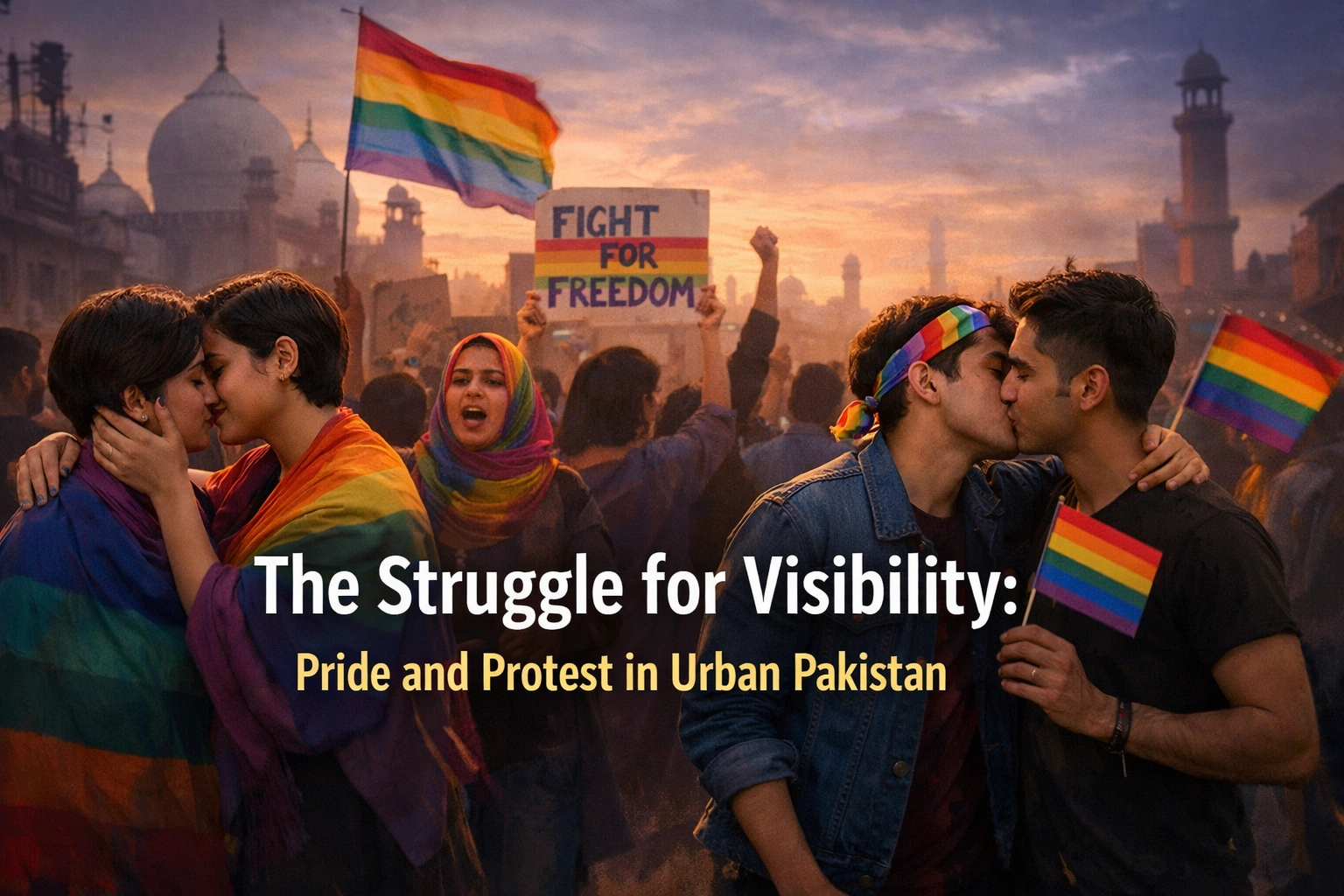
When we talk about queer life in 2026, it’s easy to get caught up in the glitz of Western Prides: the floats, the glitter, and the corporate sponsorships. But if you shift your gaze toward South Asia, specifically to the bustling, neon-lit streets of Lahore, Karachi, and Islamabad, the story of "visibility" takes on a much deeper, grittier, and more defiant meaning.
In Pakistan, being LGBTQ+ isn't just about who you love; it’s about how you navigate a world that oscillates between ancient Sufi traditions of gender fluidity and the harsh, rigid leftovers of colonial-era morality laws. At Read with Pride, we believe that every story deserves to be told, especially those written in the margins. Today, we’re diving into the struggle for visibility in urban Pakistan: a journey of secret parties, legal battles, and the breathtaking resilience of a community that refuses to be erased.
The Colonial Shadow: Article 377
To understand the "now," we have to look at the "then." Most people think the legal opposition to queer life in Pakistan is purely religious, but a huge chunk of it is actually a British hangover. Article 377 of the Pakistan Penal Code: a relic from 1860: criminalizes "carnal intercourse against the order of nature."
While the state doesn't always go knocking on bedroom doors, this law acts as a massive "keep out" sign for public visibility. It creates a climate where gay men, lesbians, and queer folks have to live double lives. In the big cities, this has birthed a unique "underground" culture. If you’re wealthy and live in a posh neighborhood in Karachi, your "out" life might consist of private, invite-only parties behind high walls. But for those without that safety net? The risk of harassment, or worse, is a daily reality.
The Transgender Rights Rollercoaster
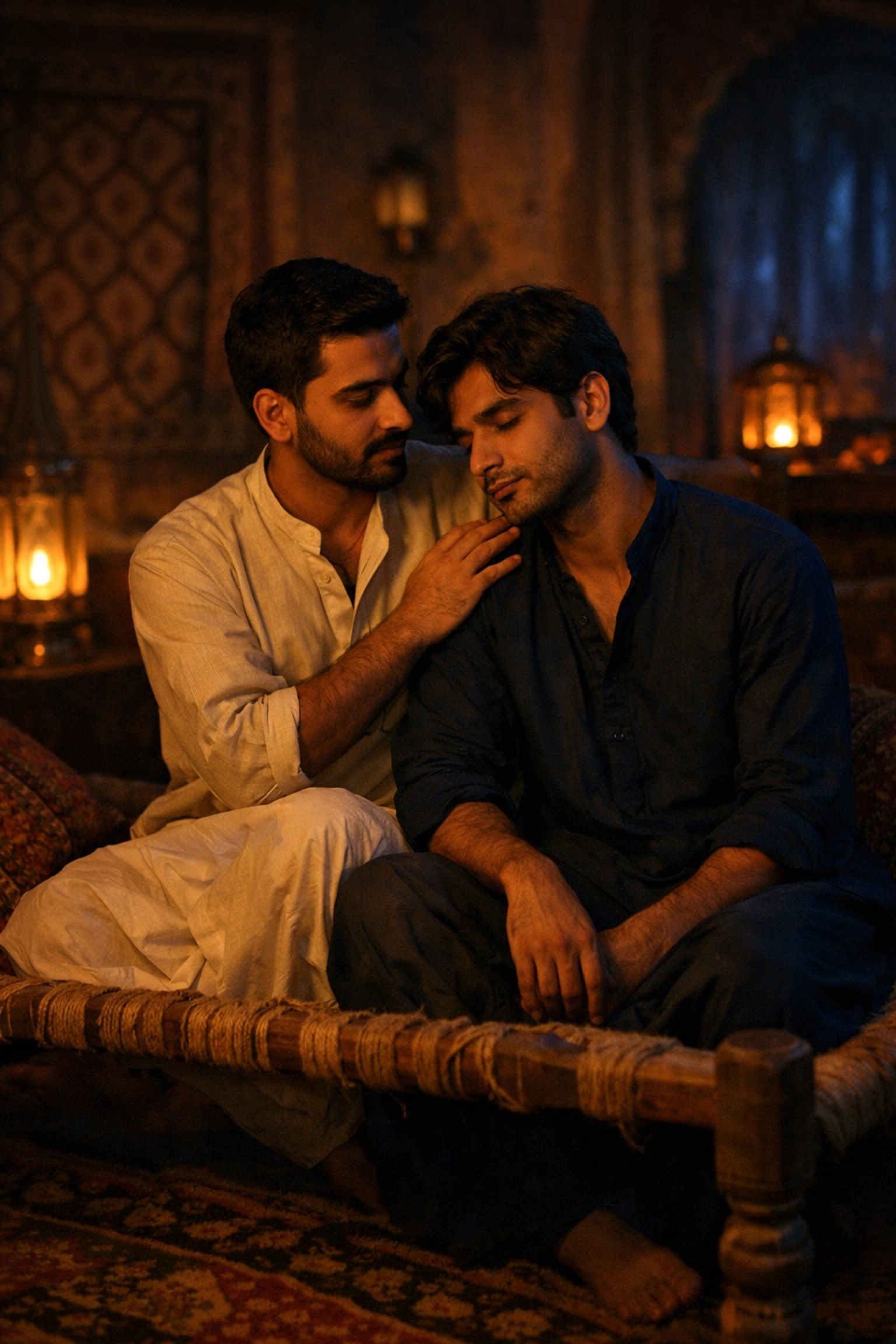
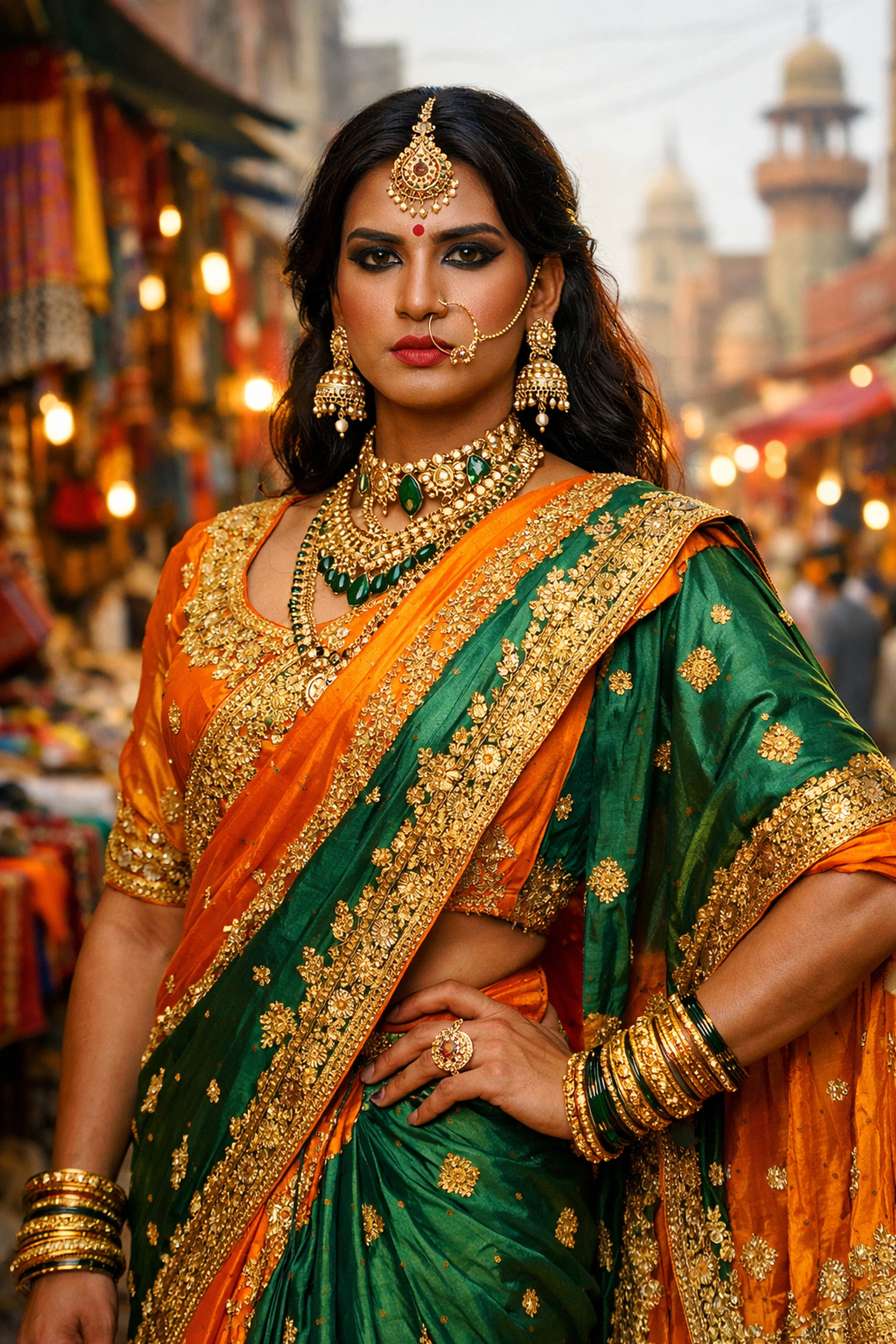
If there’s one group that has been the face of visibility in Pakistan, it’s the Khwaja Sira community. Historically, they occupied a respected place in the Mughal courts as advisors and guardians. Today, they are at the forefront of the most intense civil rights battle in the country.
In 2018, Pakistan did something revolutionary: it passed the Transgender Persons (Protection of Rights) Act. It allowed citizens to choose their gender identity on official documents without a medical board’s "proof." It was a moment of pure triumph. We saw trans activists on news channels, in fashion shows, and even in government roles.
But progress rarely moves in a straight line. By May 2023, the Federal Shariat Court threw a massive wrench in the works, declaring key parts of the act "un-Islamic." This was a devastating blow for visibility. Suddenly, the legal ground that felt so solid started to crumble. In 2026, the community is still fighting to reclaim those rights, facing an uptick in anti-trans propaganda that makes simply walking down the street a revolutionary act.
Urban Sanctuaries and Digital Safespaces
In the absence of gay bars or community centers, the internet has become the new frontier for the Pakistani queer community. Apps and social media aren't just for dating; they’re for survival. They are where people find "chosen family," share tips on safe doctors, and even organize small, hushed gatherings.
However, digital visibility is a double-edged sword. While it allows for connection, it also opens the door to "honey-trapping": where people are lured into meetings only to be blackmailed or assaulted. This is why the struggle for visibility in urban centers like Lahore is so tactical. It’s about knowing which cafe is "safe-ish," which hashtags to use to find your tribe, and when to pull back for your own safety.
Why Queer Fiction Matters in the Struggle
When you can’t see yourself on the evening news or in the local cinema, you look for yourself in books. At Read with Pride, we see a growing hunger for stories that reflect the South Asian queer experience. Whether it’s MM romance books set in the diaspora or queer fiction that explores the tension between faith and identity, these stories provide a roadmap for those feeling lost.
For many in Pakistan, reading gay romance novels or MM contemporary stories is a form of quiet protest. It’s a way to validate their feelings in a world that tells them they don’t exist. If you’re looking for stories that celebrate this kind of resilience, check out our latest releases or browse through the works of incredible queer authors who are breaking boundaries.
The "Mera Jism Meri Marzi" Movement
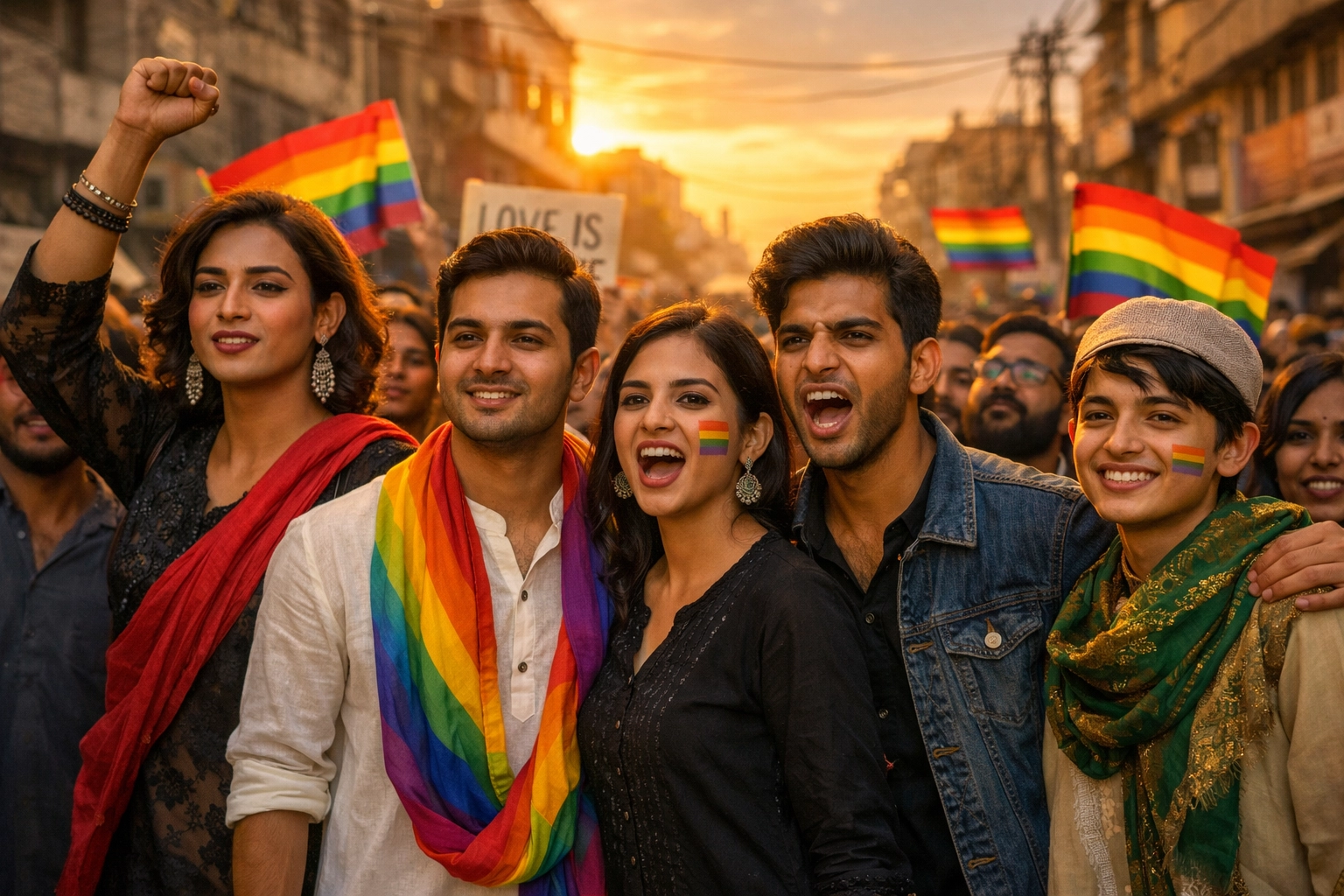
Visibility in Pakistan is often tied to the broader feminist movement. The "Aurat March" (Women’s March), held annually across major cities, has become a rare public space where LGBTQ+ slogans and rainbow flags occasionally appear. The slogan Mera Jism Meri Marzi (My Body, My Choice) has become a rallying cry for anyone fighting for bodily autonomy, including the queer and trans communities.
Organizing these events is an extreme sport. Activists face threats from conservative groups, legal hurdles from city officials, and intense social media vitriol. Yet, every year, they show up. They wear their colors, they hold their signs, and they demand to be seen. It’s not a "Pride Parade" in the way we might see in London or New York, but in the context of Pakistan, it is arguably more courageous.

Finding Hope in 2026
So, where do we stand now? The reality is a mix of heartbreak and hope. While the legal setbacks are real, the genie of visibility is out of the bottle. There is a generation of young Pakistanis who are more connected, more informed, and less willing to hide than ever before.
They are creating art, underground zines, and indie films that are finding audiences globally. They are proving that being "gay" and being "Pakistani" aren't mutually exclusive. You can love your country, your culture, and your faith while also being true to your heart.
Top Tropes for the Soul
If you’re looking for a temporary escape or a way to feel connected to the global queer community, here are some of our favorite MM romance tropes that resonate with the "forbidden love" often felt in restrictive environments:
- Enemies to Lovers MM Romance: The tension of navigating societal expectations while falling for the one person you shouldn't.
- Forced Proximity: When the outside world is dangerous, finding safety and love in a shared, hidden space.
- Slow Burn: Because sometimes, the most beautiful things take time to build, especially when the stakes are high.
Check out these tropes and more in our product category to find your next favorite read.
Conclusion: The Fight Continues
The struggle for visibility in urban Pakistan is a reminder that Pride began as a riot, not a party. It’s a testament to the human spirit’s refusal to be silenced. As we move through 2026, let’s keep our eyes on our siblings in Pakistan, Iran, and across the Arab world, who are fighting for the right to simply exist.
Support queer voices, read gay fiction, and never take your own visibility for granted. The stories we share today are the bridge to a more inclusive tomorrow.
Stay connected with the global queer community and follow our journey:
- Facebook: Read with Pride
- X (Twitter): @Read_With_Pride
- Instagram: @read.withpride
For more stories, check out Readwithpride.com.
#LGBTQPakistan #QueerVisibility #ReadWithPride #MMRomance #GayBooks2026 #TransRightsAreHumanRights #SouthAsianQueer #GayFiction #KhwajaSira #PrideAndProtest

Leave a Reply
You must be logged in to post a comment.