

readwithpride.com
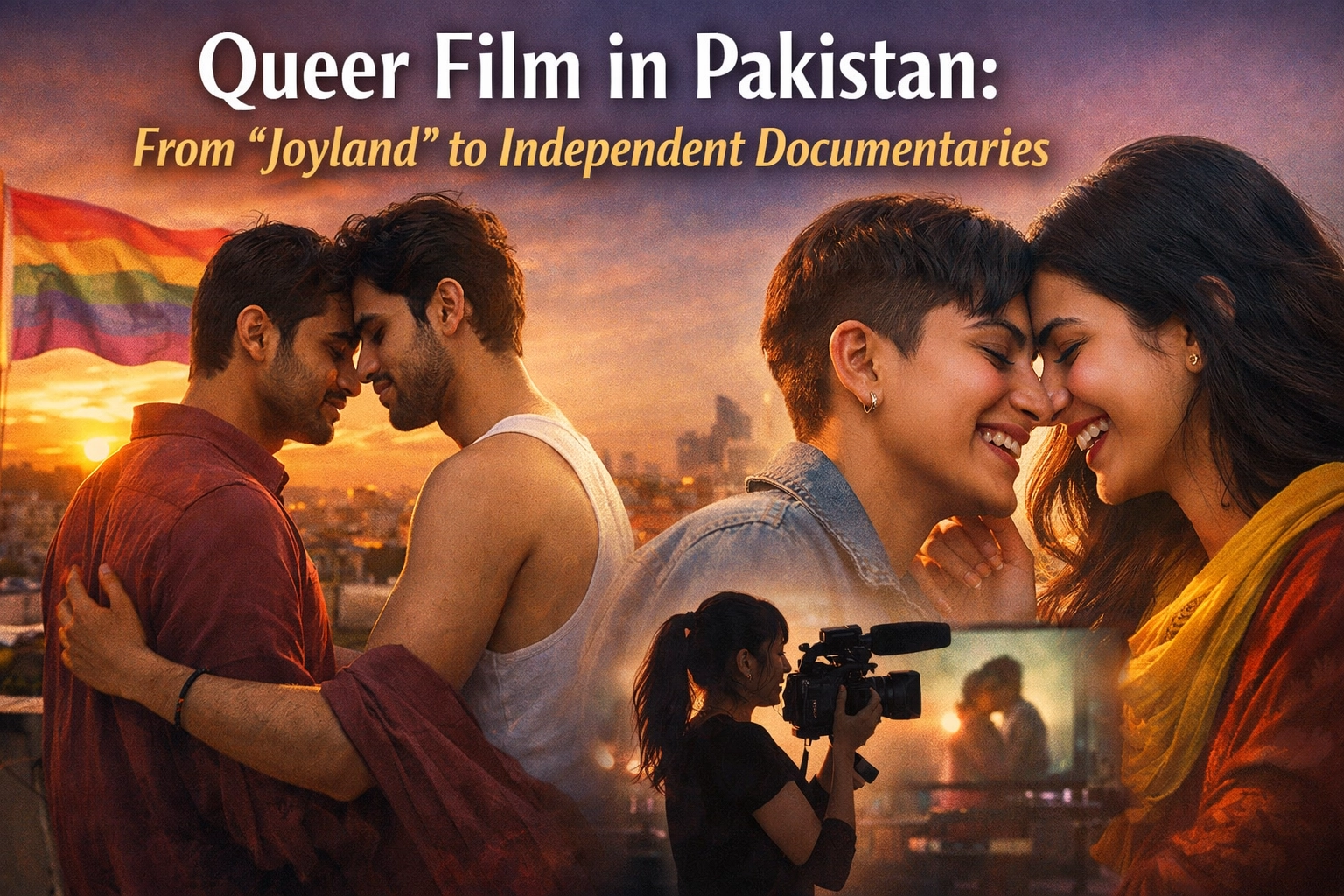
Let’s talk about a revolution that isn’t happening in the streets, but on the silver screen: and in the quiet, flickering glow of smartphone screens across Lahore, Karachi, and Islamabad. If you’ve been following the global surge in LGBTQ+ fiction and media, you know that representation is shifting from the margins to the center. But in Pakistan, this shift isn't just a trend; it's an act of profound courage.
At Read with Pride, we’re usually obsessed with the latest MM romance books or diving deep into a gay historical romance, but we know that stories don't just exist on the page. They breathe in our films, our documentaries, and our shared cultural moments. Today, we’re looking at how Pakistani cinema: specifically the ground-breaking film Joyland and a wave of independent documentaries: is rewriting the narrative for the queer and trans community in the Global South.
The "Joyland" Earthquake
If you haven’t heard of Joyland, let’s get you up to speed. Released to international acclaim in 2022 and continuing to make waves into 2026, this film did something no other Pakistani production had ever done. It didn’t just premiere at the Cannes Film Festival; it walked away with the Jury Prize and the Queer Palm.
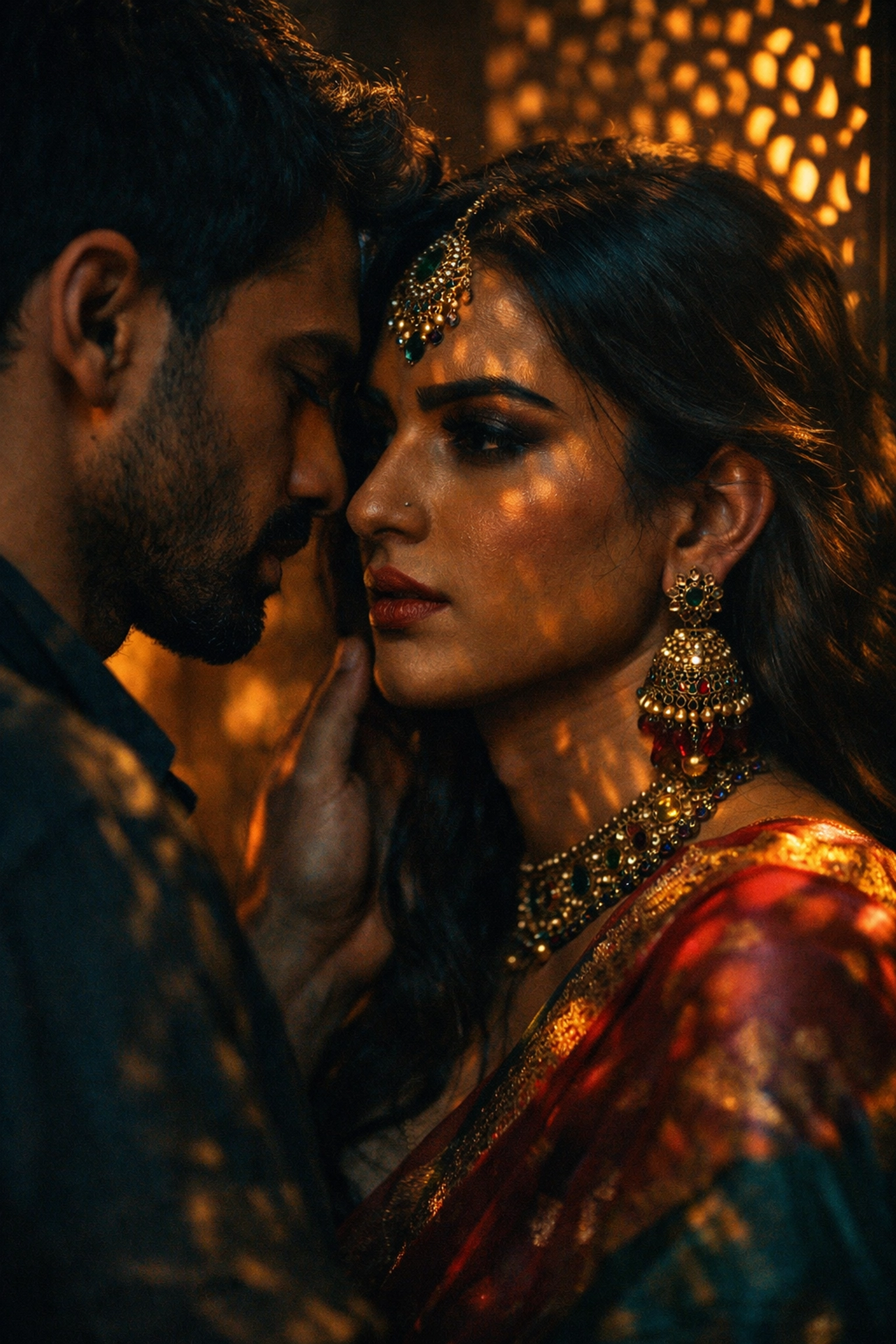
Directed by Saim Sadiq, Joyland tells the story of the Rana family, a traditional lower-middle-class household in Lahore. The youngest son, Haider, finds himself working as a backup dancer for Biba, a fiercely ambitious and charismatic transgender woman (played by the incredible Alina Khan). What starts as a job evolves into a complex, tender, and tragic love story that challenges every "traditional value" held by the family.
What makes Joyland so vital to the world of queer fiction and media is its refusal to rely on tropes. Biba isn’t a punchline or a peripheral character meant to teach the protagonist a lesson. She is the center of her own universe. For many in Pakistan, seeing a trans woman portrayed with such dignity and vulnerability was a "pinch me" moment. It moved the conversation from underground whispers to the front pages of national newspapers.
More Than Just a Movie: A Cultural Conversation
Of course, with great visibility comes great… controversy. Joyland faced a roller-coaster journey with Pakistan's Ministry of Information & Broadcasting. It was banned, then un-banned, then banned again in certain provinces. The official reason? It was deemed "against Pakistani values."
But here’s the thing: the controversy actually did the community a favor. It forced a national conversation. People who had never thought about trans rights or queer identities were suddenly debating them at dinner tables. As we see in many of our favorite gay romance novels, the path to acceptance is rarely a straight line. It’s messy, it’s loud, and it requires people to stand up and say, "We exist."
Saim Sadiq famously pointed out that these "values" aren't as ancient as people think. Before British colonization, the Khwaja Sira (the South Asian term for trans and third-gender individuals) held respected positions in royal courts as poets, artists, and advisors. Part of the work of modern queer authors and filmmakers is reclaiming that history and peeling back the layers of colonial shame.
The Rise of Independent Documentaries
While Joyland took the spotlight, a quieter revolution has been happening through independent documentaries. These films often don't make it to the local multiplex, but they are essential for anyone interested in the lived reality of the LGBTQ+ community in Pakistan.
Documentaries like Pehchaan or the works of independent creators on YouTube provide a raw, unfiltered look at life outside the glitz of a film set. They cover everything from the struggle for legal recognition (Pakistan passed the historic Transgender Persons Act in 2018, though it has faced constant legal challenges since) to the joy found in "chosen families."
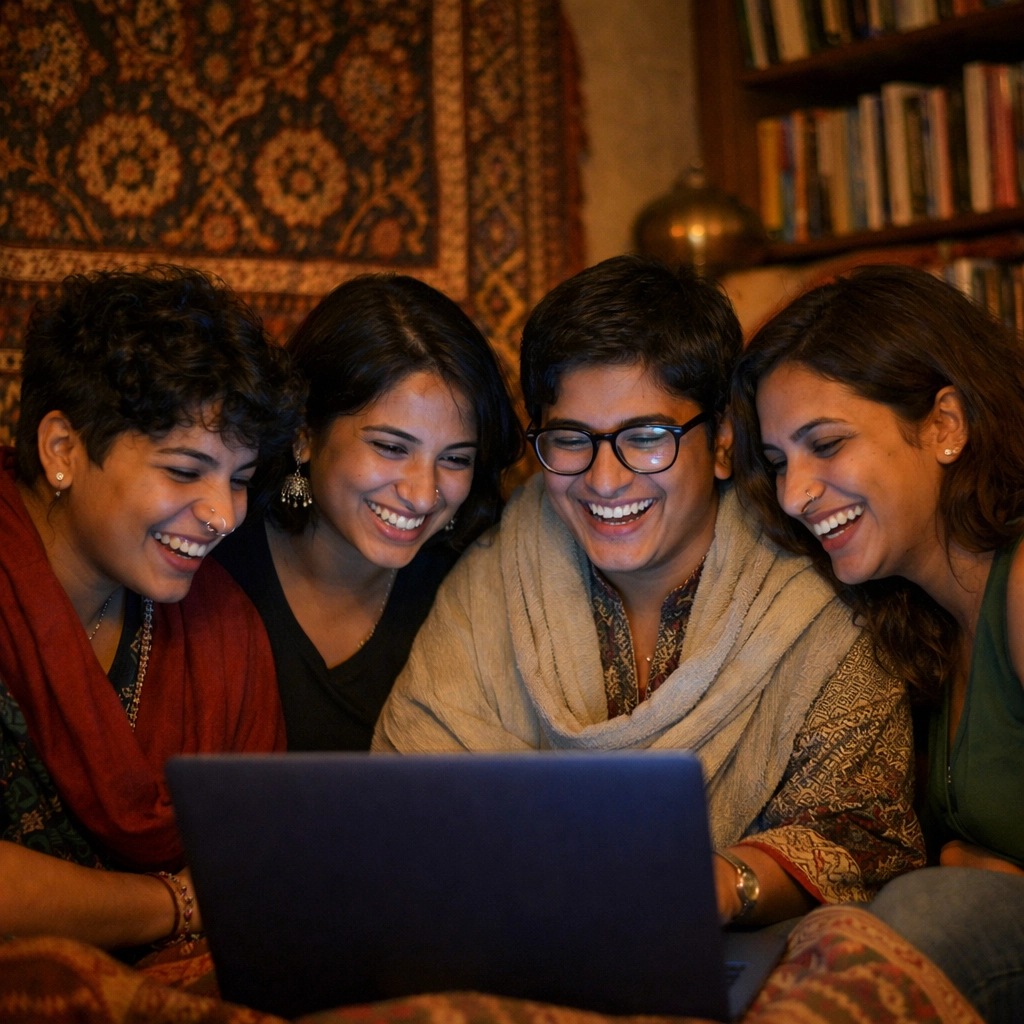
These documentaries function much like gay contemporary romance: they show us that while the struggle is real, so is the love, the laughter, and the everyday resilience. They document the "digital sanctuaries" that queer Pakistanis have built on apps and private social media groups, creating spaces where they can be their authentic selves.
Why This Matters for Readers of Queer Fiction
You might be wondering, "Penny, I’m here for the MM romance books, why are we talking about Pakistani documentaries?"
The answer is simple: because representation is global. When we read a gay fantasy romance or a steamy MM romance, we are engaging with the idea that queer people deserve to be the heroes of their own stories. When a film like Joyland succeeds, it opens doors for queer authors from diverse backgrounds to tell their stories, too.
The themes in these films: longing, the weight of family expectations, the thrill of a forbidden spark: are the same ones that make popular gay books so resonant. Whether it’s a gay psychological thriller set in London or a quiet drama set in Lahore, the human heart speaks the same language.
If you’re looking for stories that bridge these cultural gaps, check out some of the diverse titles in our store at readwithpride.com/store/dickfergusonwriter. We believe in supporting voices that push boundaries, just like Saim Sadiq and Alina Khan have done for Pakistani cinema.
The Landscape in 2026: Hope and Resilience
As we look at the state of queer life in Pakistan today, in March 2026, the situation is a mix of high-stakes tension and incredible hope. The "Joyland effect" has emboldened a new generation of creators. We’re seeing more short films on TikTok and Instagram that challenge gender norms. We’re seeing underground art shows in Karachi that celebrate queer joy.
However, the legal battle continues. The pushback against the Transgender Persons Act reminds us that progress isn't permanent: it has to be protected. This is why media matters. When people see Biba in Joyland, they don't just see a "political issue"; they see a human being who wants to work, to love, and to be respected.
For those of us in the Read with Pride community, staying informed about global queer cinema helps us become better allies and more nuanced readers. It reminds us that our "pride" is a global movement.
Supporting the Narrative
How can you support this movement? It’s easier than you think:
- Seek out international queer cinema: Look for Pakistani shorts on film festival platforms or streaming sites that prioritize independent voices.
- Read diversely: Look for gay novels and LGBTQ+ fiction written by authors from the SWANA (South West Asia and North Africa) and South Asian regions.
- Share the stories: When you find a film or a book that moves you, talk about it. Use your platform to amplify voices that are often silenced.
At Readwithpride.com, we are committed to being a hub for these stories. Whether you’re looking for the best MM romance books of 2026 or want to dive into gay historical romance, we’ve got you covered.
Join the Conversation
What did you think of Joyland? Have you explored any independent documentaries that changed your perspective on queer life in the Middle East or South Asia? We’d love to hear your recommendations!
Don't forget to follow us on our social channels to stay updated on new releases and cultural deep dives:
- Facebook: Read with Pride
- X (Twitter): @Read_With_Pride
- Instagram: @read.withpride
For more articles like this, check out our sitemaps or browse our blog categories.
The world is full of stories waiting to be told. Let’s make sure we’re listening.
#QueerCinema #Joyland #ReadWithPride #LGBTQPakistan #MMRomance #GayBooks #TransVisibility #SouthAsianQueer #GayRomanceNovels #QueerFiction2026 #AlinaKhan #SaimSadiq #InternationalCinema
Primary Keywords Used: Read with Pride, MM romance books, gay romance novels, queer fiction, gay love stories, LGBTQ+ fiction, 2026 gay books, popular gay books, MM romance, gay fiction.
Internal Links Included:

Leave a Reply
You must be logged in to post a comment.