

readwithpride.com
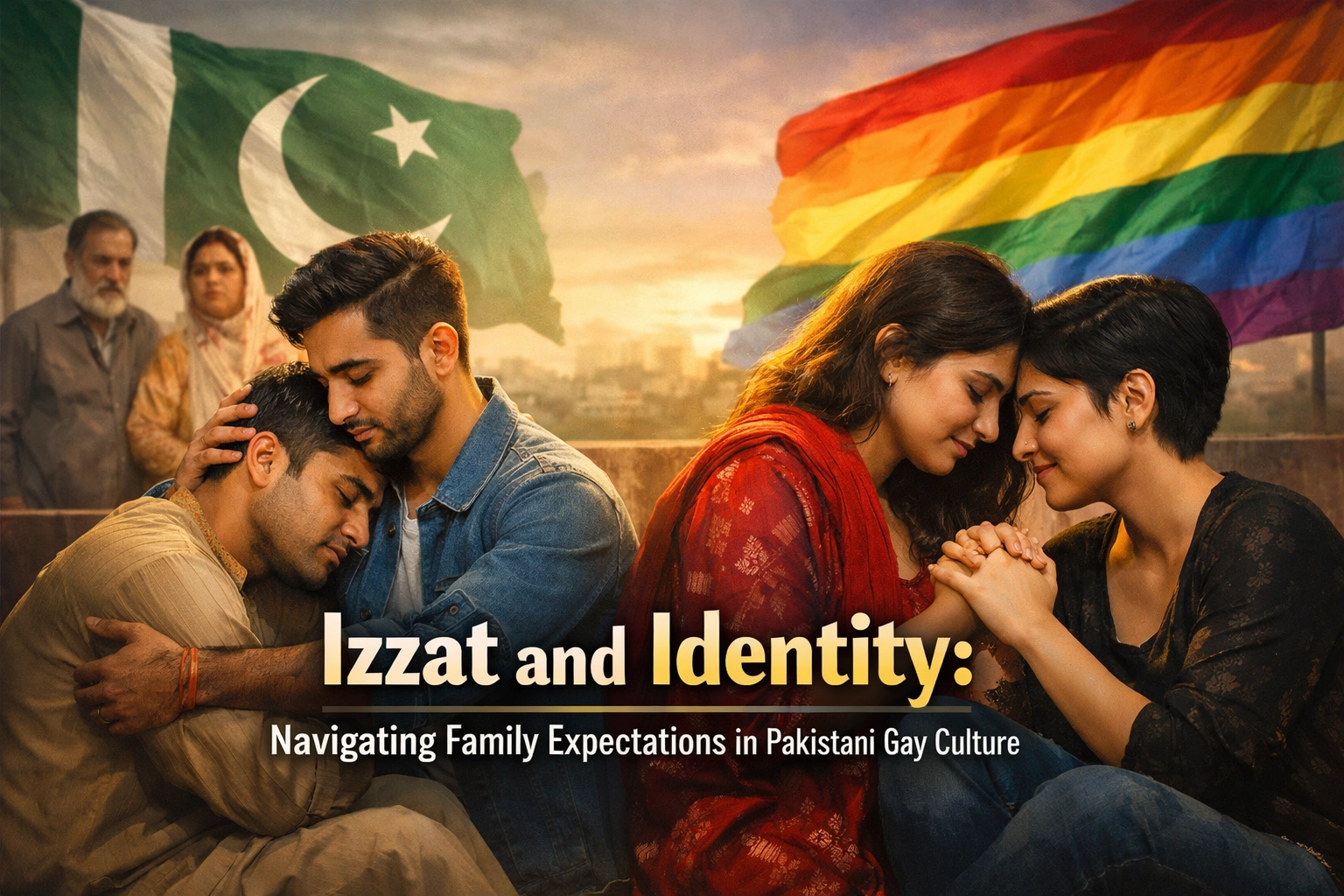
In the vibrant, bustling streets of Lahore or the coastal breeze of Karachi, there is a word that carries more weight than gold, more power than politics, and more fear than the law. That word is Izzat.
Translated loosely as "honor" or "reputation," Izzat is the invisible glue that holds Pakistani society together. But for gay men in Pakistan, Izzat is often the cage that keeps their true selves locked away. As we navigate 2026, the digital world has opened new doors for the LGBTQ+ community in South Asia, yet the ancient weight of family expectation remains as heavy as ever.
At Read with pride, we believe that every story deserves to be told, especially those that exist in the shadows of tradition. Understanding the intersection of queer identity and Pakistani culture isn't just about looking at the "now": it’s about understanding the deep-rooted history and the complex dance between personal truth and communal duty.
The Invisible Anchor: What is Izzat?
In most Western cultures, identity is an individual pursuit. You "find yourself." In Pakistan, identity is communal. You are not just you; you are a son, a brother, a cousin, and a representative of your family's lineage. Your actions reflect directly on your father’s standing in the mosque and your mother’s status at the next dholki.
This communal identity is where the concept of Izzat becomes a barrier. In a society where family is the most important social institution, homosexuality is often perceived as a direct threat to the patriarchal extended family. To be openly gay isn't just seen as a personal choice; it’s seen as a source of destruction for the family’s moral status.
For many Pakistani gay men, the struggle isn't necessarily about internalizing homophobia: it’s about the crushing guilt of potentially "shaming" the people they love most. This creates a life of performance, where the "perfect son" persona is maintained at all costs.
The Marriage Trap: "Log Kya Kahenge?"
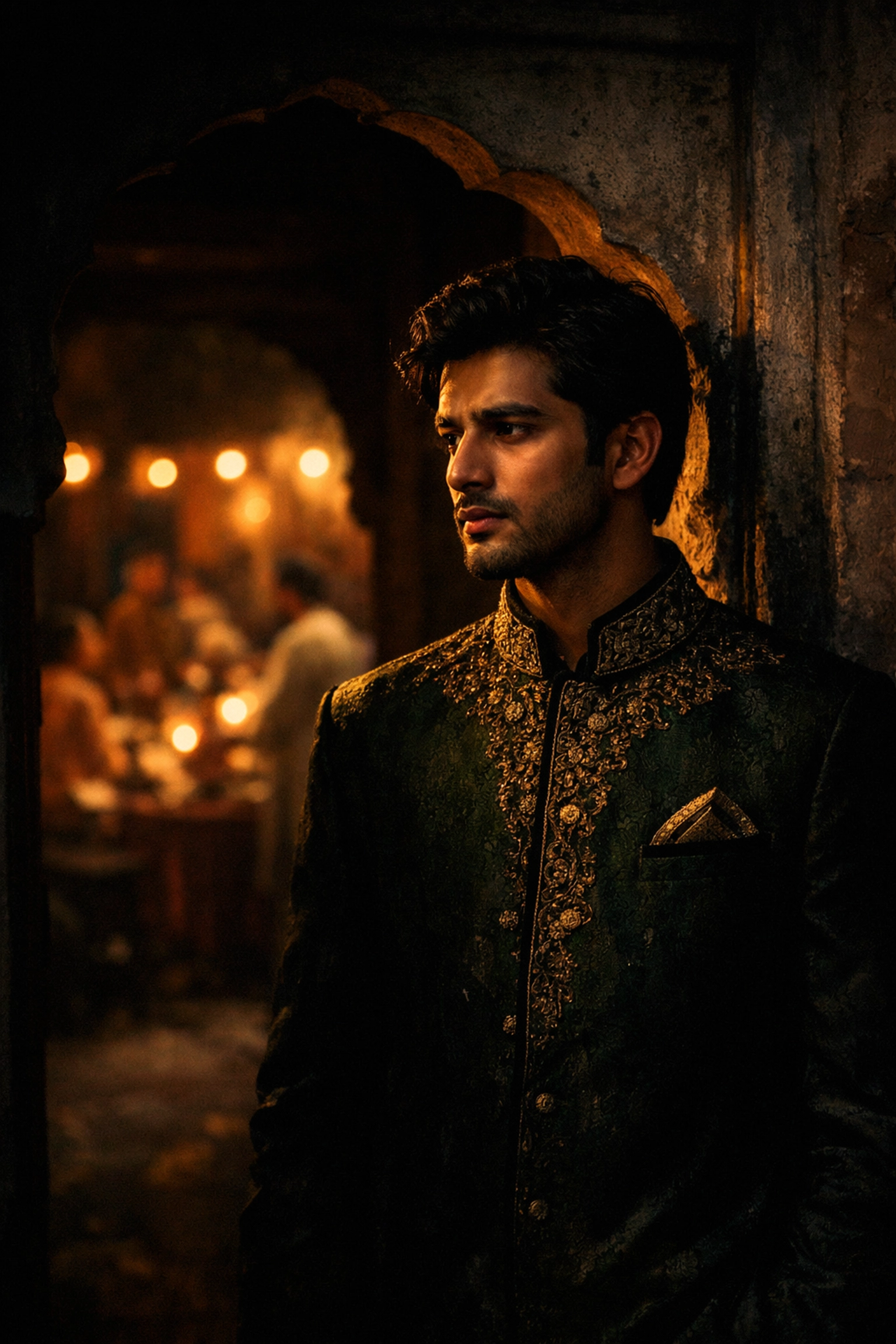
The phrase "Log kya kahenge?" (What will people say?) is the death knell for many queer dreams in Pakistan. This social pressure reaches its peak when it comes to marriage. In Pakistan, marriage isn't just a romantic union; it's a social and economic contract designed to consolidate family power and ensure the next generation.
Parents often subject their queer children to intense emotional blackmail or threats of disinheritance to compel them into heterosexual marriages. In 2026, while the global landscape for MM romance books often features "fake dating" as a fun trope, for many Pakistani men, "fake living" is a daily reality.
The cost of this conformity is high. It’s not just the gay man who suffers; it’s the woman he marries. Within these patriarchal structures, women often enter these marriages with no knowledge of their husband’s orientation, leading to non-consensual situations and profound emotional isolation for both parties. One man in Lahore recently shared that after years of marriage, his greatest pain wasn't the secret itself, but the feeling that he had "failed at his most basic responsibility" to his family and his wife.
A History Hidden in Plain Sight
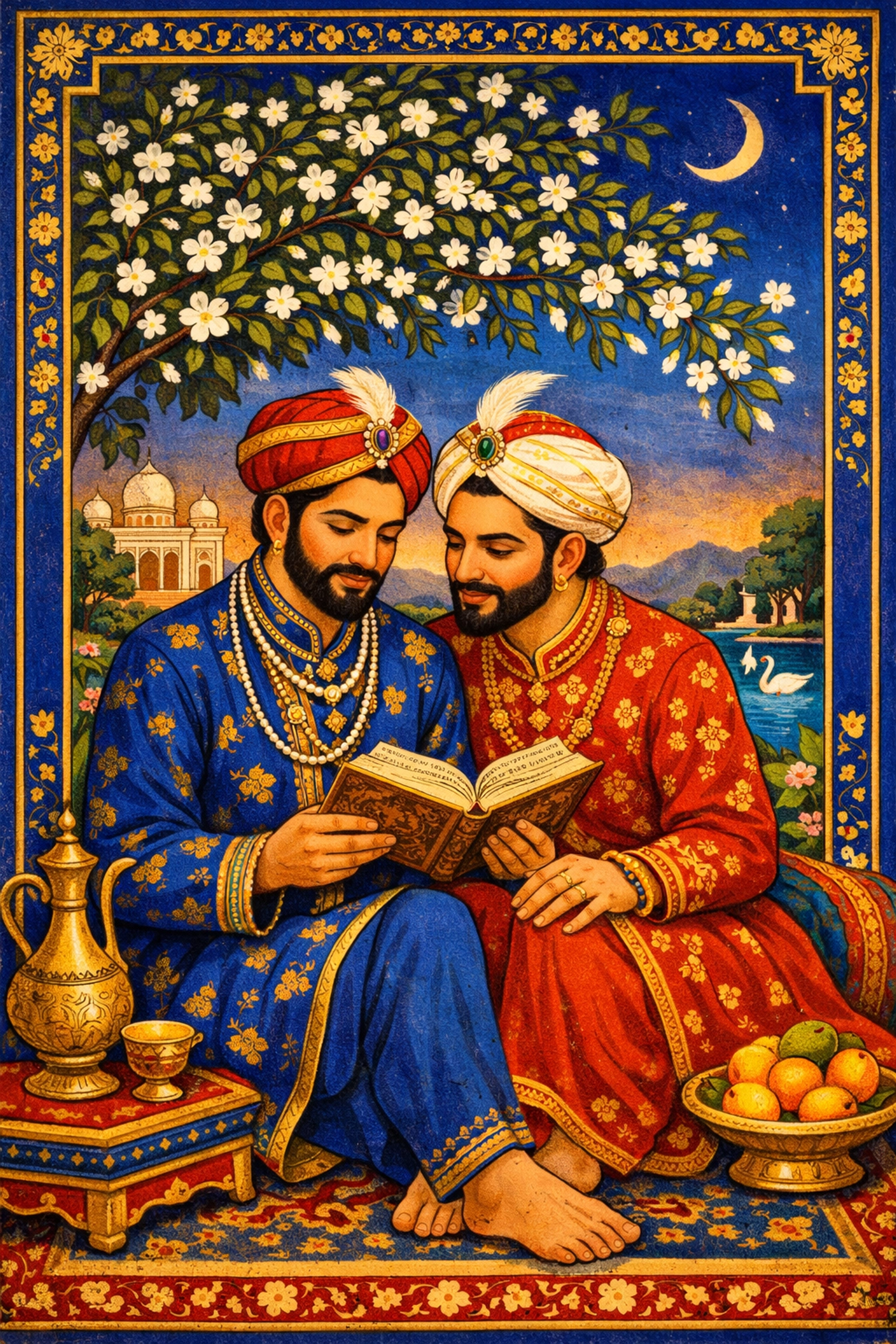
It is a common misconception that LGBTQ+ identities are a "Western import" to Pakistan. Historically, the region has a long, albeit complex, relationship with same-sex desire. From the homoerotic poetry of the Sufi saints to the gender-fluid traditions of the Khwaja Sira (transgender/third gender community), South Asian history is steeped in queer nuances.
The modern legal hostility: specifically Section 377: is actually a relic of British colonial rule. Before the British codified their Victorian morals into the Indian Penal Code, local attitudes toward gender and sexuality were often more fluid and less centered on the rigid binaries we see today. Reclaiming this history is a vital part of the modern Pakistani gay experience. It allows men to say, "I am not an outlier; I am part of a long lineage."
Many gay novels and queer fiction are beginning to explore these historical roots, providing a sense of belonging that transcends modern borders.
The Digital Sanctuary: Gay Life in 2026
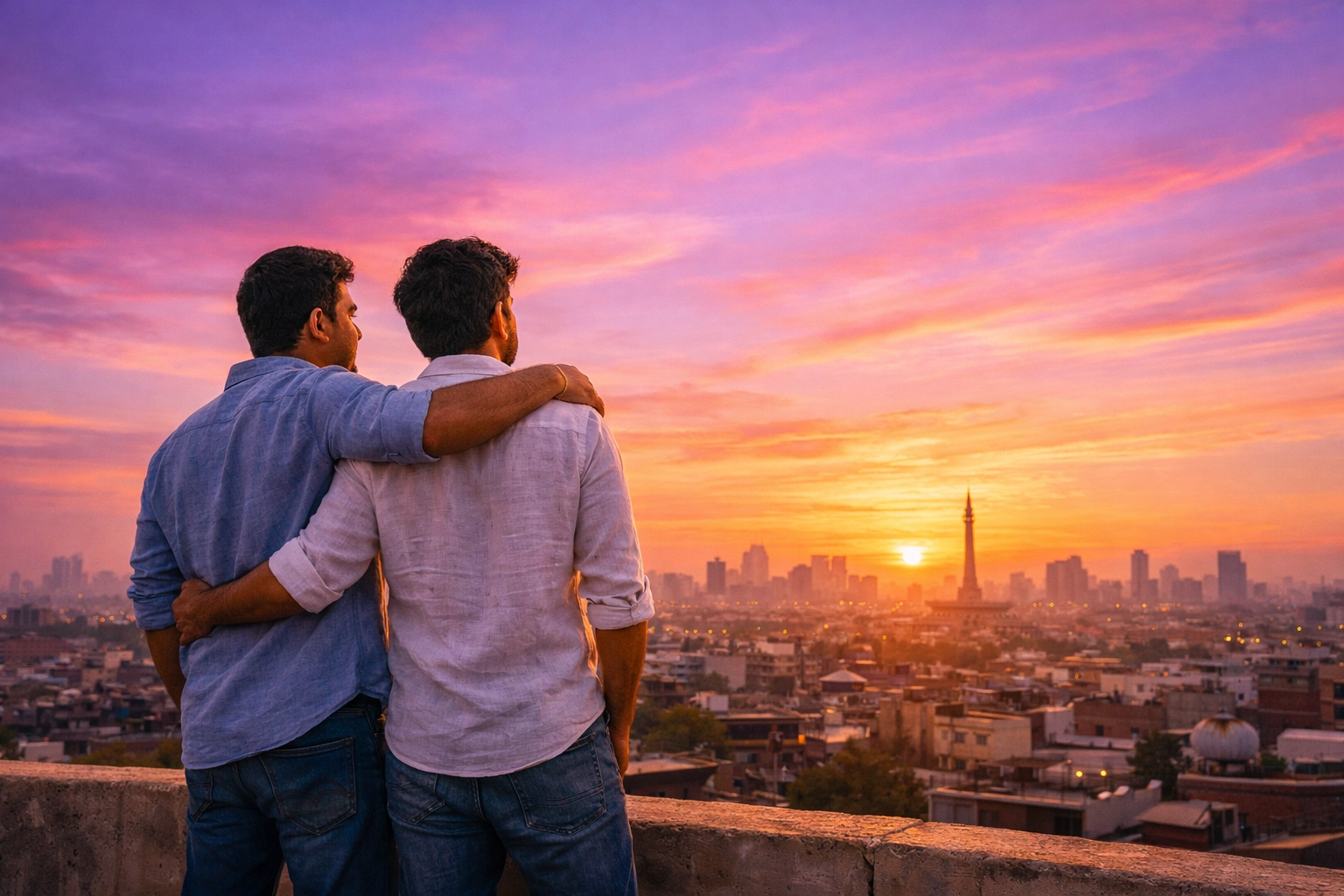
If the physical world is fraught with risk, the digital world is where the Pakistani LGBTQ+ community breathes. In 2026, apps like Grindr and Scruff, along with private Telegram and WhatsApp groups, serve as "digital sanctuaries."
In cities like Islamabad, secret parties and underground mixers are organized through these encrypted channels. Here, the weight of Izzat is momentarily lifted. Men can discuss popular gay books, share their struggles with family, and find romantic connections that the "real world" denies them.
However, even these digital spaces aren't without danger. Blackmail and "catfishing" by extremist groups or predatory individuals remain a constant threat. The risk of visibility is extreme, as social media "outings" can lead to social isolation, family rejection, or even violence.
Finding Resilience through Literature and Community
How do you balance Izzat with identity? For many, the answer lies in a "slow burn" approach to family dynamics. Research suggests that while immediate "coming out" might be dangerous, gradual conversations and maintaining close, affectionate relationships with parents can sometimes lead to a quiet, unspoken acceptance over time.
Literature also plays a massive role. For the Pakistani diaspora and those living within the country, reading MM romance or gay romance novels that feature South Asian protagonists is a form of revolution. Seeing a character navigate the same "enemies to lovers" tropes or "forced proximity" scenarios while balancing the expectations of a Desi mom provides much-needed catharsis.
At Readwithpride.com, we are seeing an uptick in new gay releases for 2026 that specifically target these intersectional identities. Whether it’s a gay historical romance set in the Mughal Empire or a gay contemporary romance set in modern-day London among the diaspora, these stories provide a roadmap for survival.

Conclusion: The Brave New World
Navigating gay life in Pakistan is an act of extreme bravery. It is a balancing act between the love of one's heritage and the need for personal authenticity. While Izzat continues to define the social landscape, the resilience of the community is carving out spaces where honor and identity can finally coexist.
Whether you’re looking for steamy MM romance that offers an escape or heartfelt gay fiction that mirrors your own struggles, remember that your story is valid. The path is difficult, but you are not walking it alone.
Stay connected with the community and discover more stories that celebrate our diverse experiences:
- Facebook: Read with Pride
- X (Twitter): @Read_With_Pride
- Instagram: @read.withpride
- Website: readwithpride.com
#PakistanGayLife #LGBTQPakistan #IzzatAndIdentity #MMRomance #GayBooks2026 #ReadWithPride #QueerSouthAsia #GayRomanceNovels #SouthAsianQueer #IdentityPolitics

Leave a Reply
You must be logged in to post a comment.