

readwithpride.com
Hey family, let’s get real for a second. We spend a lot of time here at Read with Pride celebrating the steamier side of MM romance books and swooning over the latest gay romance novels. But sometimes, to truly appreciate the freedom we find in our favorite LGBTQ+ ebooks, we have to look at the shadows cast by history: specifically, the legal frameworks that still try to dictate who we can love.
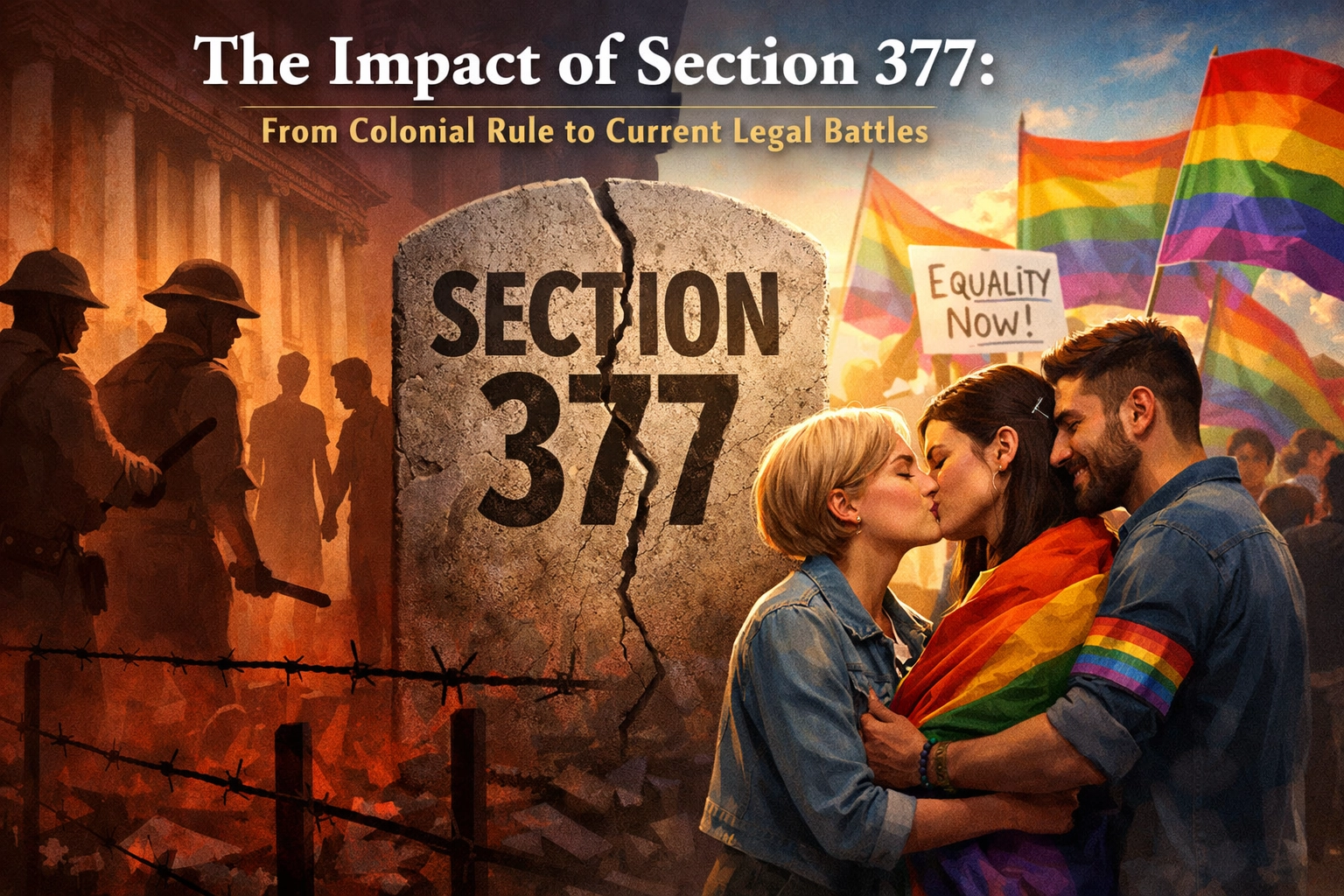
Today, we’re diving into the heavy-hitter of colonial hangovers: Section 377. If you’ve ever read a gay historical romance set in the British Raj, or a modern gay thriller set in South Asia, you’ve likely seen this number pop up. It’s more than just a digit; it’s a legacy of colonial rule that continues to shape gay life in Pakistan and across the Commonwealth in 2026.
The Colonial Export: How It All Started
Before we get into the current legal battles in Pakistan, we have to look back at 1860. While the world was changing, the British Empire decided to export its particular brand of Victorian morality to its colonies. Section 377 was introduced into the Indian Penal Code not because it reflected the values of the people living there, but because the British rulers found local attitudes toward sexuality a bit too… fluid.
In pre-colonial South Asia, especially in the regions that are now Pakistan, there was a long, rich history of gender fluidity and same-sex attraction reflected in Sufi poetry and royal courts. The British weren't fans. They introduced Section 377 to criminalize "carnal intercourse against the order of nature."
It’s a bit ironic, isn't it? The very people who brought us some of our favorite literary tropes also brought a legal hammer down on queer existence. This law became the template for anti-gay legislation across Africa, Asia, and the Pacific.

Section 377 in Pakistan: The Modern Reality
When Pakistan gained independence in 1947, it inherited the British legal system, Section 377 included. Fast forward to 2026, and while the world has seen massive shifts in LGBTQ+ rights, the law remains on the books in Pakistan.
Under Pakistani law, same-sex acts are technically punishable by imprisonment. While actual prosecutions of consenting adults in private are relatively rare, the law serves as a powerful tool for blackmail, police harassment, and social stigma. It forces a vibrant community into what many call "digital sanctuaries."
If you’re a fan of MM contemporary stories, you know that the "secret identity" or "closeted" trope can be romantic. But in Pakistan, it’s a survival tactic. The community uses dating apps and private social media groups to find one another, creating a hidden world of gay love stories that the state officially ignores.
The Transgender Exception?
Here is where it gets really interesting: and a bit complicated. In 2018, Pakistan passed the Transgender Persons (Protection of Rights) Act. It was a landmark piece of legislation that, on paper, is one of the most progressive in the world. it allows people to self-identify their gender and protects them from discrimination.
This creates a strange legal paradox. You can be legally recognized as a third gender (Khwaja Sira), yet if you are a man loving another man, you are still technically a criminal under the "unnatural offences" of Section 377. This internal contradiction is a major talking point in the current legal and social efforts to challenge these colonial-era laws.

The Fight for the Future: 2026 and Beyond
The battle isn't just happening in courtrooms; it’s happening in the streets and on the web. Activists in Karachi, Lahore, and Islamabad are pushing back. They aren't just looking for "tolerance"; they are reclaiming a history that was stolen by colonial administrators.
The legal efforts focus on two main fronts:
- Decriminalization: Moving to strike down Section 377 as unconstitutional, much like the landmark 2018 ruling in India.
- Privacy Rights: Arguing that what happens between consenting adults is a matter of fundamental privacy, a right that is (theoretically) protected by the constitution.
For those of us who love queer fiction, these real-life battles provide the stakes for some of the most powerful gay novels coming out today. We’re seeing more queer authors from the Pakistani diaspora and within the country itself writing stories that reflect this tension: the beauty of the culture mixed with the weight of the law.
Why Representation Matters in MM Romance
You might wonder why a publisher of gay romance books is talking about colonial law. It’s simple: our stories don't exist in a vacuum. When we read a steamy MM romance or a heartfelt gay fiction piece, we are celebrating the right to exist and love openly.
For a reader in Pakistan, finding popular gay books or LGBTQ+ Kindle books online can be a lifeline. It's a reminder that their feelings aren't "against the order of nature": they are part of a global, historic community. At Read with Pride, we believe that every gay love story published is a small blow against the legacy of Section 377.

The Impact on Health and Safety
We can't talk about Section 377 without talking about the "chilling effect." Research has shown that criminalization makes people 19 times more susceptible to HIV infection because the fear of the law prevents them from seeking health advice or testing. When love is a crime, seeking care feels like a confession.
This is why the current legal battles are so vital. It’s not just about the right to marry; it’s about the right to live healthily and safely. Activists are working tirelessly to ensure that health services are accessible to the community without the threat of legal repercussions.
Supporting the Community through Literature
As we look at the releases of 2026 gay books, we're seeing an increase in stories that tackle these global issues. Whether it's a gay spy romance set across borders or an emotional MM book about a long-distance relationship, these stories bridge the gap between our different realities.
If you’re looking to expand your reading list, check out our sitemaps for a deep dive into different genres. From gay fantasy romance to gay psychological thrillers, there is a world of stories waiting for you.

Conclusion: Reclaiming the Narrative
Section 377 is a ghost from 1860 that has overstayed its welcome. While the legal battles in Pakistan continue, the social movement is stronger than ever. Through art, literature, and digital activism, the LGBTQ+ community is proving that you can't legislate away human connection.
Next time you pick up one of our new gay releases, take a moment to appreciate the journey of queer rights. We’ve come a long way from colonial boardrooms, and thanks to the bravery of activists and the power of our stories, the future is looking a lot more like a gay romance series with a very happy ending.
Stay proud, keep reading, and let’s keep pushing for a world where Section 377 is nothing more than a footnote in a history book.
Want more queer content? Check out these links:
- Explore our full range of gay eBooks: Read with Pride
- Find your next favorite author: Author Sitemap
- Check out the latest MM romance trends: Blog Categories
Follow the journey:
Facebook | Instagram | Twitter/X
#LGBTQRights #Section377 #GayHistory #ReadWithPride #MMRomance #QueerLiterature #PakistanQueerLife #GayBooks2026 #DecriminalizeLove

Leave a Reply
You must be logged in to post a comment.