

readwithpride.com
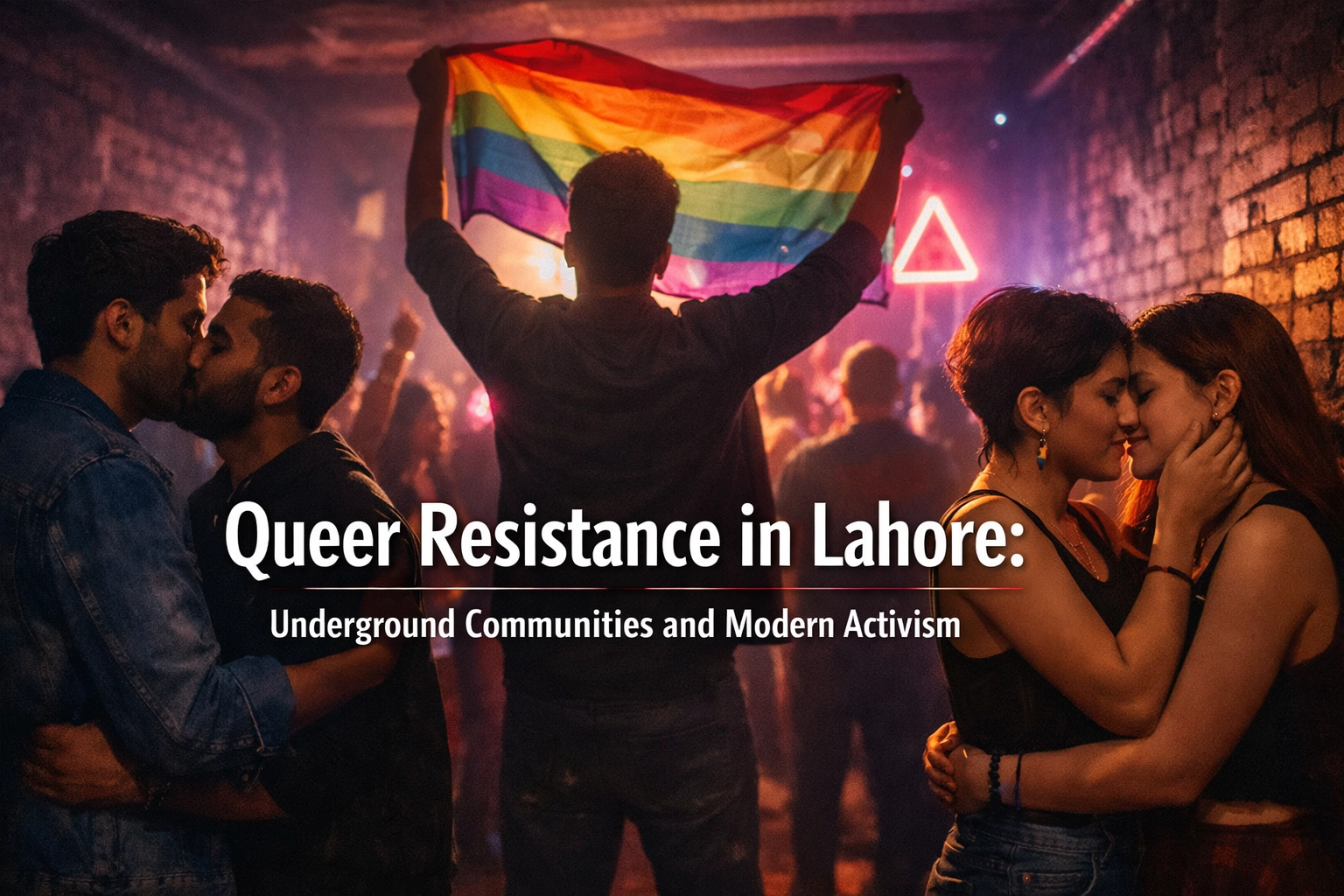
When people think of Lahore, they often picture the stunning Mughal architecture, the spice-filled air of the Walled City, and a conservative heartbeat that feels a world away from a Pride parade. But if you look closer: specifically, if you know which WhatsApp group to join or which Instagram account to follow: you’ll find a city pulsing with a secret, vibrant, and incredibly resilient queer life.
At Read with Pride, we’re all about stories. Usually, those stories are found in the pages of MM romance books or LGBTQ+ ebooks, but today we’re looking at the real-life narratives unfolding in Pakistan’s cultural capital. In 2026, being queer in Lahore is a high-stakes game of hide-and-seek, where the "seek" involves dodging outdated colonial laws and the "hide" involves throwing the most legendary private parties you’ve never heard of.
The Ghost of 1860: Why History Still Stings
To understand the modern queer scene in Lahore, we have to talk about the baggage. Pakistan’s legal stance on homosexuality is a leftover gift from the British Empire: specifically, Section 377 of the Penal Code, drafted way back in 1860. It’s a classic case of colonial "morality" being exported and then sticking around long after the colonizers left.
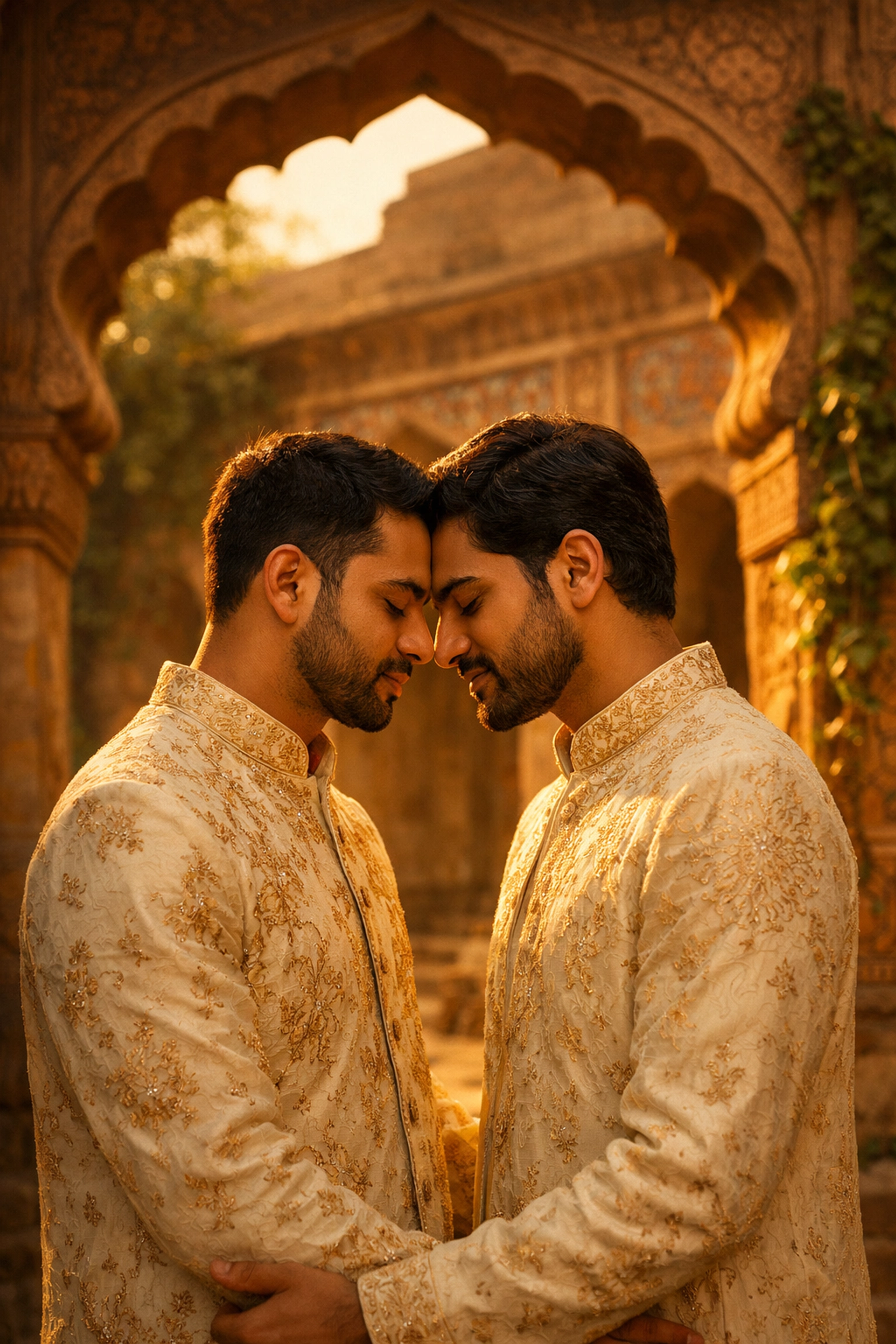
Ironically, before the British showed up with their stiff upper lips and rigid laws, the Indian subcontinent had a much more fluid relationship with gender and sexuality. From the Sufi poets who wrote about the love of beautiful youths to the historically recognized status of the Khwaja Sira (transgender and non-binary people), the region wasn't always this closeted.
Today, that history is a form of resistance. Activists in Lahore often point to this pre-colonial past to prove that being queer isn't a "Western import": it’s actually a return to form. When we read gay historical romance or dive into gay literature, we’re often looking for those roots, and in Lahore, those roots are deep, even if they’re currently covered by a lot of modern-day red tape.
The Underground: Parties, Cliques, and Digital Sanctuaries
So, where does a gay guy in Lahore go on a Saturday night? He’s probably not hitting a neon-lit bar on a main road. Instead, the scene is fragmented into "cliques."
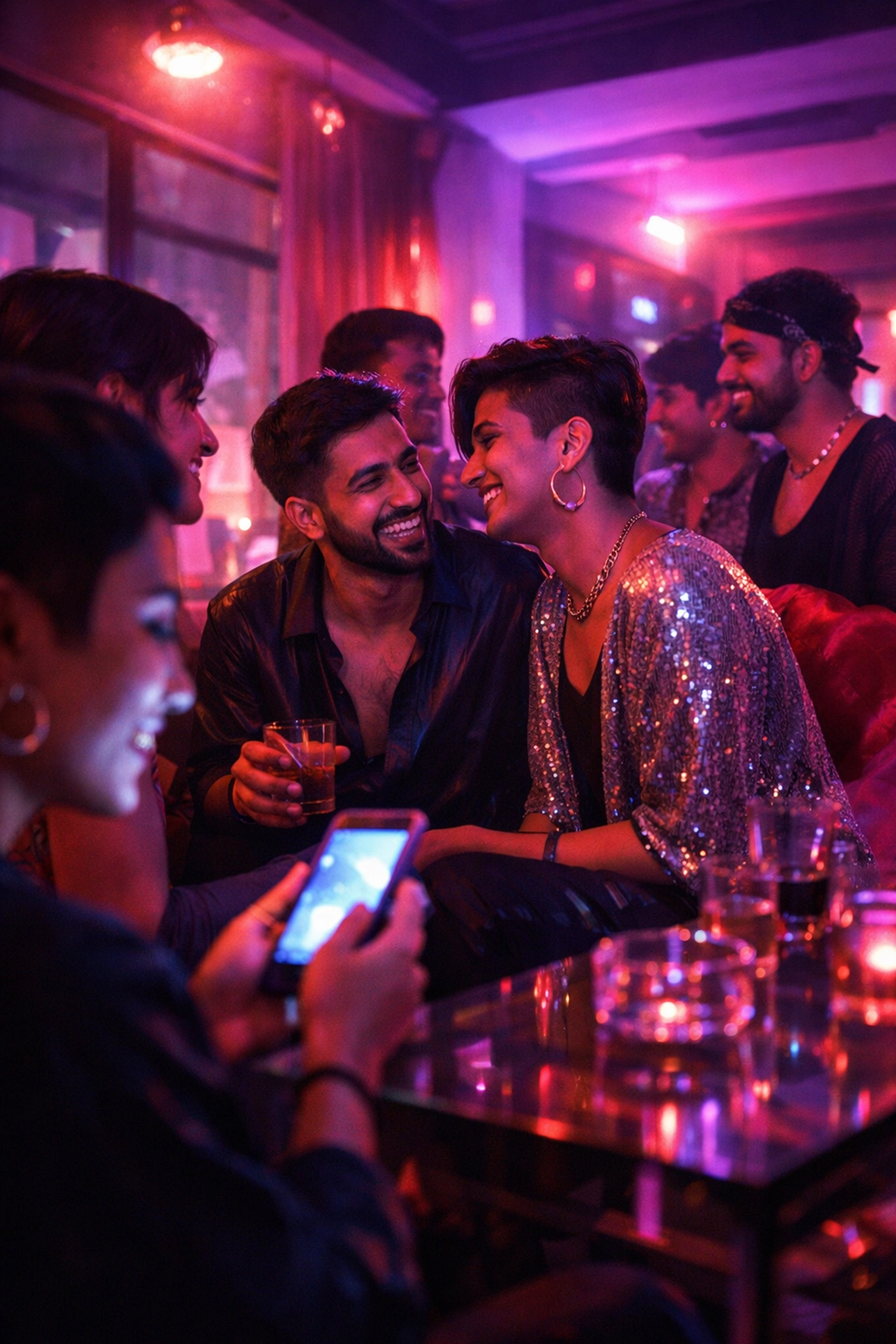
Lahore's queer community is built on trust. These are private circles of friends: some middle class, some upper class: who vet every new person who enters their orbit. The underground scene is a mix of high-end private house parties and "digital sanctuaries."
Social media is the ultimate double-edged sword here. On one hand, apps like Instagram and various dating platforms are how people meet, share stories, and organize. On the other hand, they are also tools for surveillance. But the community is tech-savvy. They use coded language, temporary stories, and disappearing messages to build a life that the state can’t easily track.
The Rise of the "Private Clique"
In urban Lahore, the strength of your clique determines your safety. These groups provide more than just a place to party; they provide a family for those who have been disowned or fear disownment. It’s very much like the "Found Family" trope we love in MM romance, where the bonds you choose are stronger than the ones you were born into.
However, this class-based structure means that those with money and private spaces have a much easier time than those without. This is where modern activism is trying to bridge the gap, ensuring that the fight for rights isn't just for the elite.
2025: The Turning Point in Lahore
If 2024 was a year of quiet organizing, 2025 was the year the community showed its teeth. In August 2025, a massive viral party case hit the headlines. Nearly 60 individuals were detained in a raid under "obscenity" and "immoral conduct" laws. In the past, a raid like this would have resulted in silence and shame.
Not this time.
The attendees, backed by grassroots organizations like Pride Pakistan, challenged the charges in court. They pointed out procedural violations and the total lack of evidence for "obscenity." And you know what? They won. The case was dismissed.
This was a massive moment for queer resistance in Lahore. It sent a message: we aren't just hiding anymore; we’re documenting, we’re litigating, and we’re winning. Organizations like Track-T, which focuses on trans rights, are leading the charge, proving that visibility: while dangerous: is also a shield.
Representation Matters: From Reality to Fiction
At Read with Pride, we know that reading about people like yourself is a form of survival. Whether it’s a steamy MM romance or a heartfelt gay love story, seeing a happy ending helps you imagine one for yourself.
For the queer community in Lahore, representation in local media is almost non-existent or overwhelmingly negative. That’s why gay fiction and popular gay books from the international community are so vital. They provide a blueprint for a life where you don't have to hide.
If you’re a writer looking to capture this kind of nuance, you might want to check out our guide on 7 mistakes you’re making with LGBTQ+ character development. Writing authentic queer experiences: especially in high-pressure environments like Pakistan: requires a delicate touch and a lot of heart.
The "Obscenity" Trap
The biggest hurdle for activists in Lahore is the weaponization of vague laws. "Obscenity" is a catch-all term used to target anything the state finds uncomfortable. This is why public advocacy is so risky. A simple protest can be branded as "immoral," leading to family disownment or worse.
But the resistance is clever. They use art, fashion, and literature to push boundaries without triggering the "obscenity" alarm. They are reclaiming the narrative, one underground gallery show and one private book club at a time. They are building a world where being yourself isn't a crime, even if the law hasn't caught up yet.
Why We Keep Reading (and Writing)
The struggle in Lahore reminds us why gay romance novels and MM novels are more than just entertainment. They are acts of rebellion. Every time you read a book where two men find safety and love, you’re validating the reality that everyone deserves that, regardless of whether they live in London, New York, or Lahore.
If you’re looking for your next escape or a story that resonates with the theme of fighting for love, browse through our post-sitemap to find a wide range of stories that celebrate queer joy in all its forms.
Looking Ahead to 2026
The queer scene in Lahore isn't going anywhere. It’s evolving. It’s becoming more intersectional, more legally savvy, and more connected to the global movement. The courage of the activists on the ground: those documenting police raids and providing safe houses: is nothing short of heroic.
At Read with Pride, we’ll continue to support these voices by providing a platform for queer authors and gay fiction that highlights the diversity of our global community. Because at the end of the day, every queer person in Lahore is a protagonist in their own epic story of resistance.

Stay connected with the community and discover more stories:
- Follow us on Facebook: Read With Pride
- Join the conversation on X: @Read_With_Pride
- See the beauty of queer life on Instagram: @read.withpride
- Browse our collection: readwithpride.com
#LahoreQueer #QueerResistance #LGBTQPakistan #ReadWithPride #MMRomance #GayLiterature #QueerHistory #2026Pride #UndergroundCulture #GayBooks2026

Leave a Reply
You must be logged in to post a comment.